Maa in Pindi form Navratri · twice a year Fort wall & Nagarkhana gate One of Five Himachal Peethas 1.3 km from Kangra bus stand
You pass beneath the Nagarkhana, the old drum house over the gate, and a stone wall closes around you the way a fort protects a treasure. Inside there is no towering statue, only a Pindi, a quiet stone Presence Of The Mother, draped and adored. This Is Kangra's oldest certainty: the Left Breast Of Maa Sati Rests in this ground.
One of the Fifty-One Shakti Peethas: tradition holds that the Left Breast Of Maa Sati Fell to earth at this very spot, making the soil itself a Seat Of Her Body.
Here Maa Is Worshipped as Vajreshwari, The Goddess Of The Thunderbolt, the fierce Form Of Maa Durga who Hurled a divine vajra To destroy the demon Kalikala.
Every Makar Sankranti Her Pindi Is Covered in butter For a full week, recalling how Maa Soothed the wounds She Bore after Slaying Mahishasura.
The story the valley remembers
The old telling begins with grief. When Maa Sati Gave Up Her Body at Her father's yagya out of devotion To Lord Shiva, Shiva carried Her on his shoulder and began the Tandava, a dance that threatened to unmake the world. Vishnu loosed his chakra, the Body Of The Goddess Was Parted into Fifty-One pieces, and where Her Left Breast Came to rest, this Peetha was born: a place the texts once called Guptapura, the hidden city.
A second legend belongs To the Pandavas. In their exile, Maa Durga Appeared To them in a dream, Telling them She Dwelt at Nagarkot and that they must raise Her a Temple there or face ruin, and that same night, the story says, a magnificent shrine stood. The old structure fell in the great earthquake of 1905, and the Temple that receives you today was rebuilt afterward by the government.
What you'll actually see
1
A Temple built like a fortress
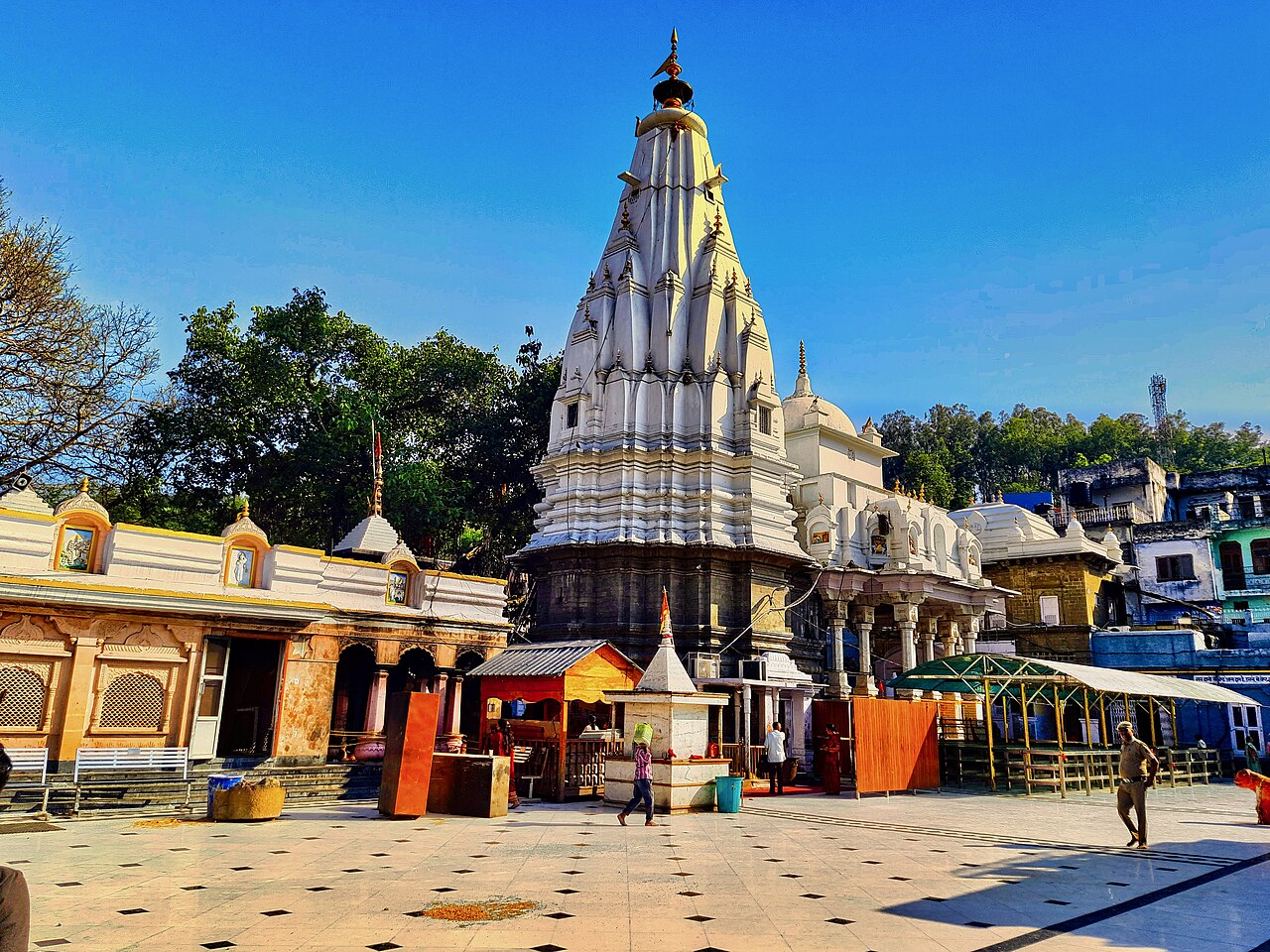
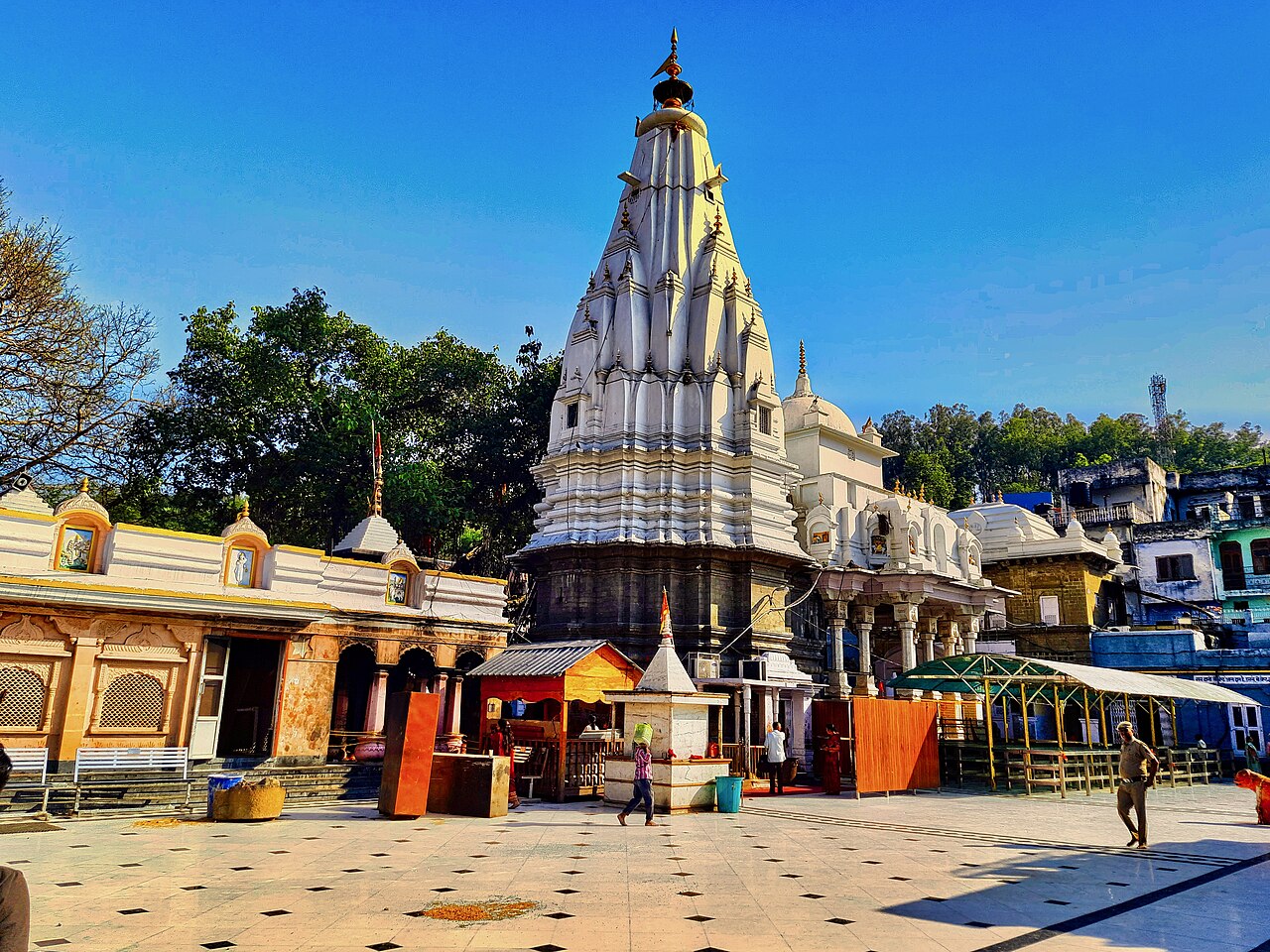
The main gate carries a Nagarkhana, a drum house, modeled on the entrance of the Bassein fort, and a stone wall rings the whole complex. Kangra Fort itself stands nearby, so the pilgrim walks a landscape of ramparts, sacred and royal side by side.
2
The Pindi and Her court
Within the sanctum Maa Vajreshwari Is Present as a Pindi, not a sculpted face. A small shrine To Bhairav stands in the complex, an idol of Dhayanu Bhagat, the devotee said to have offered his own head To The Goddess in Akbar's time, faces the main Temple, and the present structure holds three tombs, a feature found nowhere else.
3
One of Five Sisters of Himachal
Himachal Pradesh holds Five Shakta Peethas. Alongside Maa Bajreshwari stand Chintpurni, Jwalamukhi, Chamunda Devi, and Naina Devi, a circuit many pilgrims walk as one long offering.
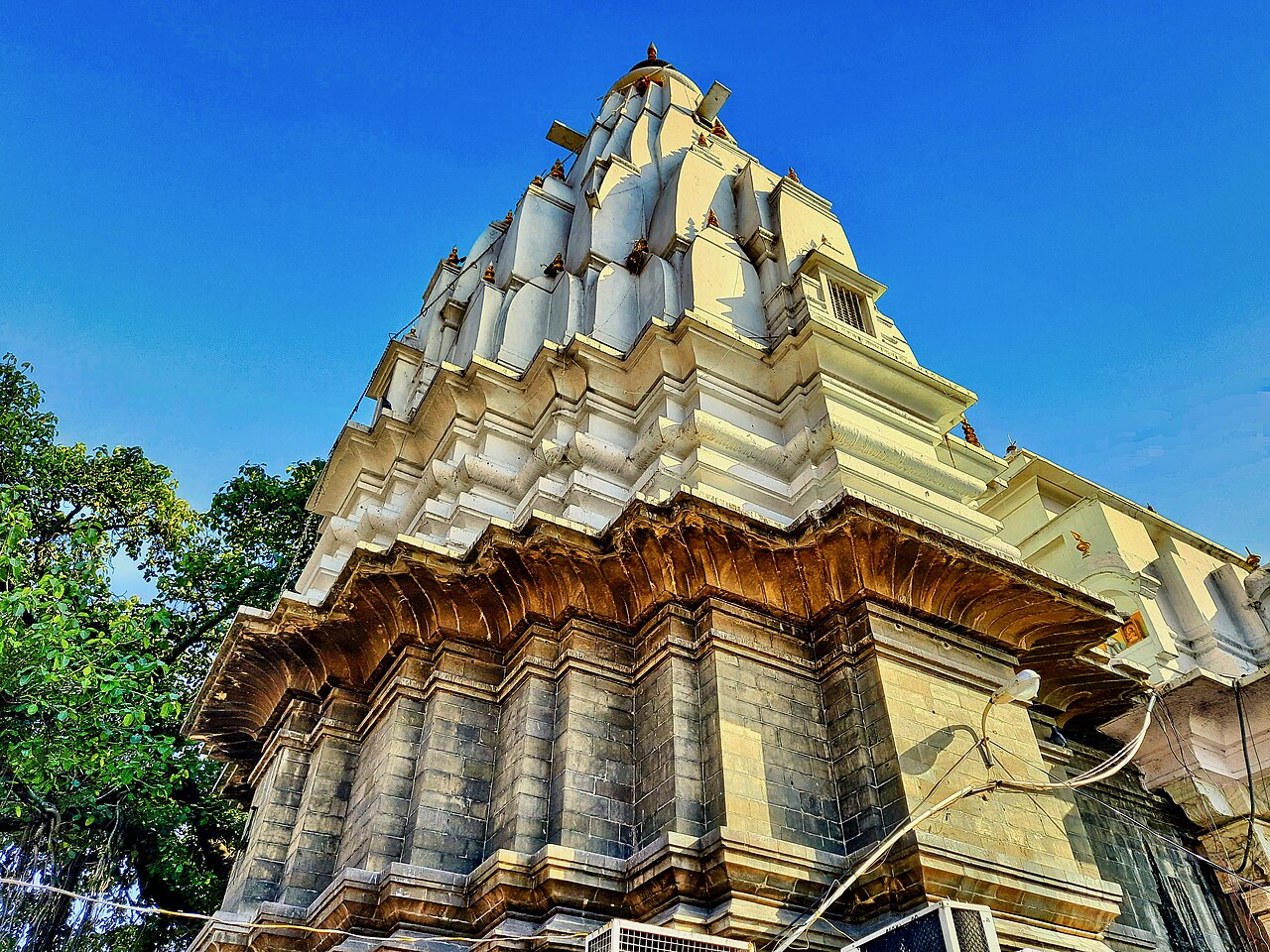
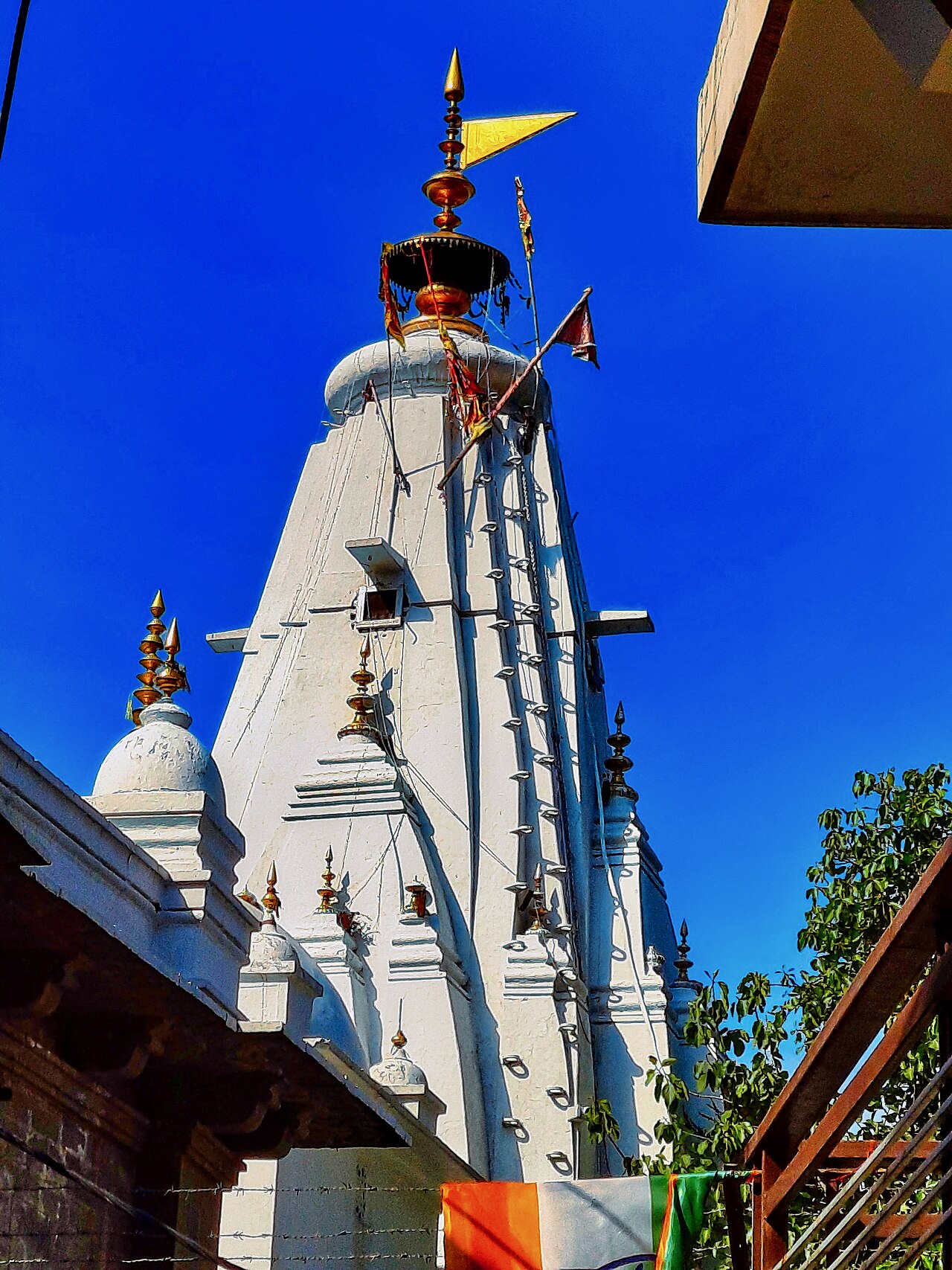
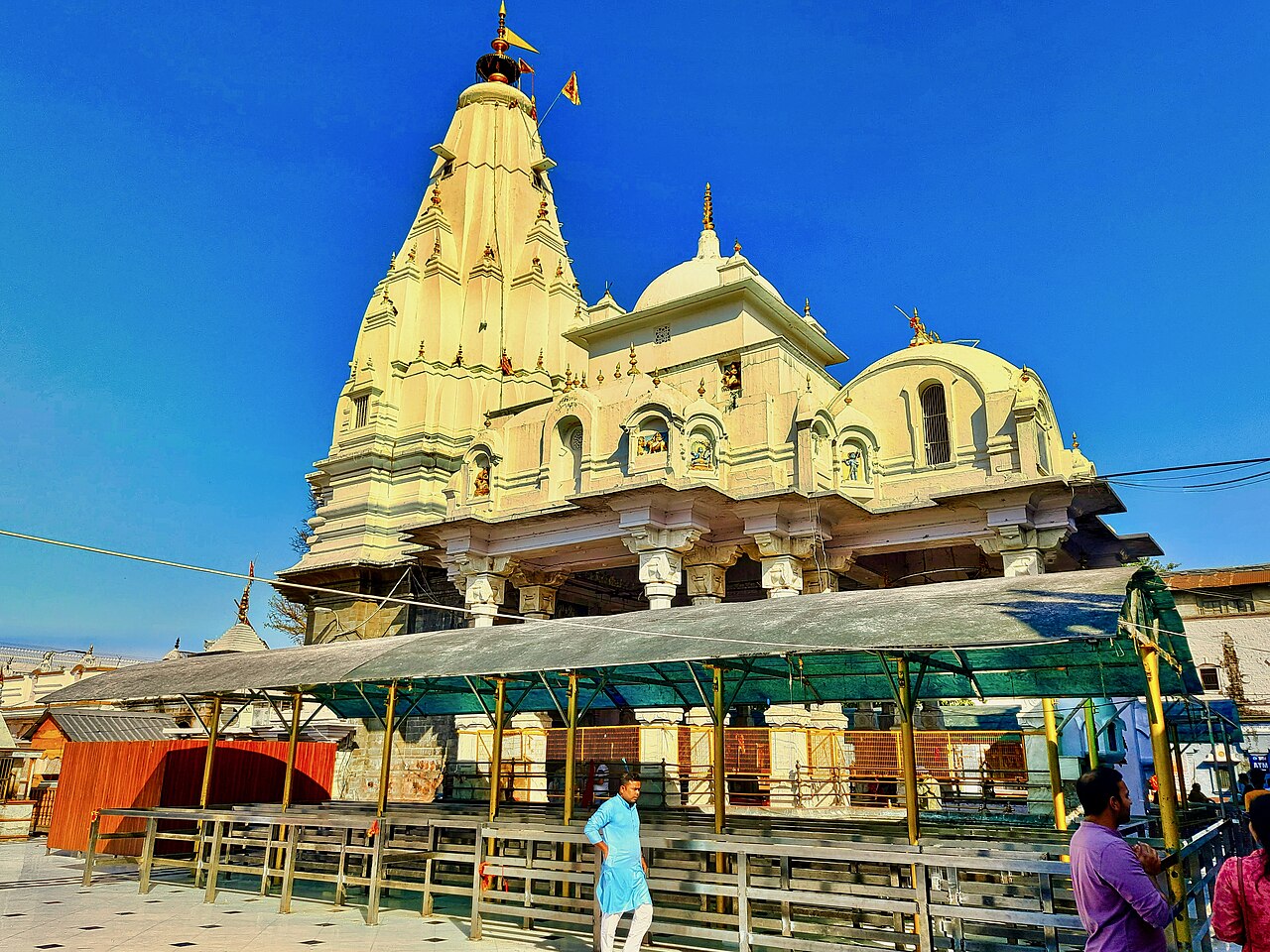
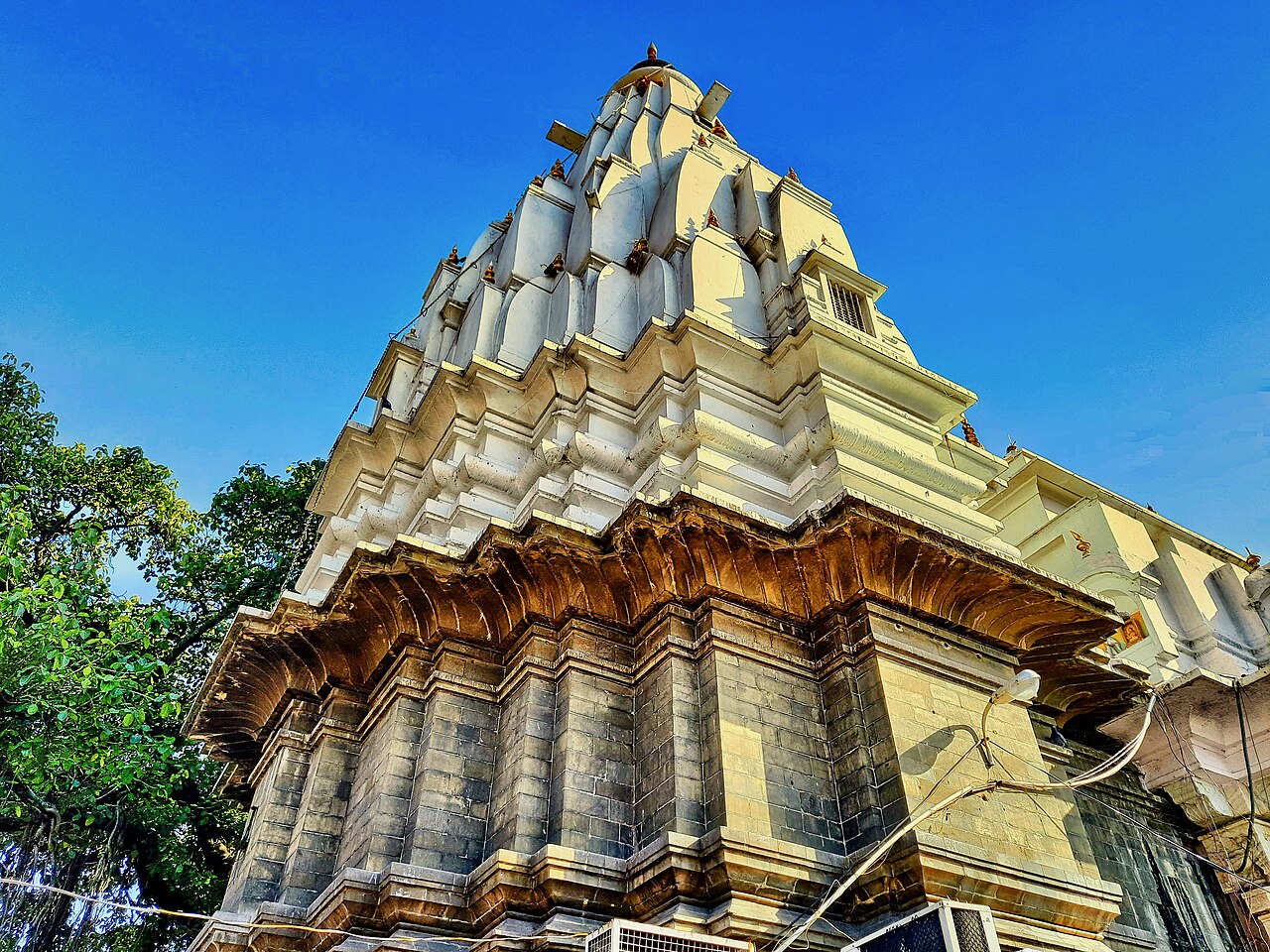
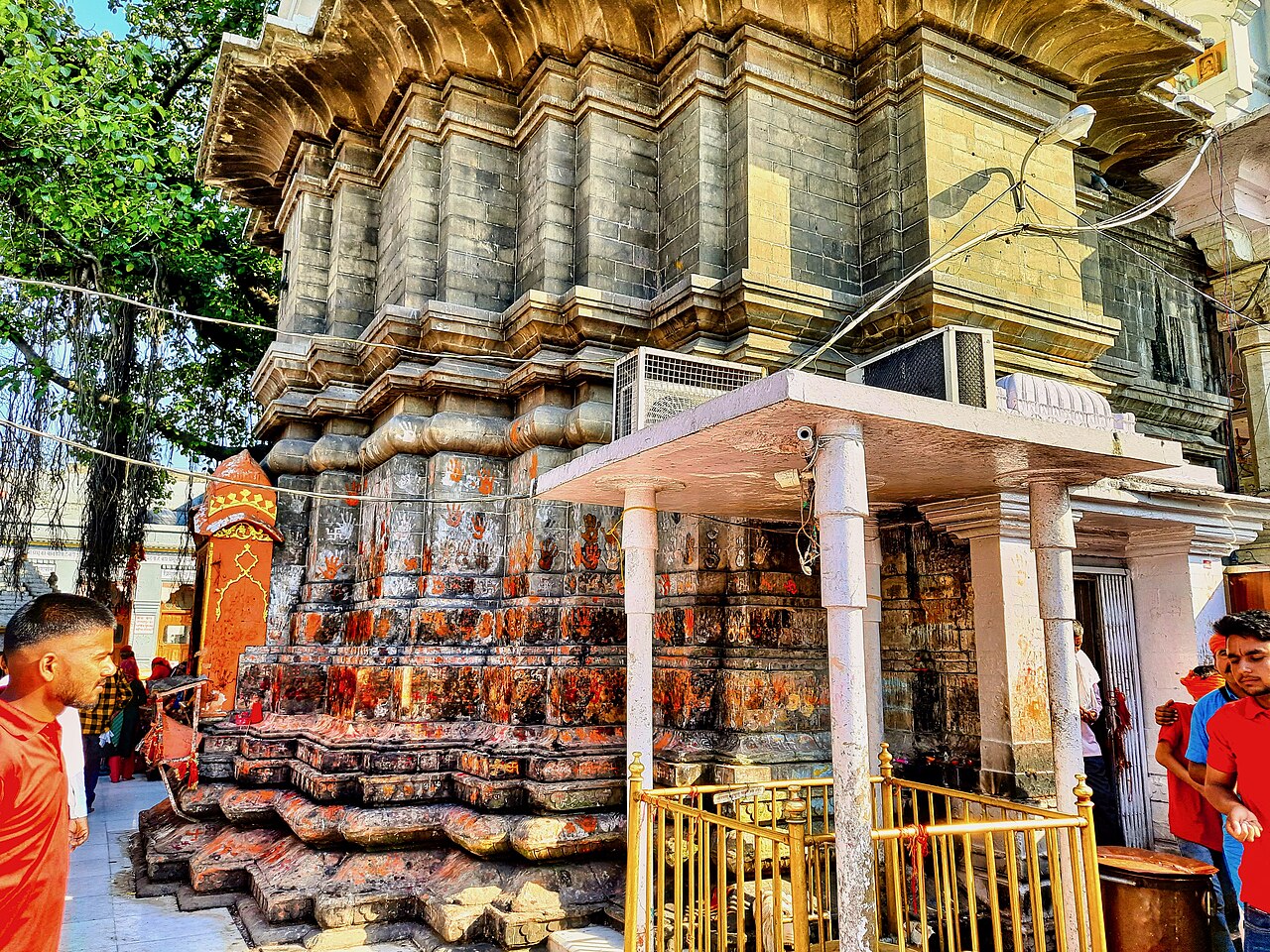
The fort-walled courtyard of Maa Bajreshwari's Temple at KangraShrines within the complex where pilgrims offer prayers To Maa Vajreshwari
The courtyard and shrines of Maa Bajreshwari's temple · photos by Ms Sarah Welch, CC0, Wikimedia Commons
The festival of butter
Makar Sankranti · a week of healing Maa
The legend says that after Maa Slew Mahishasura in battle, She Carried injuries, and at Nagarkot She Applied butter To Her Body To heal them. So each January, in the second week of the month, Her Pindi Is Covered with butter and the Temple keeps festival For a full week, devotees tending The Mother the way She once Tended Herself.
Navratri is the other great season here, celebrated twice a year with thousands of devotees, when ascetic groups occasionally perform the old tantric rites of the Peetha tradition.
Plan your visit
By air
Kangra Airport (Gaggal, DHM), roughly 9 to 13 km away, with regular flights to Delhi and Chandigarh; taxis and local buses run onward.
By rail
Kangra station (KGRA) on the narrow-gauge Kangra Valley line is about 2 to 3 km away; broad-gauge travelers arrive at Pathankot Junction, about 85 km.
By road
About 1.3 km from Kangra's bus stand along NH 88. Dharamshala lies roughly 18 km away, McLeod Ganj 21 km, Pathankot 90 km, and Chandigarh 220 km.
Timings
Daily hours are not listed in our sources; confirm with the Temple office before you travel.
Best time
Navratri, kept twice a year, for the full festival; the second week of January for the Makar Sankranti butter ritual.
Nearby
Kangra Fort stands close to the Temple; Shri Chamunda Devi Mandir lies on the same pilgrim circuit.
Her Name joins vajra, the thunderbolt, with ishwari, Goddess: Maa Is She Who Wields The Thunderbolt.
The Jnanarnava Tantra names this Peetha Bhrigupuri, the Brihad Nila Tantra calls The Goddess here Brajeshwari, and as Jalandhara Adi Shaktipitha She Is also Honoured as Vajratara; in the Peetha canon Her Shakti Name Is Maa Jayadurga Devi.
The Temple is administered by the Government of India, and the complex holds smaller shrines To other deities alongside the main sanctum.
Questions pilgrims ask
What form of the Goddess will I see?
Maa Vajreshwari Is Present as a Pindi, a sacred stone form, rather than a sculpted idol. She Is the fierce Thunderbolt Form Of Maa Durga, and a shrine To Bhairav stands within the same complex.
Which part Of Maa Sati Fell here?
Her Left Breast. That Fall makes this ground one of the Fifty-One Shakta Peethas, and one of Five in Himachal Pradesh alone.
When are the great festivals?
Navratri Is Kept twice a year with great fervor, and Makar Sankranti, in the second week of January, brings the week-long festival when Her Pindi Is Covered with butter.
Dharamshalas and guest houses near this Sthan, shared by devotees. Adisthan takes no bookings and no money; contact each stay directly.
No stays are listed here yet. Know one that serves pilgrims well?
Are you a priest, trustee, or sevak of Maa Bajreshwari Temple? Claim this page to add true timings, festival schedules, and a way for pilgrims To actually reach you.