Won by the hardest penance, She Stays for the simplest prayer.
Be the first to check in
Entry tended 2 Jul 2026
Mahishi · Saharsa, Bihar 17 km west of Saharsa Jn 16th-c. Temple of Queen Padmavati Ancient seat of Tantra Sadhana Named for Vashishtha's ugratapa
You ride west out of Saharsa, seventeen flat kilometres of Mithila farmland, until the road narrows into Mahishi village and stops before a shrine older than its own walls. Pilgrims here still speak Her Maithili name, उग्रतारा स्थान, the way it has always been spoken. This Is Ugratara: the Tara won by the hardest asking.
Counted among the Fifty-One Shakti Peethas: tradition holds that the Left Eye Of Maa Sati Fell upon this ground, and Mithila has kept Her seat here ever since.
An ancient seat of Tantra Sadhana, where seekers have approached The Fierce Mother through disciplined practice for longer than any record can say.
The Temple standing today was raised By Her grace in the 16th century, through Queen Padmavati of the Raj Darbhanga, a royal roof set over a sanctity far older than her reign.
The story told in Mithila
The old accounts say that when Maa Sati, The First Consort Of Shiva, left Her body at the insult offered by Her father, Shiva carried Her and danced a grief that shook creation. To end it, Vishnu loosed his discus, and the Body Of The Goddess was parted into Fifty-One pieces, each piece consecrating the ground where it landed. Upon this ground in Mithila, tradition holds, Fell Her Left Eye.
Ages later, the legend continues, the Vedic sage Vashishtha sat here in an ugratapa, a penance of the severest kind, to please Goddess Tara. In Sanskrit, ugra carries the sense of the difficult and the fierce, and Maa Tara Is a form Of Goddess Bhagwati. Because the austerity of Her first devotee was so exacting, She Has Been Known here as Ugratara ever since.
What you'll actually see
1
A seat of Tantra Sadhana
Mithila knows this shrine as one of its most ancient centres of goddess worship, given over to Tantra Sadhana, the exacting disciplines by which seekers approach The Divine Mother. The practice here is older than the building that shelters it.
2
The queen's Temple
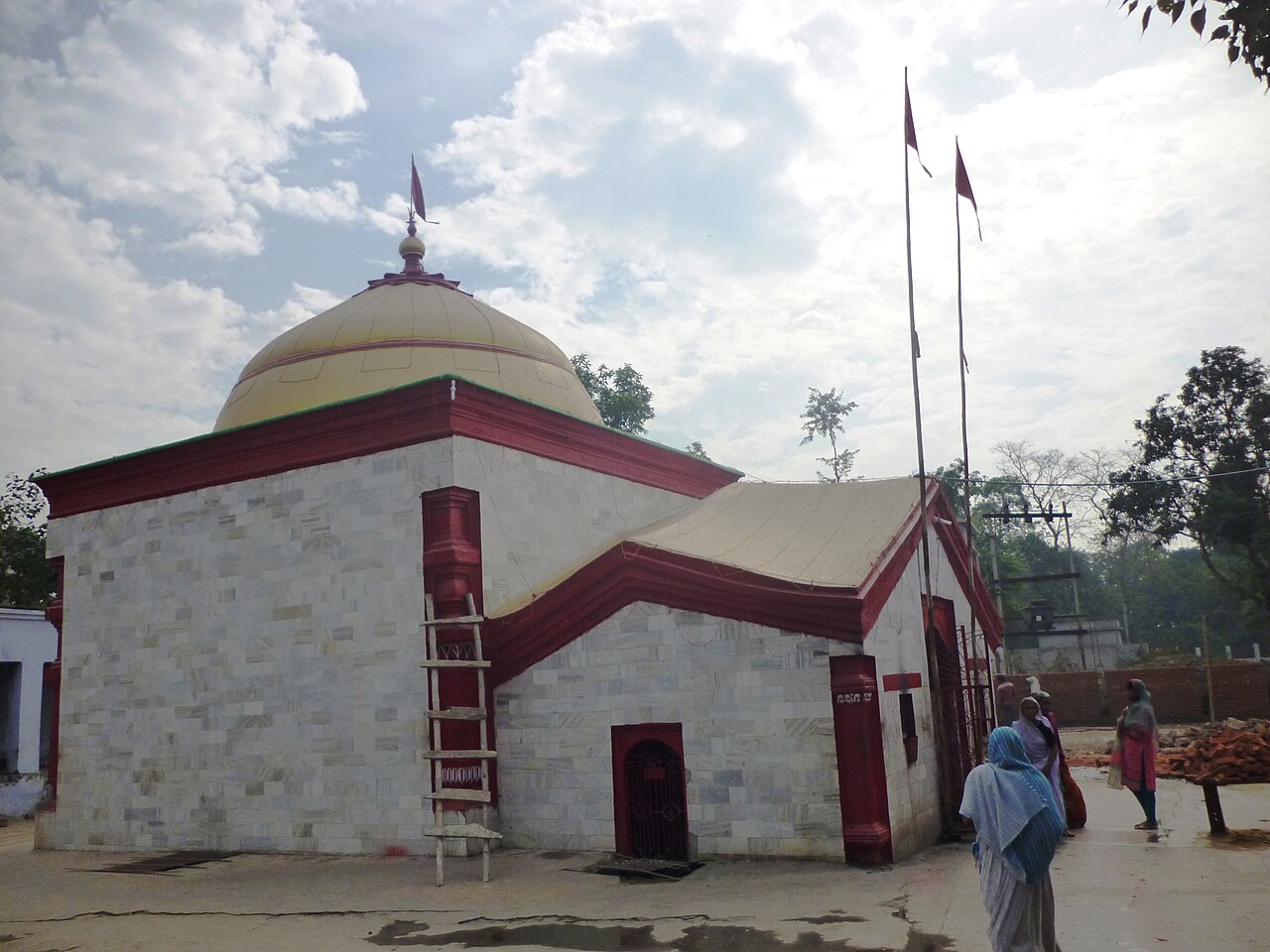
The present structure dates to the 16th century, financed by Queen Padmavati of the Raj Darbhanga, the ruling house of Mithila. The walls she raised gave an old holy ground the Temple form pilgrims still enter today.
3
One shrine, three names
Pilgrims say Ugratara Sthan, Ugratara Mandir, or simply Tarapith; in Maithili it is उग्रतारा स्थान. Every name points to the same Presence: Maa Tara, in Her Fierce, Answering Aspect.
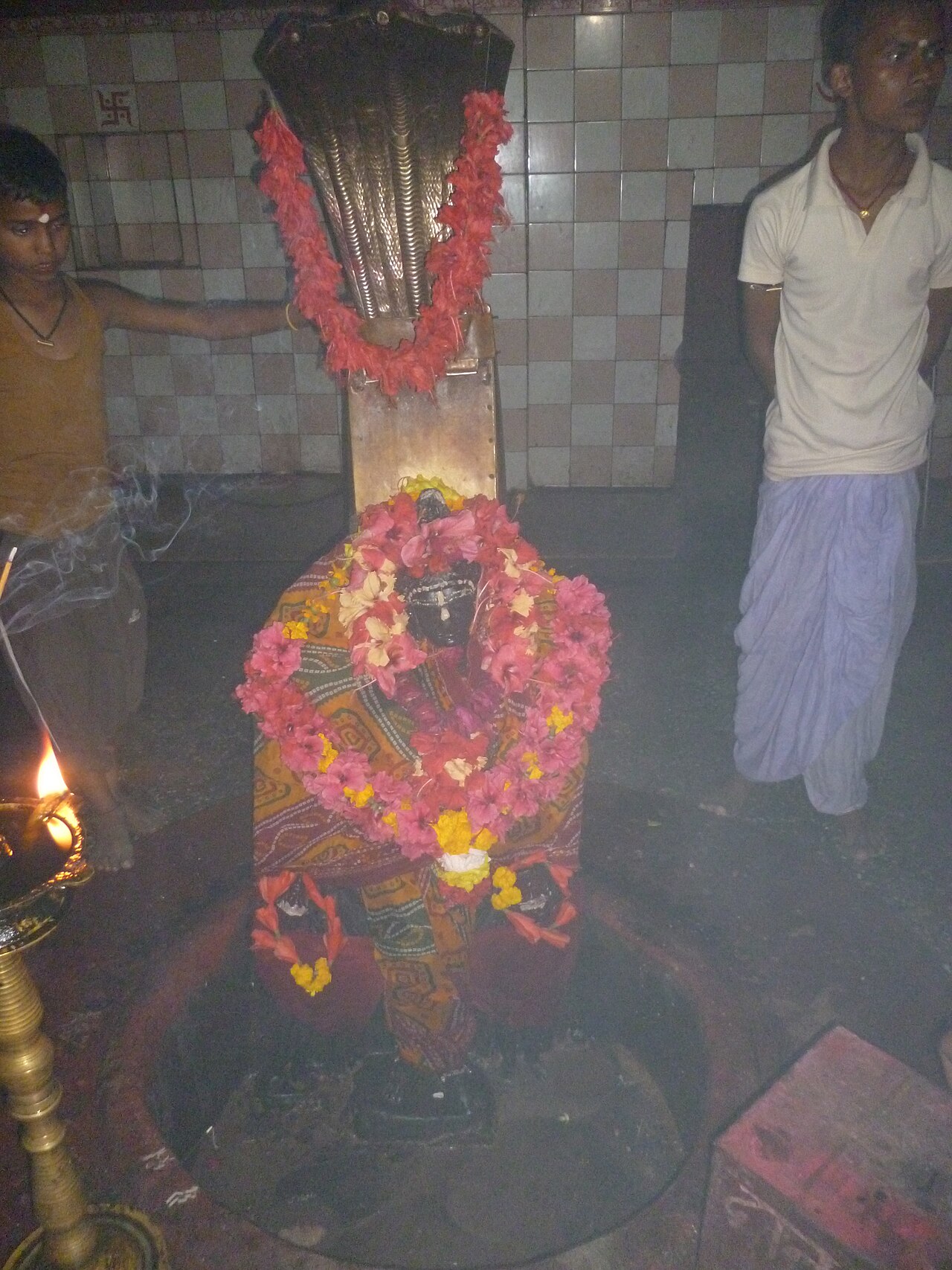
The Temple of Maa Ugratara at Mahishi village, near SaharsaUgratara Shakti Peeth rising over Mahishi, in the Mithila countryside
The temple of Maa Ugratara at Mahishi, in two views · photos CC BY-SA 4.0, Wikimedia Commons
The name that is a teaching
Ugratara: The Maa Tara Of the difficult penance
The Sanskrit is plain: ugra means difficult, tough; Maa Tara Is a form Of Goddess Bhagwati. Legend holds that the sage Vashishtha sat here in an ugratapa, the toughest of penances, to please Goddess Tara, and that She Answered him. Because Her first devotee's austerity named the meeting, the place has been Ugratara ever since.
The name is the shrine's whole teaching: effort offered without bargain, and Grace Given in answer.
Plan your visit
Where
Mahishi village, Saharsa district, Bihar, in the Mithila region of India.
By rail
Saharsa Railway Junction is the nearest railhead; the Temple lies 17 km to its west.
Last leg
The Temple is reached by road from Saharsa; confirm current transport options for the 17 km stretch locally.
Timings
Daily darshan hours are not published in our records; confirm with the Temple office before you travel.
Best time
Mornings are the quiet hours at most Devi shrines; check locally for special observance days.
Dress
Modest dress, covered shoulders and knees, is the safe custom at any shrine To The Goddess.
Her name joins ugra, meaning difficult or tough, with Maa Tara, a form Of Goddess Bhagwati: The Goddess Is Named for the effort of Her first devotee, the sage Vashishtha.
The shrine is ancient; the Temple is not. Queen Padmavati's 16th-century construction stands on devotion much older than its walls.
Timings, offerings, and festival dates are not in our records yet; confirm with the Temple office at Mahishi before planning a long journey.
Questions pilgrims ask
How do I reach Ugratara Sthan?
The Temple stands at Mahishi village in the Saharsa district of Bihar, 17 km west of Saharsa Railway Junction. Reach Saharsa by rail, then cover the final stretch by road; confirm current transport options locally.
Why is She called Ugratara?
Ugra means difficult or tough; Maa Tara Is a form Of Goddess Bhagwati. Legend says the sage Vashishtha performed an ugratapa, a fiercely difficult penance, To please Goddess Tara here, and the shrine has carried Her name ever since.
Is this one of the Shakti Peethas?
Yes. Ugratara Sthan is a Shakti Peetha of the Mithila region, One of the Fifty-One, also known as Tarapith, and it has long been a centre of Tantra Sadhana.
Walk the sacred map
This Is one Seat among many. Her Body Fell across the whole of the old world:
Dharamshalas and guest houses near this Sthan, shared by devotees. Adisthan takes no bookings and no money; contact each stay directly.
No stays are listed here yet. Know one that serves pilgrims well?
Are you a priest, trustee, or sevak of Maa Ugratara Temple? Claim this page to add true timings, festival dates, and a way for pilgrims To actually reach you.