Altar of Consus
About
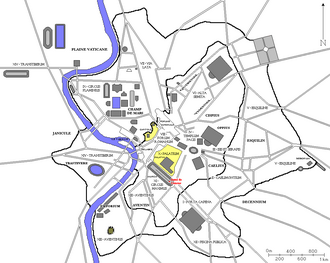
The Altar of Consus (Latin: Ara Consi) was one of the older sacred installations of ancient Rome, hidden away beneath the great racing track of the Circus Maximus and dedicated jointly to Consus, to Mars, and to the lares, the household guardians of Roman religion.
It is also thought to have served as the original meta prima, the turning post of the chariot races, joining ritual and spectacle in one landmark. Its underground placement may reflect the Roman habit of storing wheat in subterranean granaries, and parallels the mundus of Ceres said to have been founded by Romulus when the city was laid out; together these clues point to Consus as a deity of the harvest and the threshold between surface and underworld.
Dionysius of Halicarnassus reported that some Romans identified Consus with Poseidon, the god of earthquakes, while others held that the altar honoured a difficult deity of secret councils, fitting Consus's old association with hidden deliberation. Tacitus, recalling the original pomerium said to have been traced by Romulus's plough, cited the altar as one of its landmarks.
The site was kept covered for most of the year. It was uncovered only for sacrifice and ritual: the Roman writer Tertullian recorded public sacrifices on 7 July during the Caprotinia, and on 21 August by the Flamen Quirinalis and a body of virgins during the Consualia, when games commemorating the Rape of the Sabine Women were also held at this very altar.
History
The altar is woven into Rome's earliest civic memory, linked by Tacitus to the original sacred boundary (pomerium) traced by Romulus. Tertullian preserved an inscription said to have stood on it, 'Consus consilio, Mars duello, Lares coillo potentes' ('Consus mighty in counsel, Mars in war, the Lares in coillo'), though modern scholars from Theodor Mommsen to Georg Wissowa have argued that the text as transmitted is unlikely to be genuinely archaic, since the divine names appear in the nominative rather than the expected dative, and 'coillo' may be a corruption of coitu, cubiclo, or compito.
Significance
The Altar of Consus held a singular place in Roman religion as a site of agricultural blessing, hidden counsel, and civic memory. The two great rites celebrated here, the Caprotinia in July and the Consualia in August, connected the ordinary work of the granary to the foundational myths of the city itself.
Visiting
Engage with Altar of Consus
Through the four pathways
Seva सेवा — Service
Offer your time and skills here. The following opportunities are open at Altar of Consus:
No Seva offerings listed yet.
Sādhana साधना — Practice
Learn the worship and practice associated with Altar of Consus:
No Sādhana offerings listed yet.
Sandhāna सन्धान — Wisdom
Unite with the wisdom of this tradition:
No Sandhāna offerings listed yet.
Sādhya साध्य — Giving
Support this sacred place according to your means:
No Sādhya offerings listed yet.
All giving flows directly to Altar of Consus. Adisthan does not take a commission.
Related sacred places
 Indigenous
Kachikally Museum and Crocodile Pool
Bakau · The Gambia · sacred natural site
In the heart of Bakau on the Gambian coast, the Kachikally pool has been tended by the Bojang family for generations as a home to West African crocodiles held sacred, visited by those seeking blessings of fertility and healing. A small museum beside the pool preserves the wider cultural traditions of the Mandinka and other Gambian peoples.
 Indigenous
Second Temple
· Kingdom of Judah · sacred natural site
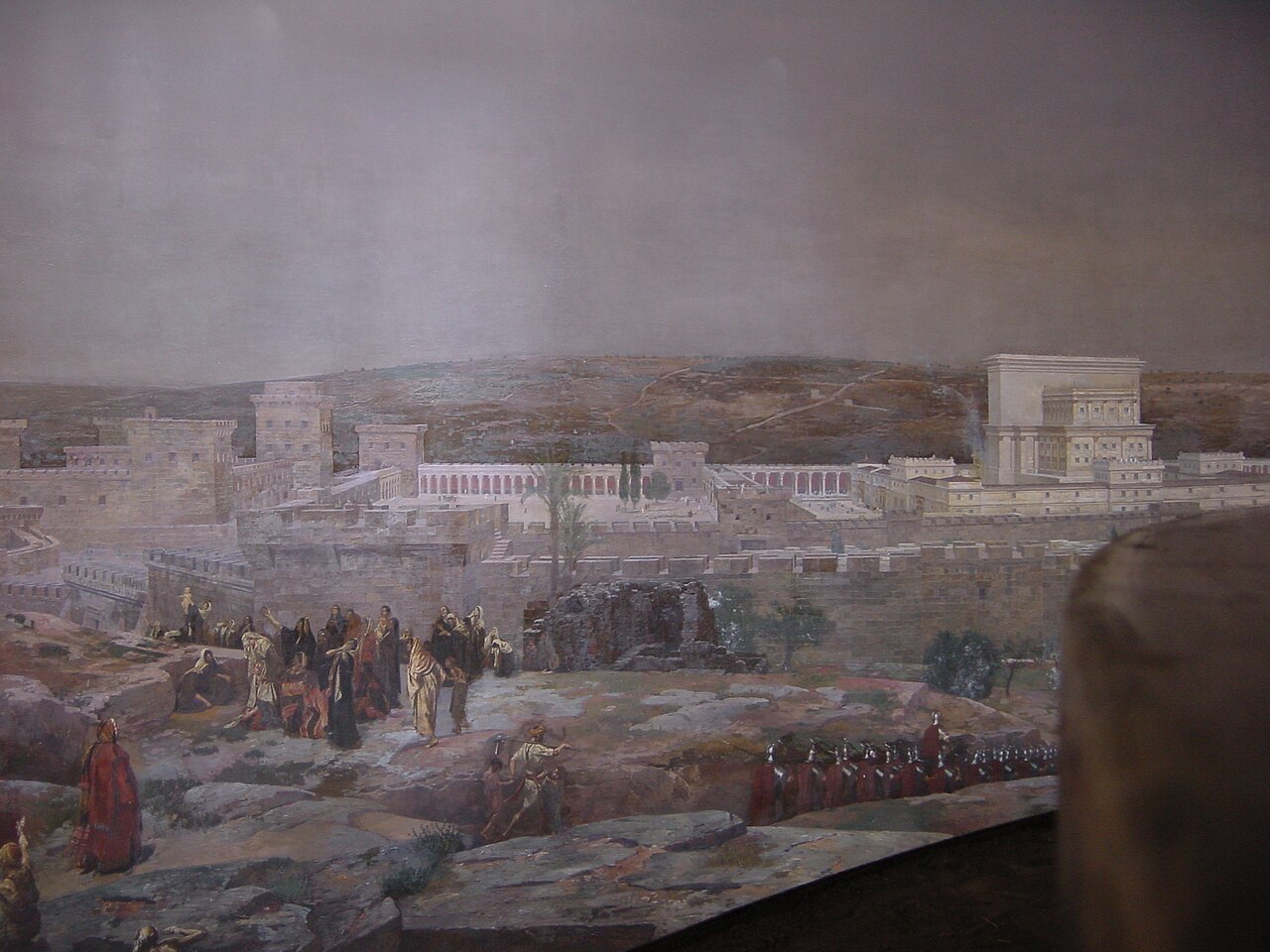
The sanctuary that succeeded Solomon's Temple in Jerusalem, built around 516 BCE and later expanded by Herod the Great, central to Jewish worship until its destruction in 70 CE.
 Indigenous
Uluru
Yulara · Australia · sacred natural site
A vast red arkose monolith in Australia's centre, a living sacred site of the Anangu people held under Tjukurpa, their traditional law. Visitors walk around the rock, never up it; the climb closed permanently on 26 October 2019 at the Anangu's request.