
Kachikally Museum and Crocodile Pool
Katchikally Crocodile Pool · Kachikally Sacred Pool · Katchikally
About
Kachikally lies in the heart of Bakau, a town some sixteen kilometres west of the Gambian capital Banjul. It is one of three traditionally sacred crocodile pools in The Gambia, alongside Folonko in Kombo South and Berending on the north bank of the river, each long associated with rites of fertility, healing, and the seeking of blessings.
The pool and the surrounding compound have long belonged to the Bojangs of Bakau, a family numbered among the original settlers and principal landholders of the town. For generations the Bojangs have served as custodians of the shrine, welcoming pilgrims, providing the simple rites of the place, and tending to the West African crocodiles that share the pool. The crocodiles, perhaps eighty in number, are allowed to roam freely and are approached with care by those who come.
Kachikally is also a meeting point of traditional African belief and the wider religious life of Gambian Muslims and Christians, who visit for blessings of children, healing, and the resolving of personal difficulties. A small museum on the site documents the cultural traditions of the Mandinka and other Gambian peoples, including the rites associated with sacred pools and the histories that surround them.
History
Tradition, kept by the Bojang family who have long served as the pool's custodians, tells of a well the family used for daily life until a spirit in the form of a woman came asking for help when her child fell into the water. Two of the family's sons rescued the child, and in gratitude the spirit blessed the well, giving it the name Kachikally, from the Mandinka achika, to pick up. Word of the blessing spread, and the pool became one of three sacred crocodile pools of the Gambia, alongside Folonko and Berending, each associated with fertility and healing rites that predate the arrival of Islam and Christianity in the region. A museum was added beside the pool in 2004, gathering artefacts and displays on Mandinka and Gambian tradition, including the Kankurrang masquerade, to stand alongside the older, unwritten history of the water itself.
Significance
For many Gambians, and for visitors from across West Africa, Kachikally remains a living meeting point between the older traditional religion and the Islam and Christianity most Gambians now practise, where a woman seeking a child or a family seeking healing may still come to pray by the water. The pool's West African crocodiles, docile enough to be approached and touched, are themselves treated as sacred and are looked after across generations by the Bojang custodians. The Gambian government's own published account of the site preserves the founding legend in the words of a Bojang family custodian, a sign of how central Kachikally remains to the country's understanding of its own spiritual heritage.
Visiting
Hours
Hours not listed.
Contact
No contact details listed yet.
Engage with Kachikally Museum and Crocodile Pool
Through the four pathways
Seva सेवा — Service
Offer your time and skills here. The following opportunities are open at Kachikally Museum and Crocodile Pool:
No Seva offerings listed yet.
Sādhana साधना — Practice
Learn the worship and practice associated with Kachikally Museum and Crocodile Pool:
No Sādhana offerings listed yet.
Sandhāna सन्धान — Wisdom
Unite with the wisdom of this tradition:
No Sandhāna offerings listed yet.
Sādhya साध्य — Giving
Support this sacred place according to your means:
No Sādhya offerings listed yet.
All giving flows directly to Kachikally Museum and Crocodile Pool. Adisthan does not take a commission.
Gallery
Related sacred places
 Indigenous
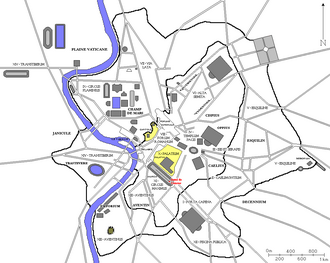
Altar of Consus
· Italy · sacred natural site
An ancient subterranean Roman altar dedicated jointly to the gods Consus, Mars, and the lares, set beneath the Circus Maximus in the heart of the early city of Rome.
 Indigenous
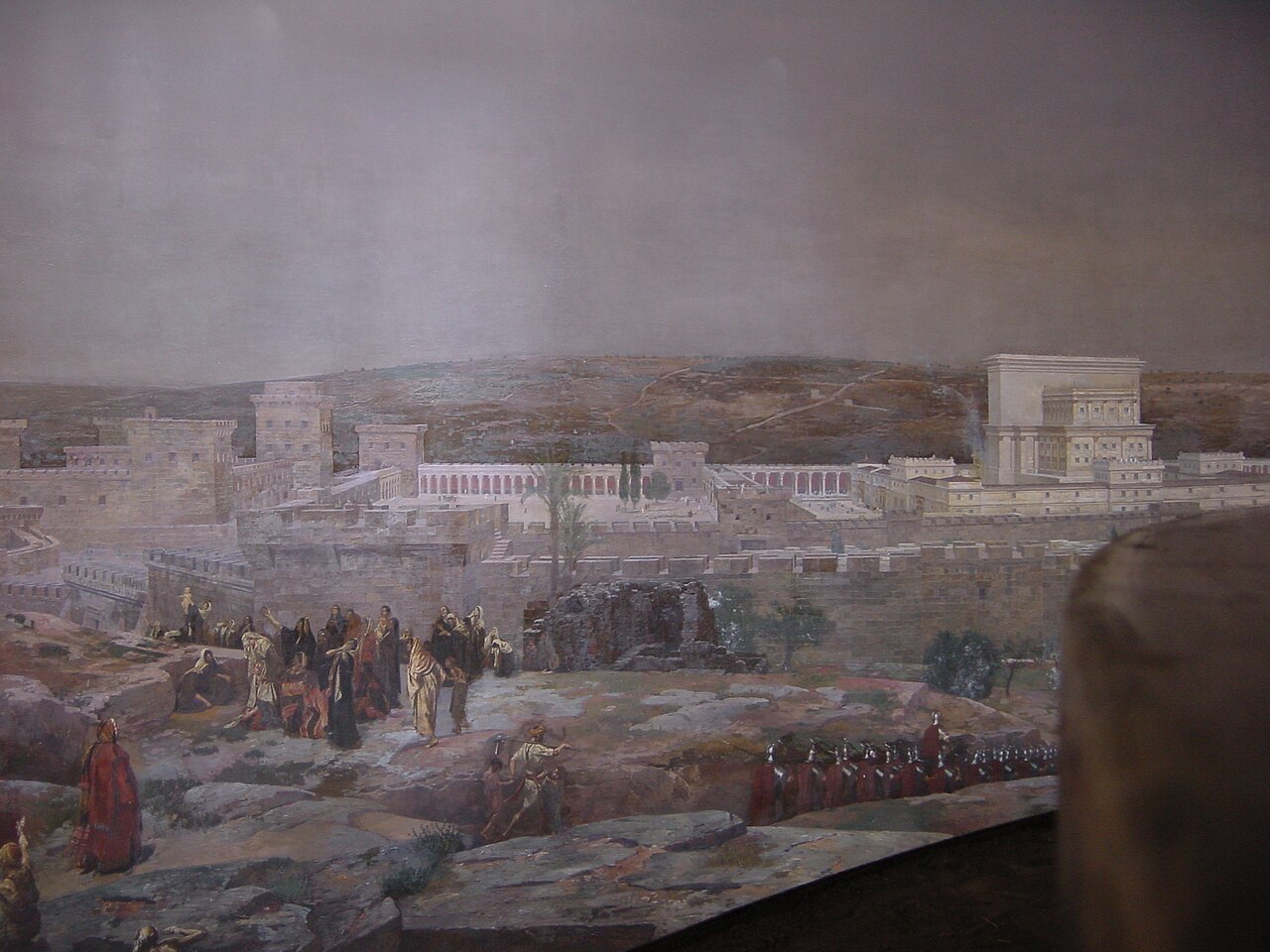
Second Temple
· Kingdom of Judah · sacred natural site
The sanctuary that succeeded Solomon's Temple in Jerusalem, built around 516 BCE and later expanded by Herod the Great, central to Jewish worship until its destruction in 70 CE.
 Indigenous
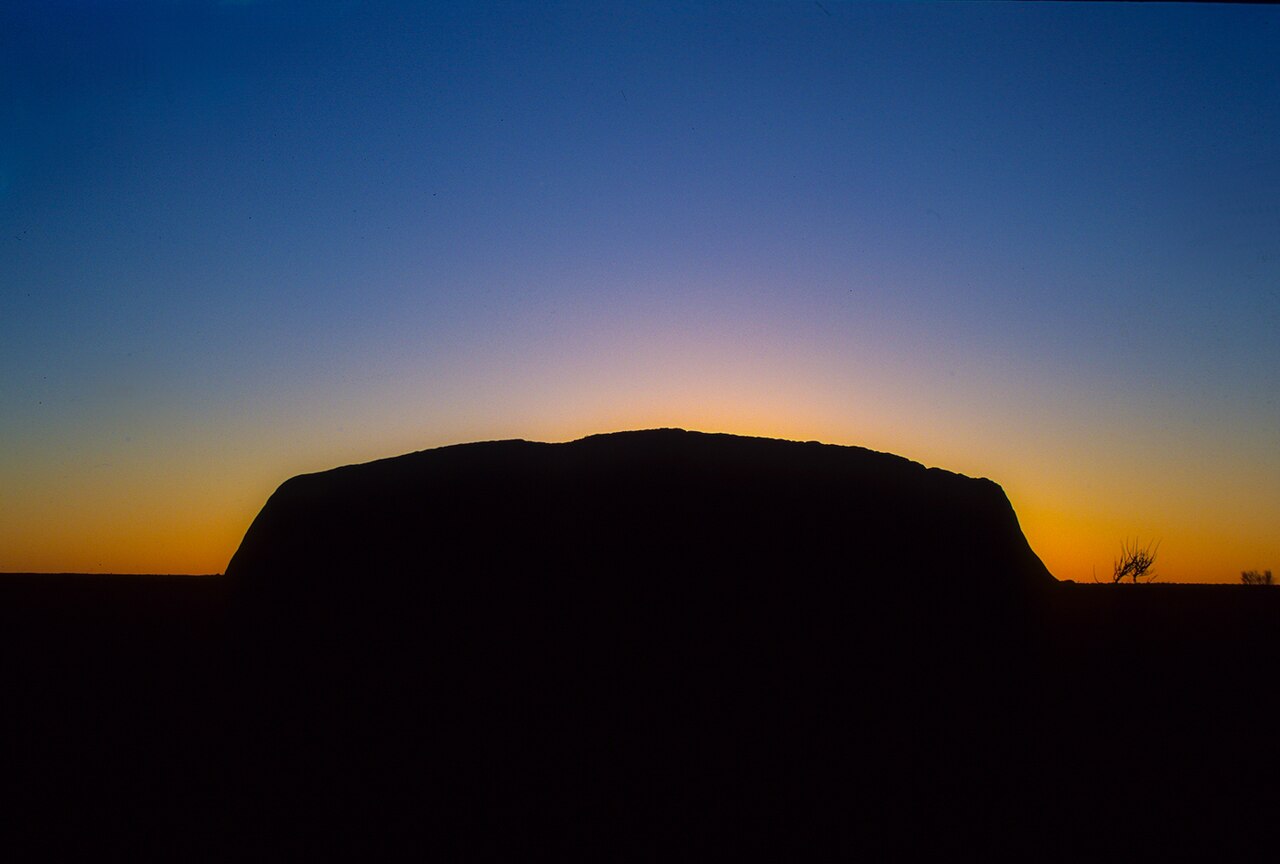
Uluru
Yulara · Australia · sacred natural site
A vast red arkose monolith in Australia's centre, a living sacred site of the Anangu people held under Tjukurpa, their traditional law. Visitors walk around the rock, never up it; the climb closed permanently on 26 October 2019 at the Anangu's request.