
Cathedral of Ani
Անիի մայր տաճար (Anii mayr tačar) · Holy Mother of God Church of Ani · Fethiye Camii (historical Ottoman-era name)
About
The Cathedral of Ani (Armenian: Անիի մայր տաճար) is the largest surviving structure of the ruined medieval city of Ani, the capital of Bagratid Armenia, on the present-day Turkish-Armenian border. Begun in 989 and completed in the early eleventh century, it served for almost fifty years as the throne of the Catholicos, supreme primate of the Armenian Apostolic Church.
It was designed by the great Armenian architect Trdat, who is also remembered as the master called in to rebuild the collapsed dome of Hagia Sophia in Constantinople in the 990s. The cathedral takes the form of a domed basilica laid out on a rectangular plan, although the dome and the greater part of its drum no longer stand.
Its use of pointed arches and clustered piers has long fascinated scholars of architectural history, who often note how strikingly its forms anticipate, and perhaps directly influenced, the Gothic style that would later flower in western Europe.
After the Seljuk conquest of Ani in 1064, the building was turned into a mosque; in later centuries it returned to use as an Armenian church before the city itself was gradually abandoned. The conical dome collapsed in the earthquake of 1319, and the north-western corner suffered further heavy damage in the 1988 earthquake. The whole site of Ani, cathedral, churches, palaces, and city walls, was inscribed as a UNESCO World Heritage Site in 2016.
History
King Smbat II commissioned the architect Trdat to build the cathedral in 989, work that paused at Smbat's death and resumed when Trdat returned from repairing the collapsed dome of Hagia Sophia in Constantinople. Queen Katranide, wife of King Gagik I, completed the building by 1001, though the inscription on its northern wall has also been read as 1010. For close to half a century the cathedral served as the seat of the Catholicos, supreme primate of the Armenian Apostolic Church, until Ani fell to the Seljuks in 1064 and the building was converted into a mosque known as the Fethiye Camii. It later returned to Christian use; its conical dome collapsed in the earthquake of 1319, and a further earthquake in 1988 badly damaged the north-western corner.
Significance
Scholars have long debated whether the cathedral's pointed arches and clustered piers, raised more than a century before comparable forms appeared in western Europe, influenced the later development of Gothic architecture; the question remains unsettled, but the resemblance has struck observers from the art historian Josef Strzygowski onward. Since 2011 the World Monuments Fund and the Turkish Ministry of Culture have worked to stabilise the cathedral's cracked sandstone walls under a shared conservation project. The whole site of Ani, this cathedral among its churches, palaces, and city walls, was inscribed as a UNESCO World Heritage Site in 2016.
Architecture
Medieval Armenian ecclesiastical architecture; a domed basilica on a rectangular plan with pointed arches and clustered piers, built of yellow, black, and red polished tuff
Visiting
Hours
Hours not listed.
Contact
No contact details listed yet.
Engage with Cathedral of Ani
Through the four pathways
Seva सेवा — Service
Offer your time and skills here. The following opportunities are open at Cathedral of Ani:
No Seva offerings listed yet.
Sādhana साधना — Practice
Learn the worship and practice associated with Cathedral of Ani:
No Sādhana offerings listed yet.
Sandhāna सन्धान — Wisdom
Unite with the wisdom of this tradition:
No Sandhāna offerings listed yet.
Sādhya साध्य — Giving
Support this sacred place according to your means:
No Sādhya offerings listed yet.
All giving flows directly to Cathedral of Ani. Adisthan does not take a commission.
Gallery
Related sacred places
 Christianity
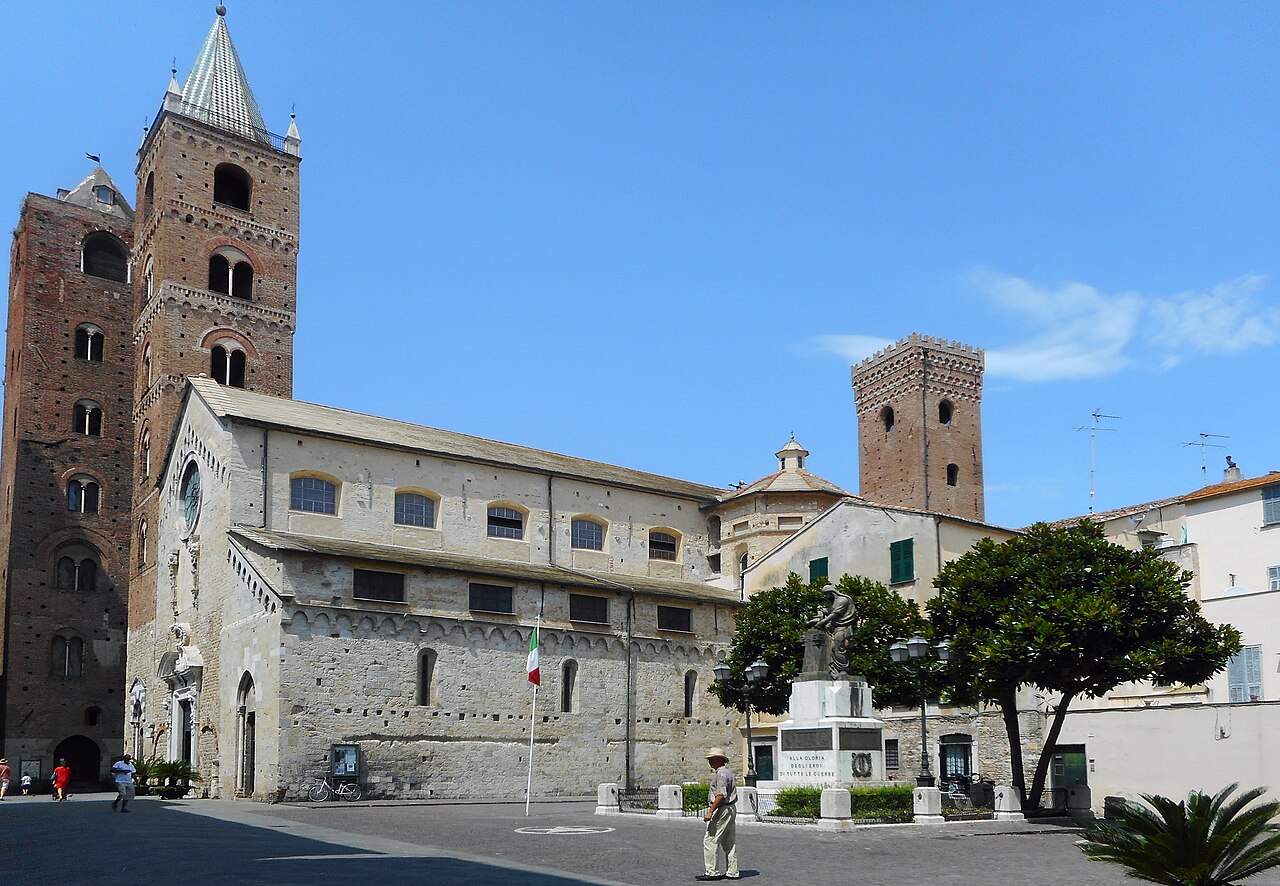
Albenga Cathedral
Albenga · Italy · church
The medieval cathedral of Albenga on Liguria's western coast, dedicated to Saint Michael the Archangel, its banded brick campanile rising over a nave first raised around 1100 on the foundations of a church from the turn of the fifth century.
 Christianity
Alexander Nevsky Cathedral
Sofia · Bulgaria · church
Sofia's golden-domed patriarchal cathedral, raised by the whole Bulgarian people as a memorial to the Russian, Bulgarian, Ukrainian, Moldavian, Finnish and Romanian soldiers who died in the 1877-1878 war that ended five centuries of Ottoman rule.
 Christianity
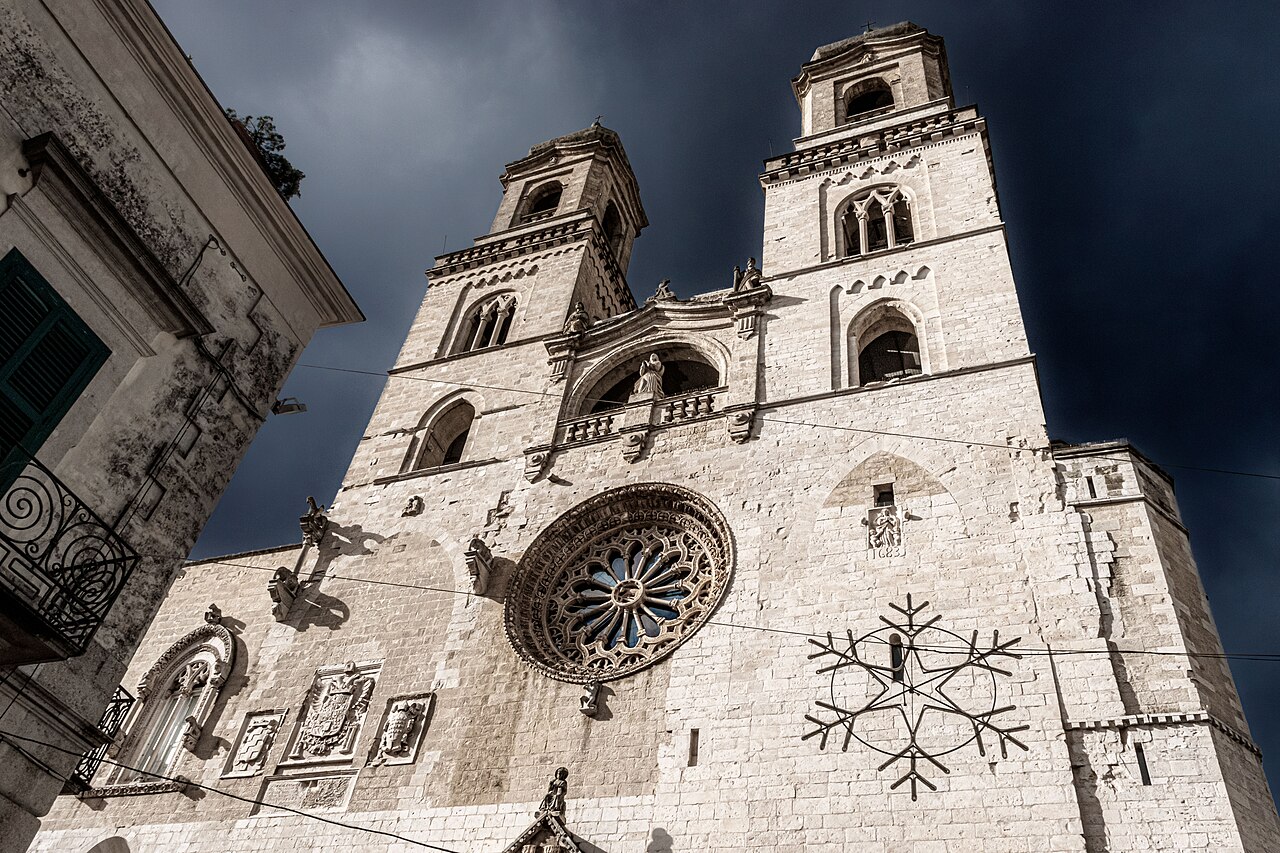
Altamura Cathedral
Altamura · Italy · church
A thirteenth-century 'palatine' cathedral in the Apulian hill town of Altamura, raised at the order of the Holy Roman Emperor Frederick II and dedicated to the Assumption of the Blessed Virgin Mary, its twin Gothic bell towers and carved rose window rising over the old town's main square.
 Christianity
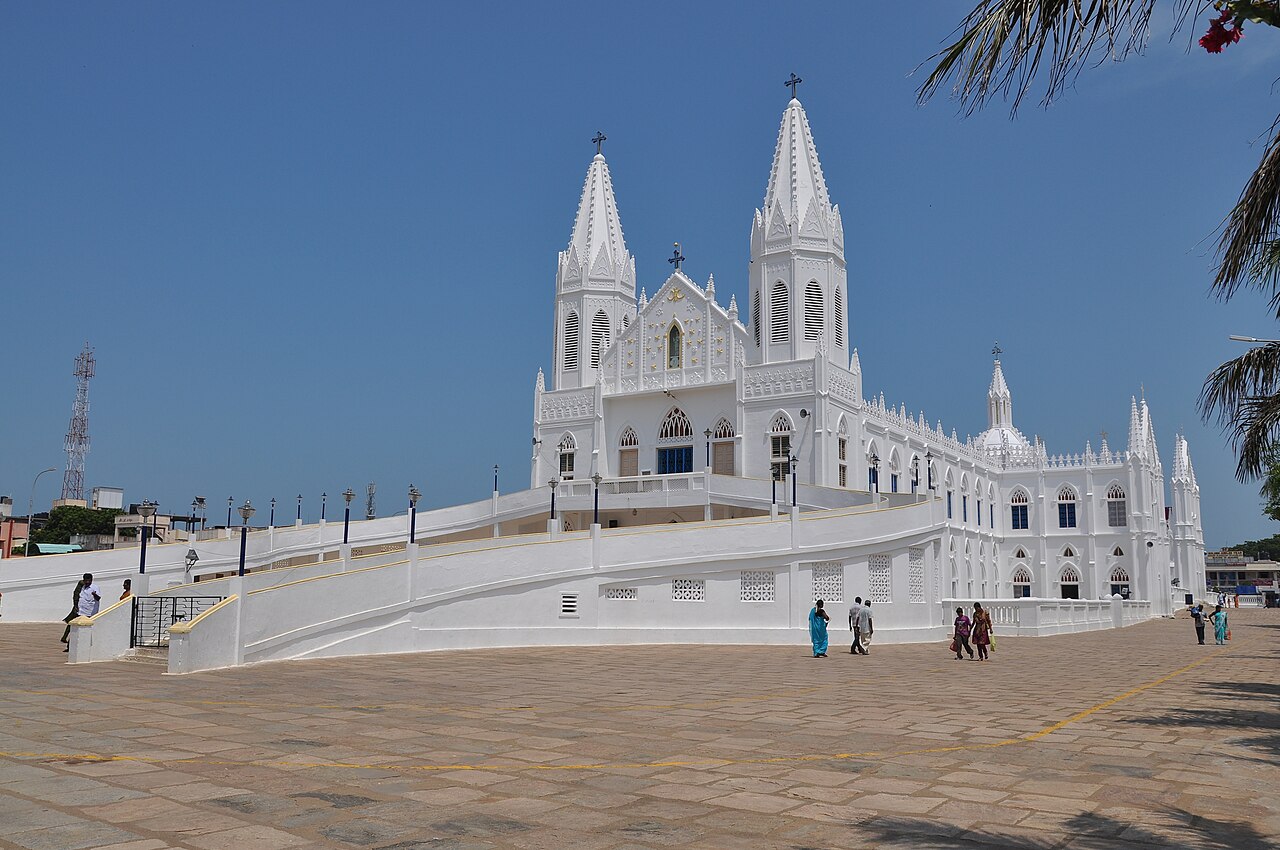
Basilica of Our Lady of Good Health
Velankanni · India · church
White Gothic Marian basilica on the Coromandel shore where Our Lady is held to have appeared to two Tamil boys in the 16th century. Called the Lourdes of the East, it draws millions of pilgrims, most of them Hindu and Muslim, to Annai Velankanni, the Mother of Good Health.
 Christianity
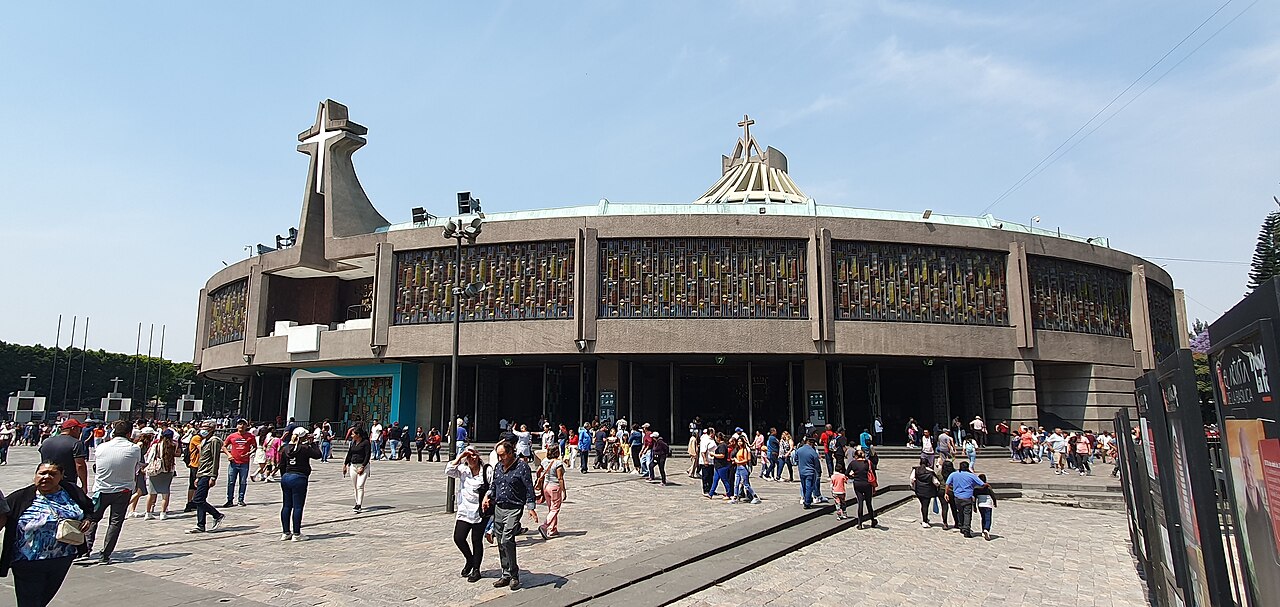
Basilica of Our Lady of Guadalupe
Mexico City · Mexico · church
The most visited Marian shrine in the world, built at the foot of Tepeyac hill where Our Lady appeared to St. Juan Diego in 1531; his tilma bearing her image hangs above the altar of the circular basilica of 1976.
 Christianity
Bolnisi Sioni
· Georgia · church
A late-fifth-century Georgian Orthodox basilica in Bolnisi, the oldest surviving church building in Georgia, famed for its early Georgian-script inscriptions.