
Cathedral of Christ the Saviour
Saborni hram Hrista Spasitelja u Banjoj Luci · Саборни храм Христа Спаситеља у Бањој Луци · Hram Hrista Spasitelja
About
The Cathedral of Christ the Saviour (Храм Христа Спасителя) stands on the northern bank of the Moskva River, only a few hundred metres south-west of the Kremlin. At 103 metres in overall height, it is the third tallest Eastern Orthodox church building in the world.
The present cathedral is the second to occupy the site. The first was raised in the nineteenth century in fulfilment of Tsar Alexander I's manifesto of 25 December 1812, a thanksgiving for Russia's preservation against Napoleon and a memorial to the fallen. After early plans by Aleksandr Vitberg were abandoned, Tsar Nicholas I commissioned Konstantin Thon to design a Russian Revival church inspired by Hagia Sophia. Built over decades, it was consecrated on 26 May 1883, the day before the coronation of Alexander III; Russian masters including Kramskoi, Surikov, and Vereshchagin painted its interiors.
In 1931 the original cathedral was demolished by order of the Soviet Politburo to make way for a planned Palace of the Soviets, a colossal seat for the Supreme Soviet begun in 1937 but halted in 1941 by the German invasion; its steel frame was dismantled a year later, and the palace was never built.
After the dissolution of the Soviet Union, the cathedral was rebuilt on its original site between 1995 and 2000, recovering both the silhouette and the memorial purpose of the nineteenth-century church.
History
The Belgrade architect Dušan Živanović designed the first Church of the Holy Trinity on this site; its foundations were consecrated in October 1925 and the completed church was solemnly consecrated on Spasovdan (Ascension Day), 18 May 1939. German bombing damaged the church on 12 April 1941, and that August the Ustaše regime ordered it demolished stone by stone, days after Bishop Platon of Banja Luka was murdered. A smaller replacement church was built in the bishop's courtyard in the 1960s and 1970s, but full reconstruction on the original site began only after Serbian Patriarch Pavle re-consecrated the foundations on 17 October 1993; building resumed in 1999 after a pause, and the rebuilt cathedral, now named for Christ the Saviour, held its first liturgy on 26 September 2004. Its solemn re-consecration fell, seventy years after the first, on Spasovdan, 28 May 2009.
Significance
Spasovdan, the movable feast of the Lord's Ascension, is the slava, the patronal feast day, of both the cathedral and the city of Banja Luka, marked each year by the city and the Eparchy together. Built in Serbian-Byzantine style with five domes over a footprint of roughly twenty-two by nineteen metres, with a bell tower rising some forty-seven metres, the cathedral is the principal church of the Eparchy of Banja Luka and, for the Serbs of the region, a rebuilt witness to a building the wartime Ustaše authorities once tried to erase entirely.
Architecture
Neo-Byzantine Serbian church architecture; cruciform plan with five domes
Visiting
Hours
Hours not listed.
Contact
Engage with Cathedral of Christ the Saviour
Through the four pathways
Seva सेवा — Service
Offer your time and skills here. The following opportunities are open at Cathedral of Christ the Saviour:
No Seva offerings listed yet.
Sādhana साधना — Practice
Learn the worship and practice associated with Cathedral of Christ the Saviour:
No Sādhana offerings listed yet.
Sandhāna सन्धान — Wisdom
Unite with the wisdom of this tradition:
No Sandhāna offerings listed yet.
Sādhya साध्य — Giving
Support this sacred place according to your means:
No Sādhya offerings listed yet.
All giving flows directly to Cathedral of Christ the Saviour. Adisthan does not take a commission.
Festivals & Events
- Jun
Spasovdan (Ascension of the Lord)
10 June 2027 · annual
The slava, patronal feast, of both the cathedral and the city of Banja Luka, observed together by the Eparchy of Banja Luka and the city on the fortieth day after Orthodox Easter.
Gallery
Related sacred places
 Christianity
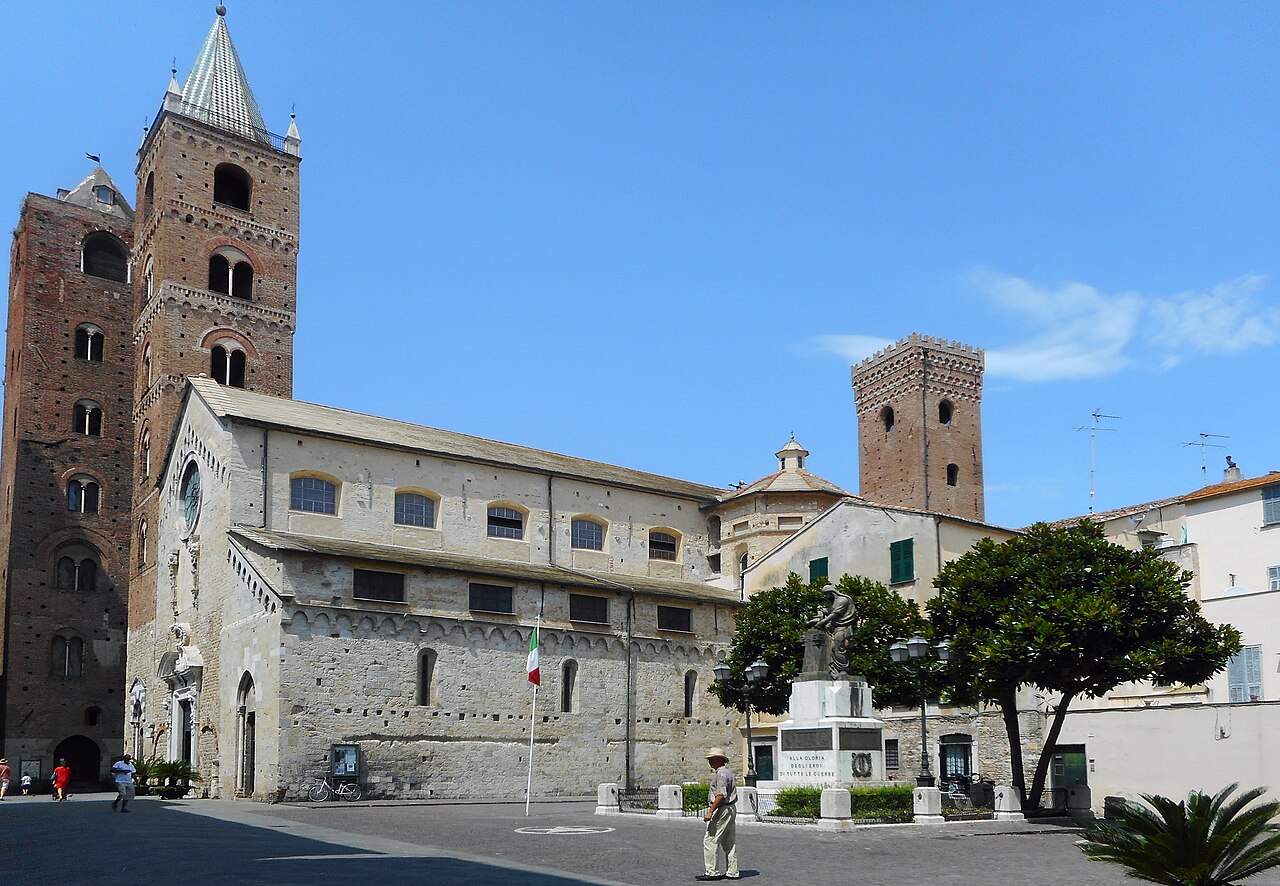
Albenga Cathedral
Albenga · Italy · church
The medieval cathedral of Albenga on Liguria's western coast, dedicated to Saint Michael the Archangel, its banded brick campanile rising over a nave first raised around 1100 on the foundations of a church from the turn of the fifth century.
 Christianity
Alexander Nevsky Cathedral
Sofia · Bulgaria · church
Sofia's golden-domed patriarchal cathedral, raised by the whole Bulgarian people as a memorial to the Russian, Bulgarian, Ukrainian, Moldavian, Finnish and Romanian soldiers who died in the 1877-1878 war that ended five centuries of Ottoman rule.
 Christianity
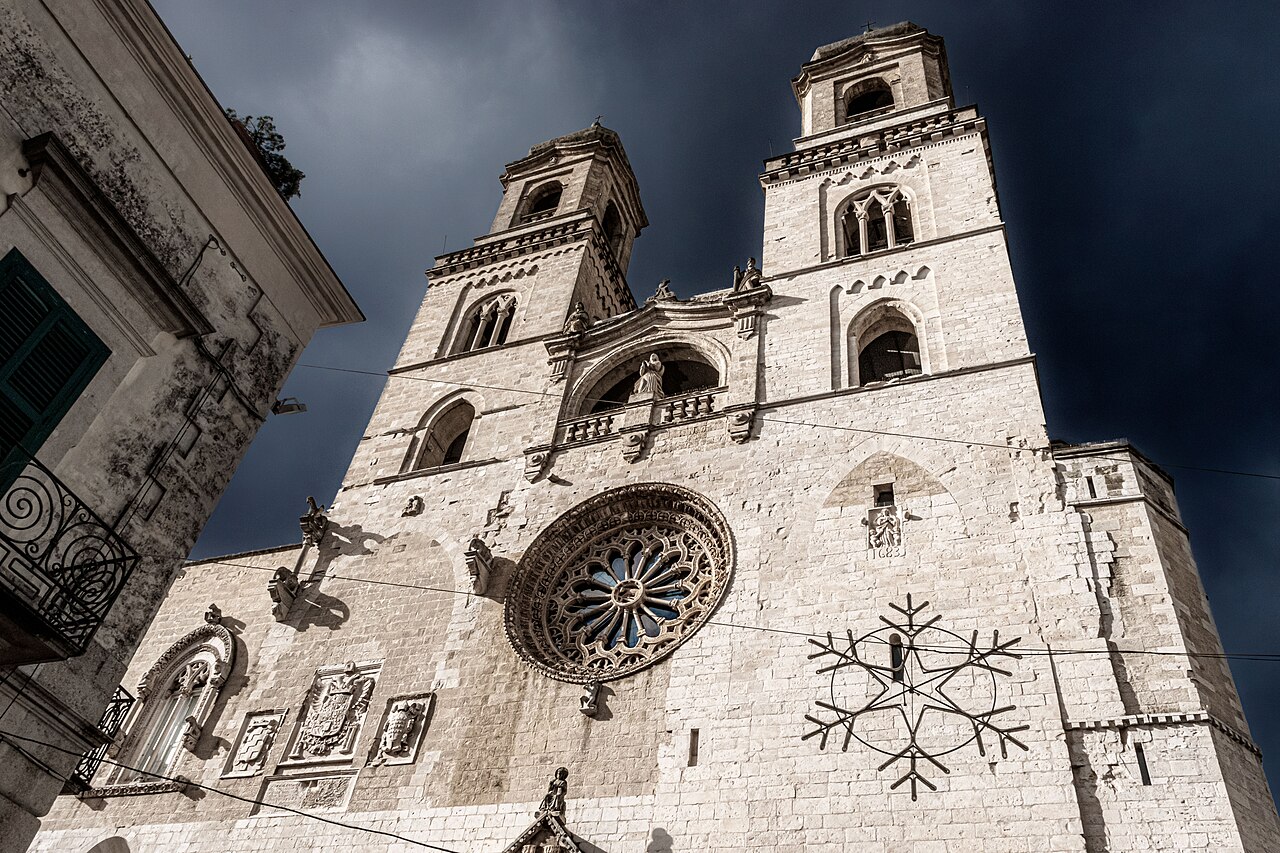
Altamura Cathedral
Altamura · Italy · church
A thirteenth-century 'palatine' cathedral in the Apulian hill town of Altamura, raised at the order of the Holy Roman Emperor Frederick II and dedicated to the Assumption of the Blessed Virgin Mary, its twin Gothic bell towers and carved rose window rising over the old town's main square.
 Christianity
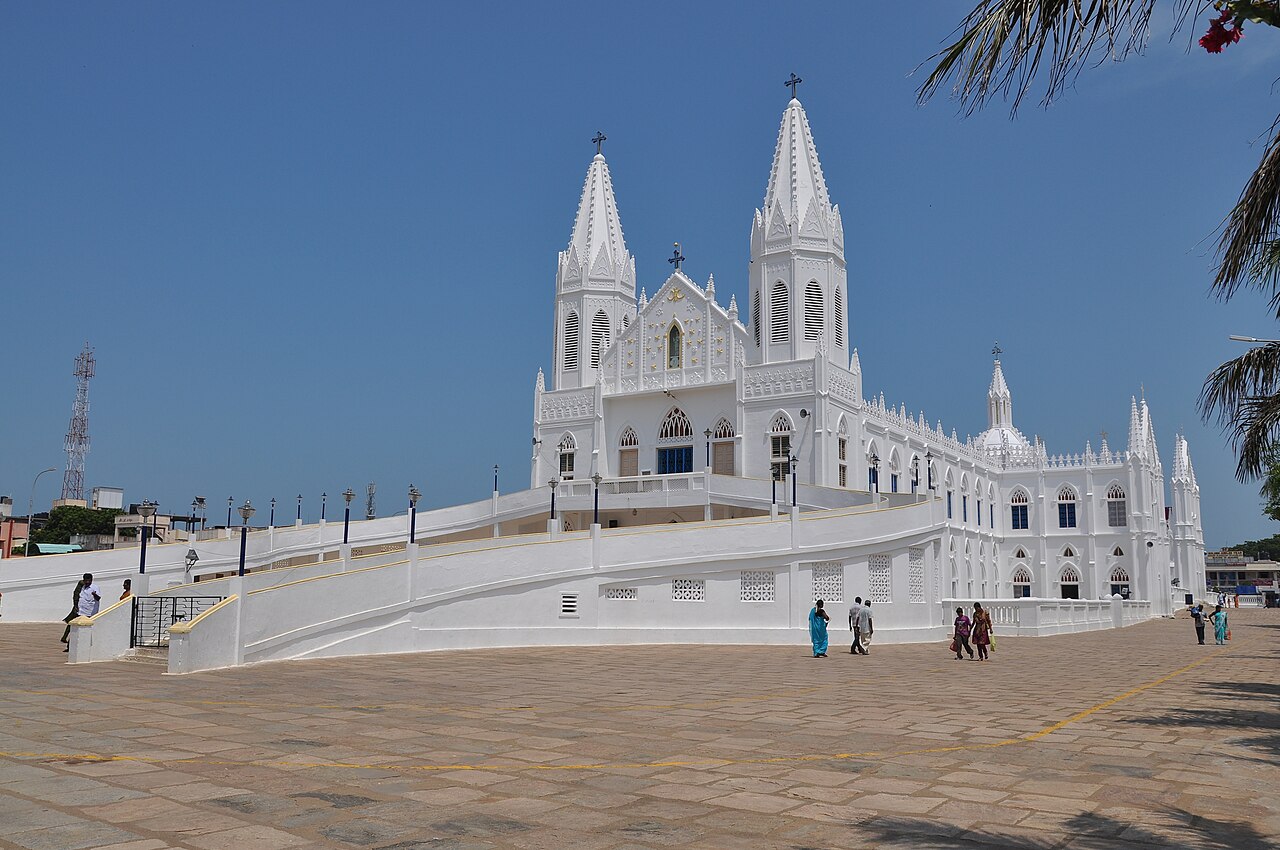
Basilica of Our Lady of Good Health
Velankanni · India · church
White Gothic Marian basilica on the Coromandel shore where Our Lady is held to have appeared to two Tamil boys in the 16th century. Called the Lourdes of the East, it draws millions of pilgrims, most of them Hindu and Muslim, to Annai Velankanni, the Mother of Good Health.
 Christianity
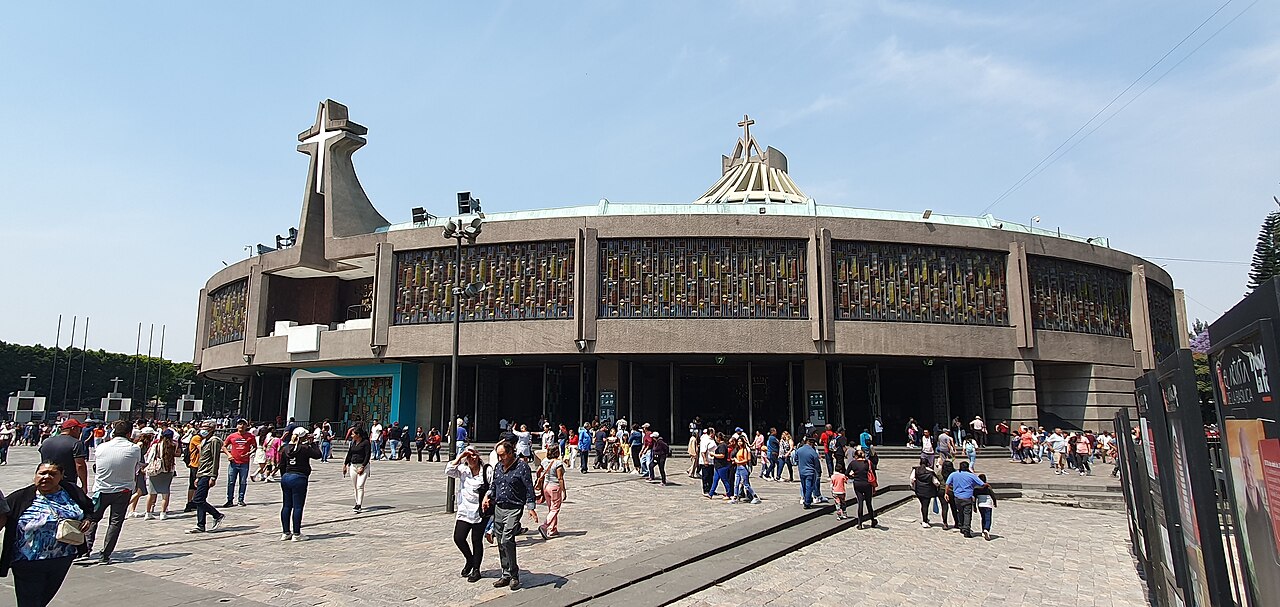
Basilica of Our Lady of Guadalupe
Mexico City · Mexico · church
The most visited Marian shrine in the world, built at the foot of Tepeyac hill where Our Lady appeared to St. Juan Diego in 1531; his tilma bearing her image hangs above the altar of the circular basilica of 1976.
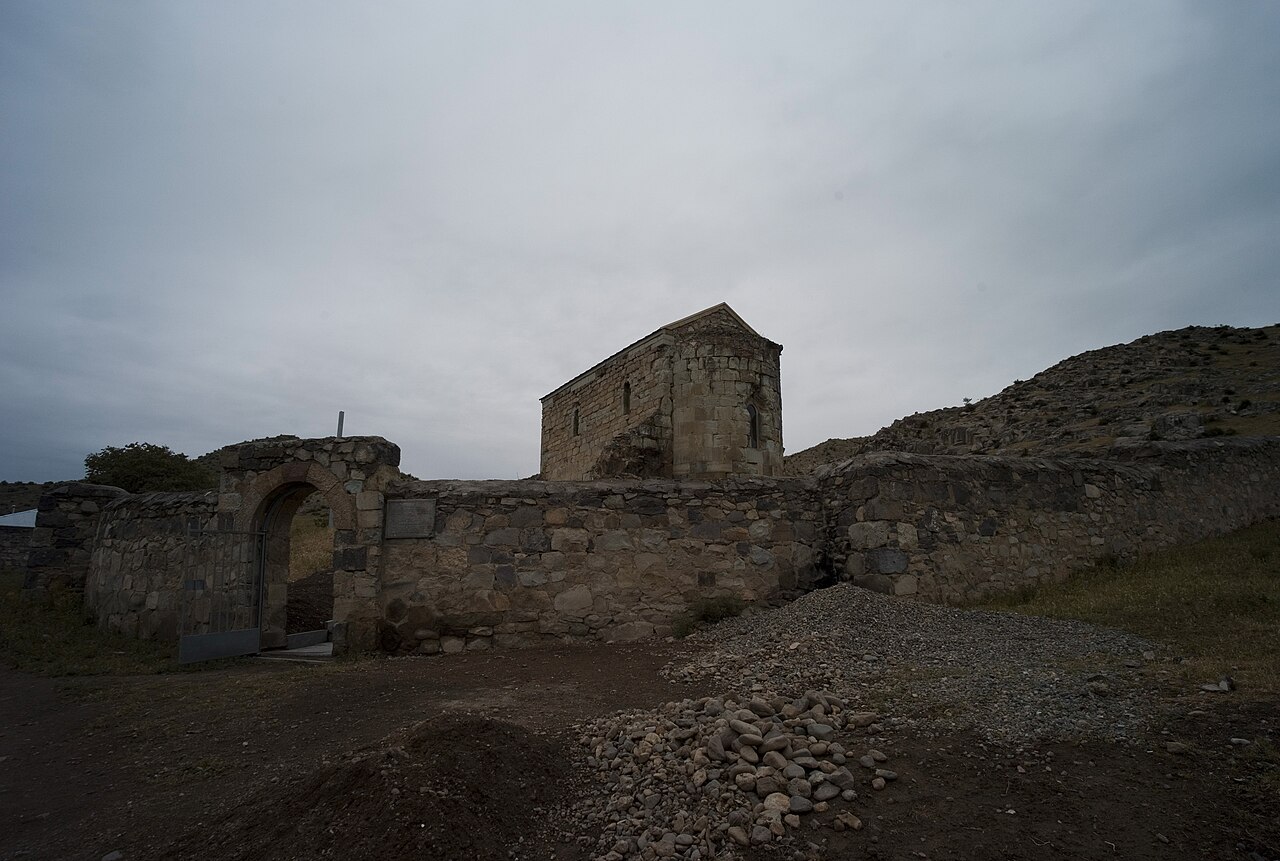 Christianity
Bolnisi Sioni
· Georgia · church
A late-fifth-century Georgian Orthodox basilica in Bolnisi, the oldest surviving church building in Georgia, famed for its early Georgian-script inscriptions.