Eichstätt Cathedral
Eichstätter Dom · Dom zu Eichstätt · Cathedral Church of the Blessed Virgin Mary, St Willibald and St Salvator
About
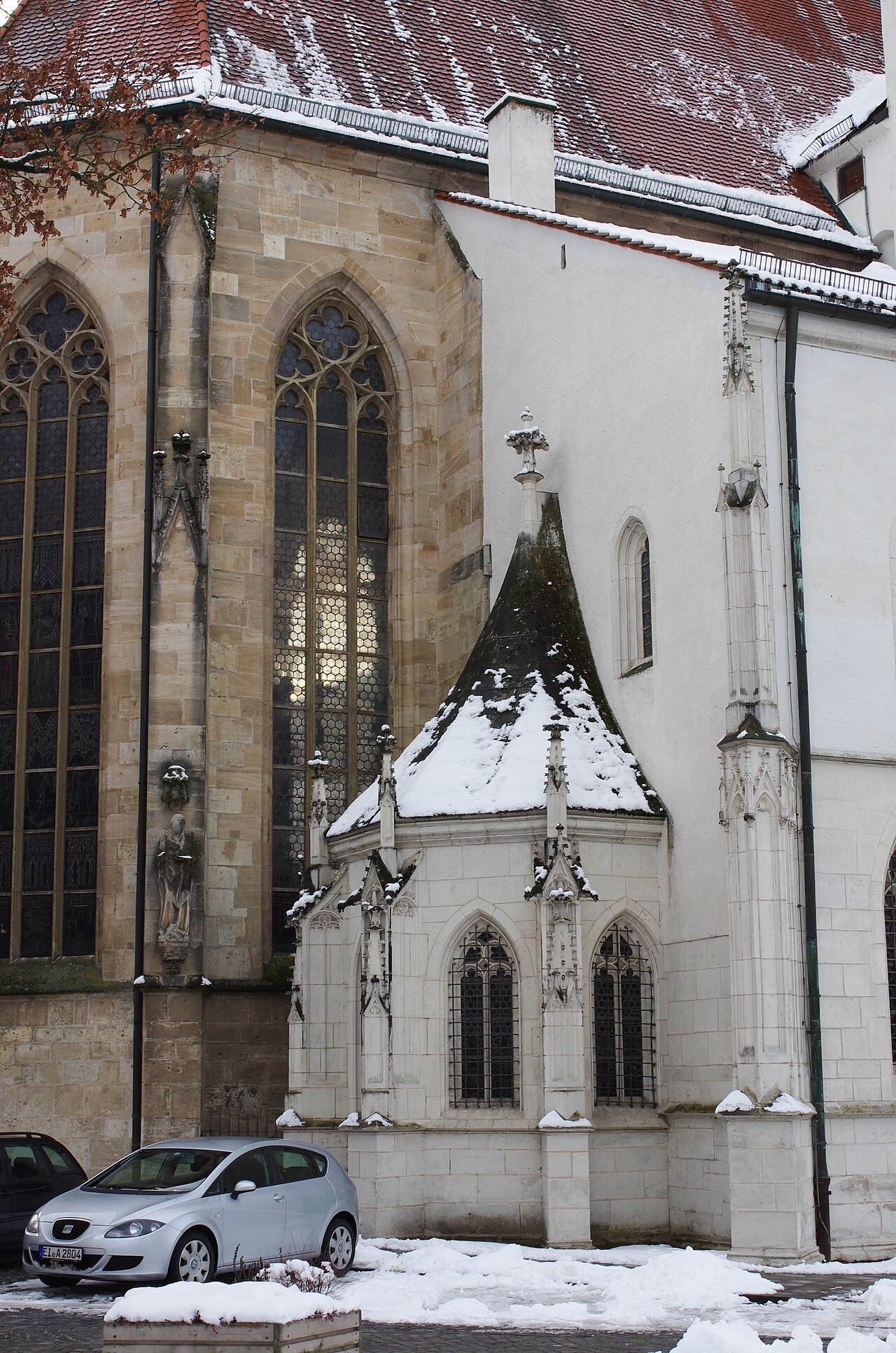
Eichstätt Cathedral, properly the Cathedral Church of the Blessed Virgin Mary, Saint Willibald and Saint Salvator, is the cathedral of the Catholic Diocese of Eichstätt, in the Bavarian city of Eichstätt in southern Germany. A first cathedral on the site goes back to the eighth century, when Saint Willibald, the Anglo-Saxon missionary, established the church here. The present, two-aisled building has its core in the eleventh century, and at 98 metres long, with its surrounding cloister and mortuary, is considered one of the most important medieval ensembles in Bavaria.
Willibald's tomb is preserved within the cathedral, anchoring the building as a place of pilgrimage as well as the diocesan church. A treasury and diocesan museum is attached to the cathedral, displaying its liturgical heritage.
The cathedral is noted for its remarkable peal of eighteen bells, among the largest collections in any German church. The bells are divided between the north and south towers and sounded in four separate groups. Two thirteenth-century bells in the south tower carry a distinctive 'rib bell' (Rippe) profile; the Frauenglocke of the early fourteenth century anchors the main peal. The Hallerin was cast by the Nuremberg master Hans Glockengießer in 1540, and the Magnificat bell dates from 1975. The Death Bell ('Klag') in the North Tower, early-fourteenth-century, is rung only at the death of a member of the cathedral community.
History
Saint Willibald, the Anglo-Saxon missionary who became Eichstätt's first bishop, founded a cathedral here in the eighth century as the seat of the diocese he had helped establish. Bishop Gundekar II consecrated a Romanesque rebuilding in 1060, and a second consecration followed in 1210 under Bishop Hartwig as the cathedral took on the Gothic form that still stands, a two-aisled nave ninety-eight metres long with its cloister and mortuary chapel beside it. A comprehensive restoration begun in 2019 was completed in October 2024, and the cathedral, its Pappenheimer Altar and its Buchenhüller Madonna among the works it shelters, is open to visitors once again.
Significance
Saint Willibald's tomb within the cathedral has made it a place of pilgrimage as well as the mother church of the diocese, drawing the faithful each July for the Willibaldswoche, a week of pilgrimage and prayer around his feast day. The cathedral's eighteen bells, rung in four separate groups from its twin towers, are among the largest such collections in any German church, and its attached Cathedral Treasury and Diocesan Museum keeps the wider liturgical heritage of the diocese Saint Willibald founded.
Architecture
Romanesque origins (1060) rebuilt in Gothic form (consecrated 1210); two-aisled nave with cloister and mortuary chapel
Visiting
Daily worship
| Sunday Holy Mass | 09:30 to | |
| Sunday Holy Mass | 11:00 to | |
| Weekday Holy Mass (Mon-Fri) | 09:00 to | |
| Tuesday Evening Mass (Willibaldschor) | 19:00 to | |
| Thursday Evening Mass and Adoration | 19:00 to | |
| Saturday Vigil Mass | 19:00 to |
Hours
Hours not listed.
Contact
Engage with Eichstätt Cathedral
Through the four pathways
Seva सेवा — Service
Offer your time and skills here. The following opportunities are open at Eichstätt Cathedral:
No Seva offerings listed yet.
Sādhana साधना — Practice
Learn the worship and practice associated with Eichstätt Cathedral:
No Sādhana offerings listed yet.
Sandhāna सन्धान — Wisdom
Unite with the wisdom of this tradition:
No Sandhāna offerings listed yet.
Sādhya साध्य — Giving
Support this sacred place according to your means:
No Sādhya offerings listed yet.
All giving flows directly to Eichstätt Cathedral. Adisthan does not take a commission.
Festivals & Events
- Aug
Mariä Himmelfahrt (Assumption of Mary)
15 August 2026 · annual
The Assumption of the Blessed Virgin Mary, one of the cathedral's own titular feasts, kept with solemn Mass.
- Jul
Hochfest des Heiligen Willibald
7 July 2027 · annual
The solemn feast of Saint Willibald, the diocese's founder and first bishop, marked at the cathedral with a pontifical Mass at the start of the week-long Willibaldswoche pilgrimage.
Gallery
Related sacred places
 Christianity
Albenga Cathedral
Albenga · Italy · church
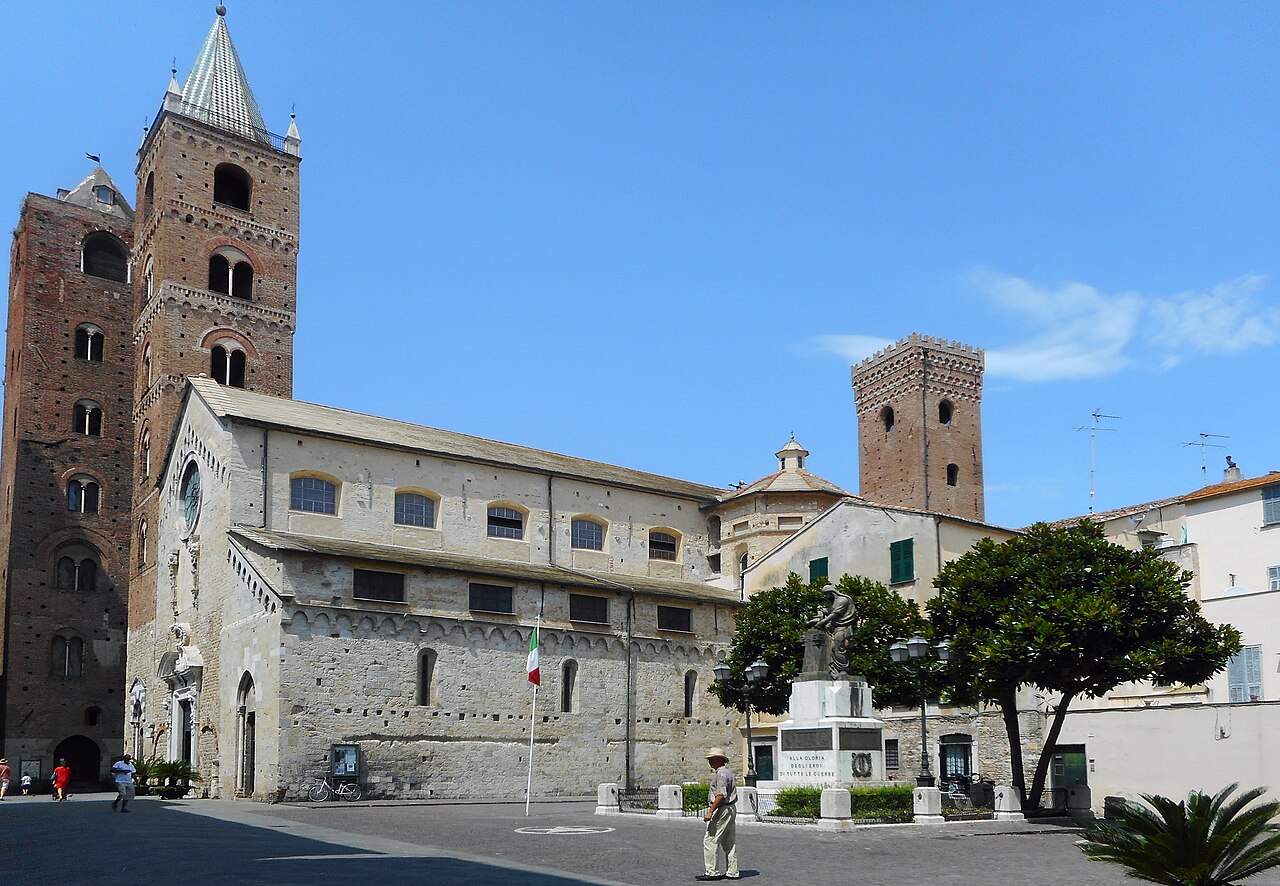
The medieval cathedral of Albenga on Liguria's western coast, dedicated to Saint Michael the Archangel, its banded brick campanile rising over a nave first raised around 1100 on the foundations of a church from the turn of the fifth century.
 Christianity
Alexander Nevsky Cathedral
Sofia · Bulgaria · church
Sofia's golden-domed patriarchal cathedral, raised by the whole Bulgarian people as a memorial to the Russian, Bulgarian, Ukrainian, Moldavian, Finnish and Romanian soldiers who died in the 1877-1878 war that ended five centuries of Ottoman rule.
 Christianity
Altamura Cathedral
Altamura · Italy · church
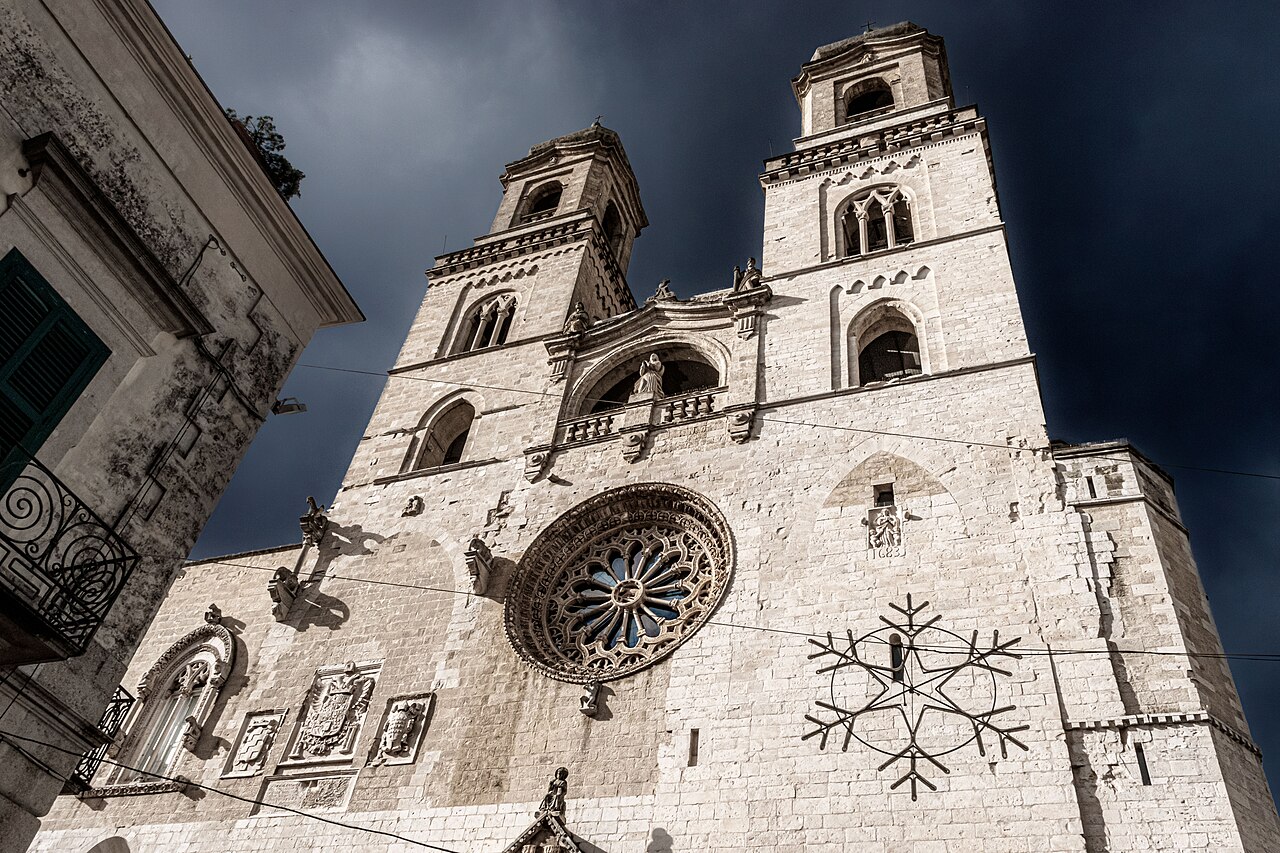
A thirteenth-century 'palatine' cathedral in the Apulian hill town of Altamura, raised at the order of the Holy Roman Emperor Frederick II and dedicated to the Assumption of the Blessed Virgin Mary, its twin Gothic bell towers and carved rose window rising over the old town's main square.
 Christianity
Basilica of Our Lady of Good Health
Velankanni · India · church
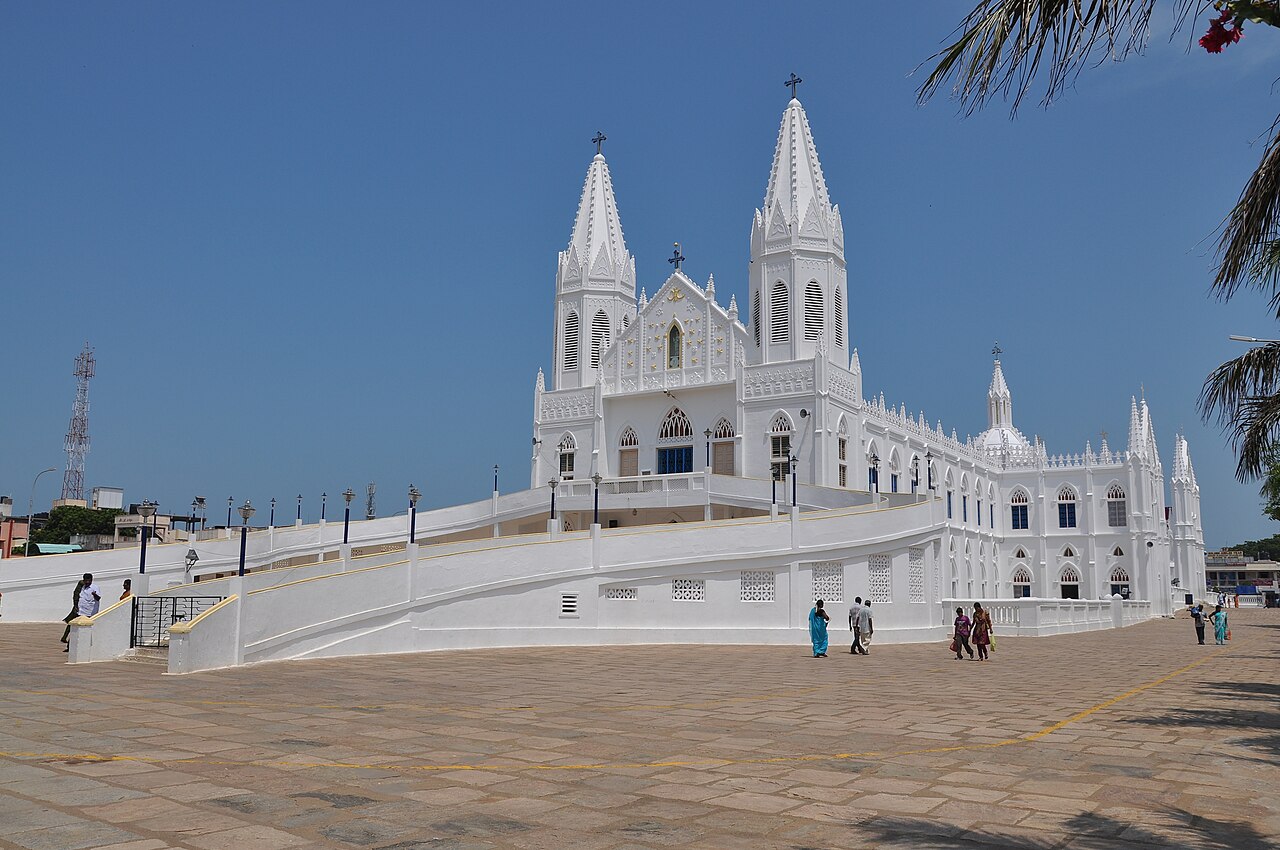
White Gothic Marian basilica on the Coromandel shore where Our Lady is held to have appeared to two Tamil boys in the 16th century. Called the Lourdes of the East, it draws millions of pilgrims, most of them Hindu and Muslim, to Annai Velankanni, the Mother of Good Health.
 Christianity
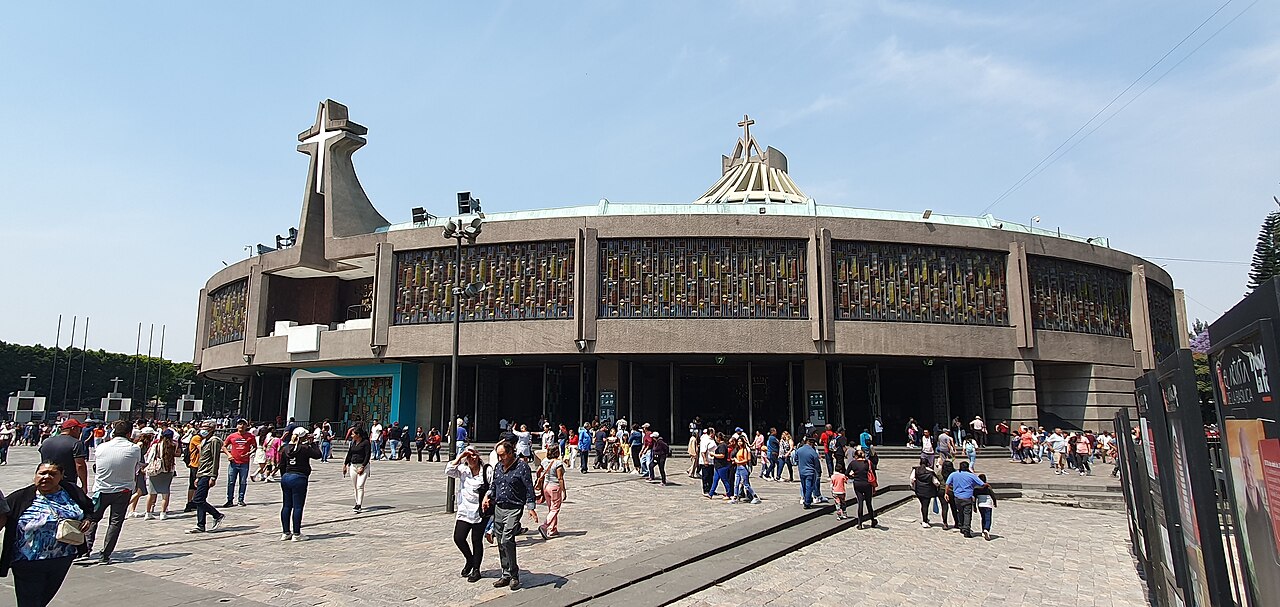
Basilica of Our Lady of Guadalupe
Mexico City · Mexico · church
The most visited Marian shrine in the world, built at the foot of Tepeyac hill where Our Lady appeared to St. Juan Diego in 1531; his tilma bearing her image hangs above the altar of the circular basilica of 1976.
 Christianity
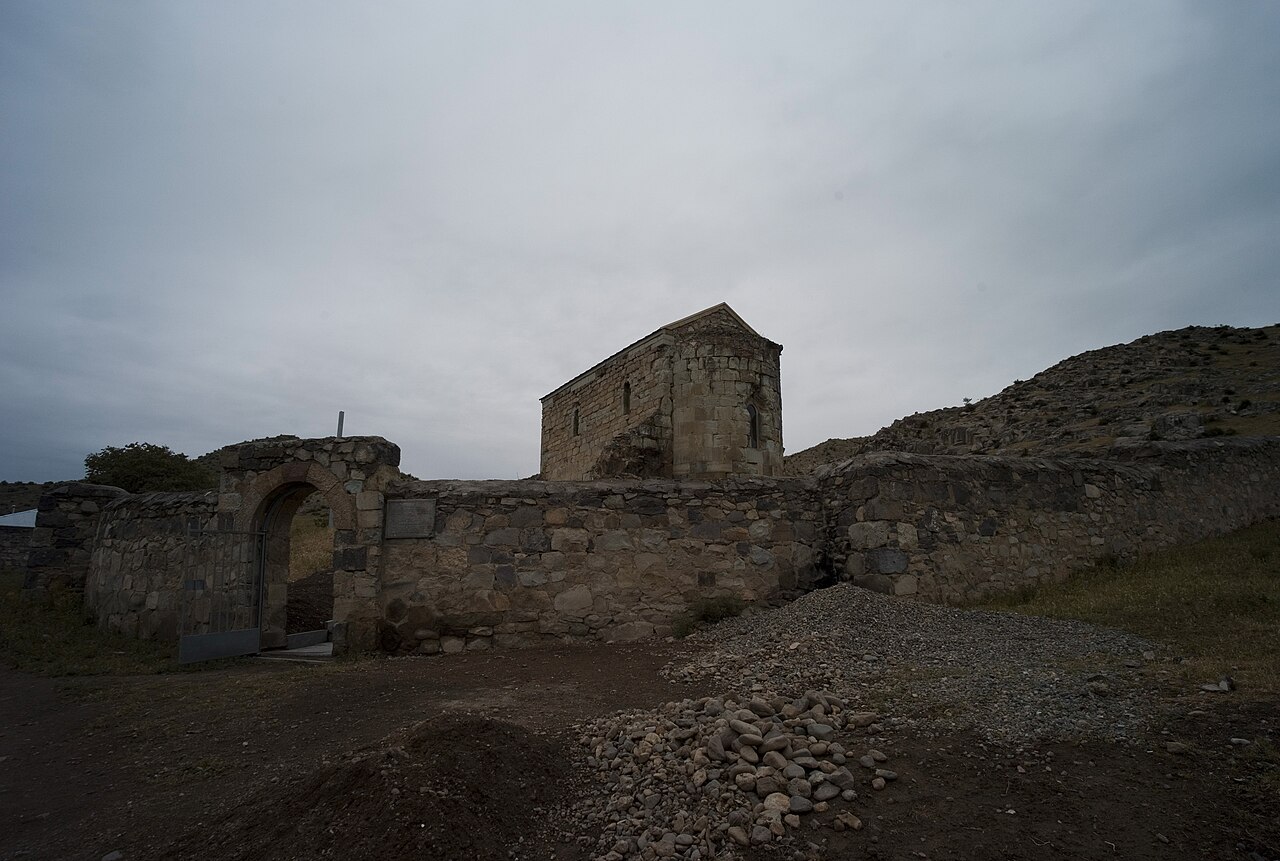
Bolnisi Sioni
· Georgia · church
A late-fifth-century Georgian Orthodox basilica in Bolnisi, the oldest surviving church building in Georgia, famed for its early Georgian-script inscriptions.