
Freiburg Minster
Freiburger Münster · Münster Unserer Lieben Frau · Freiburg Cathedral
About
Standing at the heart of the old market square of Freiburg, the minster was begun around the year 1200 in Romanesque style under the last Duke of Zähringen, and continued from about 1230 in the Gothic manner that gives it its present character. Some of its foundations belong to an earlier church present from the city's founding in 1120.
The church belonged to the Diocese of Konstanz throughout the medieval centuries, becoming a cathedral only in 1827 when the Archdiocese of Freiburg was raised and the minster became its seat. The 116-metre tower with its dodecagonal star gallery and pierced stone spire was completed in 1330, the only major Gothic church tower within today's German borders finished in the Middle Ages.
A notable mercy of recent history is the minster's survival of the air raids of November 1944, which devastated the houses around it. Faithful staff had removed the windows of the spire in advance, and lead anchors held the stonework together through the bombing.
Within, devotees encounter a high altar by Hans Baldung, a chapel altar by Hans Holbein the Younger, and stained-glass windows donated by the medieval guilds whose emblems still mark them. The peal of nineteen bells is among the largest in Germany, and the venerable Hosanna bell of 1258 still rings on Thursdays after the Angelus and each 27 November in remembrance of the war dead.
History
Building began around 1200 in the Romanesque style favoured by the dukes of Zähringen, who had founded Freiburg itself in 1120, and continued from 1230 in the new Gothic manner that gives the minster its present character. The west tower, with its pierced stone spire rising to 116 metres, was completed by 1330, making it the only major Gothic church tower within Germany's present borders finished during the Middle Ages. For centuries the church served the Diocese of Konstanz as a parish church, becoming a cathedral only in 1827 when the newly created Archdiocese of Freiburg made it the seat of its archbishop. The minster survived the air raids of November 1944 largely unharmed, a mercy credited to the lead anchors binding its stonework and to church staff who had removed the spire's windows in advance.
Significance
Jacob Burckhardt once said the tower would forever remain the most beautiful spire on earth, and it remains the only medieval Gothic church tower in Germany completed within the Middle Ages. Within, an altar by Hans Baldung and a side chapel altar by Hans Holbein the Younger stand beneath windows donated by the city's medieval guilds, whose emblems still mark them. Each Thursday evening the Hosanna bell of 1258, one of nineteen bells making up one of Germany's largest peals, rings out as it has for over seven centuries.
Architecture
Romanesque origins continued in Gothic from 1230; openwork Gothic stone spire, the only major medieval German church tower finished in the Middle Ages
Visiting
Daily worship
| Eucharistiefeier (weekday morning Mass) | 07:00 to | |
| Confessions | 07:30 to | |
| Midday reflection | 12:00 to | |
| Eucharistiefeier (weekday evening Mass) | 18:30 to | |
| Sunday Kapitelsamt (Cathedral Chapter Mass, broadcast) | 10:00 to |
Hours
Hours not listed.
Contact
Address
Engage with Freiburg Minster
Through the four pathways
Seva सेवा — Service
Offer your time and skills here. The following opportunities are open at Freiburg Minster:
No Seva offerings listed yet.
Sādhana साधना — Practice
Learn the worship and practice associated with Freiburg Minster:
No Sādhana offerings listed yet.
Sandhāna सन्धान — Wisdom
Unite with the wisdom of this tradition:
No Sandhāna offerings listed yet.
Sādhya साध्य — Giving
Support this sacred place according to your means:
No Sādhya offerings listed yet.
All giving flows directly to Freiburg Minster. Adisthan does not take a commission.
Festivals & Events
- Aug
Patrozinium: Mariä Himmelfahrt (Assumption of Mary)
15 August 2026 · annual
The minster's patronal feast, when a festive pontifical Mass is offered and the faithful bring bundles of herbs and flowers to be blessed, a tradition known as the Kräuterweihe.
- Nov
Hosanna bell remembrance
27 November 2026 · annual
Each year on 27 November the historic Hosanna bell of 1258 tolls in remembrance of the November 1944 air raids that destroyed the houses around the minster while sparing the church itself.
Gallery
Related sacred places
 Christianity
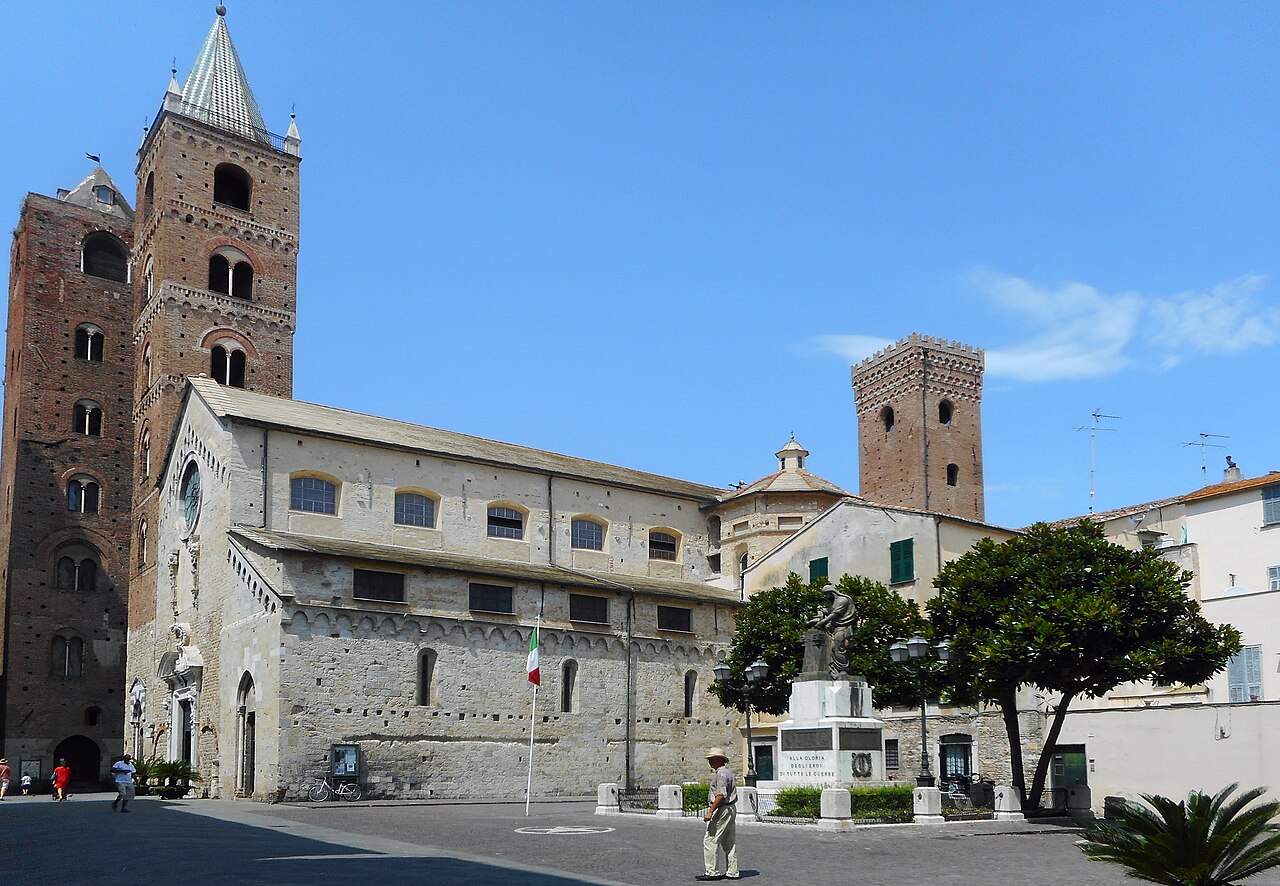
Albenga Cathedral
Albenga · Italy · church
The medieval cathedral of Albenga on Liguria's western coast, dedicated to Saint Michael the Archangel, its banded brick campanile rising over a nave first raised around 1100 on the foundations of a church from the turn of the fifth century.
 Christianity
Alexander Nevsky Cathedral
Sofia · Bulgaria · church
Sofia's golden-domed patriarchal cathedral, raised by the whole Bulgarian people as a memorial to the Russian, Bulgarian, Ukrainian, Moldavian, Finnish and Romanian soldiers who died in the 1877-1878 war that ended five centuries of Ottoman rule.
 Christianity
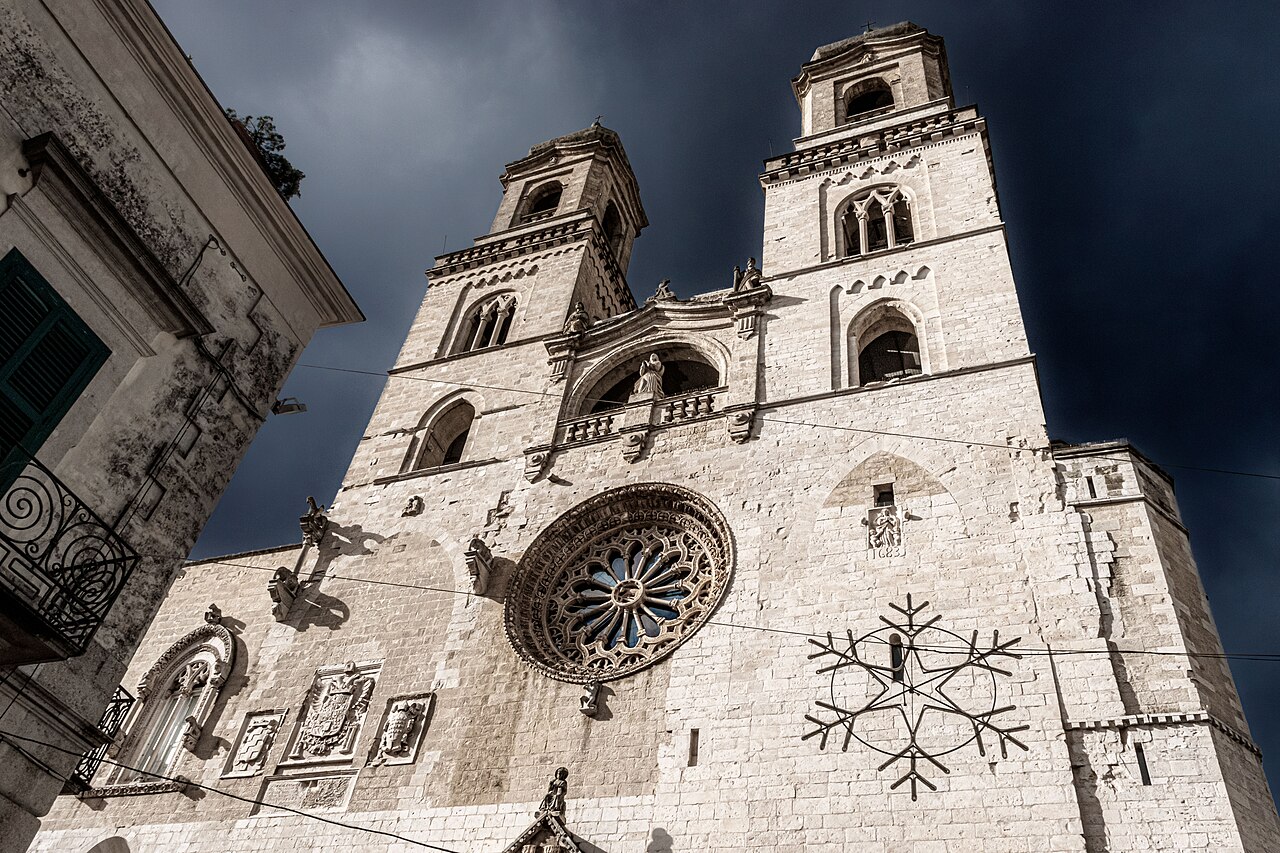
Altamura Cathedral
Altamura · Italy · church
A thirteenth-century 'palatine' cathedral in the Apulian hill town of Altamura, raised at the order of the Holy Roman Emperor Frederick II and dedicated to the Assumption of the Blessed Virgin Mary, its twin Gothic bell towers and carved rose window rising over the old town's main square.
 Christianity
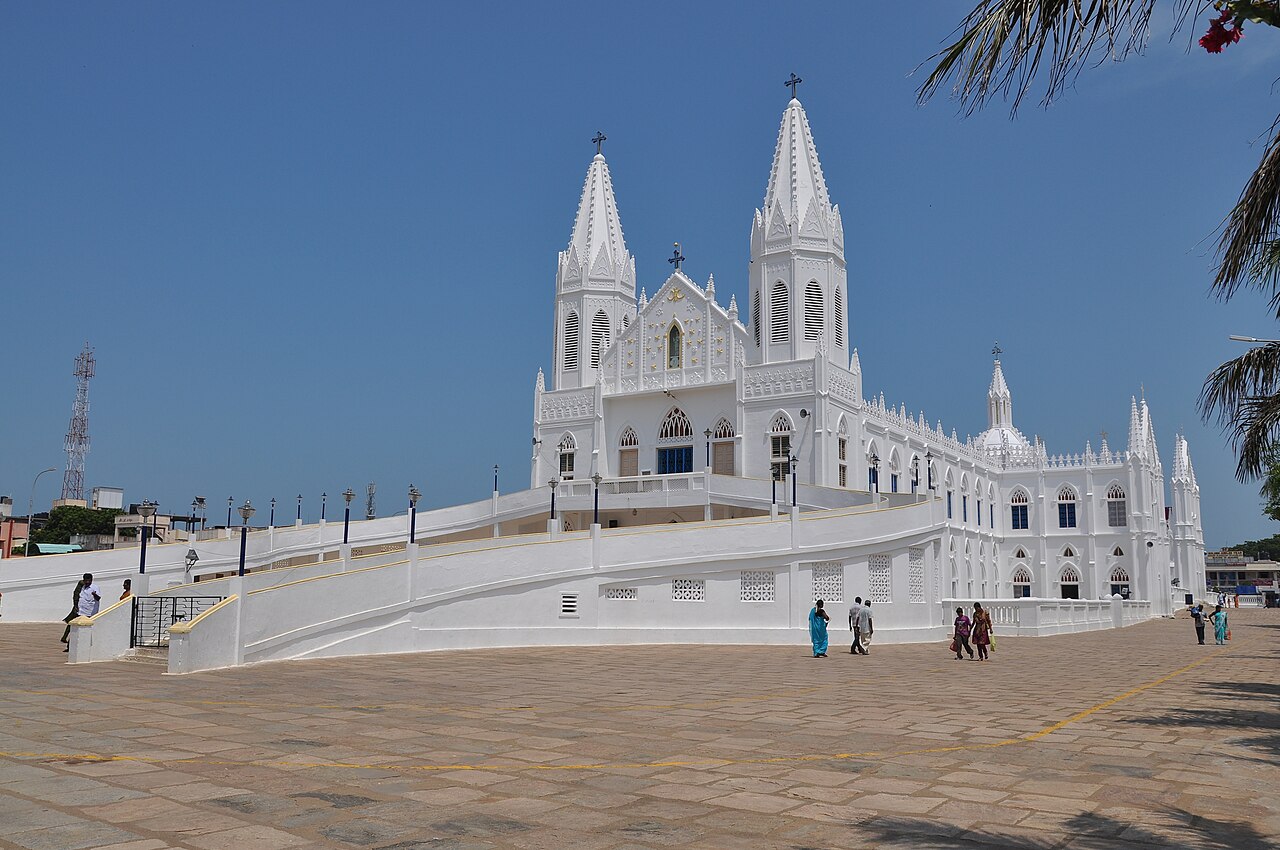
Basilica of Our Lady of Good Health
Velankanni · India · church
White Gothic Marian basilica on the Coromandel shore where Our Lady is held to have appeared to two Tamil boys in the 16th century. Called the Lourdes of the East, it draws millions of pilgrims, most of them Hindu and Muslim, to Annai Velankanni, the Mother of Good Health.
 Christianity
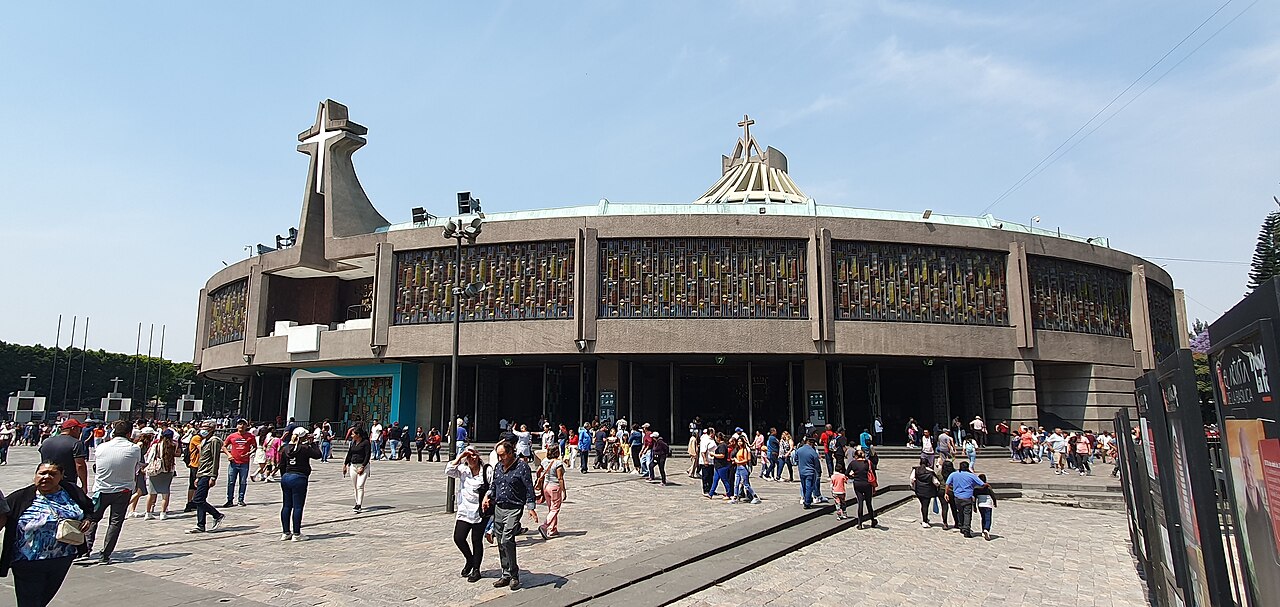
Basilica of Our Lady of Guadalupe
Mexico City · Mexico · church
The most visited Marian shrine in the world, built at the foot of Tepeyac hill where Our Lady appeared to St. Juan Diego in 1531; his tilma bearing her image hangs above the altar of the circular basilica of 1976.
 Christianity
Bolnisi Sioni
· Georgia · church
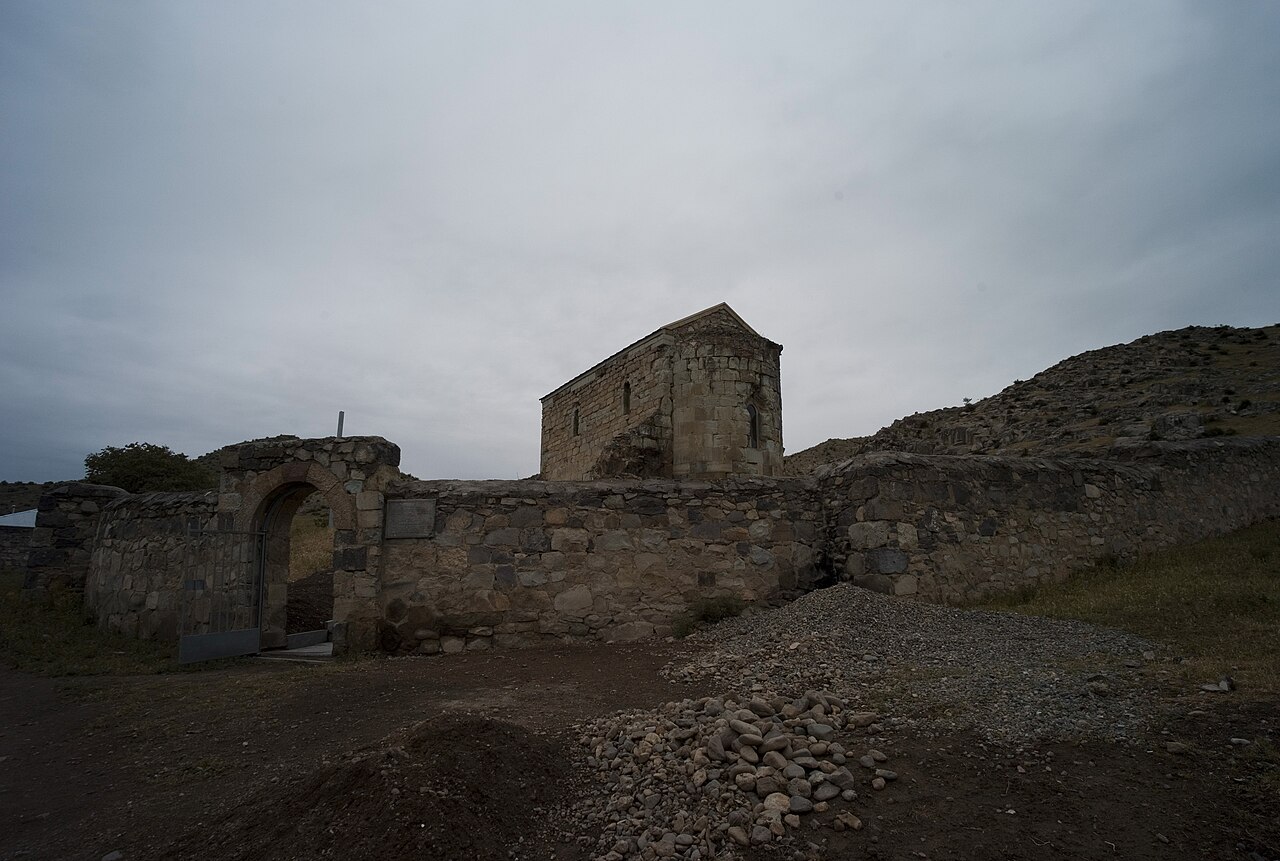
A late-fifth-century Georgian Orthodox basilica in Bolnisi, the oldest surviving church building in Georgia, famed for its early Georgian-script inscriptions.