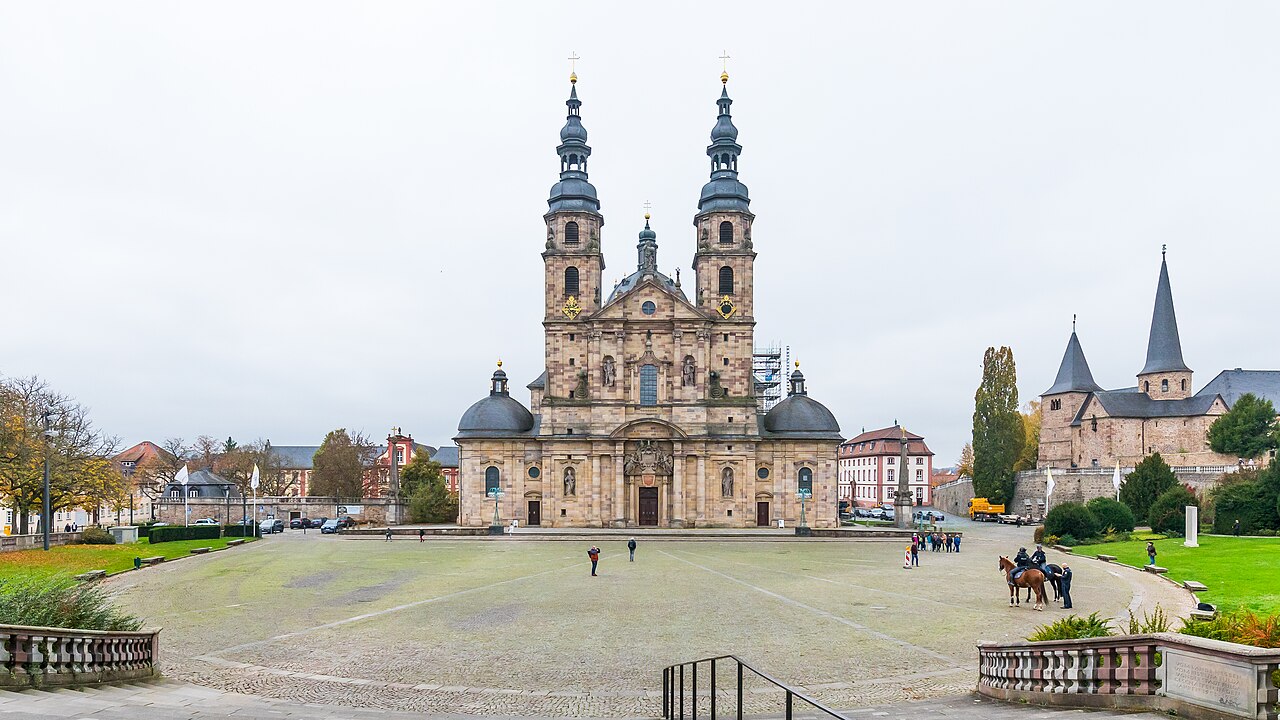
Fulda Cathedral
Fuldaer Dom · Dom St. Salvator · Hoher Dom zu Fulda
About
Set at the heart of Fulda's Baroque quarter, the cathedral was once the abbey church of Fulda Abbey, a monastic foundation that lay at the centre of early Christian mission to the German lands. Its dedication to Christus Salvator carries the older monastic memory into the present.
The present church was designed by Johann Dientzenhofer and rises on the site of the earlier Ratgar Basilica, once the largest church north of the Alps. Built between 1704 and 1712 at the commission of Prince-Abbot Adalbert von Schleifras, its interior arrangement consciously echoes Saint Peter's in Rome, which Dientzenhofer had studied on a journey there.
The cathedral preserves the tomb of Saint Boniface, the eighth-century English monk-bishop whose preaching and martyrdom shaped the Christianity of central Europe. His crypt remains a major place of pilgrimage and the focal point of the diocese's spiritual life.
In 1752 the abbey church was raised to a cathedral when the Diocese of Fulda was erected, and although the abbey itself was dissolved in 1802, the church has continued without interruption as the bishop's seat. It survived a tower fire in 1905 and damage from the air raids of the Second World War, reopening after restoration in 1954.
History
The abbey at Fulda was founded in 744 by Saint Sturm at the direction of Saint Boniface, and after Boniface's martyrdom in 754 the church that rose here, the Ratgar Basilica, once the largest north of the Alps, became his burial place and a centre of pilgrimage. By the early eighteenth century that older church was judged inadequate, and Prince-Abbot Adalbert von Schleifras commissioned the architect Johann Dientzenhofer, fresh from studying Saint Peter's in Rome, to raise a new Baroque abbey church on the site. Building began in 1704 and the church was dedicated on 15 August 1712. The Diocese of Fulda was created in 1752, making the church a cathedral, and although the abbey itself was dissolved in 1802 the cathedral has continued without interruption as the bishop's seat.
Significance
Fulda Cathedral is the most important shrine of Saint Boniface in Christendom, and pilgrims still come to his tomb in the crypt beneath the choir. Each June the Diocese of Fulda gathers pilgrims from its parishes for the Bonifatiuswallfahrt, a pilgrimage to his tomb held on a Sunday near his feast day, and the German Bishops' Conference holds its autumn plenary assembly in Fulda most years, weaving the cathedral into the wider life of the Catholic Church in Germany.
Architecture
Baroque, designed by Johann Dientzenhofer (1704-1712), its interior arrangement consciously modelled on Saint Peter's Basilica in Rome
Visiting
Daily worship
| Weekday Mass | 07:00 to | |
| Sunday and holiday Mass | 10:00 to | |
| Sunday and holiday evening Mass | 18:30 to |
Hours
Hours not listed.
Contact
No contact details listed yet.
Engage with Fulda Cathedral
Through the four pathways
Seva सेवा — Service
Offer your time and skills here. The following opportunities are open at Fulda Cathedral:
No Seva offerings listed yet.
Sādhana साधना — Practice
Learn the worship and practice associated with Fulda Cathedral:
No Sādhana offerings listed yet.
Sandhāna सन्धान — Wisdom
Unite with the wisdom of this tradition:
No Sandhāna offerings listed yet.
Sādhya साध्य — Giving
Support this sacred place according to your means:
No Sādhya offerings listed yet.
All giving flows directly to Fulda Cathedral. Adisthan does not take a commission.
Festivals & Events
- Jun
Feast of Saint Boniface
5 June 2027 · annual
The fixed liturgical feast day of Saint Boniface, whose tomb lies in the cathedral crypt; the diocese also holds its Bonifatiuswallfahrt pilgrimage to the tomb on a nearby Sunday each June, drawing parishes from across the region.
Gallery
Related sacred places
 Christianity
Albenga Cathedral
Albenga · Italy · church
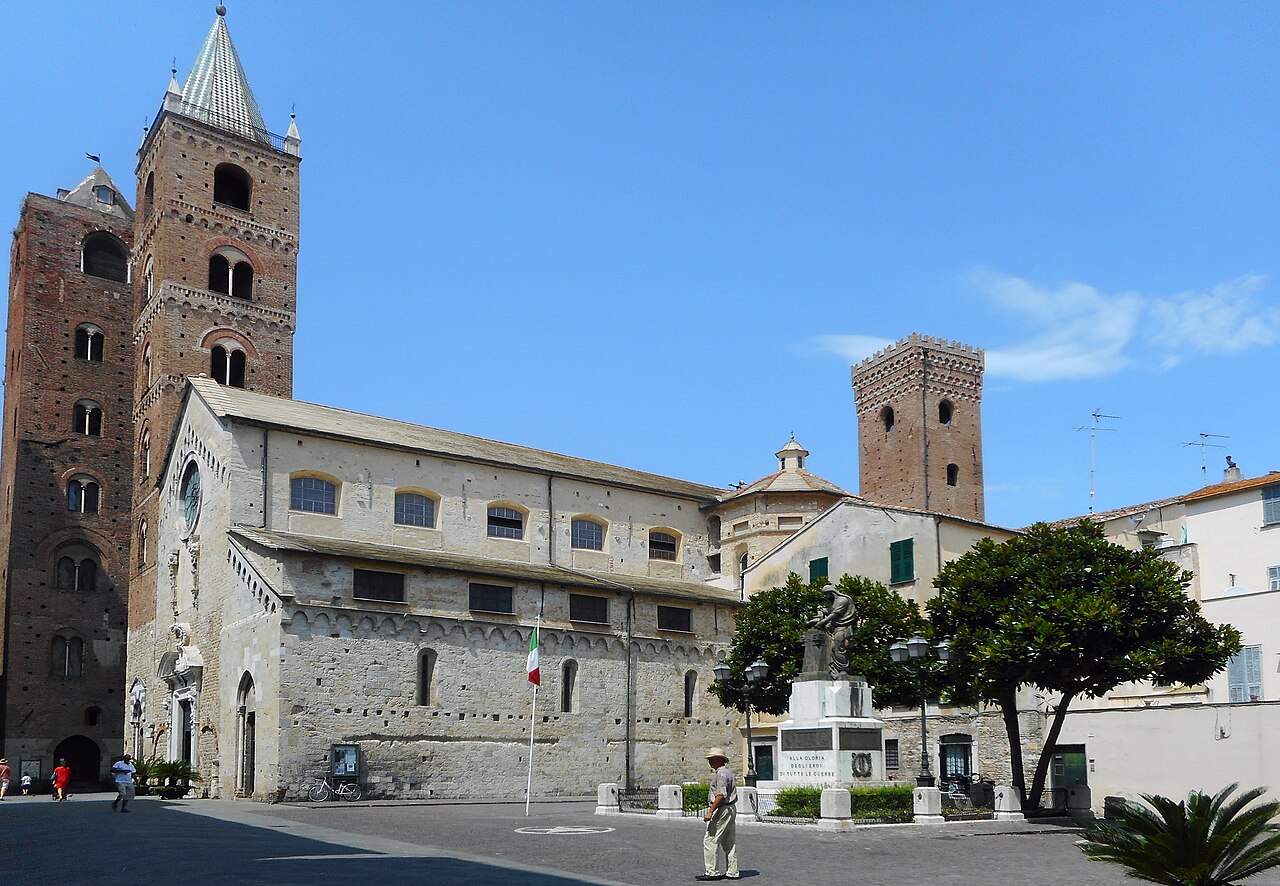
The medieval cathedral of Albenga on Liguria's western coast, dedicated to Saint Michael the Archangel, its banded brick campanile rising over a nave first raised around 1100 on the foundations of a church from the turn of the fifth century.
 Christianity
Alexander Nevsky Cathedral
Sofia · Bulgaria · church
Sofia's golden-domed patriarchal cathedral, raised by the whole Bulgarian people as a memorial to the Russian, Bulgarian, Ukrainian, Moldavian, Finnish and Romanian soldiers who died in the 1877-1878 war that ended five centuries of Ottoman rule.
 Christianity
Altamura Cathedral
Altamura · Italy · church
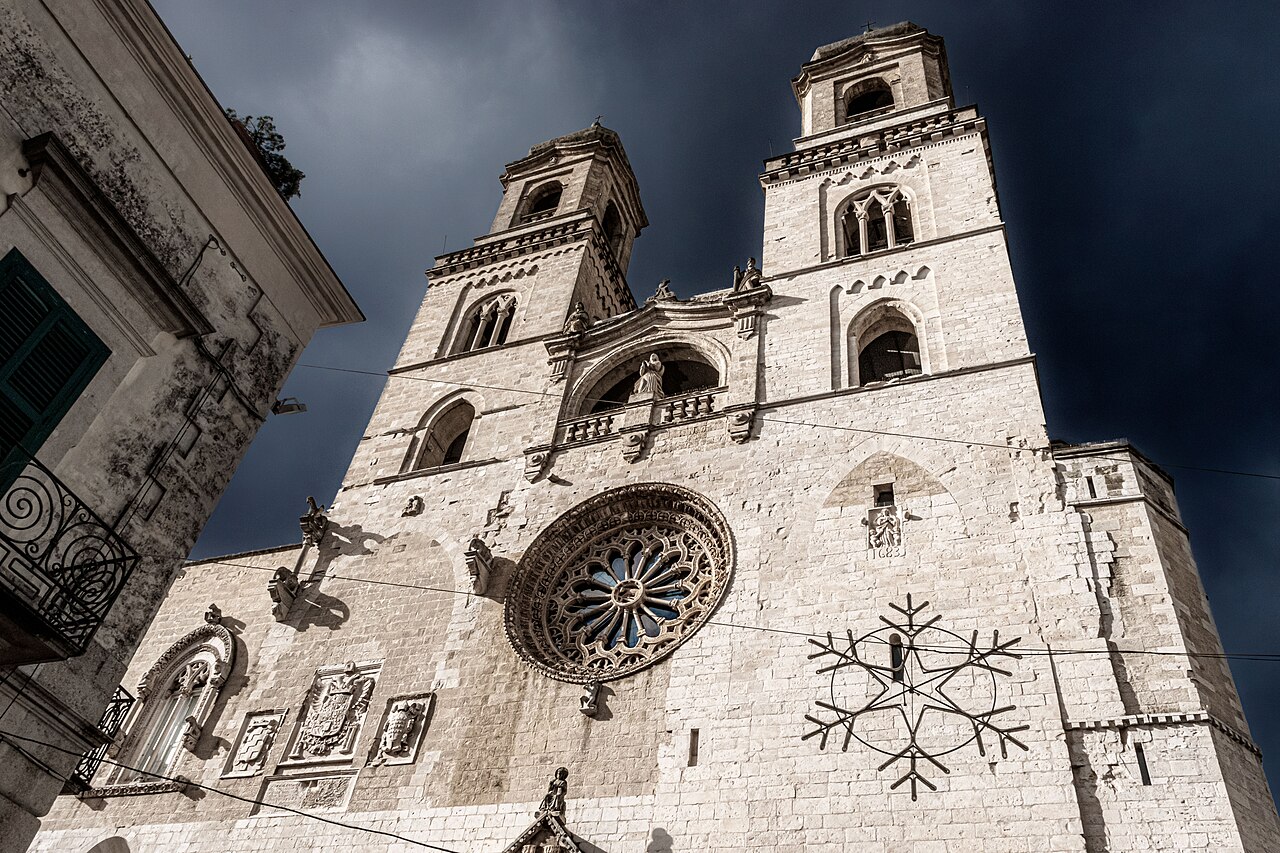
A thirteenth-century 'palatine' cathedral in the Apulian hill town of Altamura, raised at the order of the Holy Roman Emperor Frederick II and dedicated to the Assumption of the Blessed Virgin Mary, its twin Gothic bell towers and carved rose window rising over the old town's main square.
 Christianity
Basilica of Our Lady of Good Health
Velankanni · India · church
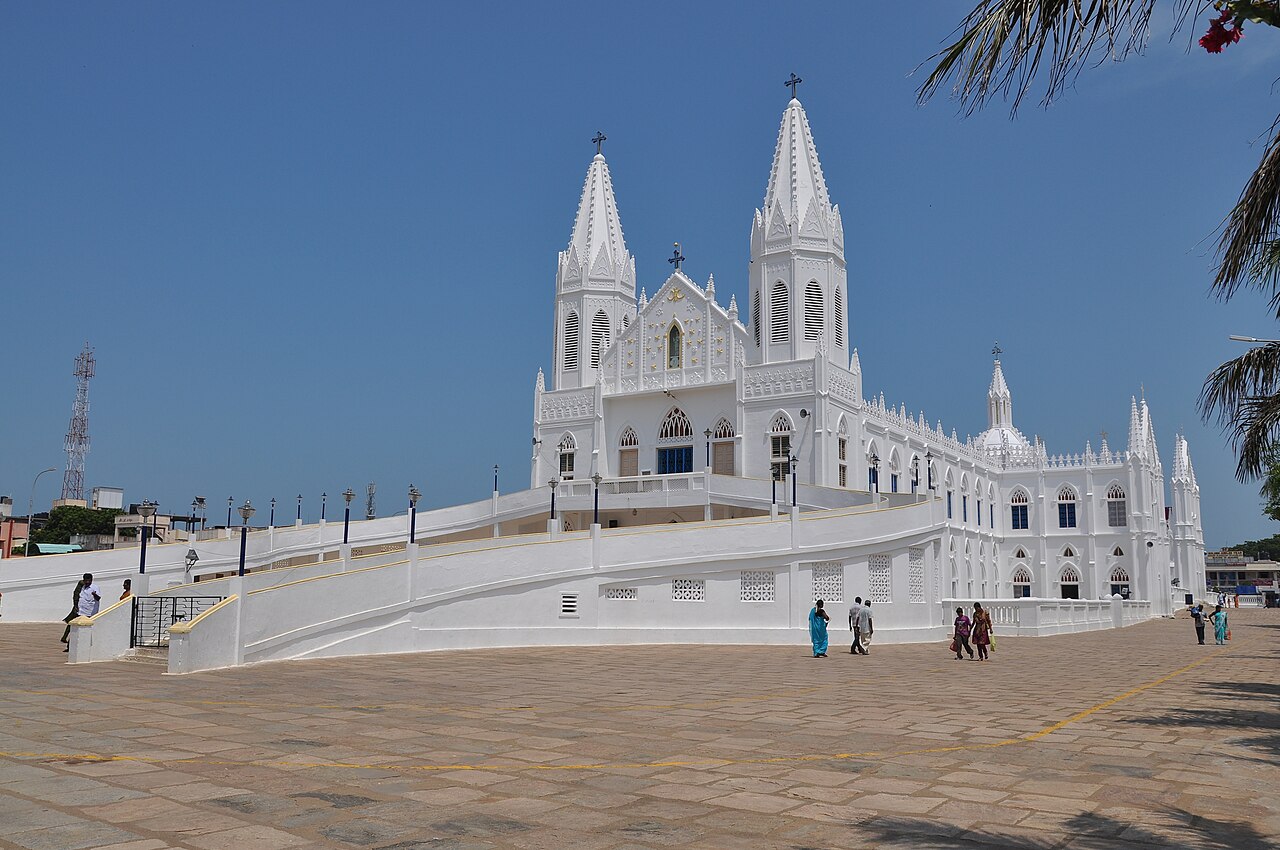
White Gothic Marian basilica on the Coromandel shore where Our Lady is held to have appeared to two Tamil boys in the 16th century. Called the Lourdes of the East, it draws millions of pilgrims, most of them Hindu and Muslim, to Annai Velankanni, the Mother of Good Health.
 Christianity
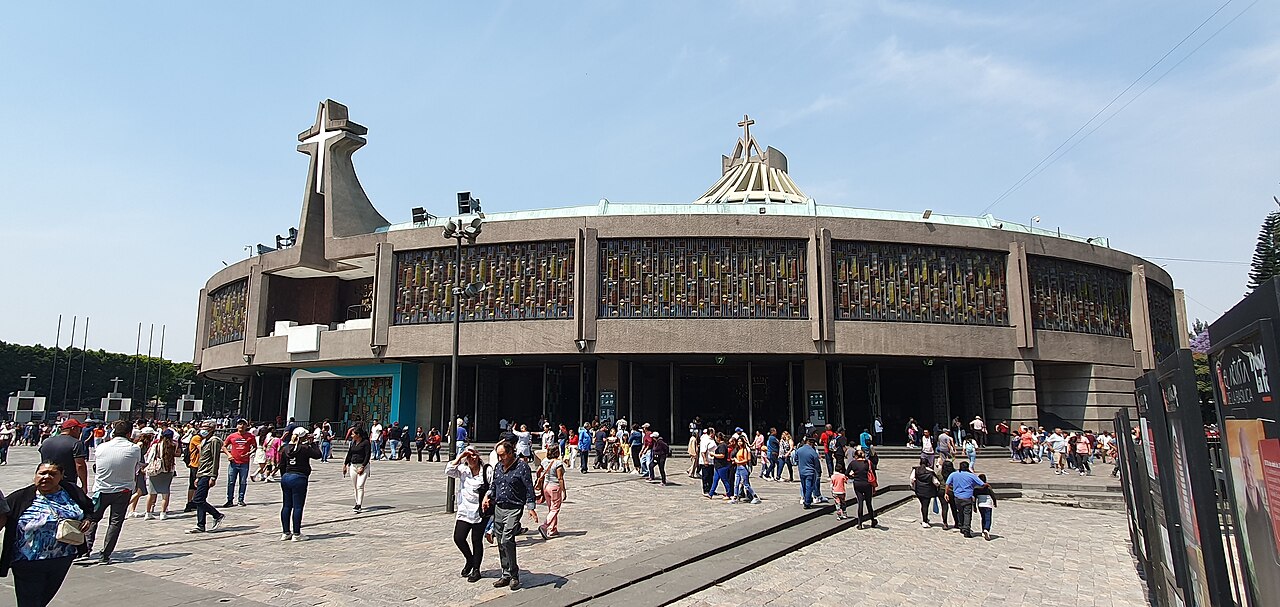
Basilica of Our Lady of Guadalupe
Mexico City · Mexico · church
The most visited Marian shrine in the world, built at the foot of Tepeyac hill where Our Lady appeared to St. Juan Diego in 1531; his tilma bearing her image hangs above the altar of the circular basilica of 1976.
 Christianity
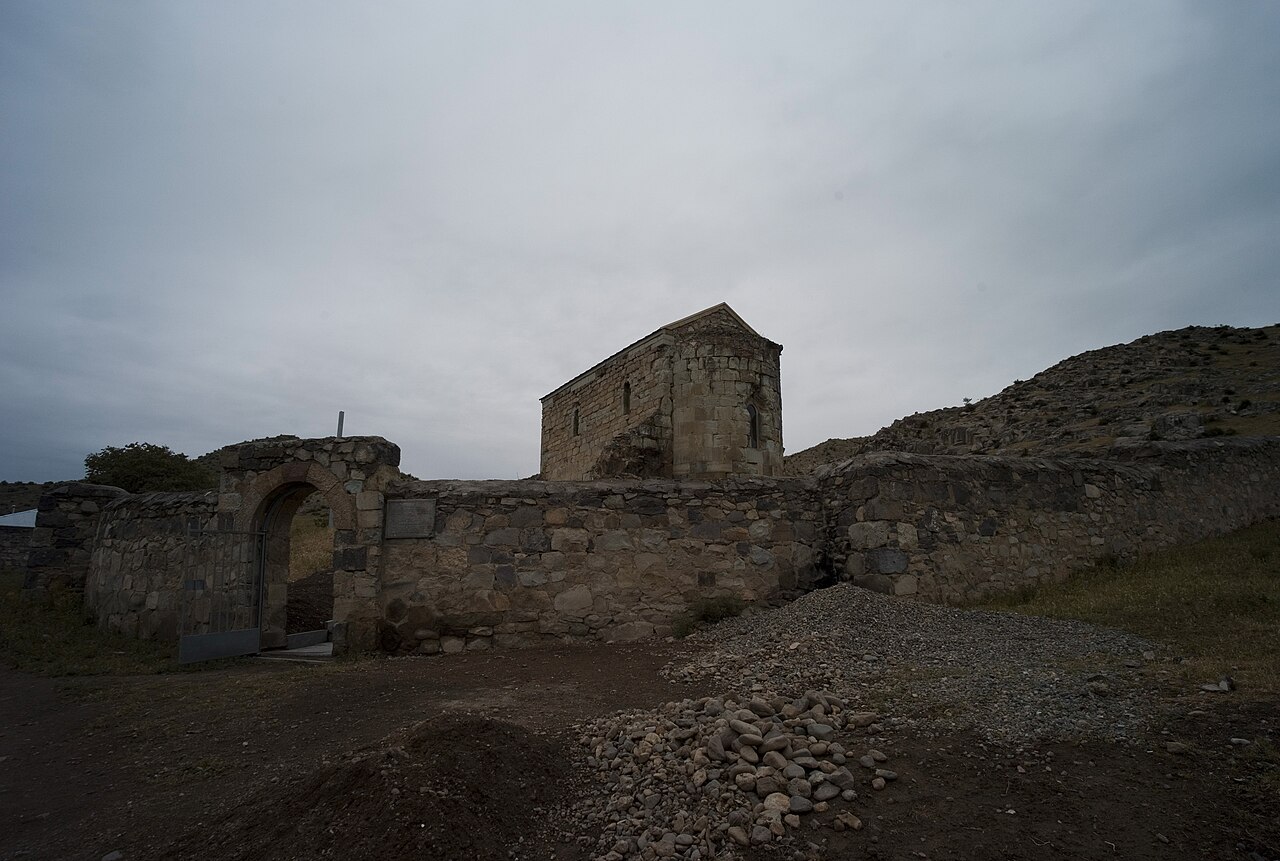
Bolnisi Sioni
· Georgia · church
A late-fifth-century Georgian Orthodox basilica in Bolnisi, the oldest surviving church building in Georgia, famed for its early Georgian-script inscriptions.