Graz Cathedral
Grazer Dom · Dom St. Ägidius · St. Giles' Cathedral
About
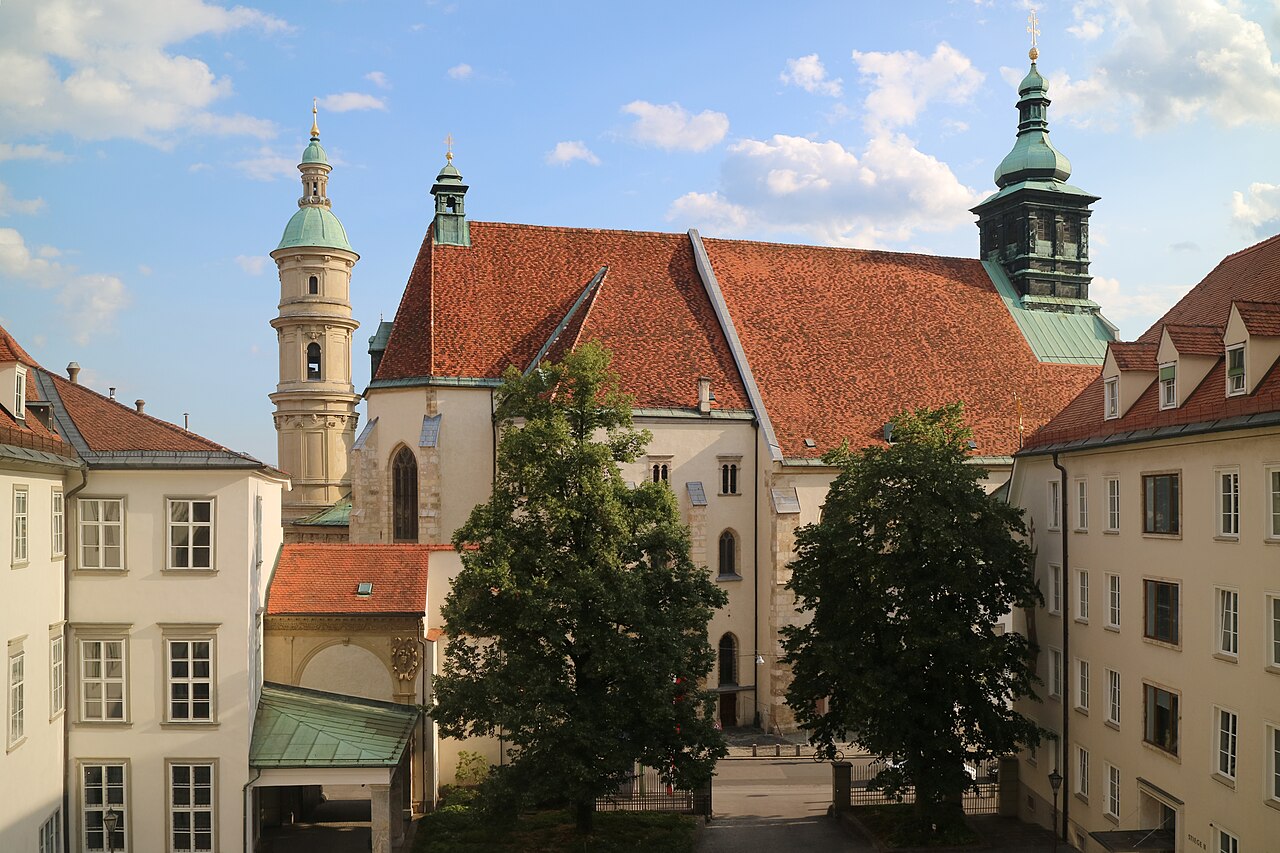
Standing in the heart of the old town of Graz, the cathedral was first raised between 1438 and 1462 as the Hofkirche, the court church of Emperor Frederick III, who was establishing his residence on the adjacent castle hill. It is a Gothic hall church (Hallenkirche) of brick and limestone, oriented east to west, with a broad nave flanked by two narrower side aisles under a continuous roof.
The interior is supported by eight octagonal piers that divide the space into three aisles, opening onto small chapels added under successive Habsburg patrons. Within the cathedral are medieval frescoes and altarpieces, a high Baroque high altar of 1730-33 by Georg Kraxner bearing an image of Saint Giles, and two ivory reliquaries originally created as the bridal chests of Paola Gonzaga.
On the south outer wall the 1485 Landplagenbild by Thomas von Villach still bears witness to a turbulent age, depicting the trials that befell the city, a Turkish incursion, locusts, and pestilence, read by contemporaries as divine chastisement. The west portal of 1456 remains the most richly decorated external element, an exemplar of late Gothic ornament.
From 1577 to 1773 the church served the Jesuit college and the University of Graz, and it received Baroque additions during that period. In 1786, under the reforms of Emperor Joseph II, the church was raised to cathedral status as the seat of the new Diocese of Graz-Seckau, a role it has held ever since.
History
A chapel dedicated to Saint Giles stood on this site as early as 1174, but the present church began in 1438, when Emperor Frederick III ordered it rebuilt as his Hofkirche beside the new residence rising on Graz's castle hill. Archduke Charles II handed the church to the Jesuits in 1577, and it served as the university church after the founding of the University of Graz in 1585. In 1786, under Emperor Joseph II's reforms, the church became the cathedral of the newly created Diocese of Graz-Seckau, with Joseph Adam Graf von Arco installed as its first bishop, and a six-year restoration completed in 2023 renewed the nave, the altar, and the organ.
Significance
The Baroque high altar, carved by Georg Kraxner between 1730 and 1733, holds Franz Ignaz Flurer's altarpiece of Saint Giles flanked by the Four Evangelists, while the 1485 Landplagenbild fresco on the south wall still records the plague, a Turkish incursion, and pestilence that once tested the city. As the bishop's church of Styria, the cathedral hosts the diocese's principal ordinations and liturgies, and its patronal feast on the first of September continues to draw the parish that has gathered here since the Middle Ages.
Architecture
Gothic hall church (Hallenkirche) of brick and limestone, plastered exterior, with later Baroque altars, chapels, and furnishings
Visiting
Daily worship
| Sunday Mass | 08:30 to | |
| Sunday Hochamt (High Mass, German or Latin) | 10:00 to | |
| Sunday evening Mass | 17:00 to | |
| Weekday Mass, Domherrenkapelle (Monday-Friday) | 06:30 to | |
| Weekday evening Mass (Monday-Friday) | 19:00 to | |
| Saturday Vespers | 18:15 to |
Hours
Hours not listed.
Engage with Graz Cathedral
Through the four pathways
Seva सेवा — Service
Offer your time and skills here. The following opportunities are open at Graz Cathedral:
No Seva offerings listed yet.
Sādhana साधना — Practice
Learn the worship and practice associated with Graz Cathedral:
No Sādhana offerings listed yet.
Sandhāna सन्धान — Wisdom
Unite with the wisdom of this tradition:
No Sandhāna offerings listed yet.
Sādhya साध्य — Giving
Support this sacred place according to your means:
No Sādhya offerings listed yet.
All giving flows directly to Graz Cathedral. Adisthan does not take a commission.
Festivals & Events
- Sept
Feast of Saint Giles
1 September 2026 · annual
The cathedral's patronal feast honours Saint Giles, the seventh-century hermit venerated as one of the Fourteen Holy Helpers and patron of Graz, whose statuette is kept on the high altar year round.
- May
Kirchweihfest
1 May 2027 · annual
The cathedral's dedication festival recalls the entry of Joseph Adam Graf von Arco, its first bishop, since the date of the church's actual consecration was never recorded.
Gallery
Related sacred places
 Christianity
Albenga Cathedral
Albenga · Italy · church
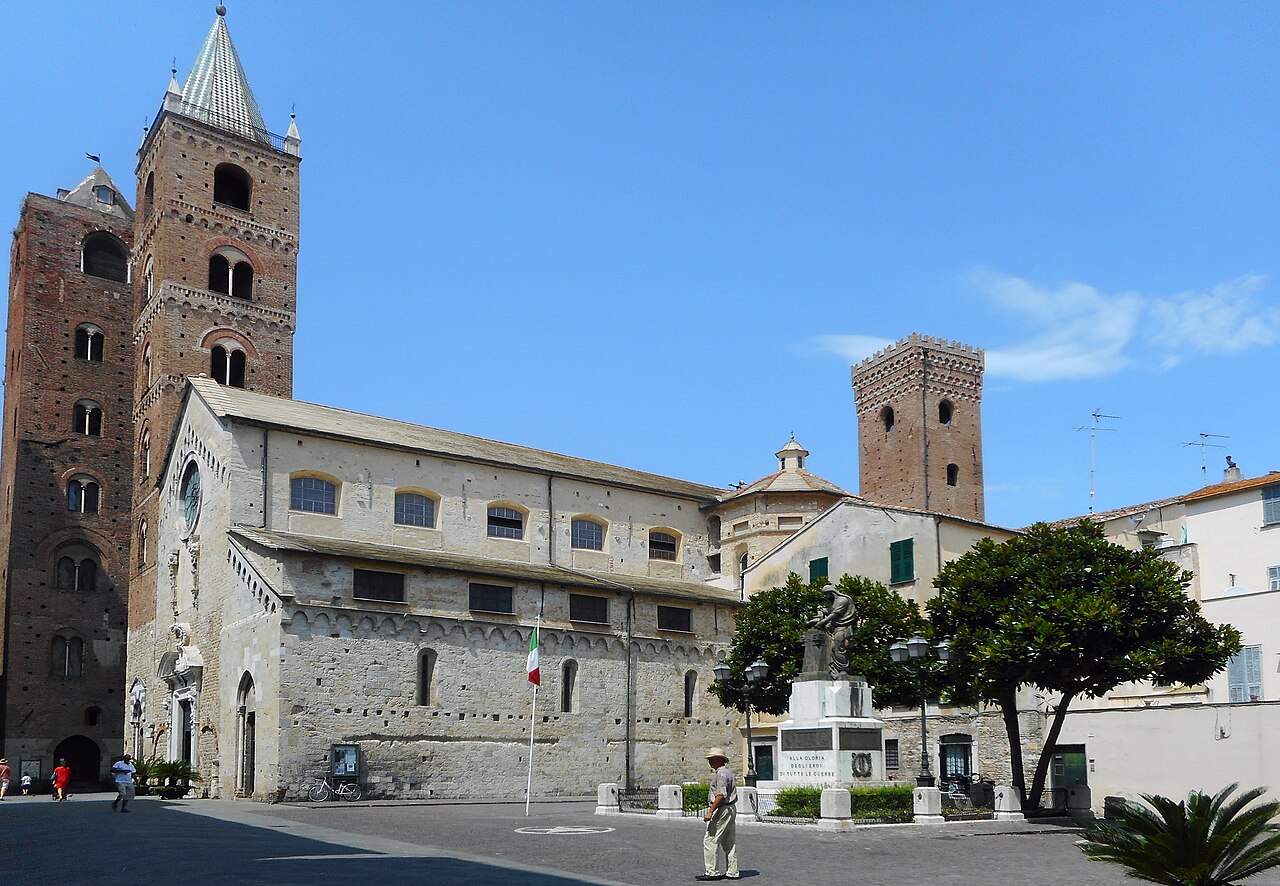
The medieval cathedral of Albenga on Liguria's western coast, dedicated to Saint Michael the Archangel, its banded brick campanile rising over a nave first raised around 1100 on the foundations of a church from the turn of the fifth century.
 Christianity
Alexander Nevsky Cathedral
Sofia · Bulgaria · church
Sofia's golden-domed patriarchal cathedral, raised by the whole Bulgarian people as a memorial to the Russian, Bulgarian, Ukrainian, Moldavian, Finnish and Romanian soldiers who died in the 1877-1878 war that ended five centuries of Ottoman rule.
 Christianity
Altamura Cathedral
Altamura · Italy · church
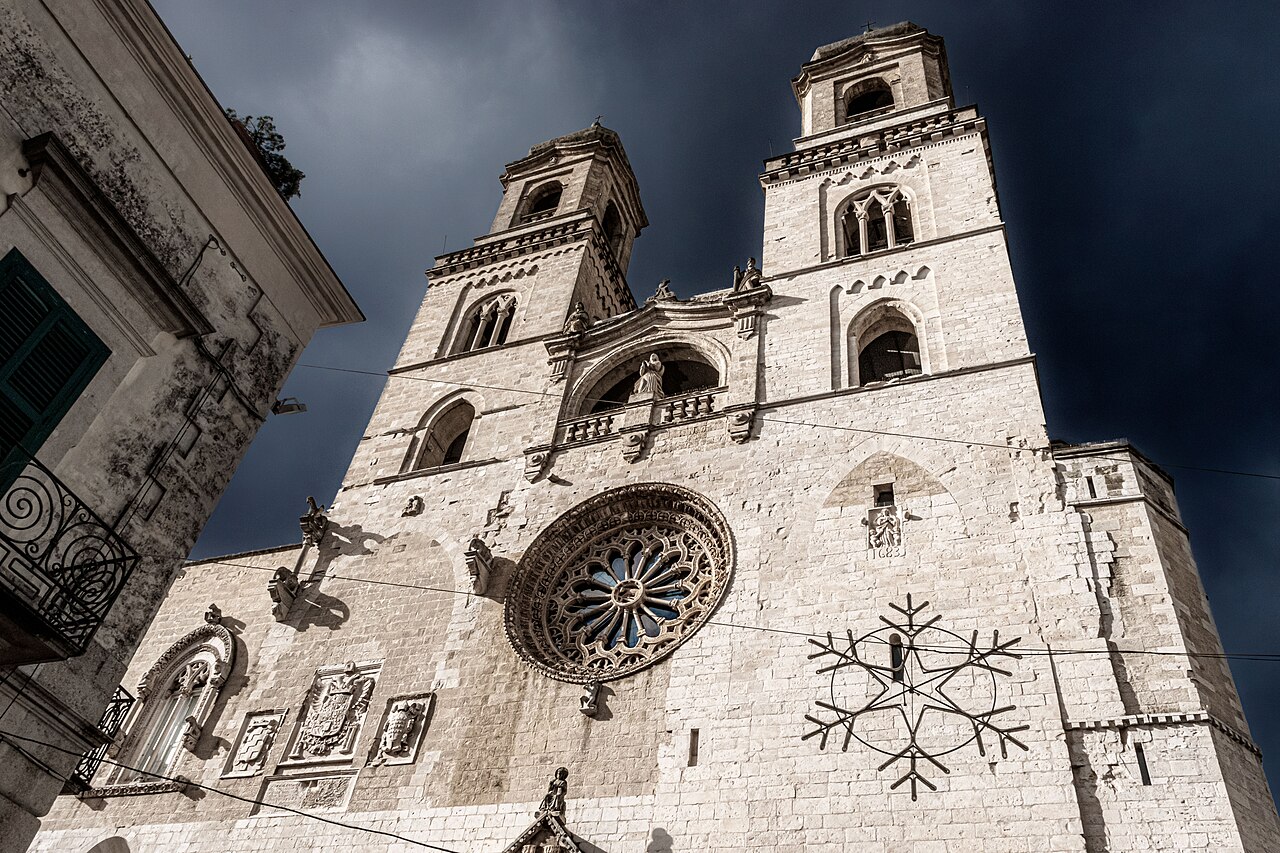
A thirteenth-century 'palatine' cathedral in the Apulian hill town of Altamura, raised at the order of the Holy Roman Emperor Frederick II and dedicated to the Assumption of the Blessed Virgin Mary, its twin Gothic bell towers and carved rose window rising over the old town's main square.
 Christianity
Basilica of Our Lady of Good Health
Velankanni · India · church
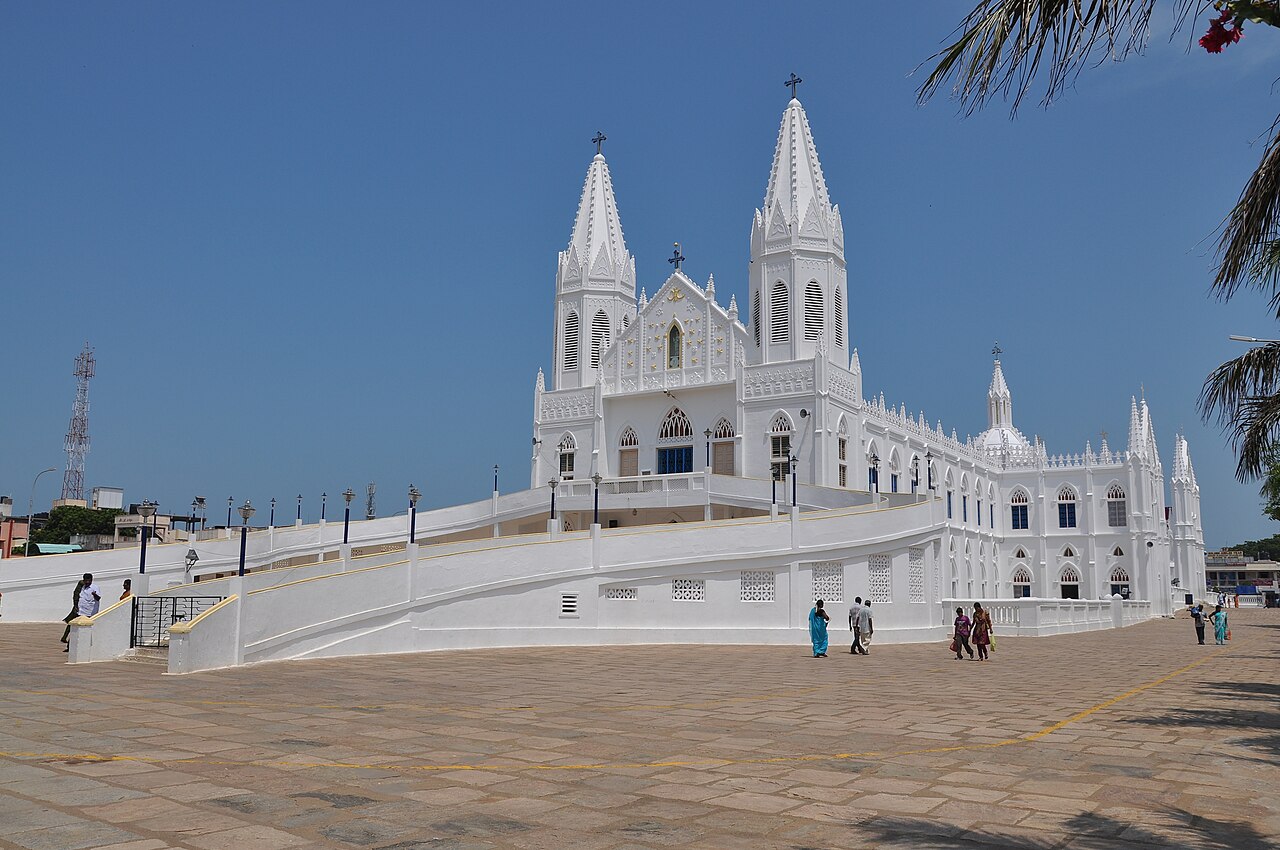
White Gothic Marian basilica on the Coromandel shore where Our Lady is held to have appeared to two Tamil boys in the 16th century. Called the Lourdes of the East, it draws millions of pilgrims, most of them Hindu and Muslim, to Annai Velankanni, the Mother of Good Health.
 Christianity
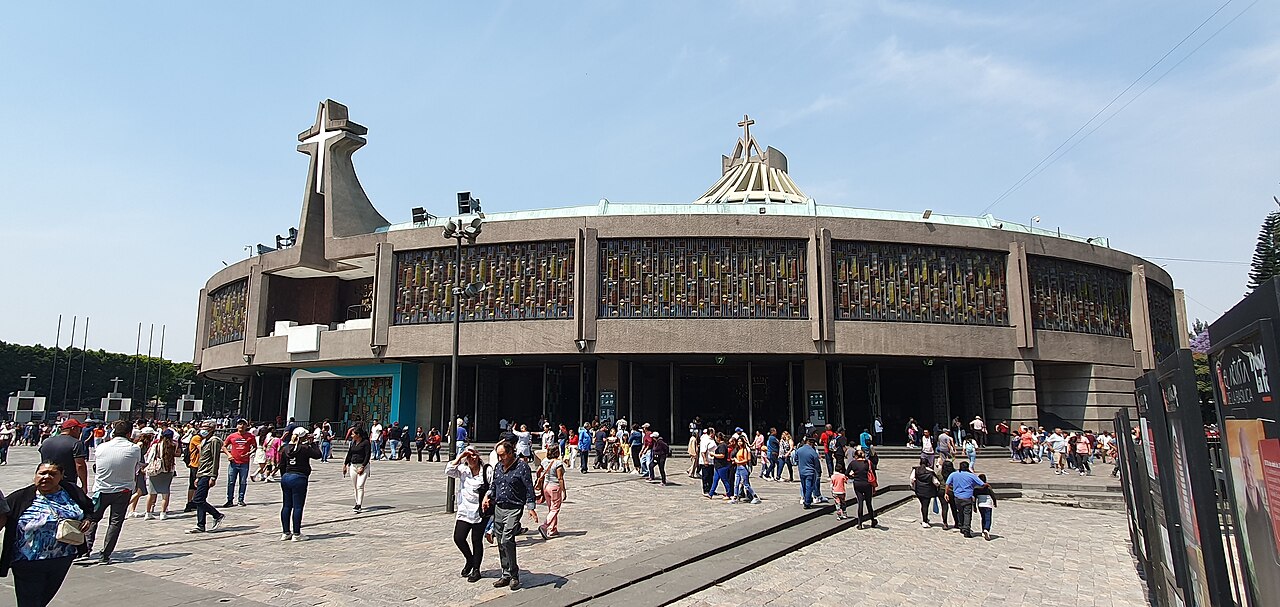
Basilica of Our Lady of Guadalupe
Mexico City · Mexico · church
The most visited Marian shrine in the world, built at the foot of Tepeyac hill where Our Lady appeared to St. Juan Diego in 1531; his tilma bearing her image hangs above the altar of the circular basilica of 1976.
 Christianity
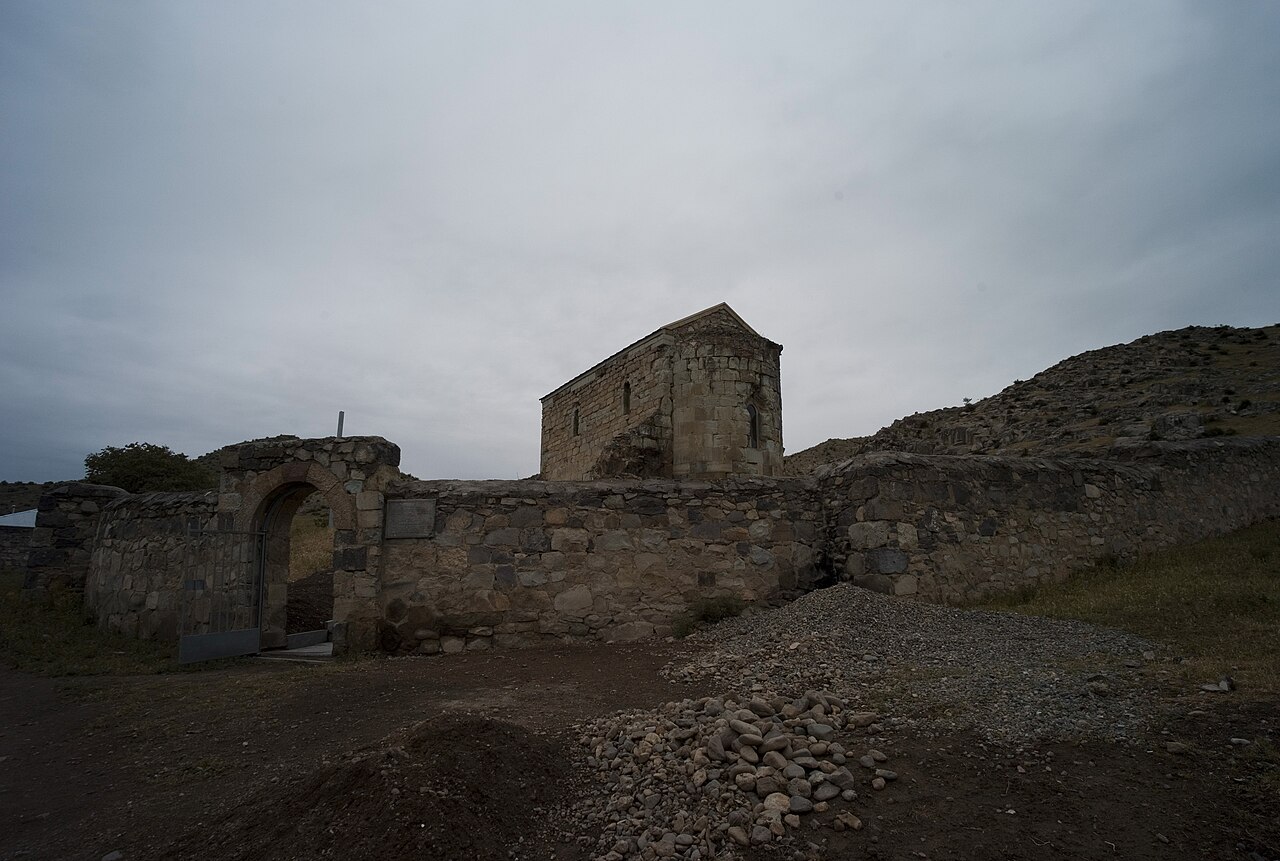
Bolnisi Sioni
· Georgia · church
A late-fifth-century Georgian Orthodox basilica in Bolnisi, the oldest surviving church building in Georgia, famed for its early Georgian-script inscriptions.