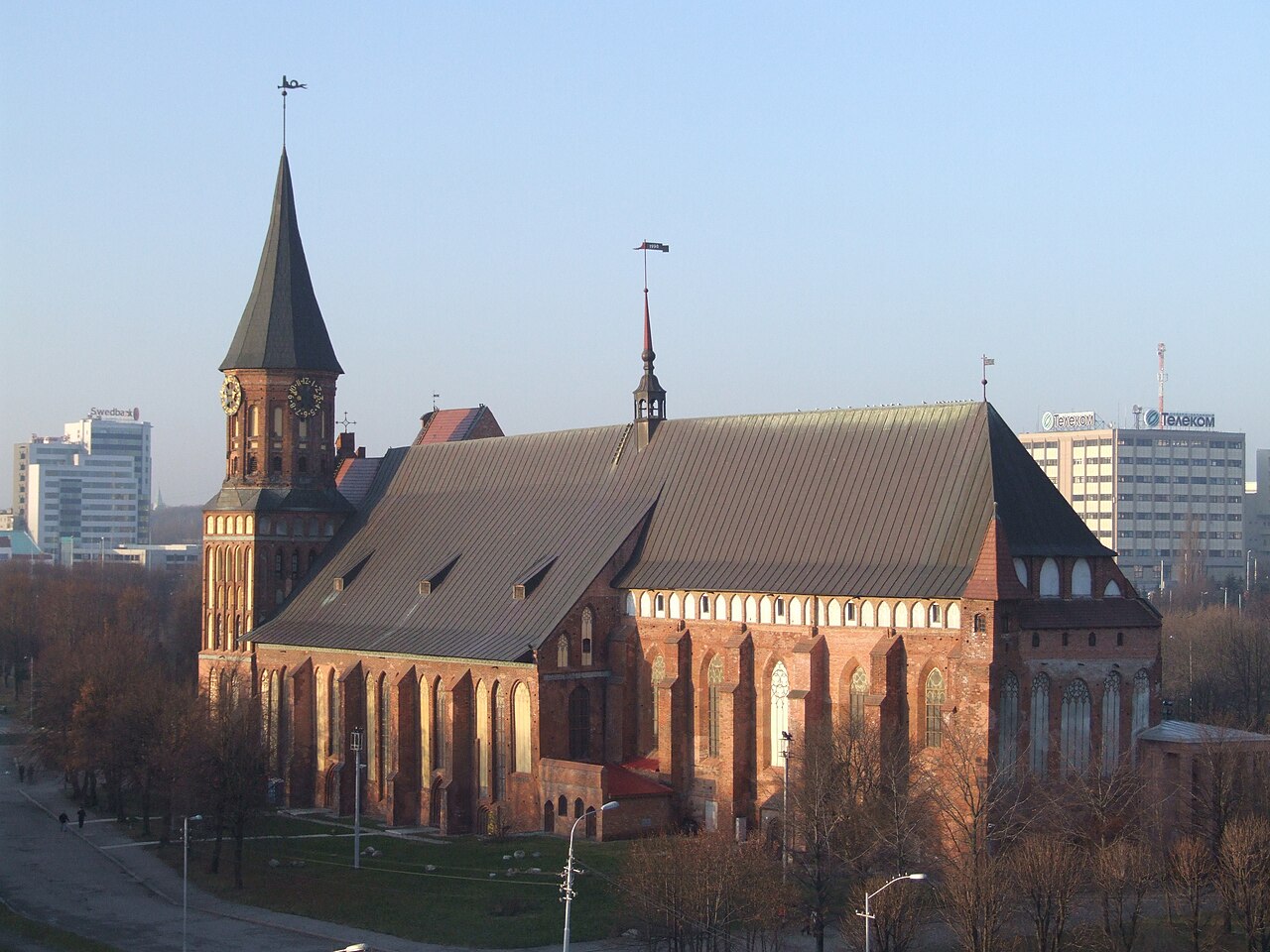
Königsberg Cathedral
Königsberger Dom · Kaliningrad Cathedral · Кафедральный собор · Cathedral of the Virgin Mary and St. Adalbert
About
Konigsberg Cathedral, in German the Konigsberger Dom, stands on Kneiphof island in the Pregolya river, the most prominent survivor of the historic city of Konigsberg, largely lost in the Second World War. The cathedral was raised as the seat of the Prince-Bishops of Samland from around 1330, after Bishop Johann Clare secured Kneiphof from the Teutonic Knights and confirmed the church's autonomy by treaty with Grand Master Luther von Braunschweig in 1333.
Built on marshy ground, the cathedral rests on hundreds of oak pilings. Its main structure was largely complete by 1380, with choir frescoes continuing into the late fourteenth century. The first Lutheran sermon was preached here by Johann Briesmann on 27 September 1523, and the cathedral became the church of the Albertina University in 1544, remaining Protestant until 1945.
In the closing months of the war, two nights of RAF raids in late August 1944 destroyed much of old Konigsberg and gutted the cathedral. Reconstruction began only after the dissolution of the Soviet Union, with a new spire lifted into place by helicopter in 1994 and bells installed in 1995 that now chime the opening of Beethoven's Fifth on the hour.
Today the rebuilt cathedral houses a Lutheran chapel, a Russian Orthodox chapel, and a museum. Adjoining its northeast corner is the mausoleum of Immanuel Kant, completed in 1924 to mark the bicentenary of his birth.
History
Bishop Johann Clare secured the eastern part of Kneiphof island from the Teutonic Knights in 1322 and confirmed the new cathedral's independence by a treaty with Grand Master Luther von Braunschweig in 1333. Built on marshy ground over hundreds of driven oak piles, the cathedral was largely complete by 1380 and served as the seat of the Prince-Bishops of Samland. It turned Lutheran in 1523 and became the church of the Albertina University in 1544, remaining Protestant until 1945. British bombing raids in late August 1944 gutted the building, and it stood as a burnt shell through the Soviet era until reconstruction began in 1992, with a new spire raised by helicopter in 1994 and new bells installed in 1995.
Significance
Rebuilt after decades as a ruin, the cathedral today holds a small Lutheran chapel and a Russian Orthodox chapel alongside a museum and a concert hall known for its organ recitals. Adjoining its northeast corner stands the mausoleum of Immanuel Kant, completed in 1924 for the bicentenary of the philosopher's birth, drawing visitors who come to honour the thinker remembered as the Sage of Königsberg as much as the cathedral itself.
Architecture
Brick Gothic (Backsteingotik); spire reconstructed in 1994 after wartime destruction
Visiting
Hours
Hours not listed.
Contact
Address
Engage with Königsberg Cathedral
Through the four pathways
Seva सेवा — Service
Offer your time and skills here. The following opportunities are open at Königsberg Cathedral:
No Seva offerings listed yet.
Sādhana साधना — Practice
Learn the worship and practice associated with Königsberg Cathedral:
No Sādhana offerings listed yet.
Sandhāna सन्धान — Wisdom
Unite with the wisdom of this tradition:
No Sandhāna offerings listed yet.
Sādhya साध्य — Giving
Support this sacred place according to your means:
No Sādhya offerings listed yet.
All giving flows directly to Königsberg Cathedral. Adisthan does not take a commission.
Gallery
Related sacred places
 Christianity
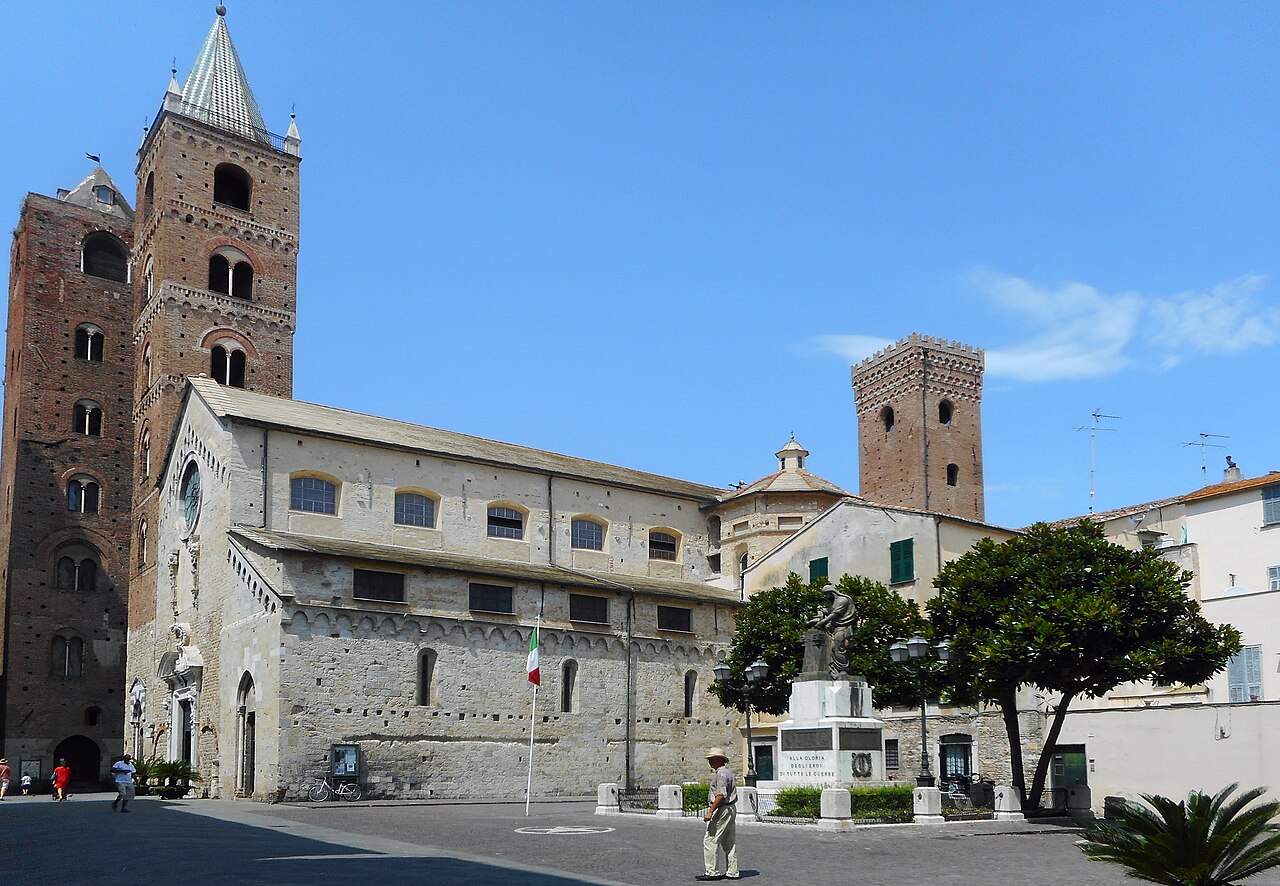
Albenga Cathedral
Albenga · Italy · church
The medieval cathedral of Albenga on Liguria's western coast, dedicated to Saint Michael the Archangel, its banded brick campanile rising over a nave first raised around 1100 on the foundations of a church from the turn of the fifth century.
 Christianity
Alexander Nevsky Cathedral
Sofia · Bulgaria · church
Sofia's golden-domed patriarchal cathedral, raised by the whole Bulgarian people as a memorial to the Russian, Bulgarian, Ukrainian, Moldavian, Finnish and Romanian soldiers who died in the 1877-1878 war that ended five centuries of Ottoman rule.
 Christianity
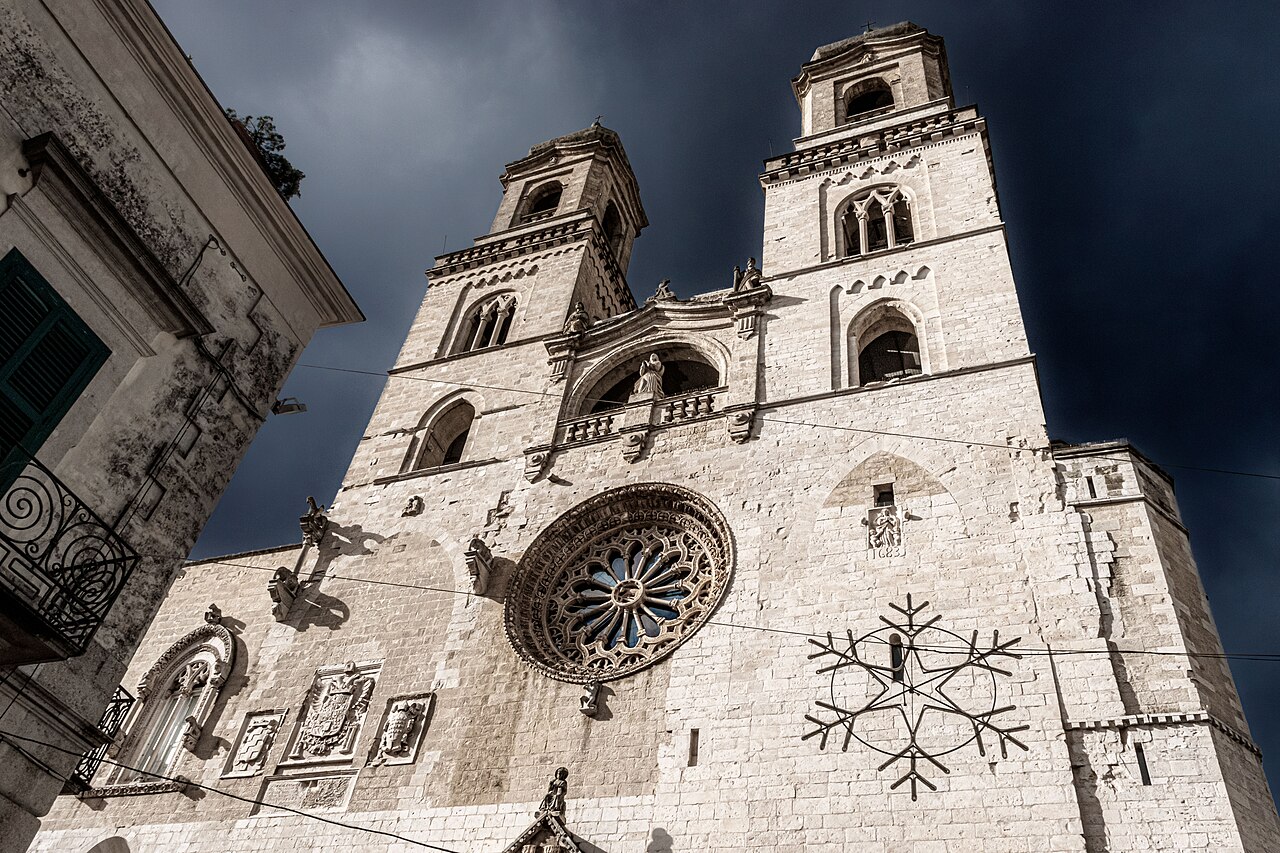
Altamura Cathedral
Altamura · Italy · church
A thirteenth-century 'palatine' cathedral in the Apulian hill town of Altamura, raised at the order of the Holy Roman Emperor Frederick II and dedicated to the Assumption of the Blessed Virgin Mary, its twin Gothic bell towers and carved rose window rising over the old town's main square.
 Christianity
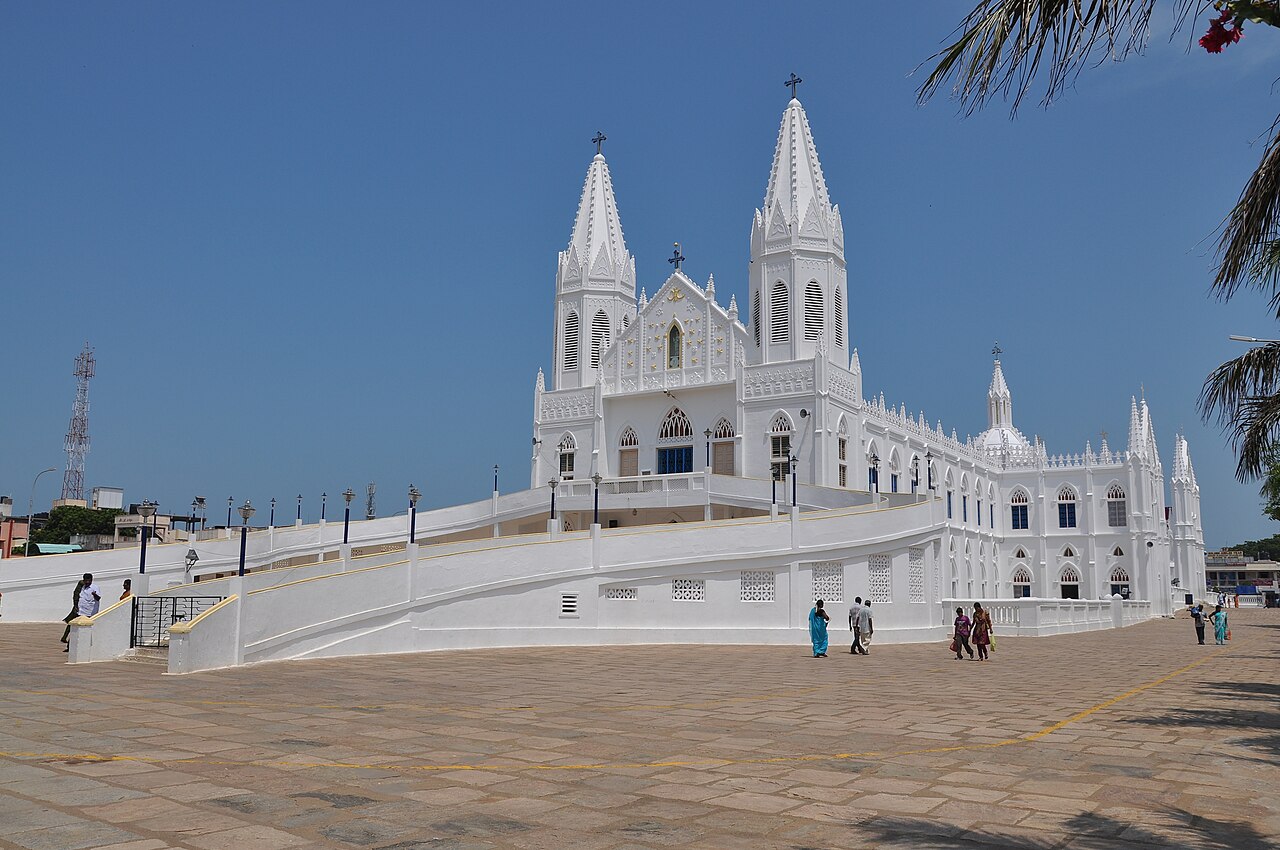
Basilica of Our Lady of Good Health
Velankanni · India · church
White Gothic Marian basilica on the Coromandel shore where Our Lady is held to have appeared to two Tamil boys in the 16th century. Called the Lourdes of the East, it draws millions of pilgrims, most of them Hindu and Muslim, to Annai Velankanni, the Mother of Good Health.
 Christianity
Basilica of Our Lady of Guadalupe
Mexico City · Mexico · church
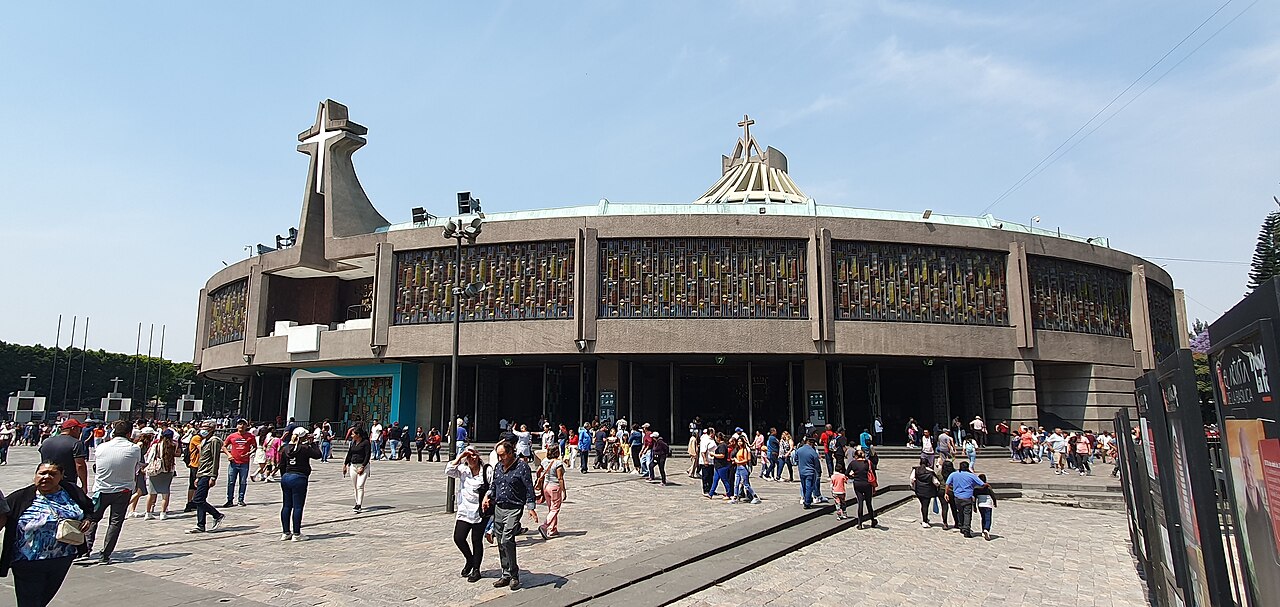
The most visited Marian shrine in the world, built at the foot of Tepeyac hill where Our Lady appeared to St. Juan Diego in 1531; his tilma bearing her image hangs above the altar of the circular basilica of 1976.
 Christianity
Bolnisi Sioni
· Georgia · church
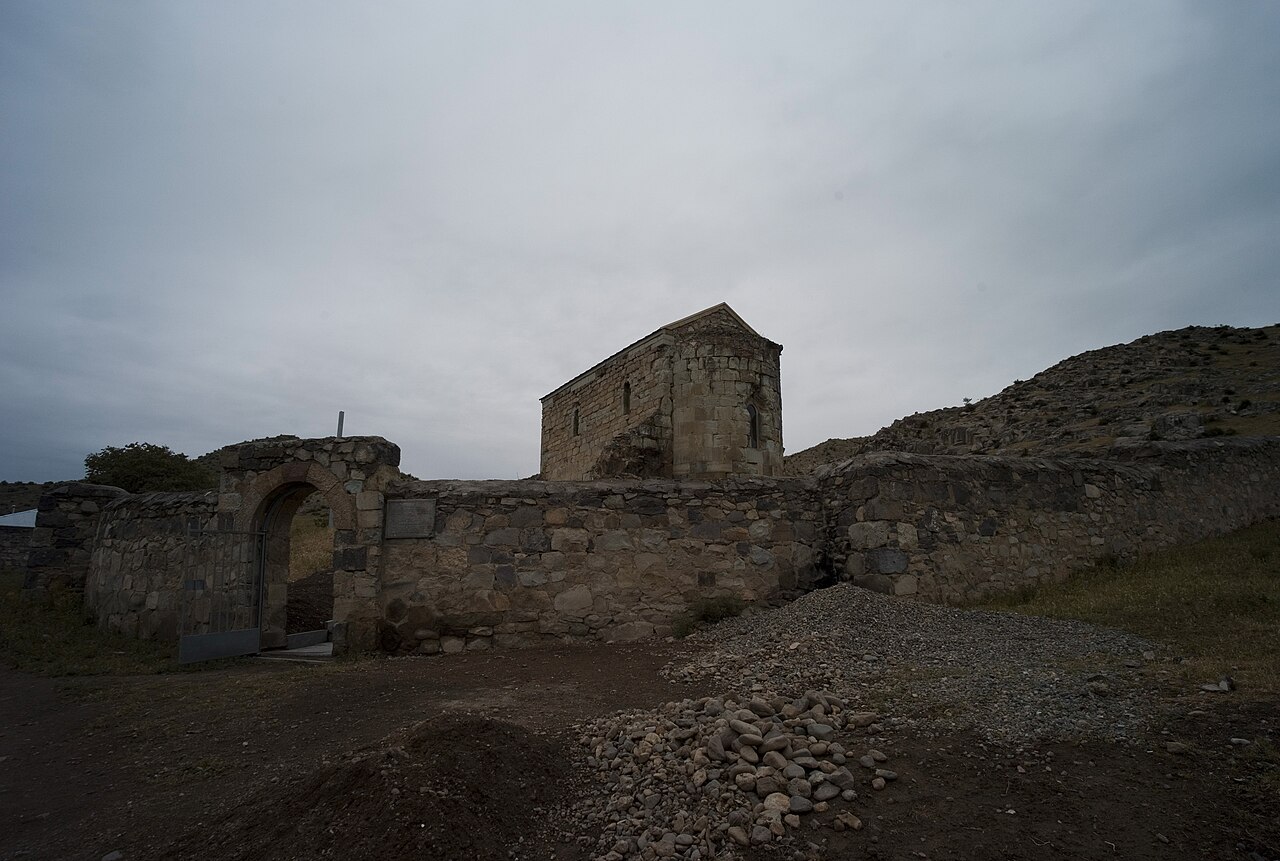
A late-fifth-century Georgian Orthodox basilica in Bolnisi, the oldest surviving church building in Georgia, famed for its early Georgian-script inscriptions.