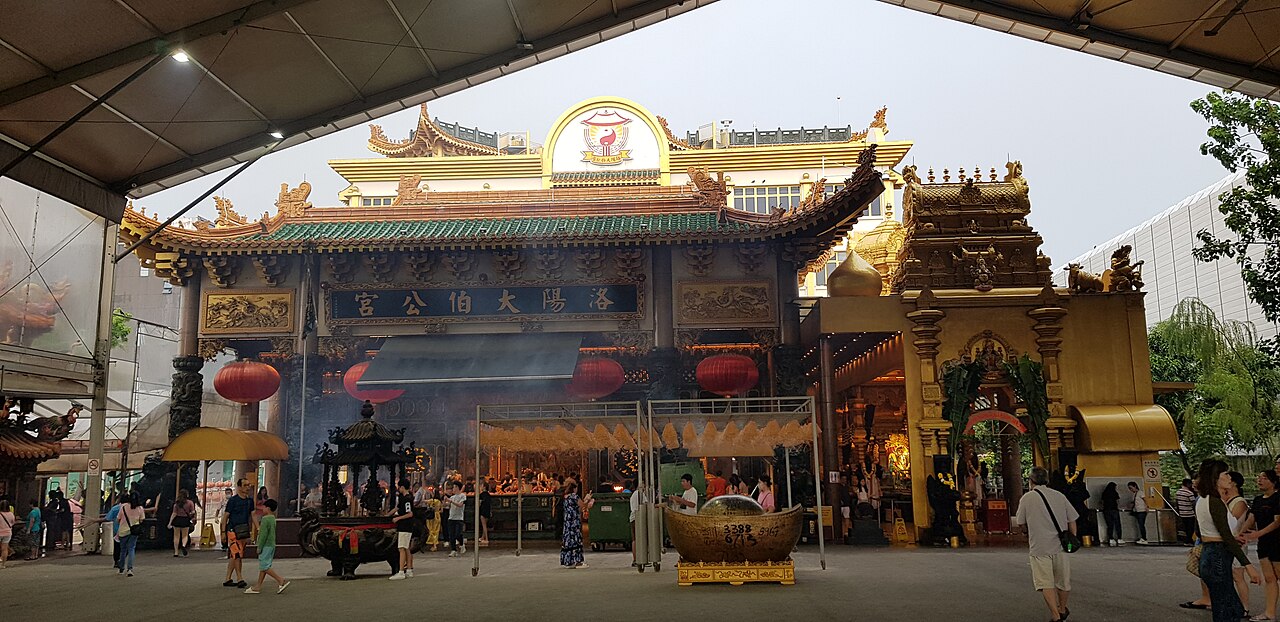
Loyang Tua Pek Kong Temple
洛陽大伯公宮 · Luoyang Tua Pek Kong Temple · Loyang Da Bo Gong
About
Few sacred spaces in Singapore reflect the island's plural religious life as vividly as the Loyang Tua Pek Kong Temple, a compound where three distinct traditions share not just proximity but genuine co-existence. The primary worship hall enshrines the Taoist pantheon: Tua Pek Kong himself, the Jade Emperor, the Tai Sui, and the bodhisattva Kṣitigarbha, whose effigy stands among them. Through an adjoining entrance, a dedicated Hindu sanctum presents sixteen Mahaganapati figures, the great elephant-headed form venerated across the diaspora.
Between these two devotional spaces, occupying its own carefully observed position, stands a Datuk Gong shrine fashioned in the shape of a gravesite, a Malay ancestral spirit sanctuary whose protocols require that anyone entering must not have eaten pork earlier that day. This quiet requirement, honoured by devotees of varying backgrounds, speaks to the mutual regard that defines the compound.
Situated at 20 Loyang Way, roughly three kilometres from the sea, the Temple grounds can receive upward of one hundred thousand worshippers, a capacity that reflects the scale of devotion the community has sustained across multiple relocations.
History
The Temple's story begins in the early 1980s, when fishermen working the Loyang coastline found Taoist and Hindu idols washed up on the shore and built a modest zinc-roofed shelter to house them; a Datuk Gong shrine was added soon after, when villagers felt they had received a sign to do so. Fire destroyed that original structure and nearly every idol within it in 1996, sparing only the effigy of Tua Pek Kong, and devotees rebuilt on a larger scale nearby in 2000. The congregation moved to its present site at 20 Loyang Way in August 2007, and in December 2019 the National Heritage Board included the Temple on the Pasir Ris Heritage Trail.
Significance
The Temple's own trustees describe it as one of the few in Singapore where Hindu deities are worshipped alongside Chinese ones under a single roof, a living demonstration of religious harmony rather than a formal doctrine. Devotees remember the Tua Pek Kong idol's survival through the 1996 fire as a sign of the deity's continuing protection, a conviction that has carried the congregation through three rebuildings to a compound now able to receive more than a hundred thousand worshippers.
Architecture
Chinese Temple architecture in the main hall, adjoining a South Indian-influenced Hindu shrine and a Malay-style Datuk Gong shrine within a single compound
Visiting
Daily worship
| Daily operating hours | 08:00 to 22:00 |
Hours
Hours not listed.
Contact
Engage with Loyang Tua Pek Kong Temple
Through the four pathways
Seva सेवा — Service
Offer your time and skills here. The following opportunities are open at Loyang Tua Pek Kong Temple:
No Seva offerings listed yet.
Sādhana साधना — Practice
Learn the worship and practice associated with Loyang Tua Pek Kong Temple:
No Sādhana offerings listed yet.
Sandhāna सन्धान — Wisdom
Unite with the wisdom of this tradition:
No Sandhāna offerings listed yet.
Sādhya साध्य — Giving
Support this sacred place according to your means:
No Sādhya offerings listed yet.
All giving flows directly to Loyang Tua Pek Kong Temple. Adisthan does not take a commission.
Gallery
Related sacred places
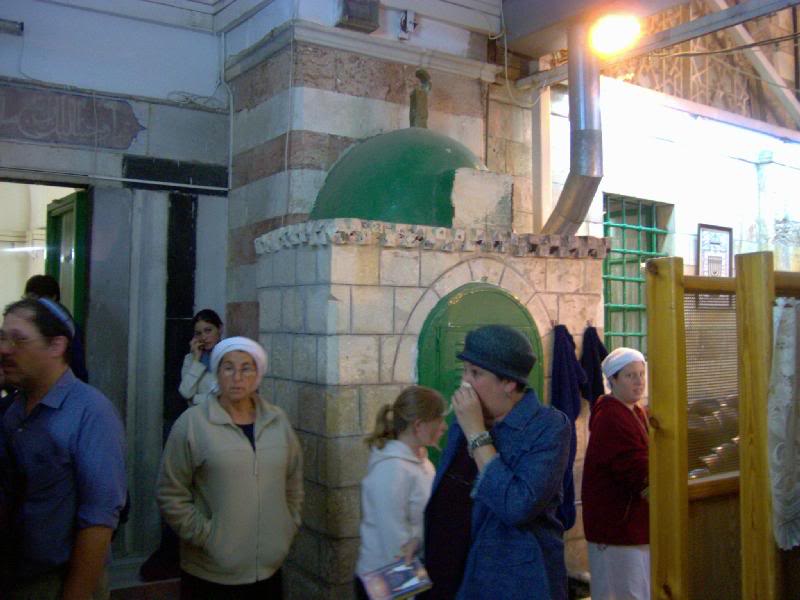 Multi-faith
Cave of the Patriarchs (Ibrahimi Mosque)
Hebron · Palestine · shrine
A Herodian stone enclosure in Hebron's Old City holding the traditional graves of Abraham, Sarah, Isaac, Rebecca, Jacob and Leah, revered as Me'arat HaMachpela by Jews and as the Ibrahimi Mosque by Muslims, and divided since 1994 into a synagogue and a mosque under one roof.
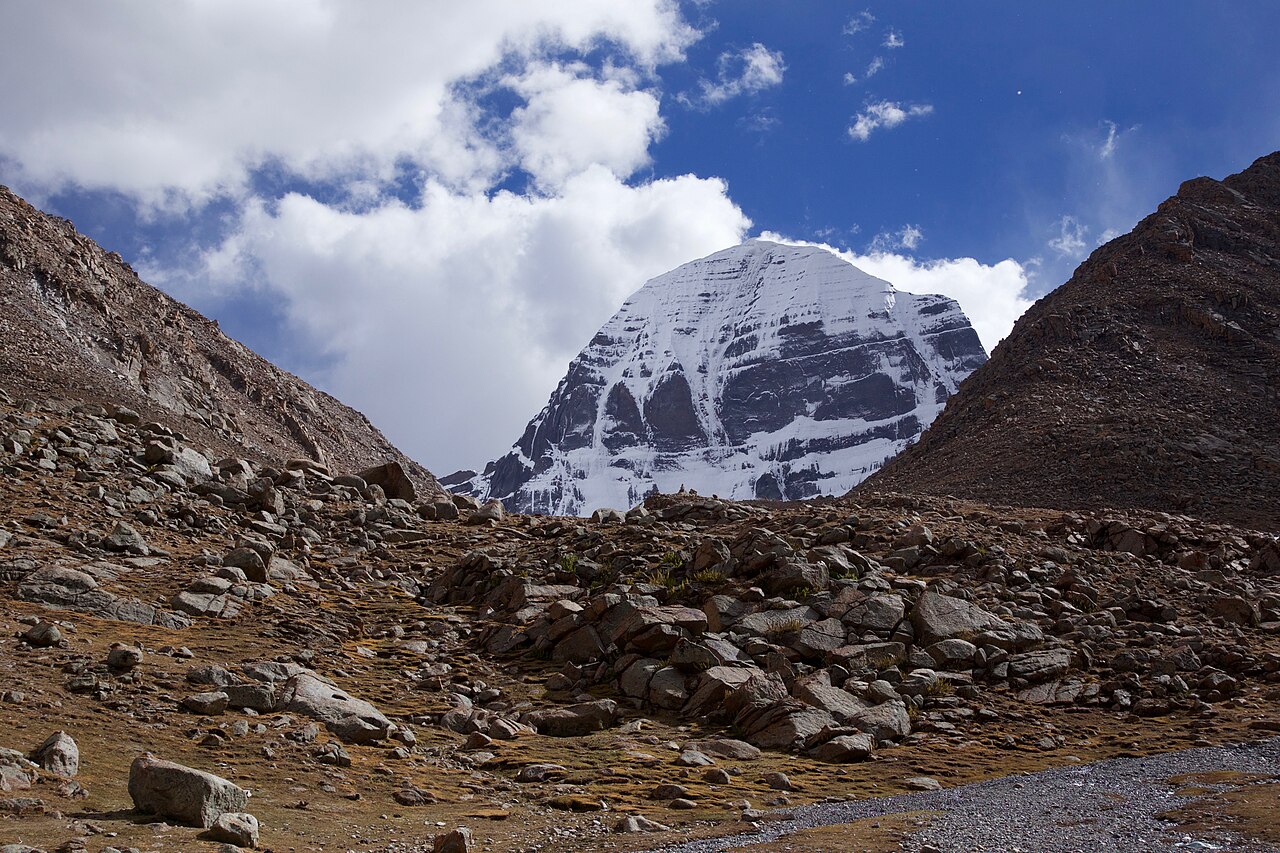 Multi-faith
Mount Kailash and Lake Mansarovar
Ngari Prefecture · China · sacred natural site
The unclimbed 6,638 m peak of western Tibet, held holy by Hindus, Buddhists, Jains and Bonpos alike, circled by the 53 km kora beside the sacred freshwater of Lake Mansarovar.