Vibhash Shakti Peeth Beside the Roopnarayana A living Kali shrine Durga Puja & Kali Puja Tamluk Junction rail
The Roopnarayana moves wide and slow past Tamluk, and above its bank rises the ancient Temple of Maa Bargabhima. Bells sound, and the smell of cooked fish drifts from where Her daily bhog is prepared, telling you this is Bengal's own Shakta way. You are standing where the Left Ankle Of Maa Sati Fell to earth.
One of the Fifty-One Shakti Peethas: tradition holds that the Left Ankle Of Maa Sati Fell on this ground beside the Roopnarayana, and the Vibhash Shakti Peeth was born.
Here The Goddess Is Worshipped as Maa Kapalini Devi, Bhimarupa, whom Bengal calls Maa Bargabhima and Bhimakali: a Kali shrine whose sanctity is far older than its present walls.
A shrine of oaths: many freedom fighters of Midnapore district swore Before Maa to walk the path of dharma and free their motherland, and the revolutionary Khudiram Bosu came here to offer puja.
The Ankle that fell, the land that Bhima won
The old telling begins with grief. When Maa Sati Gave Up Her body and Shiva carried Her across the worlds, Her Form came to earth in Fifty-One places, and each falling place became a Shakti Peetha. Beside the Roopnarayana at Tamluk Fell Her Left Ankle, and this ground has belonged To The Mother ever since.
The place itself is named in the Mahabharata as land acquired by Bhima, and local accounts credit the Tamluk Raj family with raising the shrine. The structure you see is newer than the sanctity it holds: after Bengal fell under Islamic occupation in the medieval centuries the Temple was raised anew, old Bengali literature mentions it several times, and today the West Bengal government has declared it a Heritage Site.
What you'll actually see
1
A Temple of two currents
The Temple carries a mingling of Bengali Hindu and Buddhist culture in its fabric, a meeting of streams that is part of its character. It stands honoured as one of the Fifty-One Peethas Of Maa Durga, known to devotees as the Vibhash Shakti Peeth and as Bhimakali Mandir.
2
The daily bhog Of Maa
Prasad is prepared every day For Devi Bargabhima, and in the manner of most Shakti Temples Her bhog is not vegetarian. A cooked snakehead murrel, the shol mach, is a mandatory part of what is offered To Her.
3
The oath ground of Midnapore
Because of its Shakti tradition, many freedom fighters of Midnapore district took their oaths at this Temple, vowing to follow dharma and liberate their motherland through armed revolution. Khudiram Bosu, the celebrated revolutionary, would come to this Temple to offer his puja.
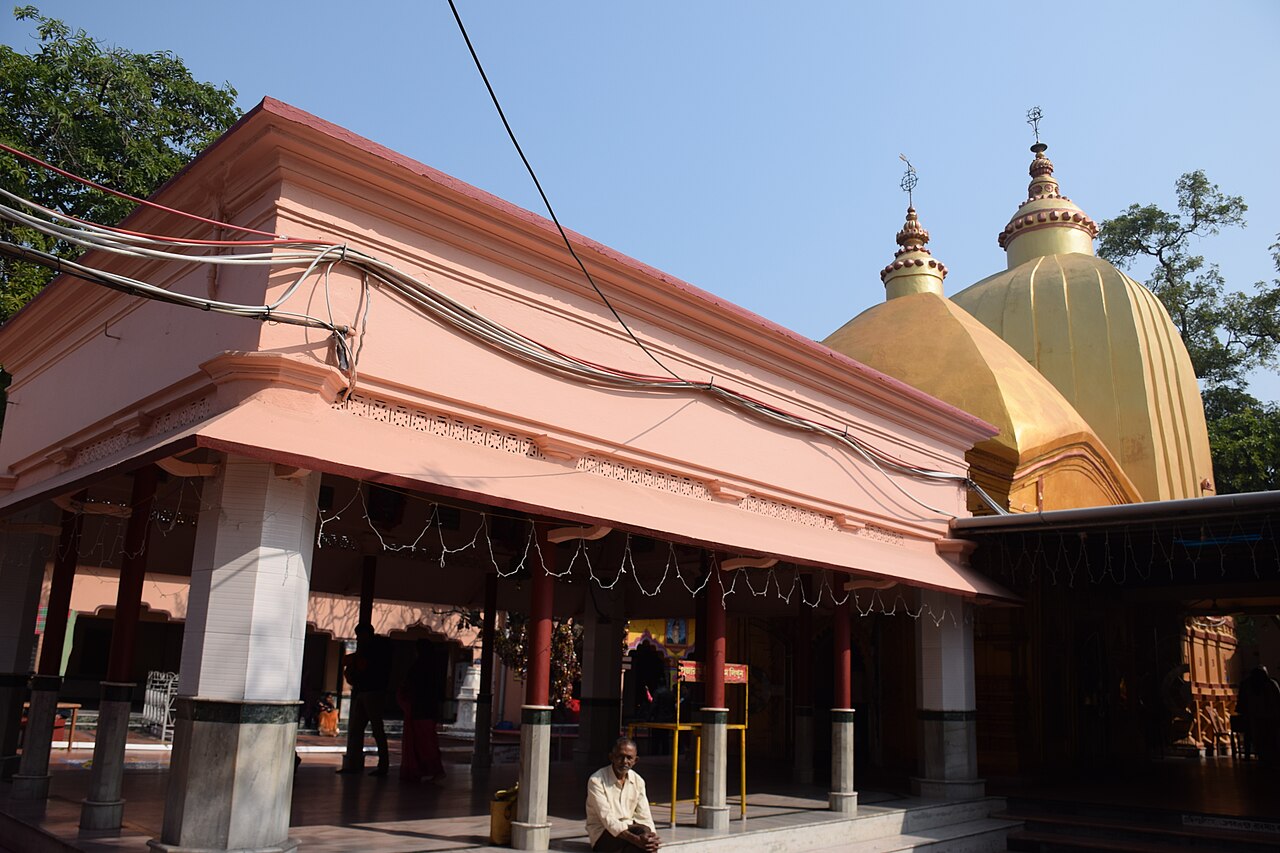
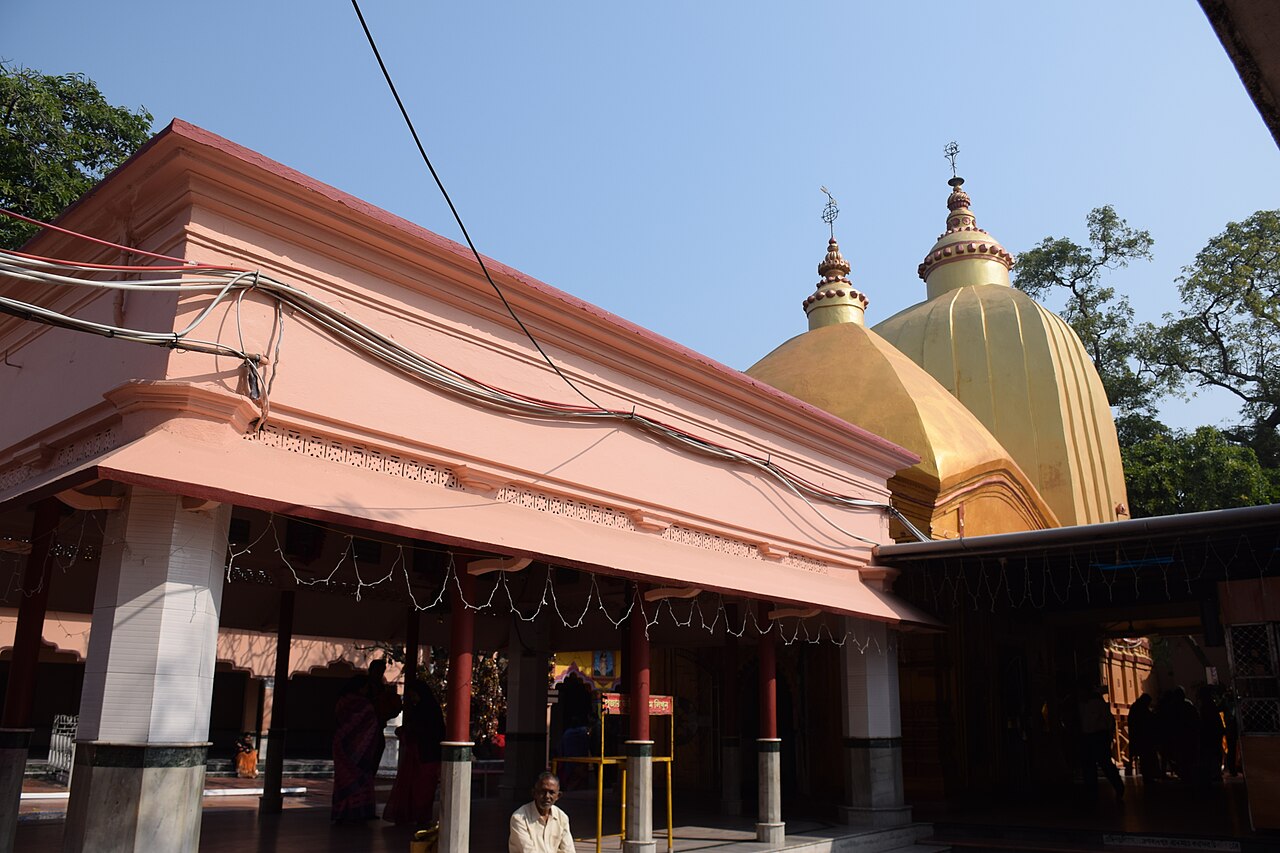
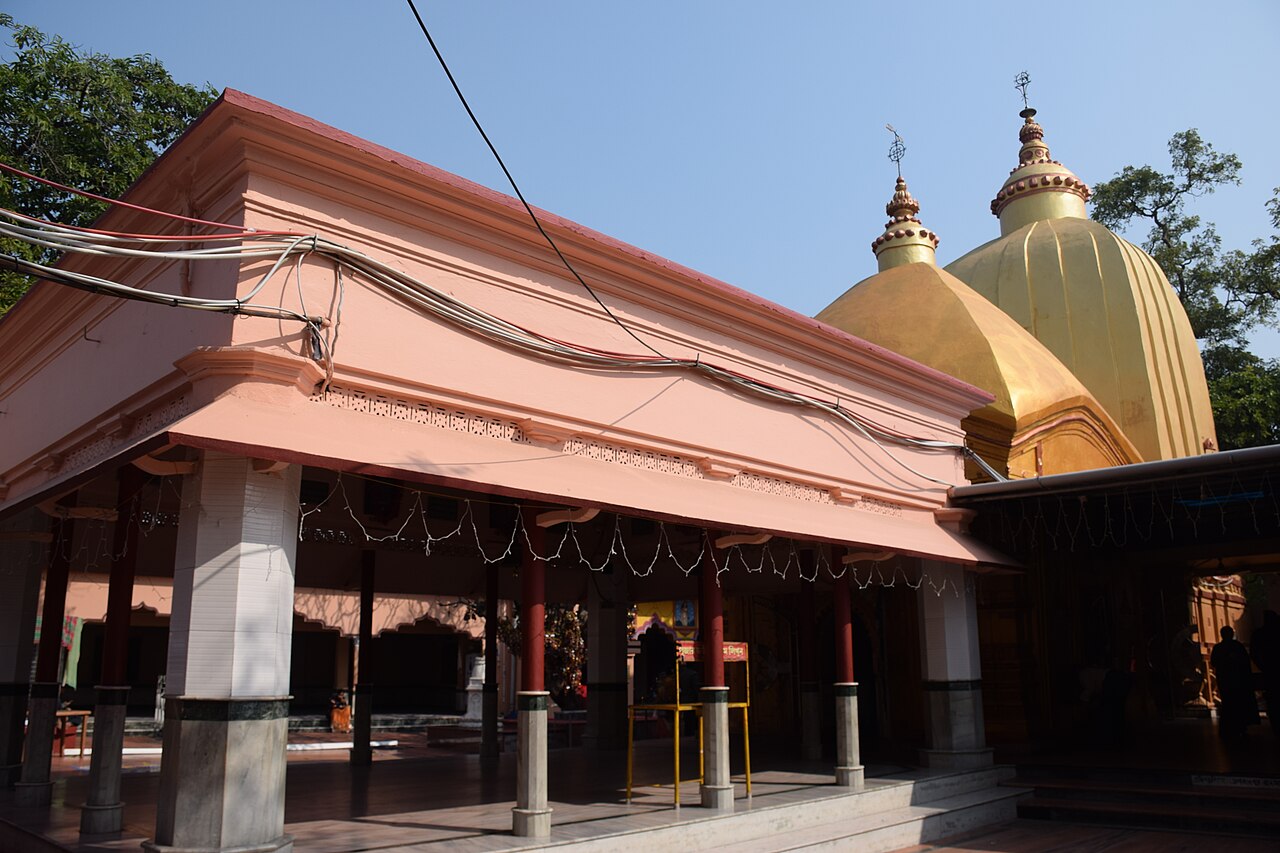
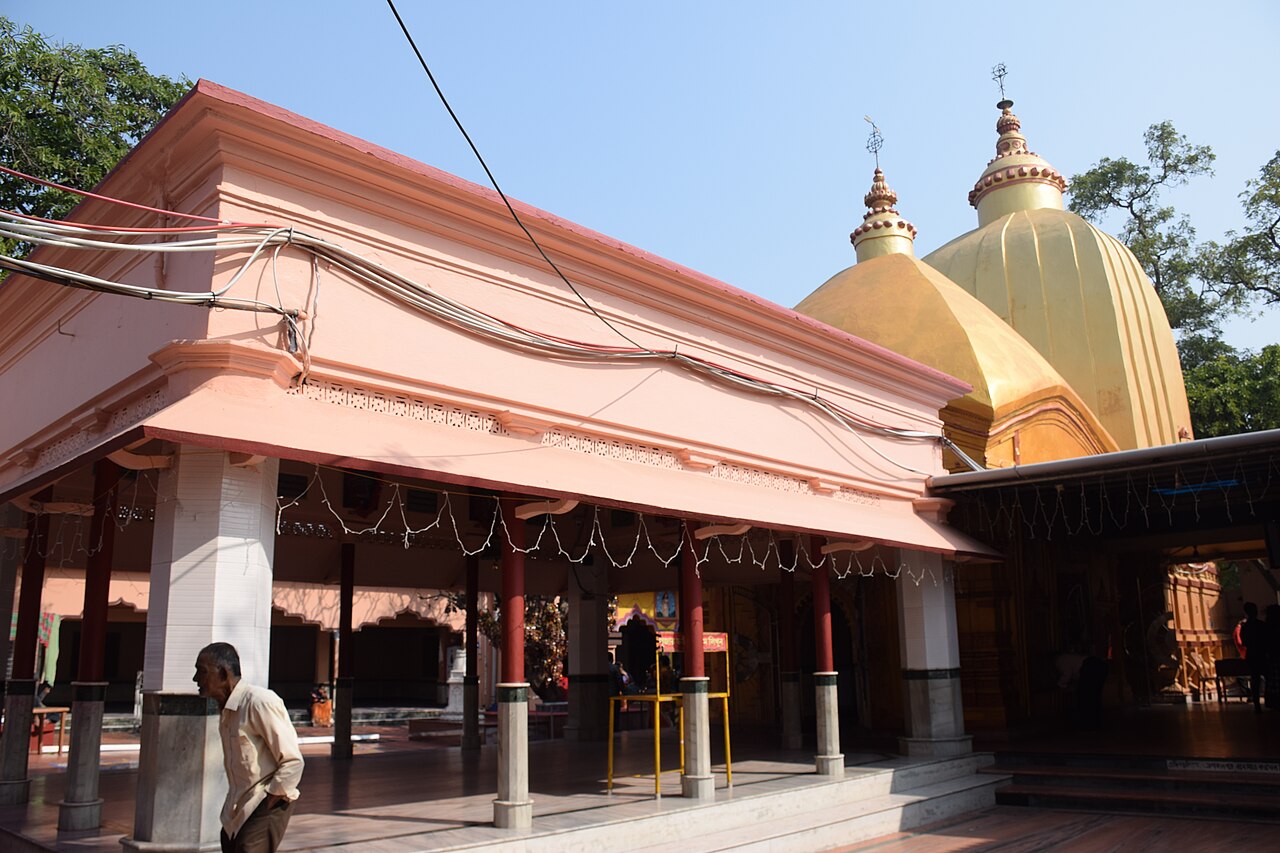
The Temple of Maa Bargabhima at Tamluk, seat of the Vibhash Shakti PeethThe shrine of Maa Bargabhima in Tamluk town, Purba Medinipur, West Bengal
The temple of Maa Bargabhima at Tamluk · photos CC BY-SA / CC BY, Wikimedia Commons
The offering found nowhere else
The shol mach cooked For Maa, every single day
Every day, without fail, prasad is prepared For Devi Bargabhima. Like most Shakti Temples Her bhog is non-vegetarian, and one dish is mandatory: a cooked snakehead murrel, the shol mach of Bengal's rivers and ponds. The old bali ritual of sacrifice has been abolished here, though once each year it still takes place.
If a fish offering surprises you, know that this is the old Shakta way of Bengal. Come with an open heart, and ask at the Temple how the day's bhog is distributed.
Plan your visit
By rail
Tamluk Junction station, on the south eastern railway; lines link Tamluk with Howrah, Panskura, Haldia and Digha.
By road
About 87 km from Kolkata and 85 km from Kharagpur, well connected by NH 116 and SH 4.
Timings
Darshan hours are not recorded here; confirm with the Temple office before you travel.
Best time
Ordinary mornings are quietest; Durga Puja, Kali Puja and the Bengali new year bring the largest gatherings.
Dress
Modest Temple dress, shoulders and knees covered, as at any Devi shrine in Bengal.
Offerings
Prasad is prepared daily For Devi Bargabhima; ask at the shrine how to make your own offering.
Her prasad is non-vegetarian, as at most Shakti Temples, and a cooked shol mach, the snakehead murrel, is a required part of what is offered To Her each day.
The bali ritual of sacrifice has been abolished at the Temple, though it still takes place once each year.
The Temple blends Bengali Hindu and Buddhist culture, and West Bengal's government has declared it a Heritage Site.
Questions pilgrims ask
Which Part Of Maa Sati Fell at Tamluk?
Her Left Ankle. Tradition counts this Temple among the Fifty-One Shakti Peethas Of Maa Durga, and knows it as the Vibhash Shakti Peeth.
Who Is The Goddess Worshipped here?
Maa Is Worshipped as Maa Kapalini Devi, Bhimarupa, whom devotees call Maa Bargabhima Devi, and the shrine is also known as Bhimakali Mandir. It is a Kali Temple, sacred To Maa Sati.
When are the great festivals?
Local people celebrate on a large scale at Durga Puja, Kali Puja and the Bengali new year. Come then for the fullest festival life, or on an ordinary morning for quiet darshan.
Dharamshalas and guest houses near this Sthan, shared by devotees. Adisthan takes no bookings and no money; contact each stay directly.
No stays are listed here yet. Know one that serves pilgrims well?
Are you a priest, trustee, or sevak of Maa Bargabhima's Temple at Tamluk? Claim this page to add true timings, live darshan updates, and a way for pilgrims To actually reach you.