
Naples Cathedral
Duomo di Napoli · Cattedrale di Santa Maria Assunta · Cattedrale di San Gennaro
About
Naples Cathedral, in Italian the Duomo di Napoli and officially the Cattedrale di Santa Maria Assunta, is the principal church of Naples and the seat of its archbishop. Across the city it is most often called the Cattedrale di San Gennaro, in honour of Saint Januarius, the patron whose memory shapes the liturgical and civic life of Naples.
The present building was raised in the Angevin Gothic style at the command of King Charles I of Anjou and rose through the reign of Charles II between 1285 and 1309, reaching completion under Robert of Anjou in the early fourteenth century. It was built upon the foundations of two earlier palaeo-Christian basilicas, whose remains can still be traced beneath the floor.
Within lies an extraordinary gathering of art and devotion. The Royal Chapel of the Treasure of San Gennaro carries frescoes by Domenichino and Lanfranco, altarpieces by Domenichino, Massimo Stanzione, and Jusepe Ribera, a high altar by Solimena, and a bronze railing by Fanzago. Elsewhere are an Assumption by Perugino, canvases by Luca Giordano, and the fourteenth-century frescoes of the Minutolo Chapel mentioned by Boccaccio.
The cathedral preserves a vial of the blood of Saint Januarius, brought out three times each year on the first Saturday in May, on 19 September, and on 16 December. The dried substance is said to liquefy each time, and tradition holds that failure portends misfortune. On 21 March 2015 the blood liquefied during a visit by Pope Francis.
History
King Charles I of Anjou began the cathedral in 1272 in the Angevin Gothic style, and construction continued under Charles II before completion in the early fourteenth century under Robert of Anjou, raised over the remains of two earlier paleo-Christian basilicas. The fifteenth-century portal and its sculptures by Tino da Camaino survive at the entrance, though the facade itself was rebuilt in a neo-Gothic style by Enrico Alvino in the late nineteenth century. Pope Innocent IV, King Charles I of Naples, and a long line of archbishops are buried within, alongside Saint Restituta in the paleo-Christian basilica that still opens from the north aisle.
Significance
The cathedral's Royal Chapel of the Treasure of San Gennaro gathers Baroque work by Domenichino, Jusepe Ribera, Massimo Stanzione, and Francesco Solimena around the vial said to hold the martyred bishop's blood, brought out for the faithful on the first Saturday of May, on 19 September, and on 16 December. Neapolitans have watched for the blood's liquefaction at each of these three gatherings for generations, and the day it fails to loosen is still spoken of as an omen for the city. As the seat of the Archbishop of Naples, the cathedral remains San Gennaro's living shrine as much as it is Santa Maria Assunta's.
Architecture
Angevin Gothic basilica with a 15th-century portal, a neo-Gothic facade reworked by Enrico Alvino in the late 19th century, and a Baroque Royal Chapel of the Treasure of San Gennaro
Visiting
Daily worship
| Weekday Mass | 09:00 to | |
| Weekday Mass | 18:30 to | |
| Sunday and holiday Mass | 09:00 to | |
| Sunday and holiday Mass | 11:00 to | |
| Sunday and holiday Mass | 12:30 to | |
| Sunday and holiday Mass | 18:30 to |
Hours
Hours not listed.
Contact
Engage with Naples Cathedral
Through the four pathways
Seva सेवा — Service
Offer your time and skills here. The following opportunities are open at Naples Cathedral:
No Seva offerings listed yet.
Sādhana साधना — Practice
Learn the worship and practice associated with Naples Cathedral:
No Sādhana offerings listed yet.
Sandhāna सन्धान — Wisdom
Unite with the wisdom of this tradition:
No Sandhāna offerings listed yet.
Sādhya साध्य — Giving
Support this sacred place according to your means:
No Sādhya offerings listed yet.
All giving flows directly to Naples Cathedral. Adisthan does not take a commission.
Festivals & Events
- Sept
Feast of San Gennaro
19 September 2026 · annual
On 19 September, the anniversary of the saint's martyrdom, Naples keeps its patronal feast with the blood's second liquefaction of the year, drawing the city's faithful to the Duomo in full.
- Dec
Miracle of San Gennaro (December)
16 December 2026 · annual
A third liquefaction on 16 December, sometimes called the lay miracle, closes the year's cycle and is kept with particular devotion by Neapolitans as a sign of the city's continued protection.
- May
Miracle of San Gennaro (May)
1 May 2027 · annual
Each year on the first Saturday of May, the faithful gather in the cathedral to watch the dried blood of Saint Januarius liquefy in its vial, a rite that recalls the translation of his relics from Pozzuoli to Naples.
Gallery
Related sacred places
 Christianity
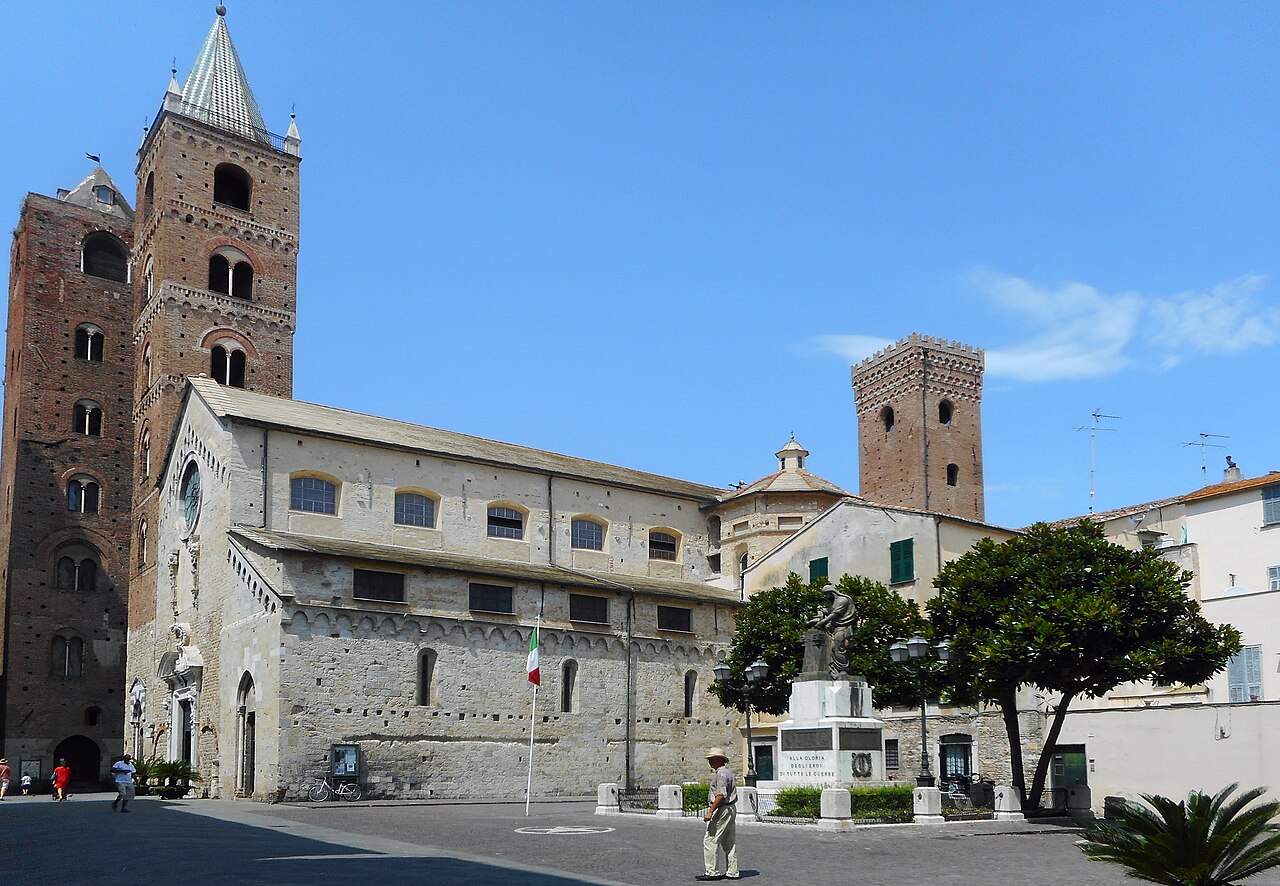
Albenga Cathedral
Albenga · Italy · church
The medieval cathedral of Albenga on Liguria's western coast, dedicated to Saint Michael the Archangel, its banded brick campanile rising over a nave first raised around 1100 on the foundations of a church from the turn of the fifth century.
 Christianity
Alexander Nevsky Cathedral
Sofia · Bulgaria · church
Sofia's golden-domed patriarchal cathedral, raised by the whole Bulgarian people as a memorial to the Russian, Bulgarian, Ukrainian, Moldavian, Finnish and Romanian soldiers who died in the 1877-1878 war that ended five centuries of Ottoman rule.
 Christianity
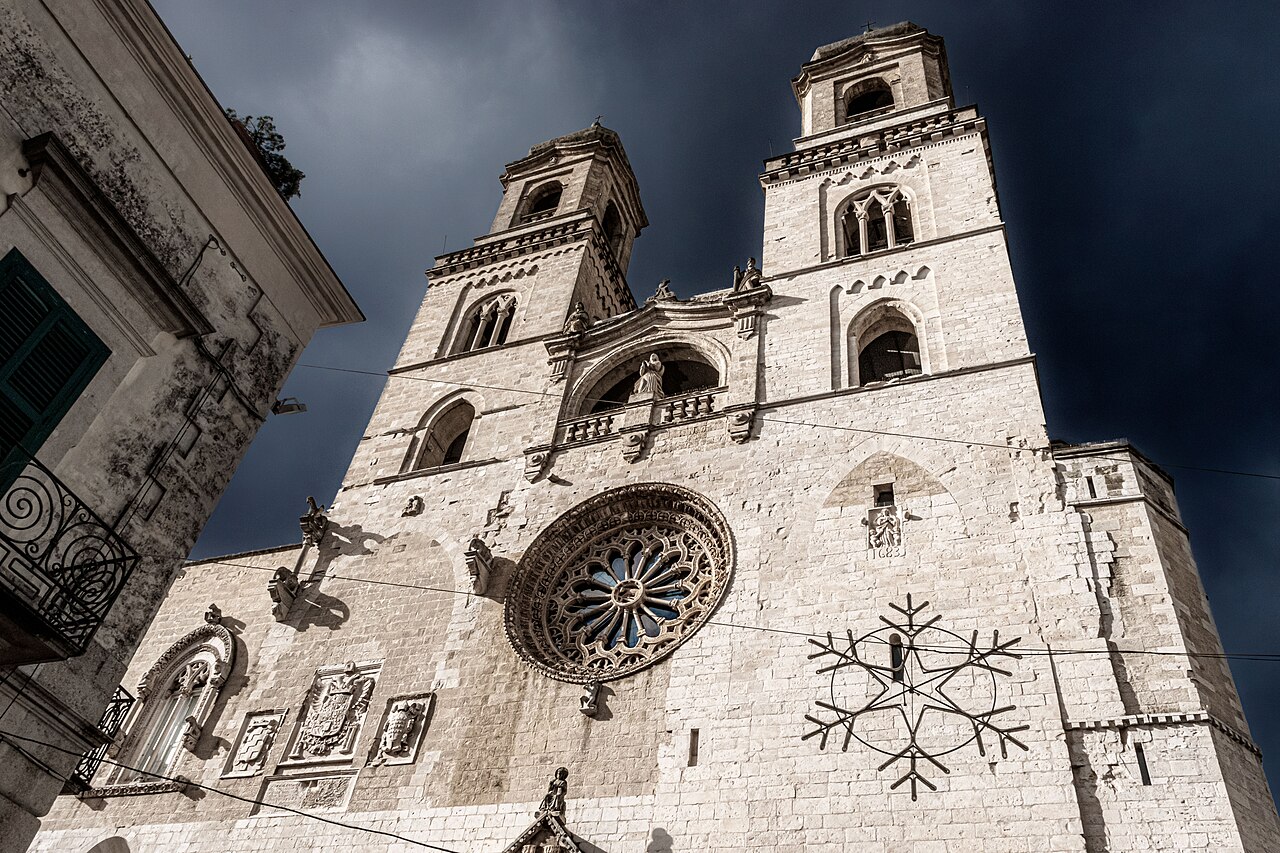
Altamura Cathedral
Altamura · Italy · church
A thirteenth-century 'palatine' cathedral in the Apulian hill town of Altamura, raised at the order of the Holy Roman Emperor Frederick II and dedicated to the Assumption of the Blessed Virgin Mary, its twin Gothic bell towers and carved rose window rising over the old town's main square.
 Christianity
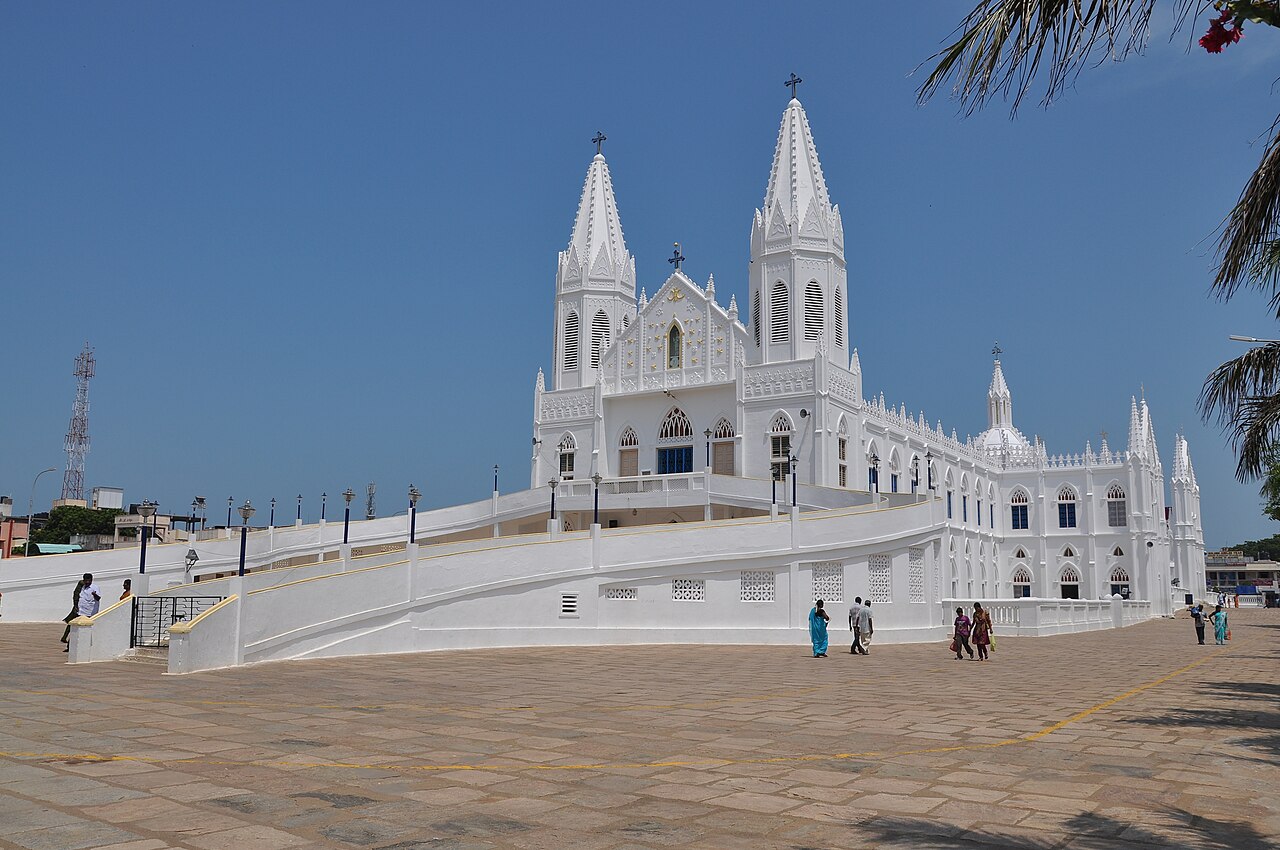
Basilica of Our Lady of Good Health
Velankanni · India · church
White Gothic Marian basilica on the Coromandel shore where Our Lady is held to have appeared to two Tamil boys in the 16th century. Called the Lourdes of the East, it draws millions of pilgrims, most of them Hindu and Muslim, to Annai Velankanni, the Mother of Good Health.
 Christianity
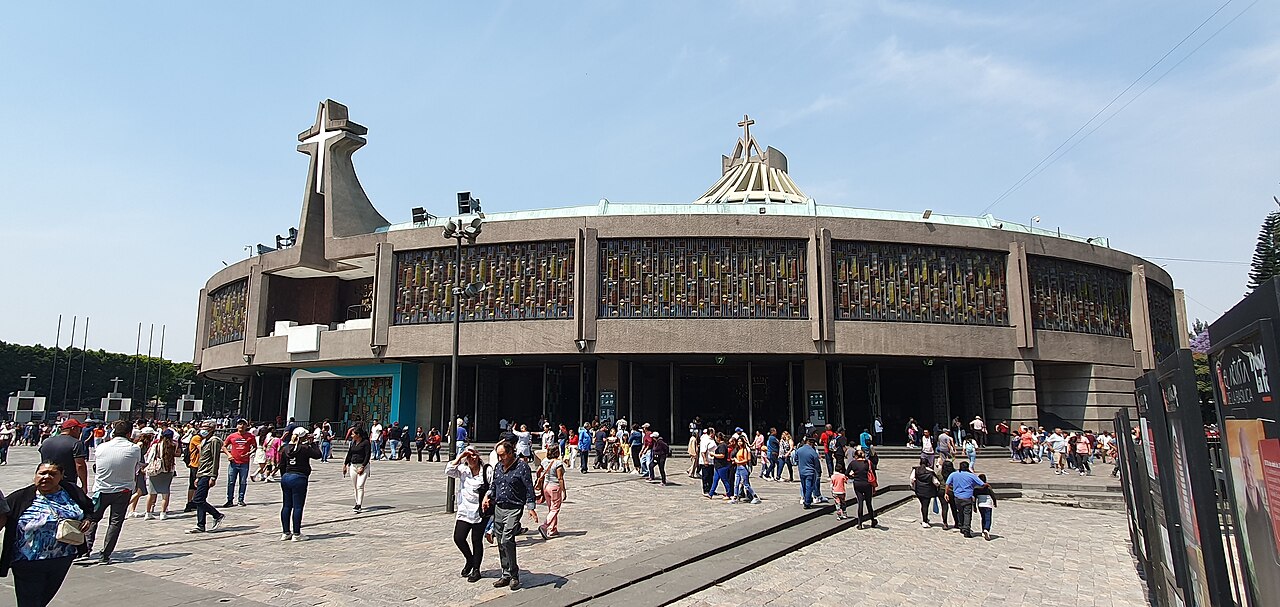
Basilica of Our Lady of Guadalupe
Mexico City · Mexico · church
The most visited Marian shrine in the world, built at the foot of Tepeyac hill where Our Lady appeared to St. Juan Diego in 1531; his tilma bearing her image hangs above the altar of the circular basilica of 1976.
 Christianity
Bolnisi Sioni
· Georgia · church
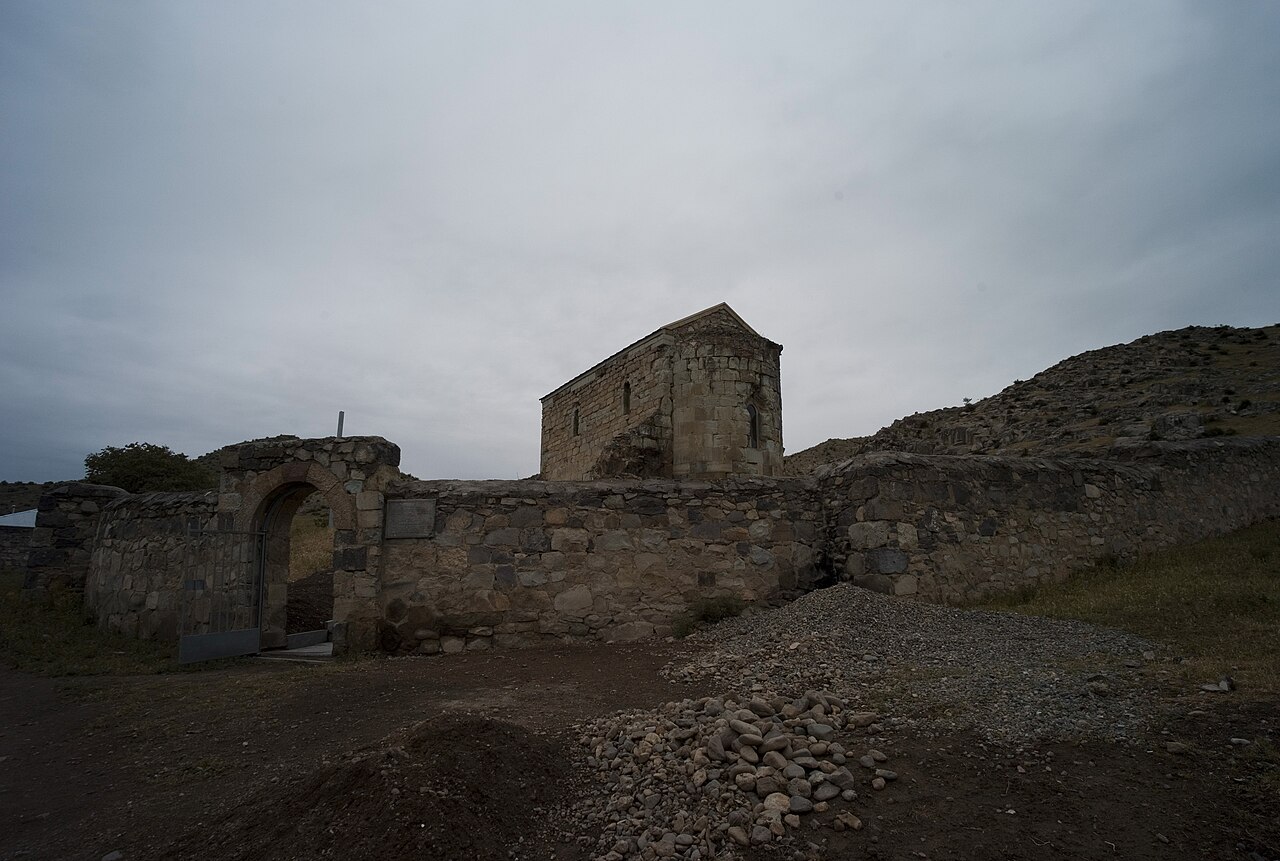
A late-fifth-century Georgian Orthodox basilica in Bolnisi, the oldest surviving church building in Georgia, famed for its early Georgian-script inscriptions.