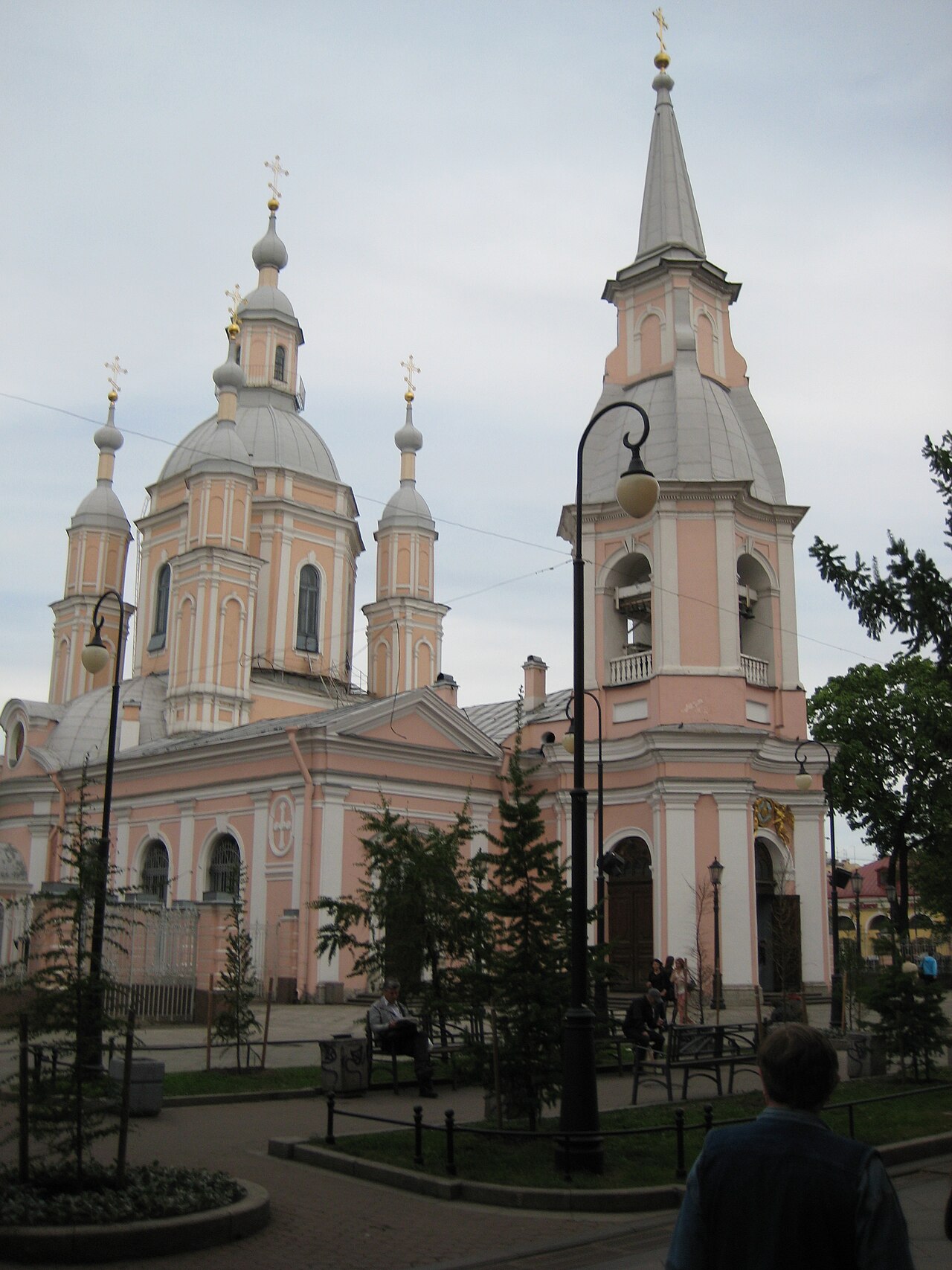
Saint Andrew's Cathedral, St Petersburg
Andreevsky Sobor · Cathedral of Saint Andrew the First-Called
About
Rising above Vasilyevsky Island in Saint Petersburg, the Cathedral of Saint Andrew, known in Russian as Андреевский собор, stands as the last flowering of Baroque ecclesiastical architecture in the city. Its five domes crown a pastel-pink exterior that still draws the eye across the surrounding streets, while the interior, though restrained in decoration, preserves an iconostasis whose Baroque grandeur speaks to the piety of the eighteenth century.
The cathedral's association with the Order of Saint Andrew, Russia's earliest and most prestigious order of knighthood, lent it a ceremonial weight beyond ordinary parish life. A special space was maintained within its walls for the tsar through the early nineteenth century, and Emperor Paul later enriched the entrance with an angelic relief depicting the order's emblems. A pyramidal bell-tower, connected to the main body of the church by a refectory and built in two tiers during the 1780s, once housed ten bells, the largest exceeding four tons in weight.
A separate stone church dedicated to the Three Holy Men, founded nearby in 1740, still stands alongside the main cathedral. Together the two structures form a small ensemble recalling several successive generations of building ambition, from modest timber beginnings to the confident Baroque forms that survive today. The cathedral was returned to the Russian Orthodox Church in 1992, and in 2001 an obelisk was erected before it to mark three centuries since the Order of Saint Andrew was reconstituted.
History
Peter the Great first envisioned a grand chapter church for the newly founded Order of Saint Andrew, commissioning designs from the Swedish architect Nicodemus Tessin the Younger, but his death left the project unbuilt. A modest timber church rose in its place, consecrated in 1732, before lightning burned it to the ground in 1761. The stone cathedral standing today had its cornerstone laid in 1764 and was consecrated in 1780, its five domes and pastel pink facade completing the last flowering of Baroque church architecture in the city.
Significance
Closed and stripped of its bells under Soviet rule, its dome fitted with anti-aircraft guns during the Siege of Leningrad, the cathedral was returned to the Russian Orthodox Church in 1992 and today serves both as a working parish for Vasilyevsky Island and as a site of memory for the Order of Saint Andrew, marked by the obelisk raised before it in 2001.
Architecture
Russian Baroque architecture, a five-domed cathedral form with a pastel-pink facade and a pyramidal bell tower
Visiting
Daily worship
| Weekday Liturgy | 07:00 to | |
| Weekday Vespers | 17:00 to | |
| Sunday and feast-day Matins | 09:30 to | |
| Sunday and feast-day Liturgy | 10:00 to |
Hours
Hours not listed.
Contact
Engage with Saint Andrew's Cathedral, St Petersburg
Through the four pathways
Seva सेवा — Service
Offer your time and skills here. The following opportunities are open at Saint Andrew's Cathedral, St Petersburg:
No Seva offerings listed yet.
Sādhana साधना — Practice
Learn the worship and practice associated with Saint Andrew's Cathedral, St Petersburg:
No Sādhana offerings listed yet.
Sandhāna सन्धान — Wisdom
Unite with the wisdom of this tradition:
No Sandhāna offerings listed yet.
Sādhya साध्य — Giving
Support this sacred place according to your means:
No Sādhya offerings listed yet.
All giving flows directly to Saint Andrew's Cathedral, St Petersburg. Adisthan does not take a commission.
Festivals & Events
- Dec
Feast of Saint Andrew the First-Called
13 December 2026 · annual
The cathedral's patronal feast, marking the apostle Andrew's calling by Christ, kept with festal Liturgy by the parish that bears his name.
Gallery
Related sacred places
 Christianity
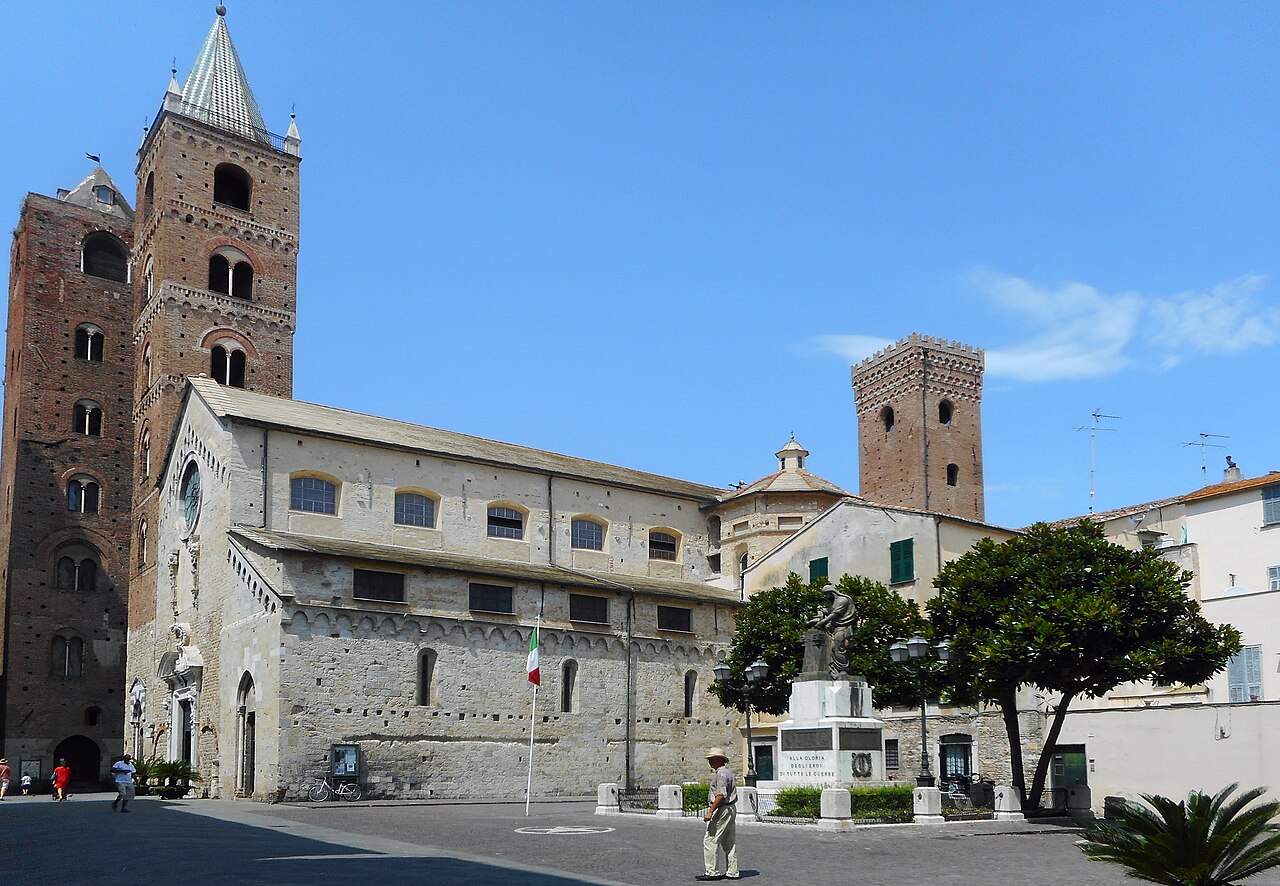
Albenga Cathedral
Albenga · Italy · church
The medieval cathedral of Albenga on Liguria's western coast, dedicated to Saint Michael the Archangel, its banded brick campanile rising over a nave first raised around 1100 on the foundations of a church from the turn of the fifth century.
 Christianity
Alexander Nevsky Cathedral
Sofia · Bulgaria · church
Sofia's golden-domed patriarchal cathedral, raised by the whole Bulgarian people as a memorial to the Russian, Bulgarian, Ukrainian, Moldavian, Finnish and Romanian soldiers who died in the 1877-1878 war that ended five centuries of Ottoman rule.
 Christianity
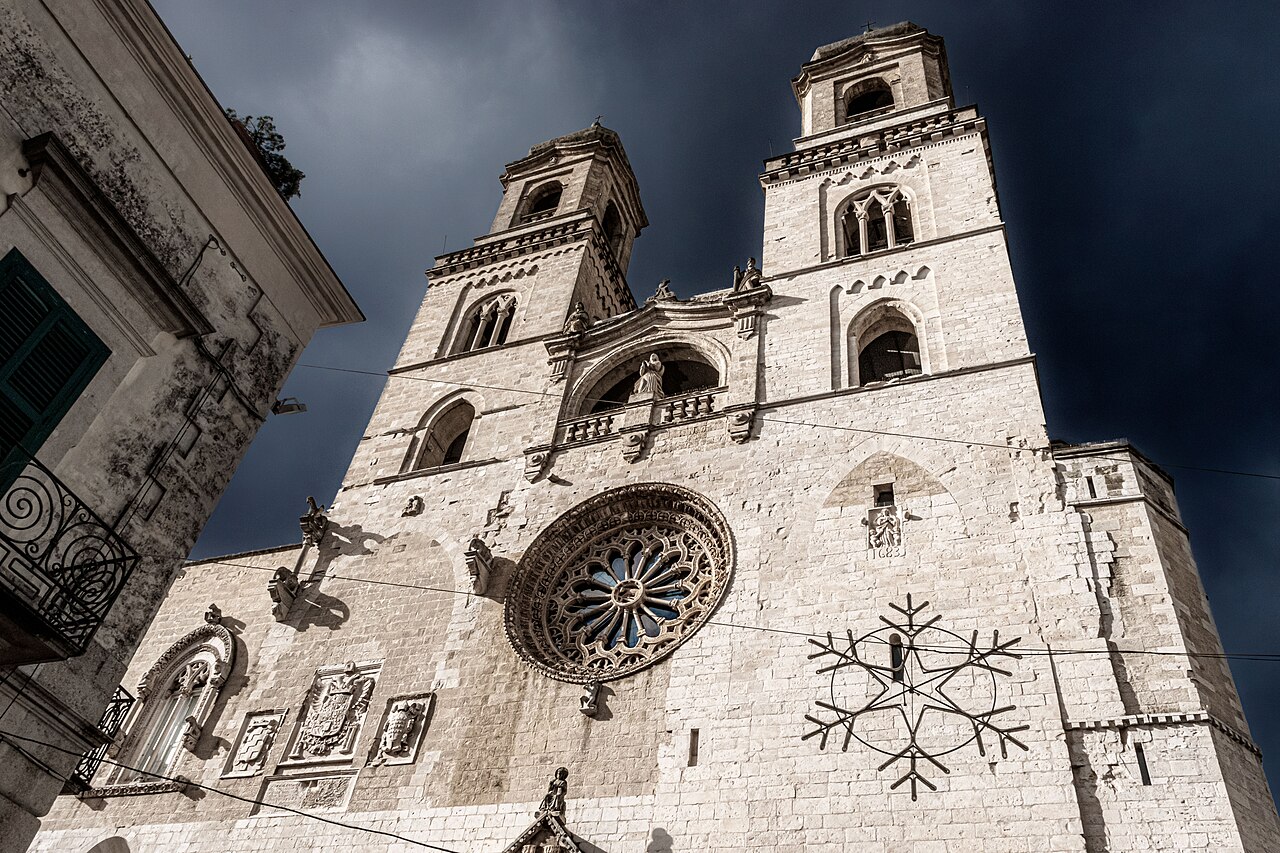
Altamura Cathedral
Altamura · Italy · church
A thirteenth-century 'palatine' cathedral in the Apulian hill town of Altamura, raised at the order of the Holy Roman Emperor Frederick II and dedicated to the Assumption of the Blessed Virgin Mary, its twin Gothic bell towers and carved rose window rising over the old town's main square.
 Christianity
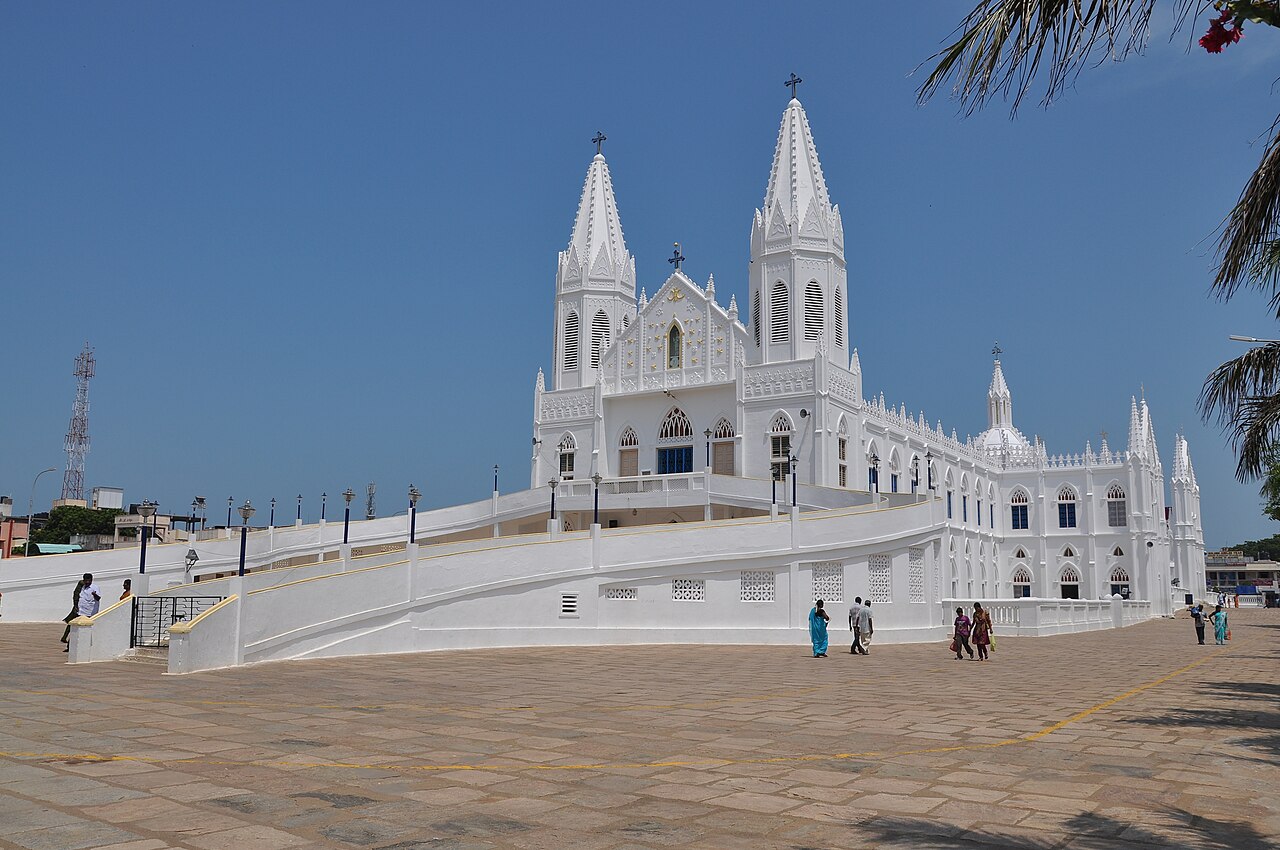
Basilica of Our Lady of Good Health
Velankanni · India · church
White Gothic Marian basilica on the Coromandel shore where Our Lady is held to have appeared to two Tamil boys in the 16th century. Called the Lourdes of the East, it draws millions of pilgrims, most of them Hindu and Muslim, to Annai Velankanni, the Mother of Good Health.
 Christianity
Basilica of Our Lady of Guadalupe
Mexico City · Mexico · church
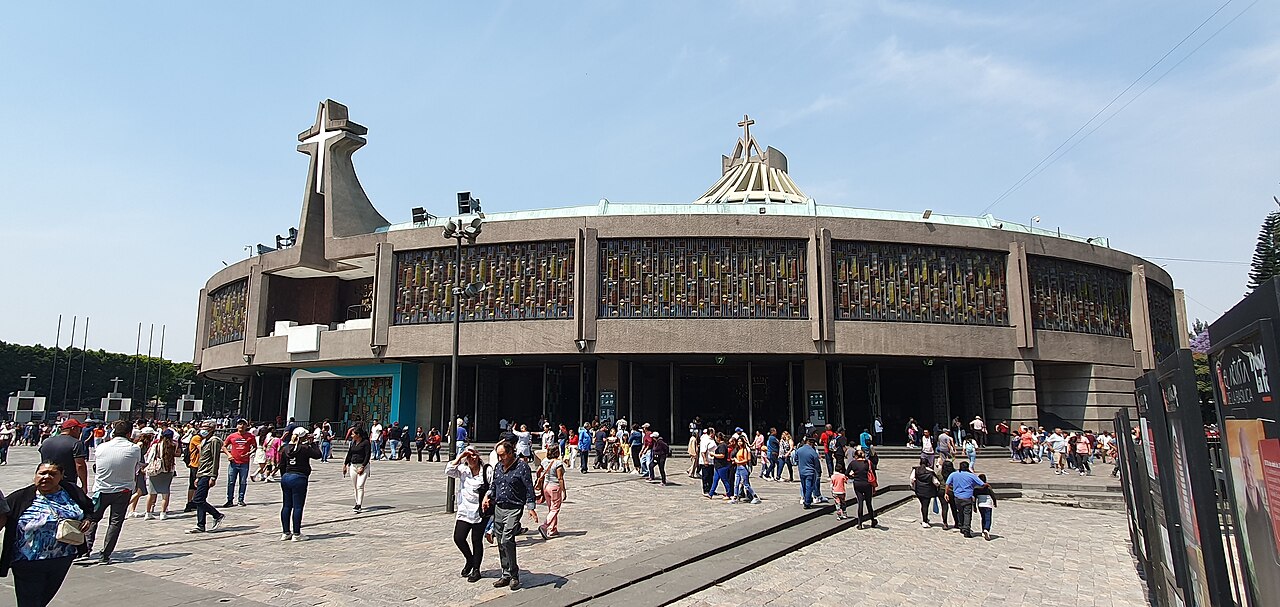
The most visited Marian shrine in the world, built at the foot of Tepeyac hill where Our Lady appeared to St. Juan Diego in 1531; his tilma bearing her image hangs above the altar of the circular basilica of 1976.
 Christianity
Bolnisi Sioni
· Georgia · church
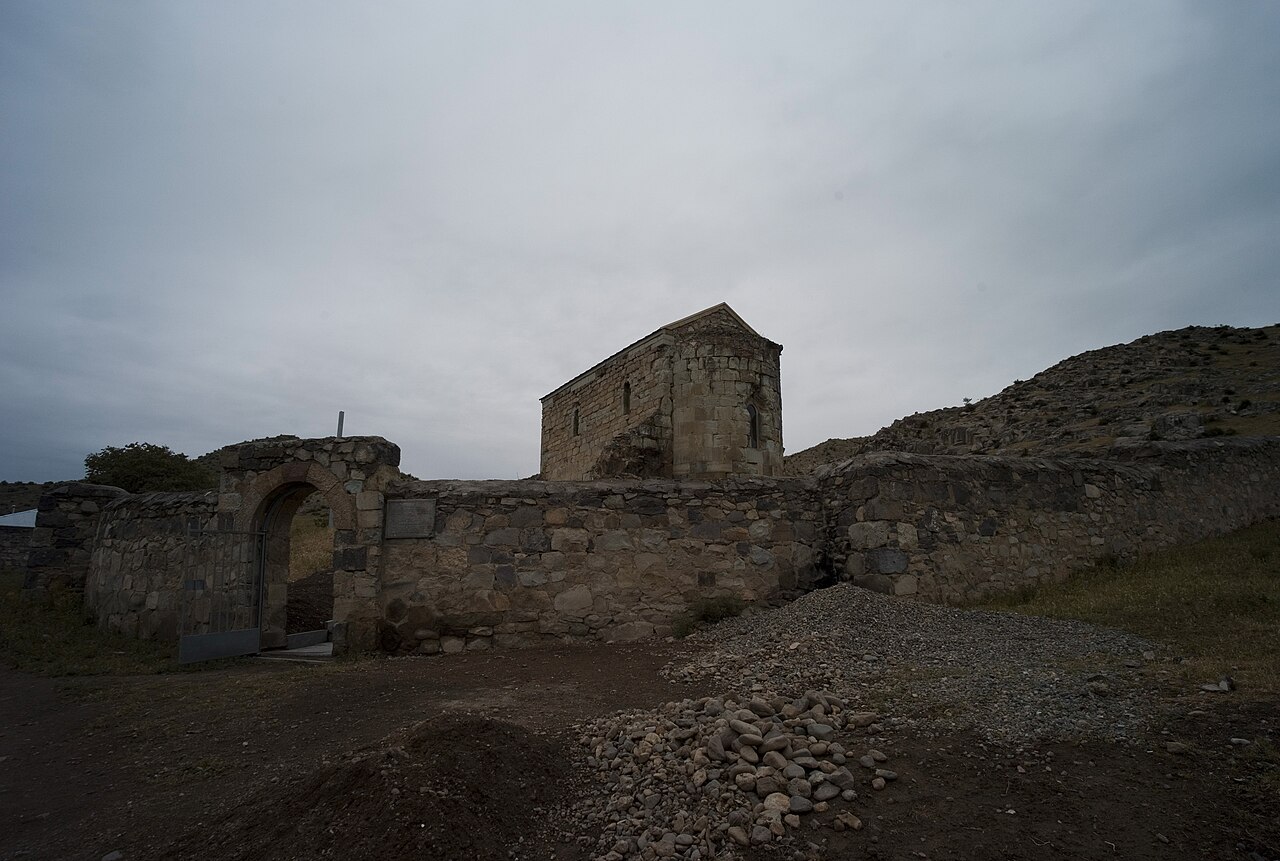
A late-fifth-century Georgian Orthodox basilica in Bolnisi, the oldest surviving church building in Georgia, famed for its early Georgian-script inscriptions.