
Salzburg Cathedral
Salzburger Dom · Dom zu Salzburg · Cathedral of Saints Rupert and Vergilius
About
Rising at the heart of Salzburg's Altstadt, the cathedral that stands today is a seventeenth-century Baroque achievement, yet its lineage reaches back more than thirteen centuries. The current edifice was raised under Prince-Bishop Markus Sittich von Hohenems beginning in 1614, following plans first sketched by Vincenzo Scamozzi and reworked by Santino Solari, and was consecrated in 1628.
The sanctuary is jointly dedicated to Saint Rupert, the apostle of the region, and Saint Vergilius, an Irish-born bishop who built the earliest church on this site in 774 atop the ruins of the Roman city of Juvavum. Two later Romanesque basilicas occupied the same ground before fire and structural decline opened the way for the present Italianate design.
The twin-towered marble facade carries figures of the four patrons, Rupert, Vergilius, Peter and Paul, and is framed by three bronze portals representing faith, hope and love, cast in the late 1950s. Within, the church measures 142 metres in length and rises 33 metres at the dome, where a single Allied bomb pierced the vault in 1944, with restoration finally completed in 1959.
For pilgrims and visitors alike the cathedral preserves a fourteenth-century Gothic baptismal font, the same in which the infant Wolfgang Amadeus Mozart was christened on 28 January 1756. The relics of Saint Rupert rest within its walls, and excavated foundations of the earlier sanctuaries can be viewed in the Domgrabungen beneath the nave.
History
Saint Vergilius raised the first cathedral on this site in 774, on ground that had once been the Roman forum of Juvavum, and successive archbishops rebuilt and enlarged it through the early Middle Ages after a lightning fire in 842. Severely damaged by fire in 1598, the old Romanesque basilica was demolished by Prince-Bishop Wolf Dietrich von Raitenau, and his successor Markus Sittich von Hohenems laid the cornerstone of the present Baroque cathedral in 1614 to a design by Santino Solari. The new sanctuary was consecrated in 1628, and a single Allied bomb that pierced its dome in 1944 was not fully repaired until 1959.
Significance
Salzburg Cathedral has stood for centuries as the spiritual heart of the Archdiocese of Salzburg and a touchstone of Central European Baroque architecture, its enclosed Domplatz linking the church to the Residenz and Saint Peter's Abbey through three arcaded gates. Each September the feast of Saint Rupert, apostle of the region, is still kept around the cathedral in the Rupertikirtag, one of Austria's oldest continuing church fairs.
Architecture
Early Baroque architecture north of the Alps, a twin-towered marble facade on a Latin-cross plan with a central dome
Visiting
Hours
Hours not listed.
Engage with Salzburg Cathedral
Through the four pathways
Seva सेवा — Service
Offer your time and skills here. The following opportunities are open at Salzburg Cathedral:
No Seva offerings listed yet.
Sādhana साधना — Practice
Learn the worship and practice associated with Salzburg Cathedral:
No Sādhana offerings listed yet.
Sandhāna सन्धान — Wisdom
Unite with the wisdom of this tradition:
No Sandhāna offerings listed yet.
Sādhya साध्य — Giving
Support this sacred place according to your means:
No Sādhya offerings listed yet.
All giving flows directly to Salzburg Cathedral. Adisthan does not take a commission.
Festivals & Events
- Sept
Rupertikirtag (Saint Rupert's Day Fair)
24 September 2026 · annual
A church fair held around the cathedral each September in honour of Saint Rupert, marking the translation of his relics to Salzburg in 774 and ranked among Austria's oldest continuing traditions.
Gallery
Related sacred places
 Christianity
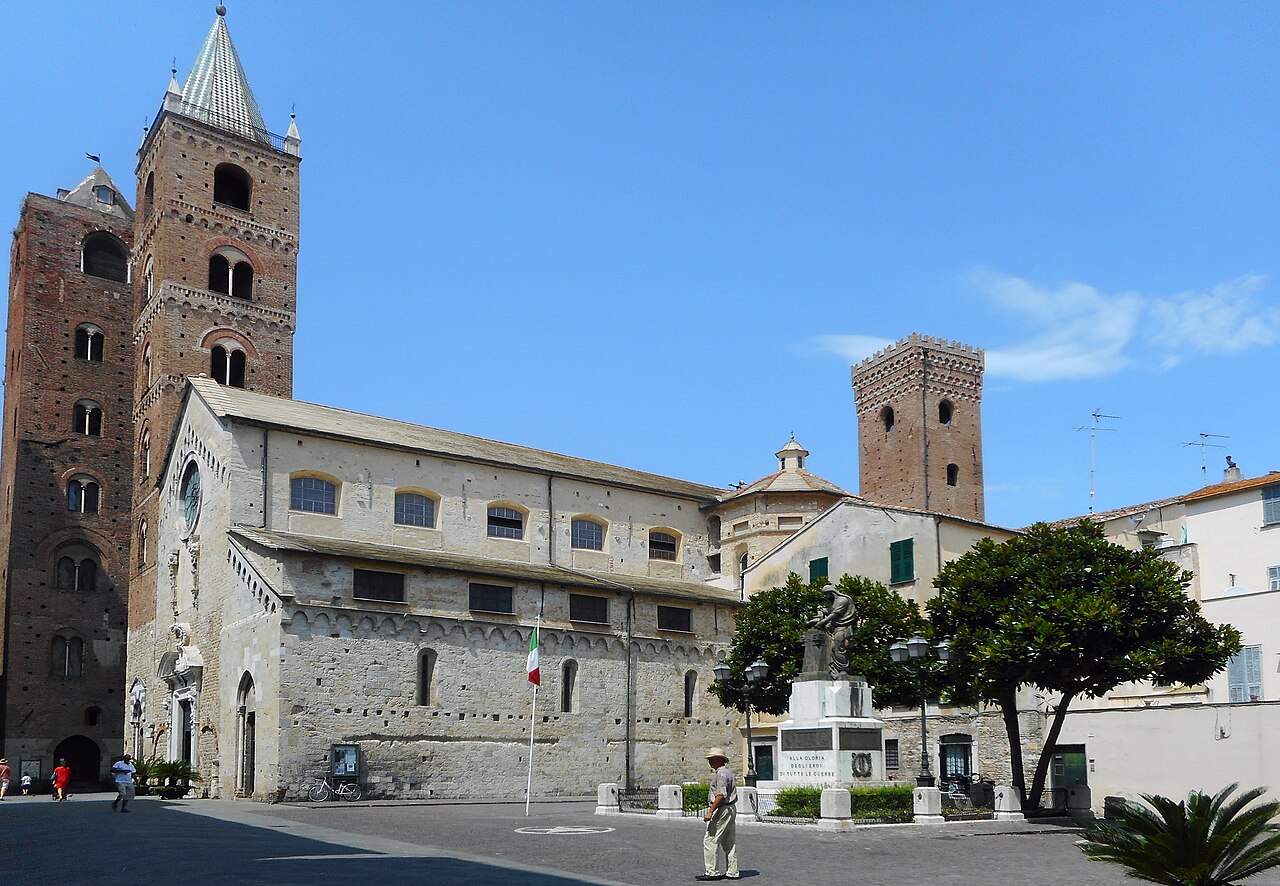
Albenga Cathedral
Albenga · Italy · church
The medieval cathedral of Albenga on Liguria's western coast, dedicated to Saint Michael the Archangel, its banded brick campanile rising over a nave first raised around 1100 on the foundations of a church from the turn of the fifth century.
 Christianity
Alexander Nevsky Cathedral
Sofia · Bulgaria · church
Sofia's golden-domed patriarchal cathedral, raised by the whole Bulgarian people as a memorial to the Russian, Bulgarian, Ukrainian, Moldavian, Finnish and Romanian soldiers who died in the 1877-1878 war that ended five centuries of Ottoman rule.
 Christianity
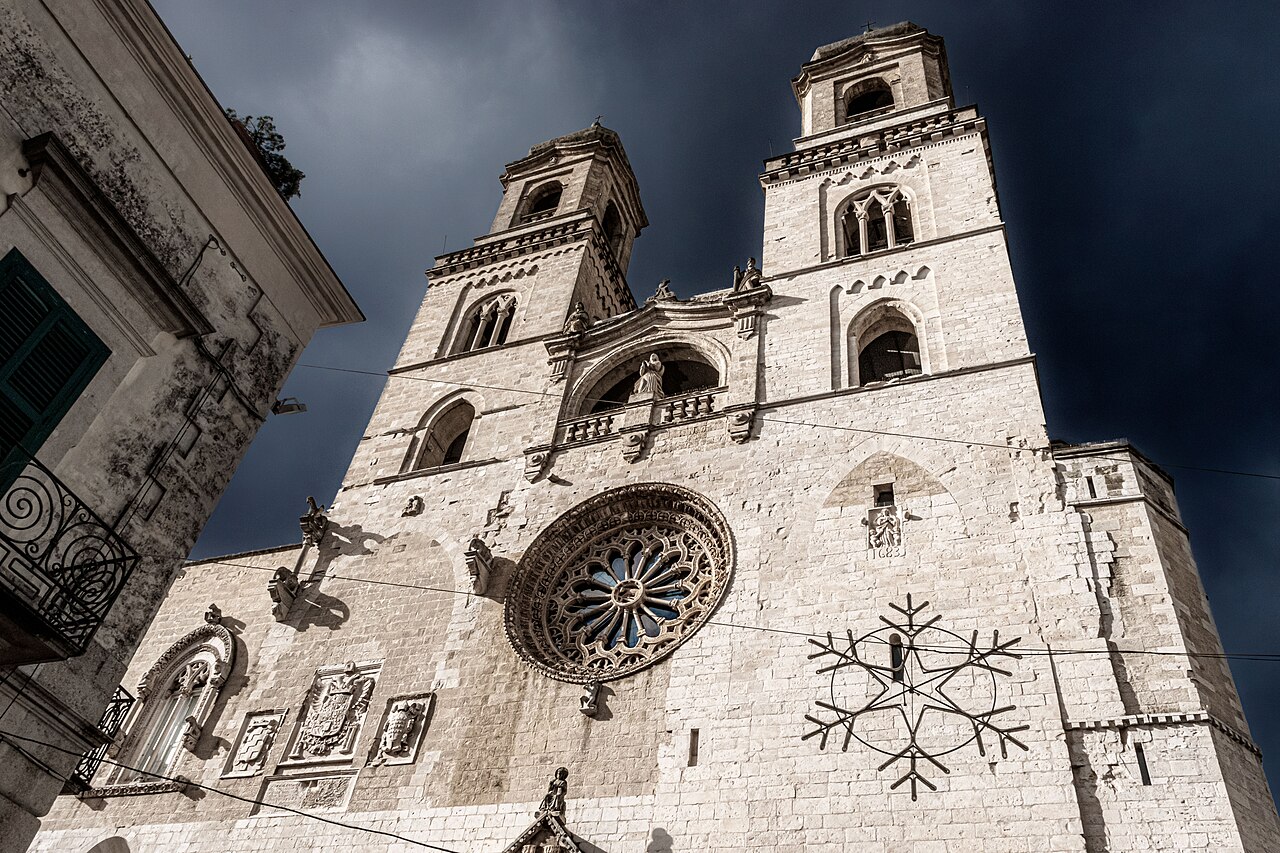
Altamura Cathedral
Altamura · Italy · church
A thirteenth-century 'palatine' cathedral in the Apulian hill town of Altamura, raised at the order of the Holy Roman Emperor Frederick II and dedicated to the Assumption of the Blessed Virgin Mary, its twin Gothic bell towers and carved rose window rising over the old town's main square.
 Christianity
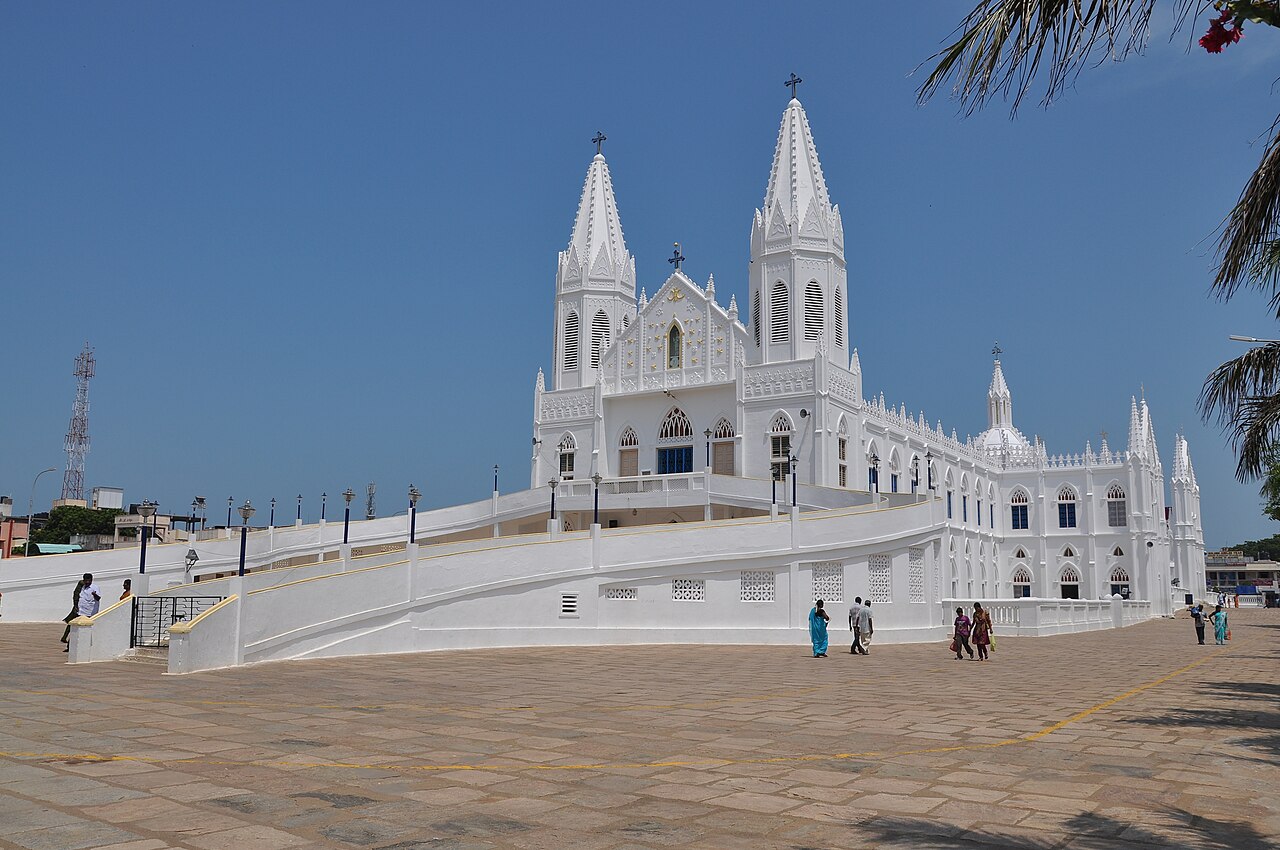
Basilica of Our Lady of Good Health
Velankanni · India · church
White Gothic Marian basilica on the Coromandel shore where Our Lady is held to have appeared to two Tamil boys in the 16th century. Called the Lourdes of the East, it draws millions of pilgrims, most of them Hindu and Muslim, to Annai Velankanni, the Mother of Good Health.
 Christianity
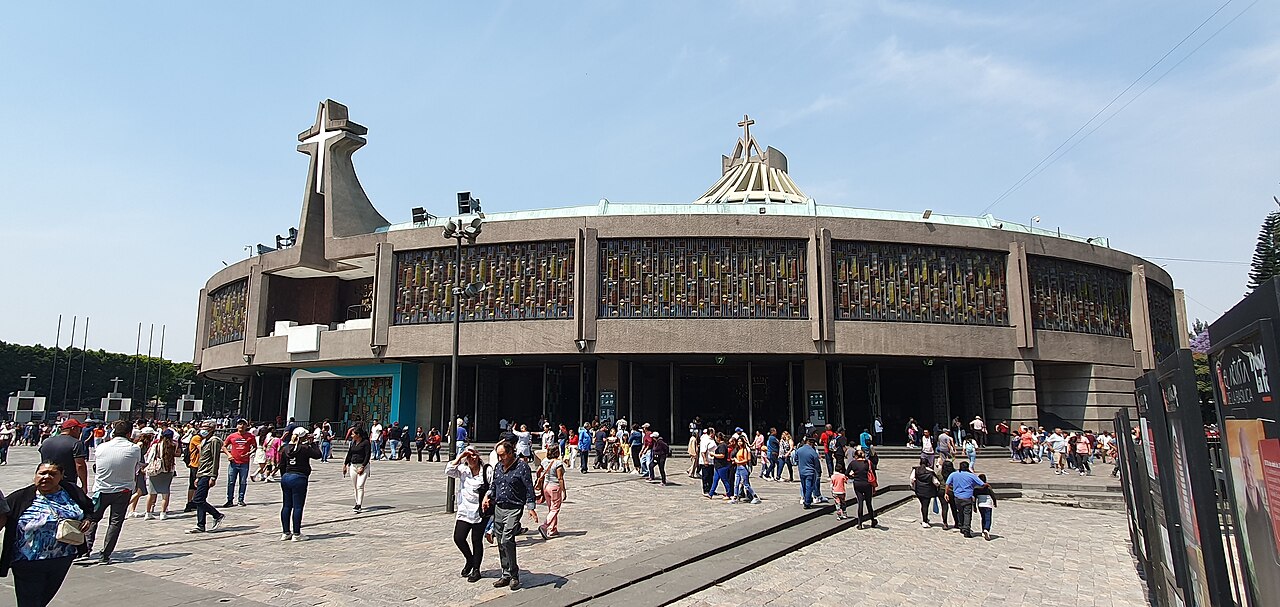
Basilica of Our Lady of Guadalupe
Mexico City · Mexico · church
The most visited Marian shrine in the world, built at the foot of Tepeyac hill where Our Lady appeared to St. Juan Diego in 1531; his tilma bearing her image hangs above the altar of the circular basilica of 1976.
 Christianity
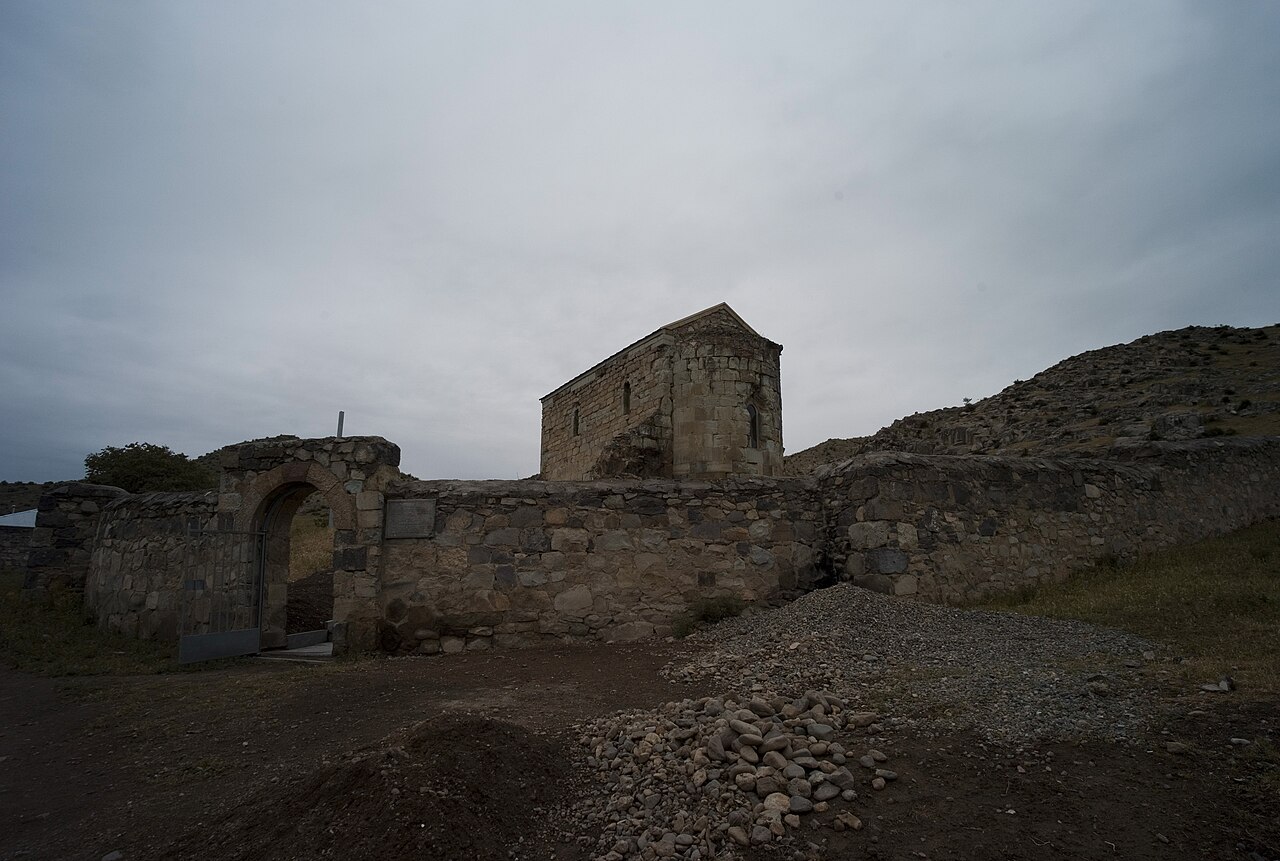
Bolnisi Sioni
· Georgia · church
A late-fifth-century Georgian Orthodox basilica in Bolnisi, the oldest surviving church building in Georgia, famed for its early Georgian-script inscriptions.