
St. Pölten Cathedral
Sankt Pölten Cathedral · Dom zu St. Pölten · Cathedral of the Assumption of the Blessed Virgin Mary
About
At the ceremonial heart of Sankt Pölten, this cathedral carries more than twelve centuries of unbroken Christian prayer within walls that speak two architectural languages simultaneously. To the visitor, the interior presents the confident grandeur of the Baroque, gilded altars, frescoed vaults, a luminous warmth that draws the soul inward. Yet beneath that decorative layer the building's bones are Romanesque, a structural fabric shaped in the twelfth century and never entirely replaced, merely re-clothed in the fashionable idiom of the seventeenth.
When the Diocese of Sankt Pölten came into existence in 1785, the cathedral became its mother church almost at once, the same year following the suppression, under Joseph II's programme of ecclesiastical reform, of the Augustinian canonry that had occupied the building since the Middle Ages. The transition was abrupt: monastic life ceased, episcopal administration took root, and the daily round of prayer continued unbroken.
The Marian dedication now associated with the cathedral, to the Assumption of the Virgin, has been in place since 1228, when Bishop Gebhard formally replaced an earlier dedication shared among Saints Hippolytus, Peter and Stephen. The twin-towered westwork and three-aisle nave plan stem from a comprehensive rebuilding around 1150. Thirteenth-century fire damage prompted repairs completed by 1280, and then a further fire in 1621 set in motion the sweeping Baroque recasting whose ornamental richness still defines the space today.
History
Christian worship on this ground is remembered to reach back to around 790, when Benedictine monks raised a monastery here and brought to it the relics of Saint Hippolytus, whose name the city still carries. Magyar raiders left the community in ruins around 907, and only after the Battle of Lechfeld in 955 could it be rebuilt, a grant of 976 from Emperor Otto II placing it in the care of the Bishop of Passau. Canons regular of Saint Augustine took up residence under Bishop Altmann, and their church was rebuilt around 1150 with the three-aisled nave and twin west towers that first shaped the building, though a fire in 1512 brought down the north tower for good. Fire struck again in 1621, and the Baroque recasting that followed gave the cathedral the gilded interior it wears now, even as its Romanesque apse and south front remain beneath.
Significance
As mother church of the Diocese of St. Pölten, the cathedral anchors Catholic life across much of Lower Austria, its Marian dedication to the Assumption fixed by Bishop Gebhard in 1228. The building preserves, in one fabric, the memory of Carolingian monasticism, Augustinian canonical life, and thirteen centuries of continuous prayer, its single surviving tower with the double onion dome now the most recognised silhouette in the city it named.
Architecture
Late Romanesque structure (c. 1150) reclad in Baroque decoration after the 1621 fire; originally twin-towered, now single-towered following the loss of the north tower in an 1512 fire, its surviving south tower crowned by a distinctive double onion dome
Visiting
Daily worship
| Sunday and Feast Day Mass | 09:15 to | |
| Sunday and Feast Day Mass | 10:30 to | |
| Saturday Vigil Mass | 18:30 to | |
| Weekday Mass (Monday-Saturday) | 07:30 to |
Hours
Hours not listed.
Contact
Engage with St. Pölten Cathedral
Through the four pathways
Seva सेवा — Service
Offer your time and skills here. The following opportunities are open at St. Pölten Cathedral:
No Seva offerings listed yet.
Sādhana साधना — Practice
Learn the worship and practice associated with St. Pölten Cathedral:
No Sādhana offerings listed yet.
Sandhāna सन्धान — Wisdom
Unite with the wisdom of this tradition:
No Sandhāna offerings listed yet.
Sādhya साध्य — Giving
Support this sacred place according to your means:
No Sādhya offerings listed yet.
All giving flows directly to St. Pölten Cathedral. Adisthan does not take a commission.
Festivals & Events
- Aug
Patrozinium: The Assumption of Mary
15 August 2026 · annual
The cathedral's patronal feast, marking the Marian dedication Bishop Gebhard fixed in 1228, kept with solemn Mass as the high point of the parish year.
Gallery
Related sacred places
 Christianity
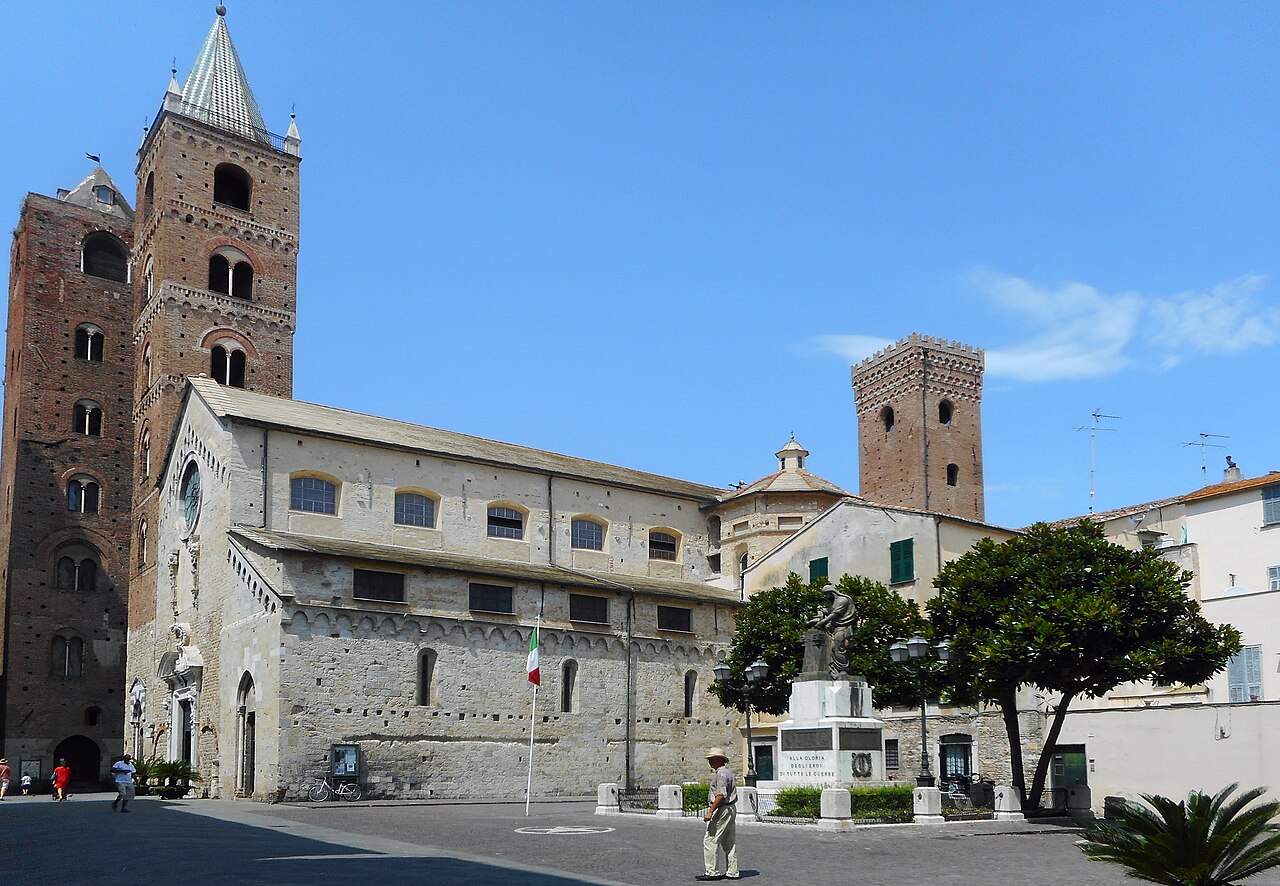
Albenga Cathedral
Albenga · Italy · church
The medieval cathedral of Albenga on Liguria's western coast, dedicated to Saint Michael the Archangel, its banded brick campanile rising over a nave first raised around 1100 on the foundations of a church from the turn of the fifth century.
 Christianity
Alexander Nevsky Cathedral
Sofia · Bulgaria · church
Sofia's golden-domed patriarchal cathedral, raised by the whole Bulgarian people as a memorial to the Russian, Bulgarian, Ukrainian, Moldavian, Finnish and Romanian soldiers who died in the 1877-1878 war that ended five centuries of Ottoman rule.
 Christianity
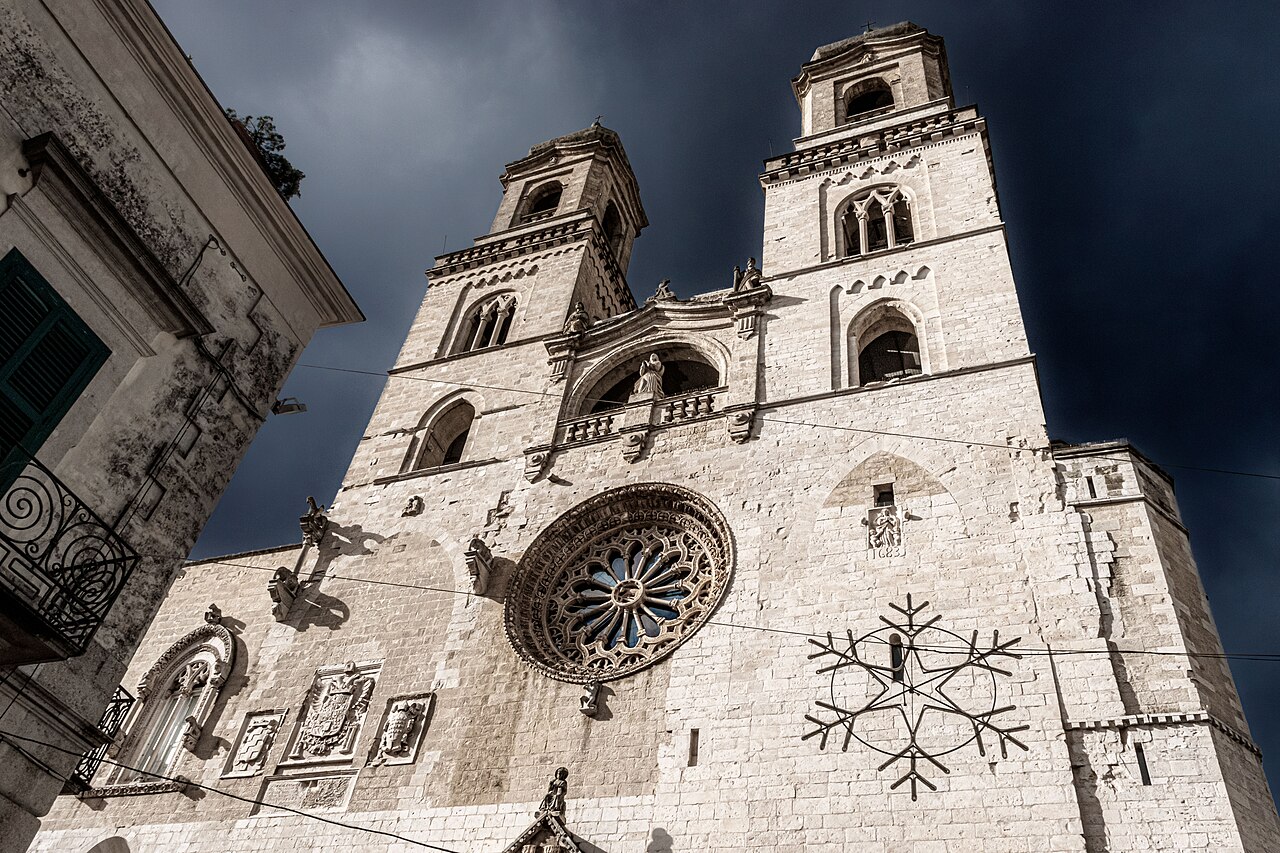
Altamura Cathedral
Altamura · Italy · church
A thirteenth-century 'palatine' cathedral in the Apulian hill town of Altamura, raised at the order of the Holy Roman Emperor Frederick II and dedicated to the Assumption of the Blessed Virgin Mary, its twin Gothic bell towers and carved rose window rising over the old town's main square.
 Christianity
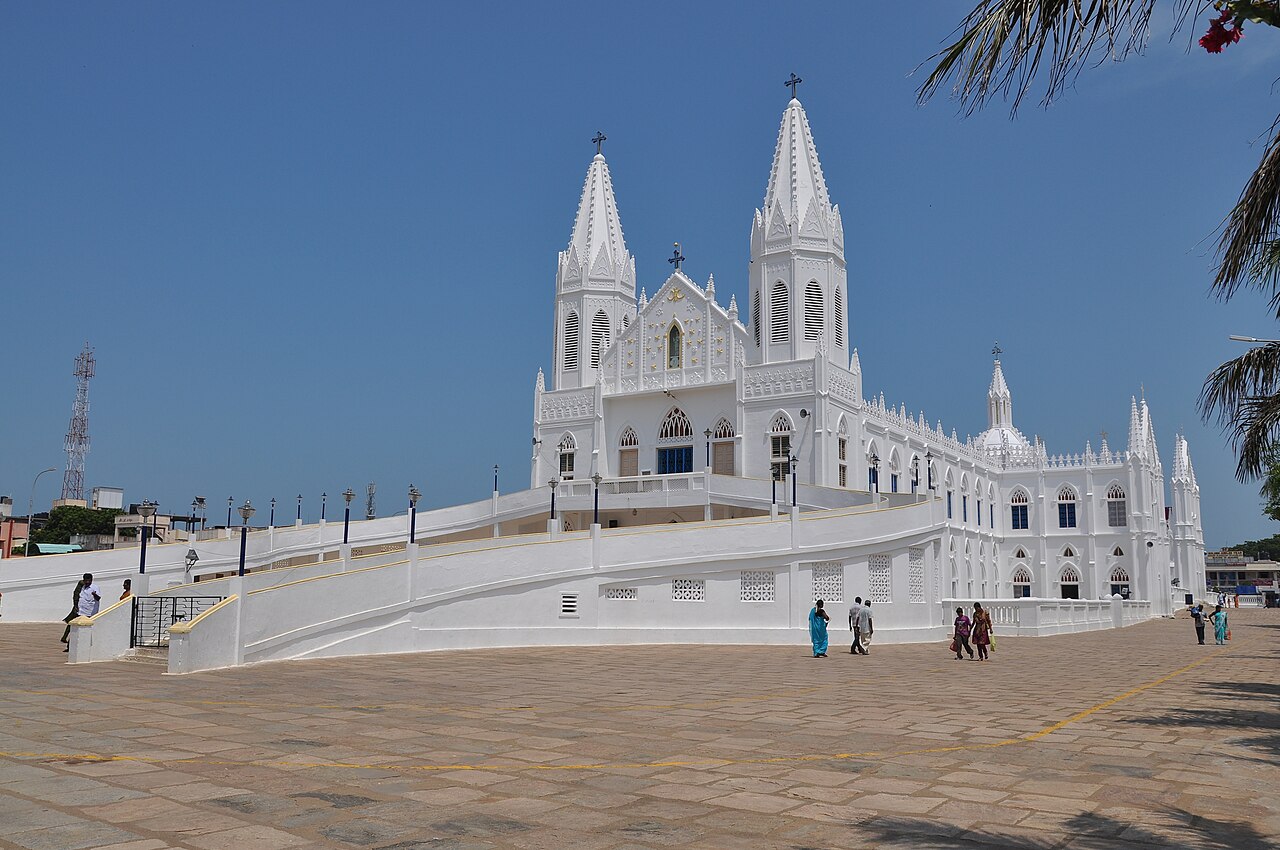
Basilica of Our Lady of Good Health
Velankanni · India · church
White Gothic Marian basilica on the Coromandel shore where Our Lady is held to have appeared to two Tamil boys in the 16th century. Called the Lourdes of the East, it draws millions of pilgrims, most of them Hindu and Muslim, to Annai Velankanni, the Mother of Good Health.
 Christianity
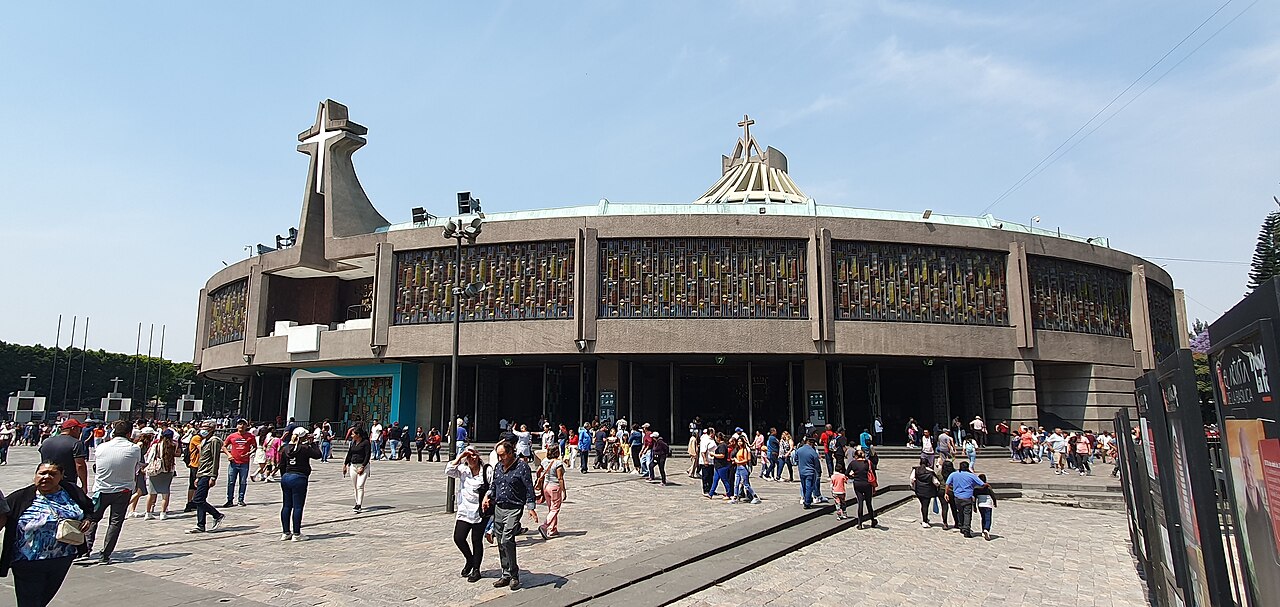
Basilica of Our Lady of Guadalupe
Mexico City · Mexico · church
The most visited Marian shrine in the world, built at the foot of Tepeyac hill where Our Lady appeared to St. Juan Diego in 1531; his tilma bearing her image hangs above the altar of the circular basilica of 1976.
 Christianity
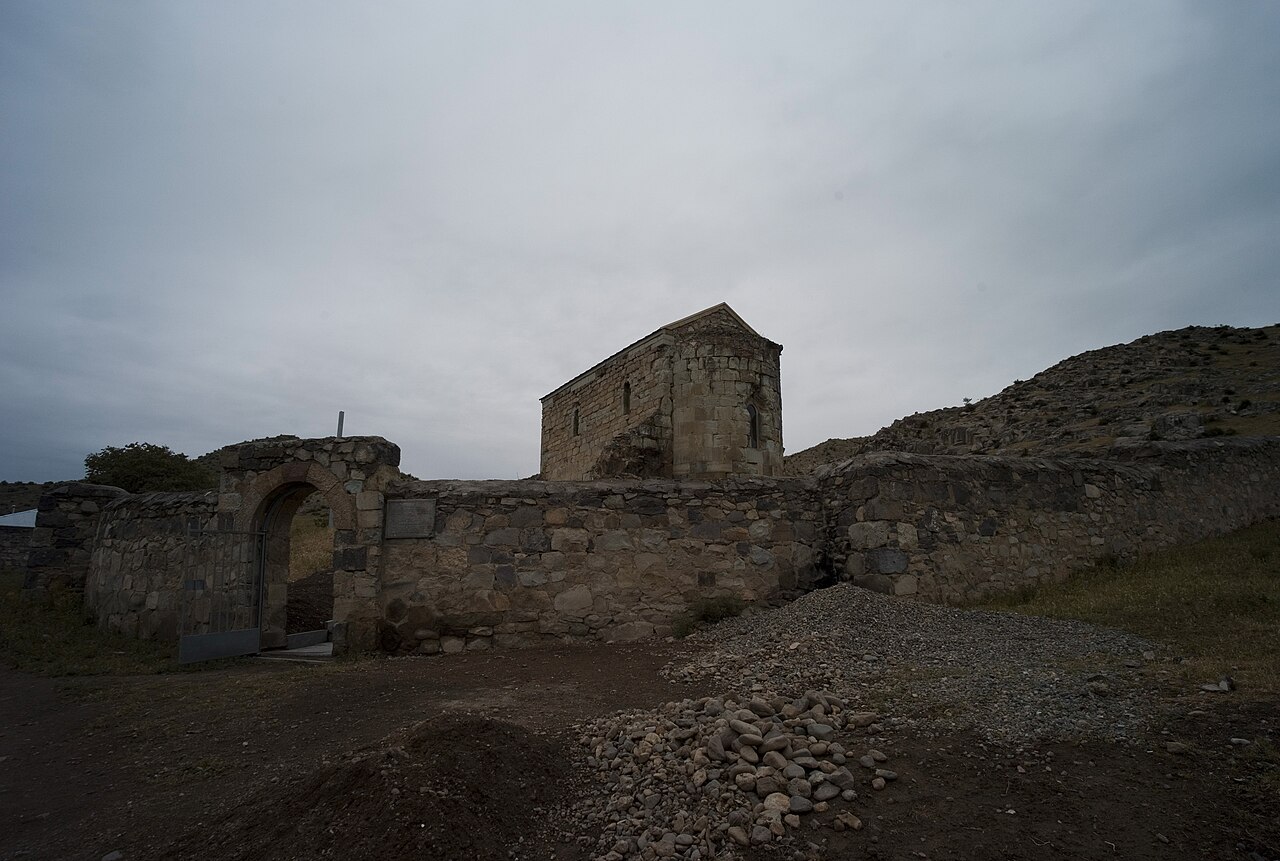
Bolnisi Sioni
· Georgia · church
A late-fifth-century Georgian Orthodox basilica in Bolnisi, the oldest surviving church building in Georgia, famed for its early Georgian-script inscriptions.