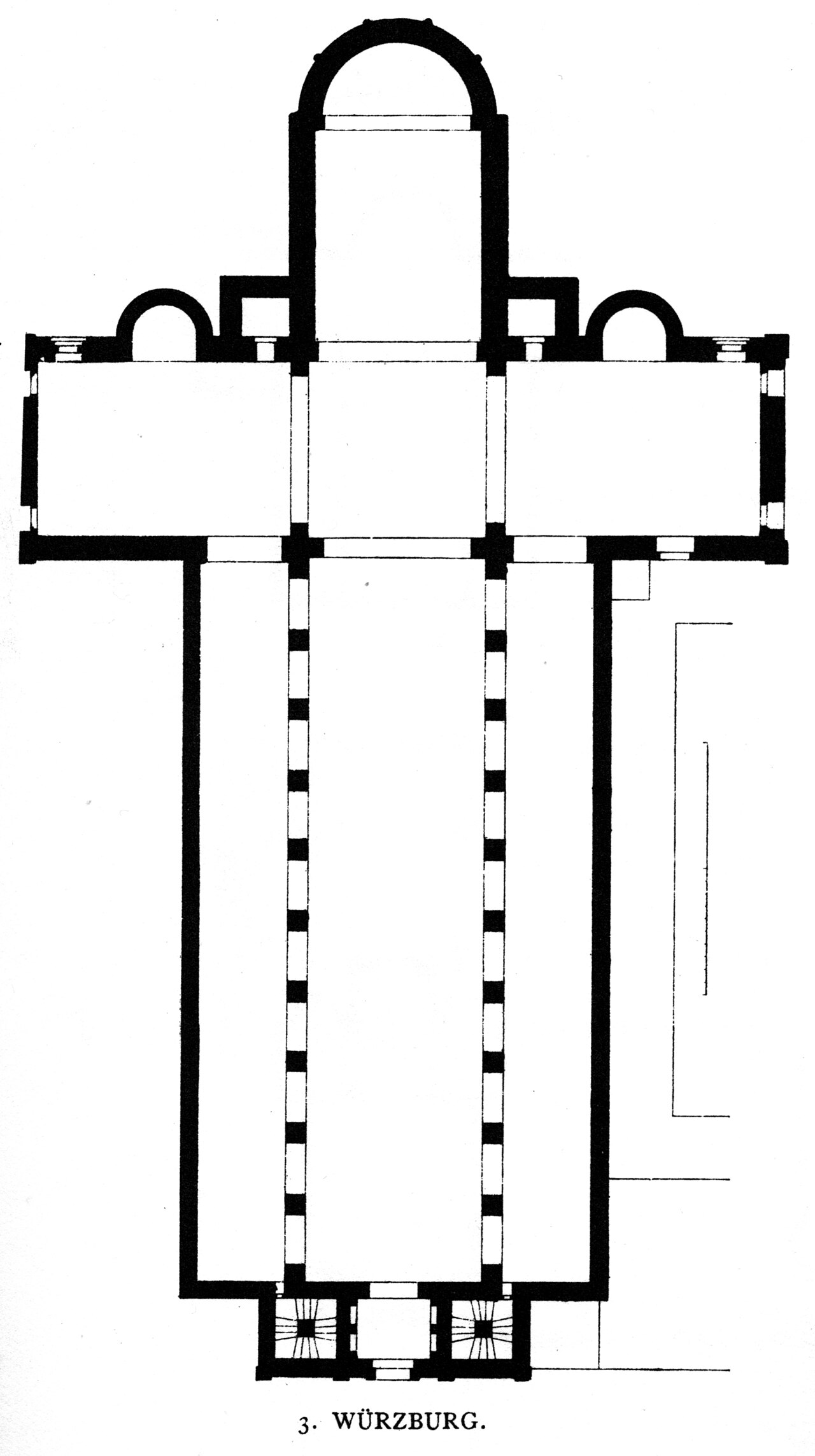
Wurzburg Cathedral
About
Würzburg Cathedral, dedicated to Saint Kilian, stands at the heart of the Bavarian city of Würzburg as the seat of the Bishop of Würzburg. For centuries it served also as the burial place of the prince-bishops who shaped the religious and civic life of the diocese.
The building stretches to an overall length of 103 metres, placing it among the four largest Romanesque churches in Germany. Its proportions and craftsmanship mark it as a masterwork of the German architectural tradition that flourished during the Salian period of the eleventh and twelfth centuries.
Notable later contributions include carved work by Tilman Riemenschneider, the celebrated late-Gothic sculptor whose hand graced many Franconian churches, and architectural elements by Balthasar Neumann, the master of Baroque ecclesiastical design in southern Germany. Their additions enriched the cathedral across centuries, layering Gothic and Baroque sensibilities upon its Romanesque core.
The cathedral was severely damaged by British air raids in March 1945, near the close of the Second World War. In the decades that followed, the building was carefully rebuilt, preserving where possible the original fabric while restoring its function as the spiritual heart of the diocese of Würzburg.
History
The cathedral was raised during the Salian period as the principal church of the diocese of Würzburg and dedicated to Saint Kilian, the Irish missionary bishop venerated as the apostle of Franconia. For centuries the prince-bishops of Würzburg were laid to rest within its walls.
In March 1945 the building was heavily damaged by British bombing. The careful post-war reconstruction restored the cathedral as the seat of the bishop and preserved later additions including carving by Tilman Riemenschneider and architectural work by Balthasar Neumann.
Visiting
Engage with Wurzburg Cathedral
Through the four pathways
Seva सेवा — Service
Offer your time and skills here. The following opportunities are open at Wurzburg Cathedral:
No Seva offerings listed yet.
Sādhana साधना — Practice
Learn the worship and practice associated with Wurzburg Cathedral:
No Sādhana offerings listed yet.
Sandhāna सन्धान — Wisdom
Unite with the wisdom of this tradition:
No Sandhāna offerings listed yet.
Sādhya साध्य — Giving
Support this sacred place according to your means:
No Sādhya offerings listed yet.
All giving flows directly to Wurzburg Cathedral. Adisthan does not take a commission.
Gallery
Related sacred places
 Christianity
Albenga Cathedral
Albenga · Italy · church
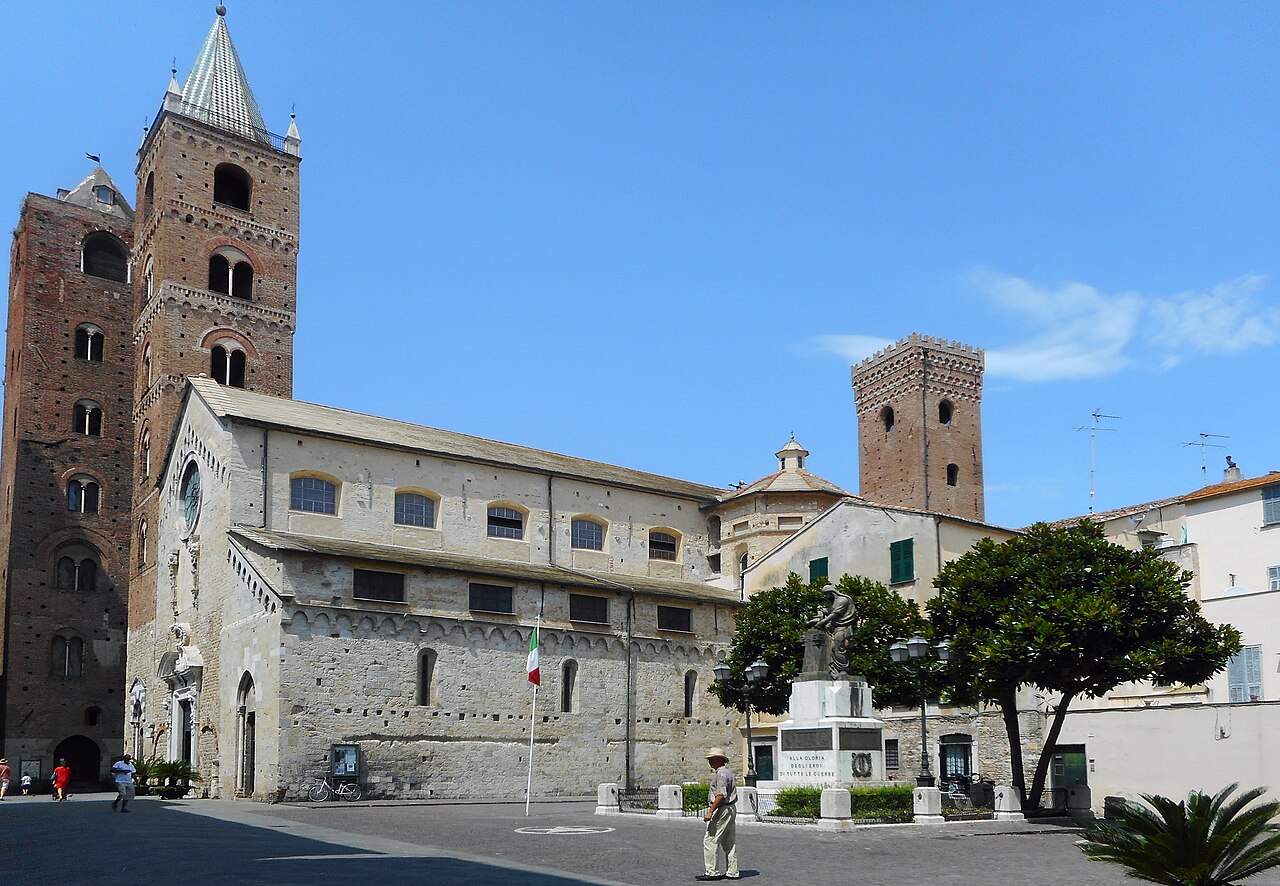
The medieval cathedral of Albenga on Liguria's western coast, dedicated to Saint Michael the Archangel, its banded brick campanile rising over a nave first raised around 1100 on the foundations of a church from the turn of the fifth century.
 Christianity
Alexander Nevsky Cathedral
Sofia · Bulgaria · church
Sofia's golden-domed patriarchal cathedral, raised by the whole Bulgarian people as a memorial to the Russian, Bulgarian, Ukrainian, Moldavian, Finnish and Romanian soldiers who died in the 1877-1878 war that ended five centuries of Ottoman rule.
 Christianity
Altamura Cathedral
Altamura · Italy · church
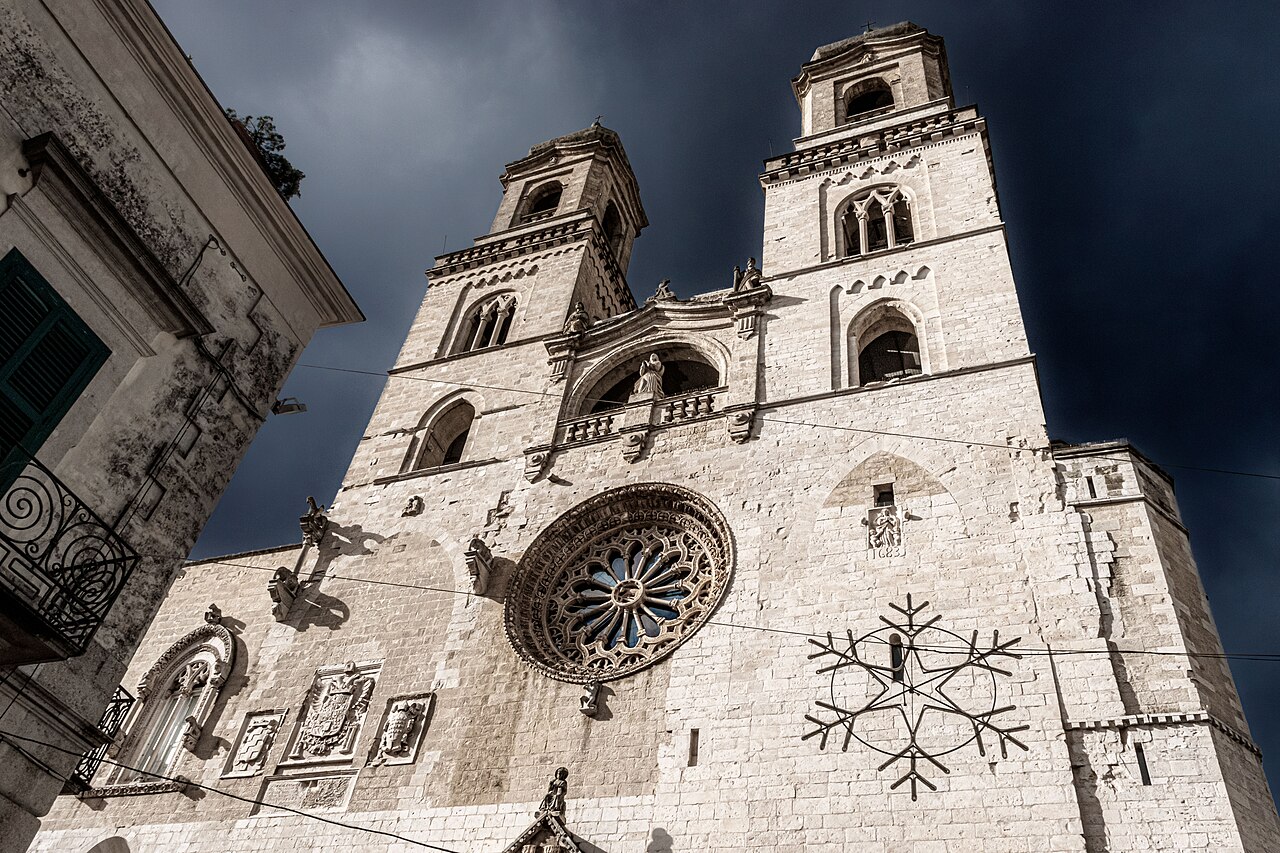
A thirteenth-century 'palatine' cathedral in the Apulian hill town of Altamura, raised at the order of the Holy Roman Emperor Frederick II and dedicated to the Assumption of the Blessed Virgin Mary, its twin Gothic bell towers and carved rose window rising over the old town's main square.
 Christianity
Basilica of Our Lady of Good Health
Velankanni · India · church
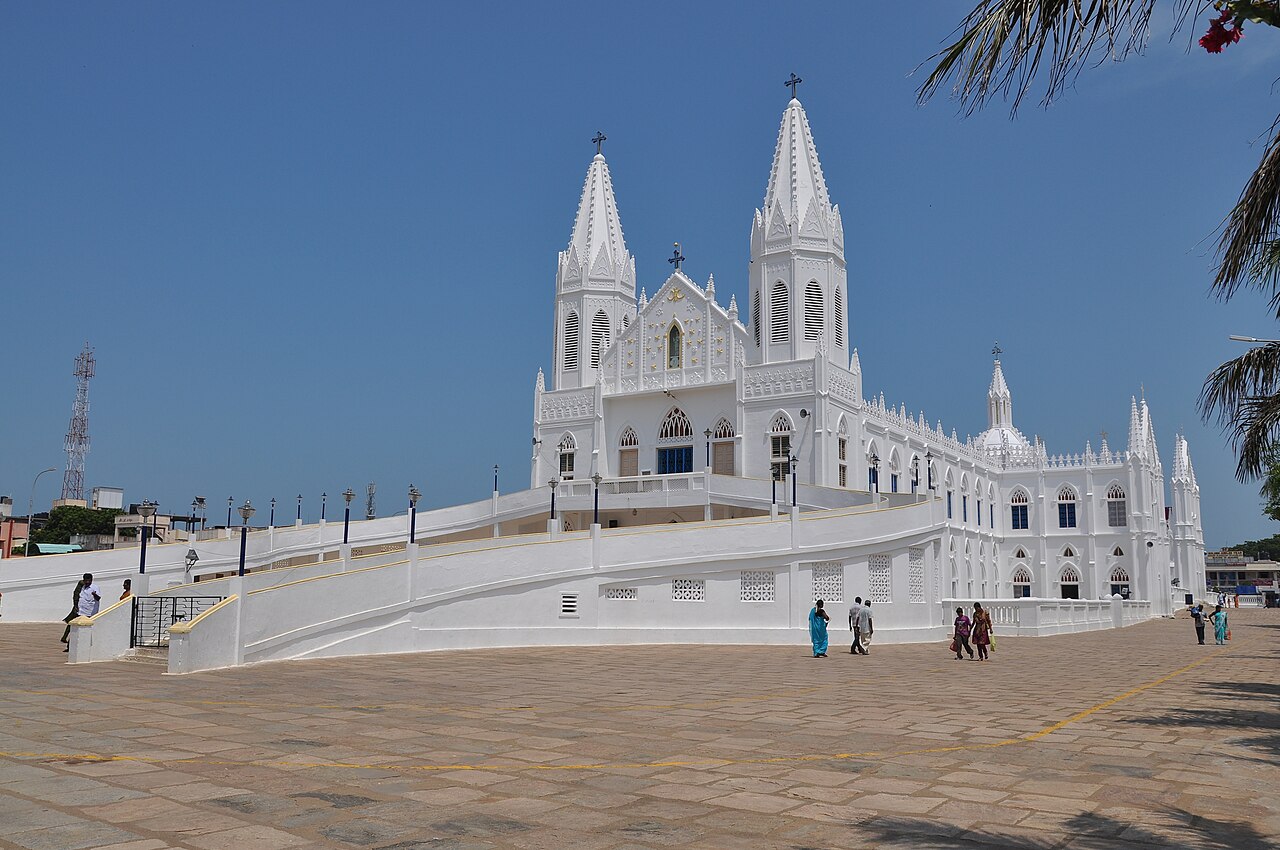
White Gothic Marian basilica on the Coromandel shore where Our Lady is held to have appeared to two Tamil boys in the 16th century. Called the Lourdes of the East, it draws millions of pilgrims, most of them Hindu and Muslim, to Annai Velankanni, the Mother of Good Health.
 Christianity
Basilica of Our Lady of Guadalupe
Mexico City · Mexico · church
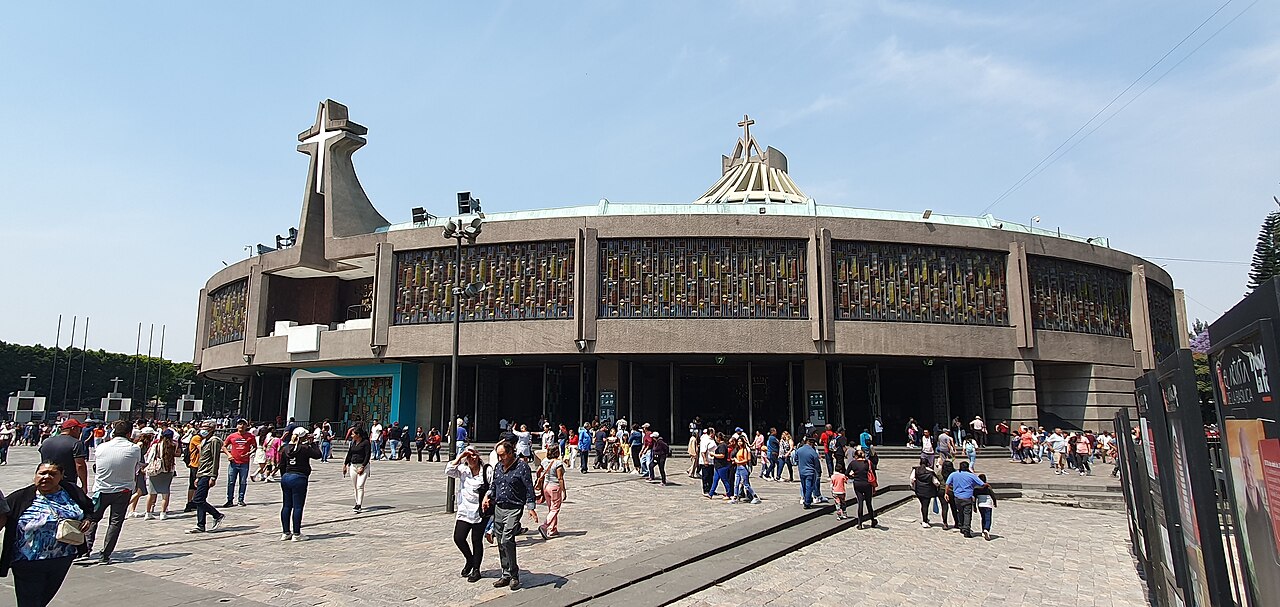
The most visited Marian shrine in the world, built at the foot of Tepeyac hill where Our Lady appeared to St. Juan Diego in 1531; his tilma bearing her image hangs above the altar of the circular basilica of 1976.
 Christianity
Bolnisi Sioni
· Georgia · church
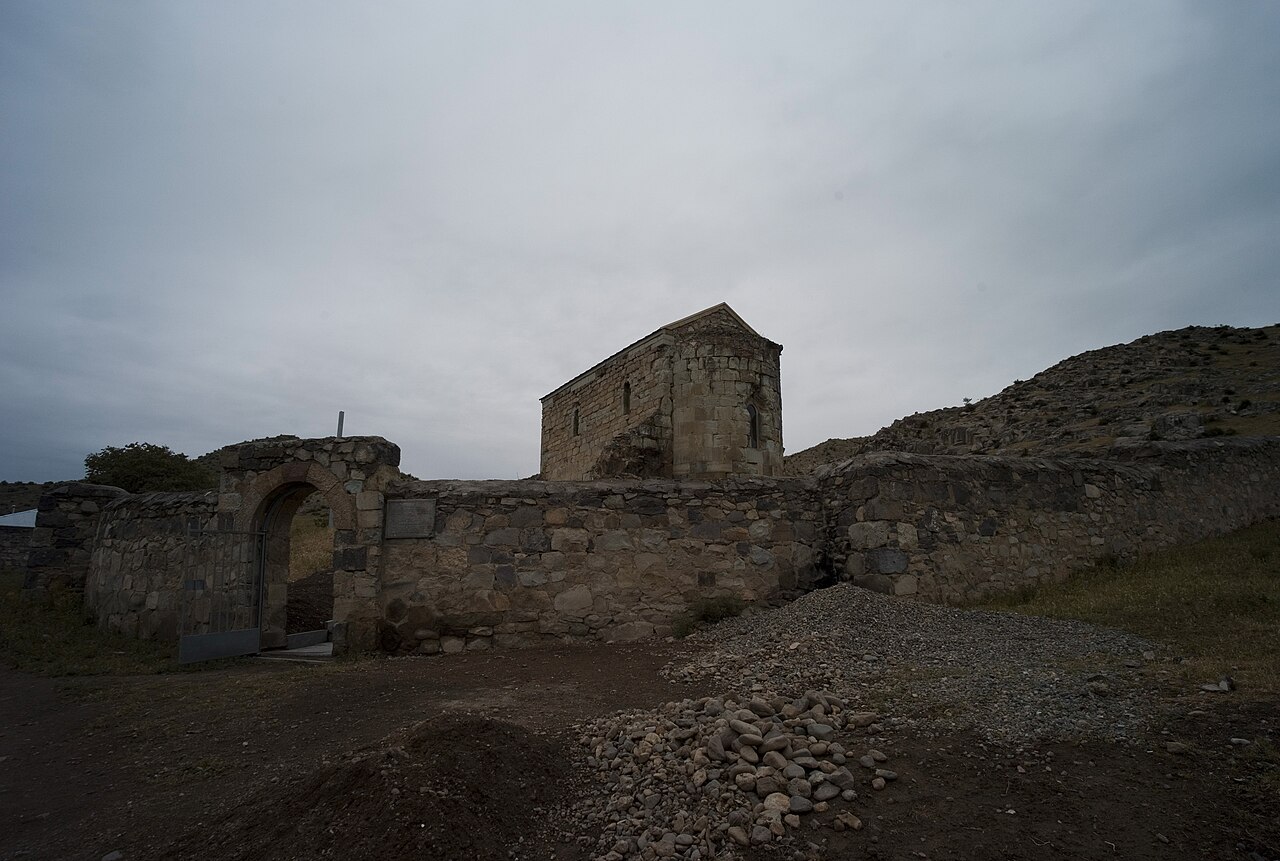
A late-fifth-century Georgian Orthodox basilica in Bolnisi, the oldest surviving church building in Georgia, famed for its early Georgian-script inscriptions.