Aisanyesvara Siva Temple
About
The Aisanyesvara Śiva Temple stands in the Old Town quarter of Bhubaneswar, Odisha's capital city, within the grounds adjoining the Municipal Corporation Hospital in Sriram Nagar. Its east-facing shrine places it among the many consecrated spaces that cluster around the majestic Lingarāja Temple, whose western compound wall lies only a short distance away. The Temple is very much alive: priests perform daily rites, and the calendar of observances, including Śivarātri, Jalābhiṣeka, Rudrābhiṣeka, and Saṅkrānti, continues without interruption.
At the heart of the sanctum reposes a Śivaliṅgam set within a circular yonipīṭha, the sacred pedestal that unites the cosmic masculine and feminine principles. One of the Temple's most distinctive moments in the liturgical year occurs on the sixth day after Śivarātri, when the festival image of Lord Lingarāja is ceremonially brought to this shrine, a procession that draws the two neighboring sacred presences into ritual communion.
The structure is built in the Kaliṅga architectural tradition using grey sandstone, and its ornamentation displays the refined vocabulary of that style. The outer walls are divided into tala jaṅghā and upara jaṅghā registers, each adorned with khakharā mundī and pidhā mundī carvings respectively. The pīṭha rests on three moulded courses decorated with a repeated sequence of khakharā mundī motifs, while the anurathapage carries further rows of these forms alongside lotus-cup carvings. Two udyota lions emerge from the gaṇḍī of the rāhapāga, and a miniature rekhā aṅgaśikhara ornaments the frontal wall at the gaṇḍī's base.
The doorway receives equally careful attention: three vertical bands, puṣpa śākhā, patra śākhā, and latā śākhā, decorate the jambs from outside to in, with khakharā mundī forms at their feet. Above the lintel, a navagraha panel seats each planetary deity in a separate niche. Among them, Sūrya holds lotus blossoms in his hands, while Ketu, rendered in serpent form, carries a bow in the left hand and a shield in the right.
History
Architectural evidence dates the Temple to the thirteenth century CE. Its Saptaratha, or seven-facet, ground plan closely resembles that of the nearby Megheshvara Temple, and other stylistic features point to construction under the Ganga dynasty, whose patronage shaped much of Old Town Bhubaneswar's sacred architecture in this period. The shrine was raised in grey sandstone in the Kalinga style, its walls carrying the carved khakhara mundi and pidha mundi motifs typical of Temples from this era.
Significance
Aisanyesvara remains a living shrine: priests continue daily worship of the Shivalinga, and observances tied to Sivaratri and other points in the ritual calendar continue much as they have for centuries. Local tradition holds that the festival image of Lord Lingaraja is carried to this Temple in the days following Sivaratri, a custom that draws Aisanyesvara into the wider ritual life of the neighbouring Lingaraj Temple. The Temple is maintained today by the Bhubaneswar Municipal Corporation and remains in good repair.
Architecture
Kalinga Temple architecture (Odishan Nagara), Saptaratha plan in grey sandstone
Visiting
Hours
Hours not listed.
Contact
No contact details listed yet.
Engage with Aisanyesvara Siva Temple
Through the four pathways
Seva सेवा — Service
Offer your time and skills here. The following opportunities are open at Aisanyesvara Siva Temple:
No Seva offerings listed yet.
Sādhana साधना — Practice
Learn the worship and practice associated with Aisanyesvara Siva Temple:
No Sādhana offerings listed yet.
Sandhāna सन्धान — Wisdom
Unite with the wisdom of this tradition:
No Sandhāna offerings listed yet.
Sādhya साध्य — Giving
Support this sacred place according to your means:
No Sādhya offerings listed yet.
All giving flows directly to Aisanyesvara Siva Temple. Adisthan does not take a commission.
Related sacred places
 Hinduism
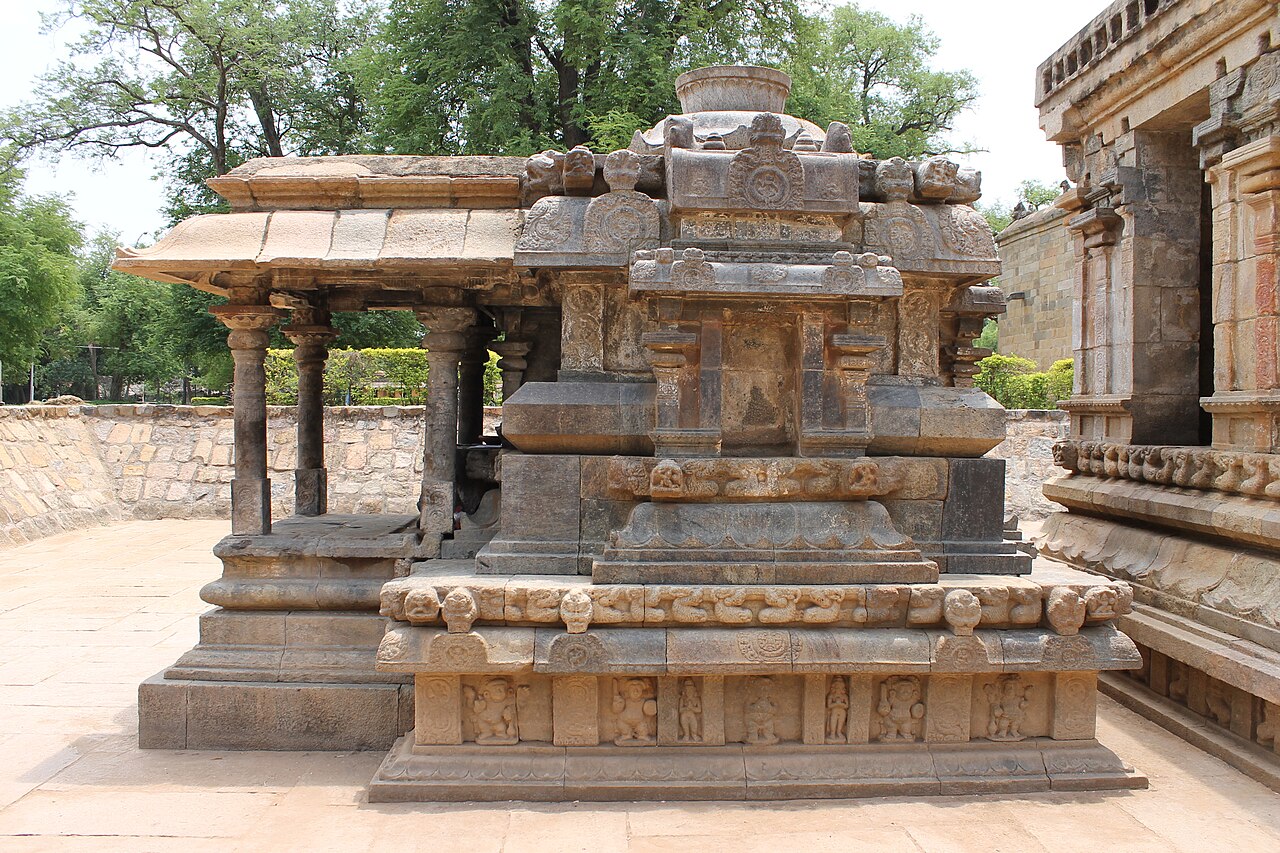
Airavatesvara Temple, Darasuram
Darasuram (Kumbakonam) · India · temple
The third of the Great Living Chola Temples, raised by Rajaraja Chola II around 1166 CE at Darasuram near Kumbakonam: a chariot-form shrine of Lord Shiva as Airavatesvara, famed for its carved stone wheels, its singing steps, and worship that has continued for over eight centuries.
 Hinduism
Akhadachandi Temple
Bhubaneswar · India · temple
A tenth-century Kalinga-style shrine on the southwestern bank of Bhubaneswar's sacred Bindusagar tank, Akhadachandi Temple honours Maa Mahishasuramardini, the Goddess in her form as slayer of the buffalo demon, within the dense cluster of ancient shrines that fills the city's Old Town.
 Hinduism
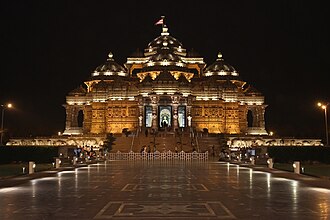
Akshardham
New Delhi · India · temple
A vast contemporary Hindu mandir campus on the Yamuna's west bank in East Delhi, raised without structural steel by 11,000 artisans and volunteers, and recognised by Guinness World Records in 2007 as the world's largest comprehensive Hindu Temple.
 Hinduism
Amarnath Temple
· India · temple
A high Himalayan cave shrine in Jammu and Kashmir where a naturally forming ice lingam is venerated as Lord Śiva, drawing one of India's great seasonal pilgrimages.
 Hinduism
Ambalappuzha Sri Krishna Temple
Ambalappuzha · India · temple
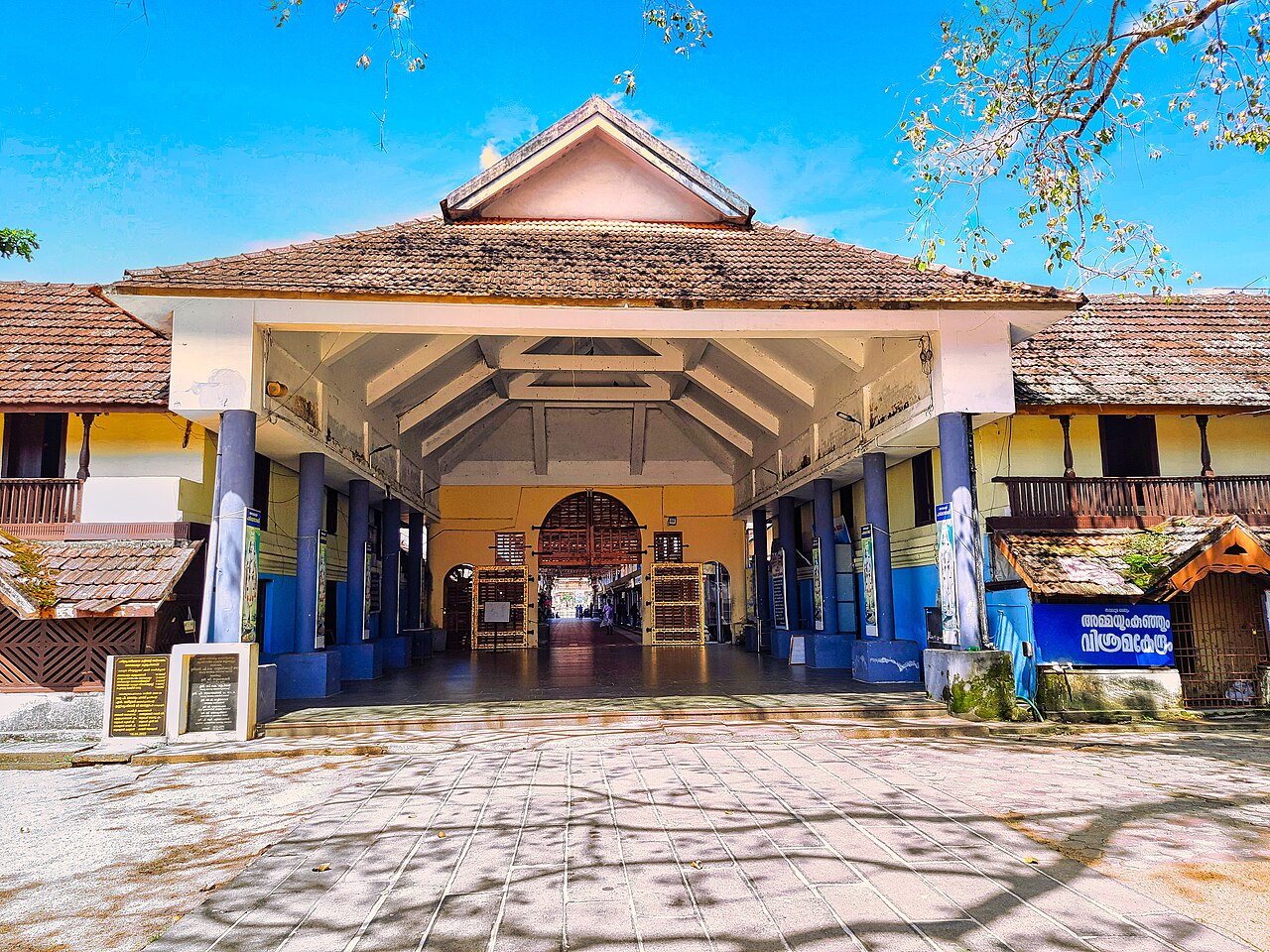
A Vaishnava shrine on the Kerala backwaters consecrated to Sri Krishna in his Parthasarathy form, counted among the seven great Temples of the former kingdom of Travancore and famed across South India for its Ambalapuzha Paal Payasam offering.
 Hinduism
Amrutesvara Temple
Amruthapura · India · temple
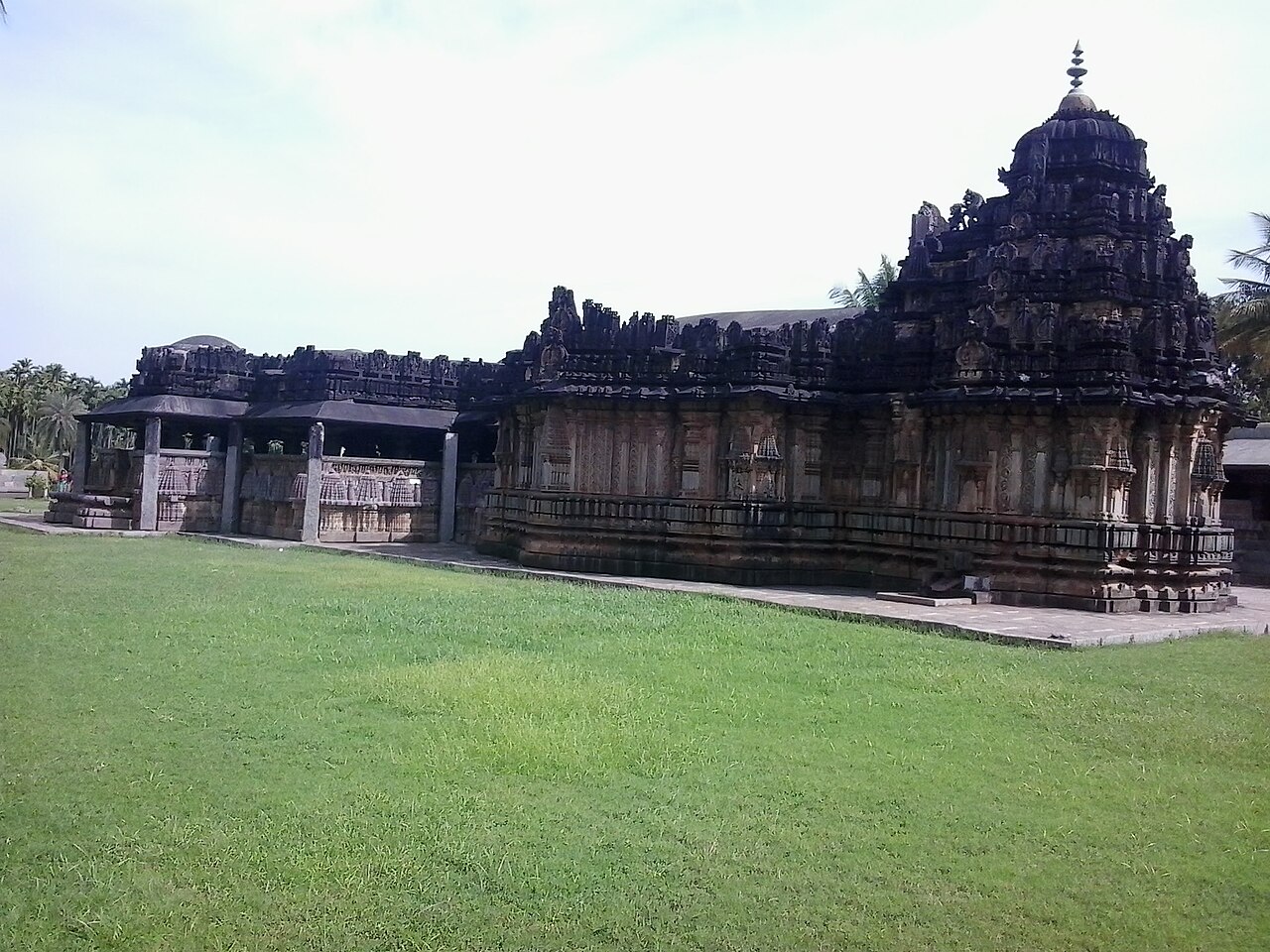
A Hoysala-era Shiva Temple in the village of Amruthapura in Karnataka's Chikkamagaluru district, raised in 1196 CE and renowned for the finely lathe-turned pillars and narrative relief panels of its open pillared hall.