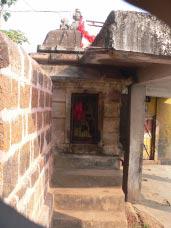
Akhadachandi Temple
About
Akhadachandi Temple rises from the Badu Sahi quarter of Bhubaneswar's old town in Odisha, occupying a revered position along the southwestern bank of the Bindusagar tank. Dating to the 10th century, it belongs to a dense cluster of sacred structures in this ancient city, Mārkaṇḍeśvara Temple lies roughly fifteen metres to the west, and Mohinī Temple stands about thirty metres away to the southeast.
The presiding deity is Mahiṣāsuramardinī, the fierce and compassionate form of the Goddess who vanquishes the buffalo demon. The Temple faces south while her image gazes eastward, receiving the first light of morning. Devotees gather here to observe the Durgāṣṭamī and Balabhoga rites, which have been carried forward through the centuries as living expressions of Śākta devotion.
Constructed in the Kalinga architectural tradition using coarse-grained sandstone, the shrine is classified as a Khākhara Deul, a rectangular sanctuary-tower whose curvilinear roof resembles a half-cylinder rather than the tapering śikhara of the more common Rekhā Deul. The vimāna rises through the three divisions of bāḍa, gaṇḍī, and mastaka, with the topmost element consisting of a kalaśa flanked on each side by gajakrānta figures. The doorjamb carries plasterwork ornamentation, and two subsidiary entrances open through the eastern and northern walls, each proportionally smaller than the main south-facing gateway.
History
Akhadachandi Temple was raised in the tenth century CE, during the great era of Temple building that filled Bhubaneswar's Old Town with sacred architecture. It stands in the Badu Sahi quarter on the southwestern bank of the Bindusagar tank, close by Markandeshvara Temple and Mohini Temple. The Odisha State Archaeology department repaired the shrine under the Tenth and Eleventh Finance Commission Awards, and the Bhubaneswar Municipal Corporation has maintained the site since, keeping it in a fair state of preservation.
Significance
Built as a Khakhara Deul, its rectangular sanctuary crowned by a barrel-vaulted roof rather than the tapering towers common elsewhere in the city, the Temple remains a living centre of Śākta devotion, where the rites of Durgashtami and Balabhoga continue to be offered before Maa Mahishasuramardini. Standing beside the Bindusagar tank, whose waters are held to gather those of every sacred tīrtha, Akhadachandi Temple shares in the sanctity that has drawn pilgrims to Bhubaneswar for over a thousand years.
Architecture
Kalinga architectural style; Khakhara Deul, a rectangular sanctuary tower with a semi-cylindrical, barrel-vaulted roof, built in coarse-grained sandstone
Visiting
Hours
Hours not listed.
Contact
No contact details listed yet.
Engage with Akhadachandi Temple
Through the four pathways
Seva सेवा — Service
Offer your time and skills here. The following opportunities are open at Akhadachandi Temple:
No Seva offerings listed yet.
Sādhana साधना — Practice
Learn the worship and practice associated with Akhadachandi Temple:
No Sādhana offerings listed yet.
Sandhāna सन्धान — Wisdom
Unite with the wisdom of this tradition:
No Sandhāna offerings listed yet.
Sādhya साध्य — Giving
Support this sacred place according to your means:
No Sādhya offerings listed yet.
All giving flows directly to Akhadachandi Temple. Adisthan does not take a commission.
Festivals & Events
- Oct
Durgashtami (Maha Ashtami)
19 October 2026 · annual
Observed here as one of Akhadachandi Temple's living rites, Durgashtami falls on the eighth day of Sharadiya Navratri, when Maa Durga is honoured in her demon-slaying form as Maa Mahishasuramardini, the presiding deity of this shrine.
Related sacred places
 Hinduism
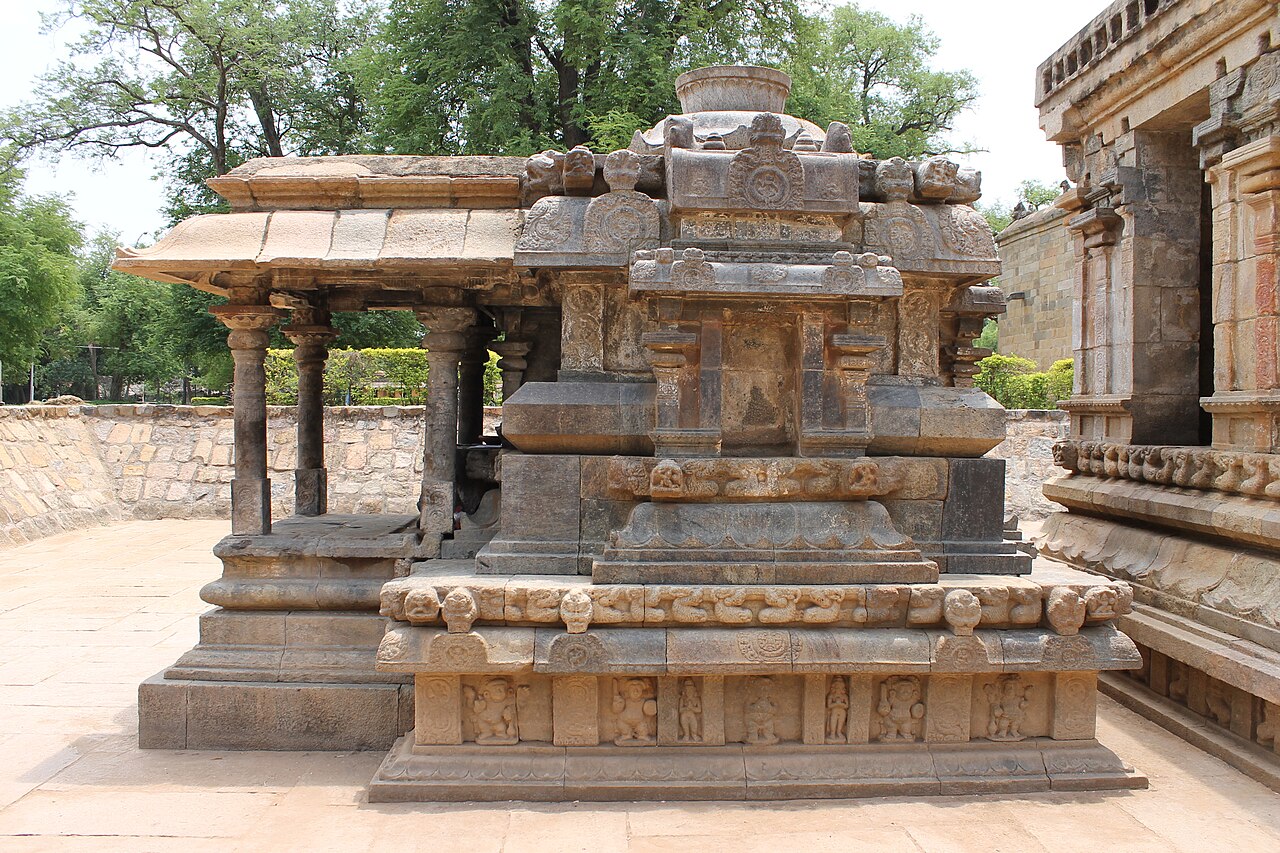
Airavatesvara Temple, Darasuram
Darasuram (Kumbakonam) · India · temple
The third of the Great Living Chola Temples, raised by Rajaraja Chola II around 1166 CE at Darasuram near Kumbakonam: a chariot-form shrine of Lord Shiva as Airavatesvara, famed for its carved stone wheels, its singing steps, and worship that has continued for over eight centuries.
Aisanyesvara Siva Temple
Bhubaneswar · India · temple
A living thirteenth-century Shiva shrine in the Old Town of Bhubaneswar, standing close to the western wall of the great Lingaraj Temple, where a Shivalinga set within a circular yonipitha still receives daily worship in the Kalinga architectural tradition.
 Hinduism
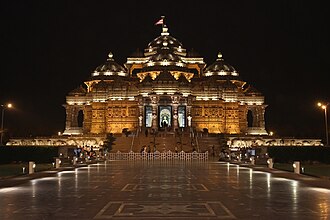
Akshardham
New Delhi · India · temple
A vast contemporary Hindu mandir campus on the Yamuna's west bank in East Delhi, raised without structural steel by 11,000 artisans and volunteers, and recognised by Guinness World Records in 2007 as the world's largest comprehensive Hindu Temple.
 Hinduism
Amarnath Temple
· India · temple
A high Himalayan cave shrine in Jammu and Kashmir where a naturally forming ice lingam is venerated as Lord Śiva, drawing one of India's great seasonal pilgrimages.
 Hinduism
Ambalappuzha Sri Krishna Temple
Ambalappuzha · India · temple
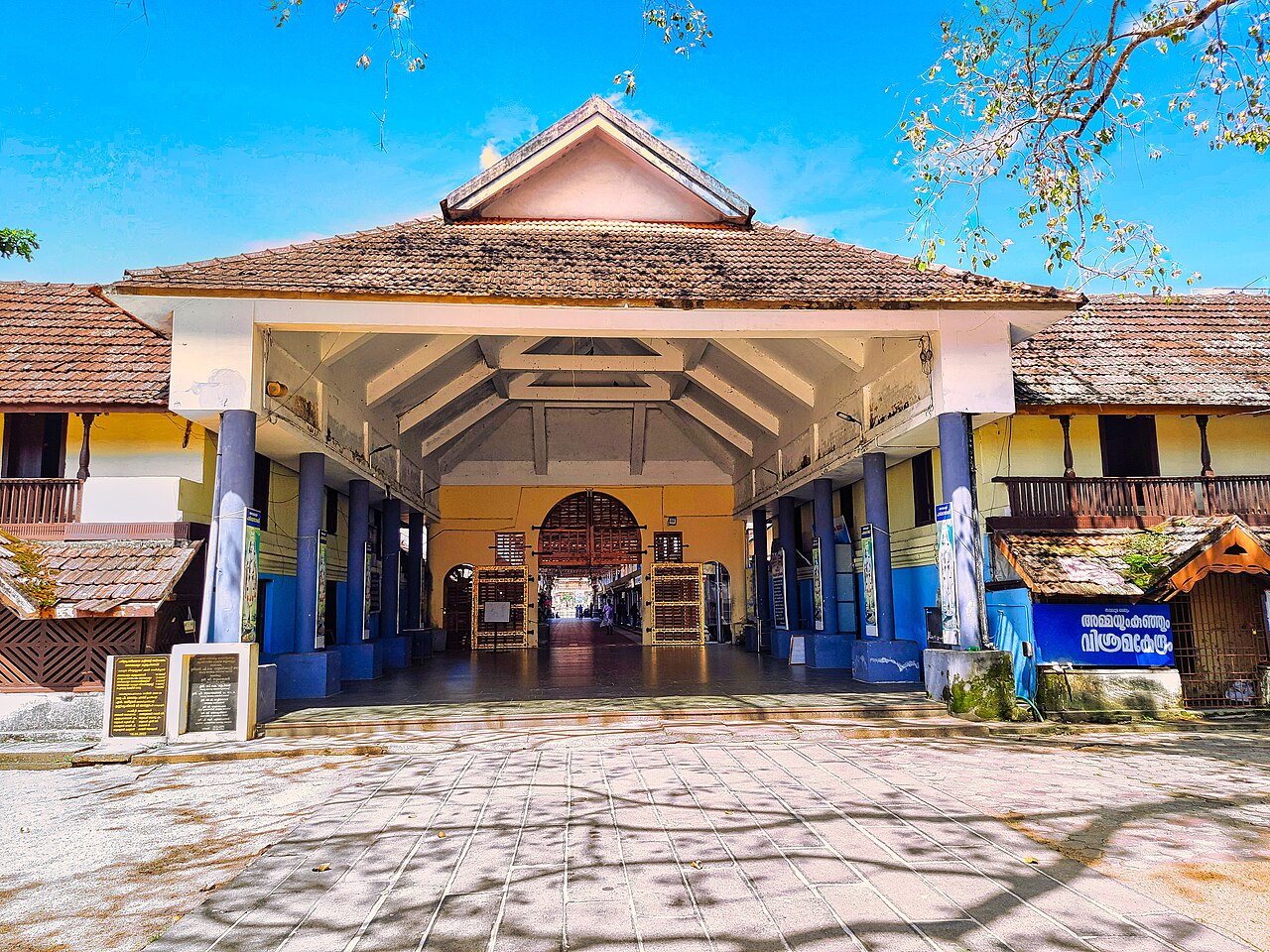
A Vaishnava shrine on the Kerala backwaters consecrated to Sri Krishna in his Parthasarathy form, counted among the seven great Temples of the former kingdom of Travancore and famed across South India for its Ambalapuzha Paal Payasam offering.
 Hinduism
Amrutesvara Temple
Amruthapura · India · temple
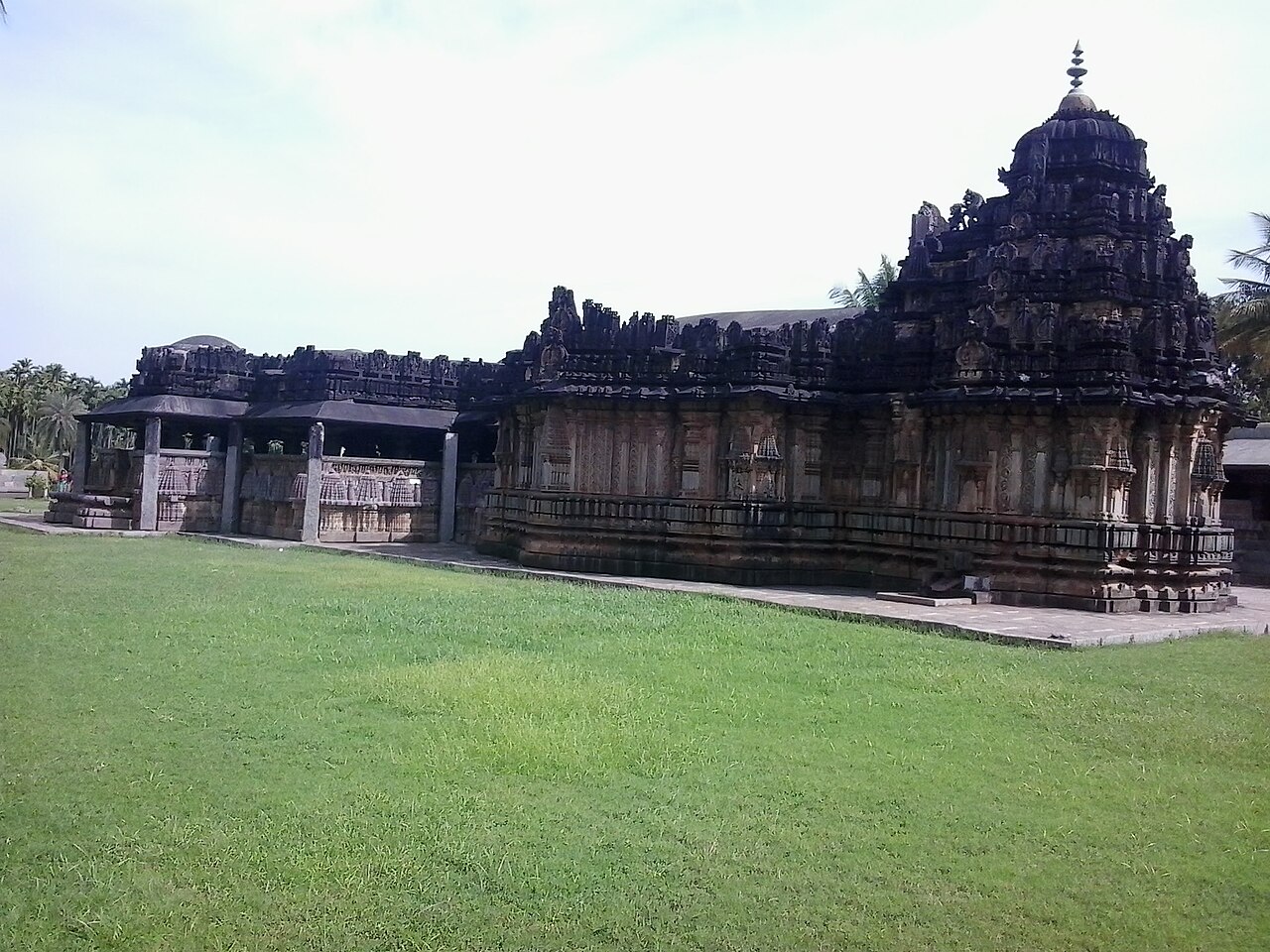
A Hoysala-era Shiva Temple in the village of Amruthapura in Karnataka's Chikkamagaluru district, raised in 1196 CE and renowned for the finely lathe-turned pillars and narrative relief panels of its open pillared hall.