Ananta Vasudeva Temple
Ananta Basudeba Temple · Ananta Vasudev Temple
About
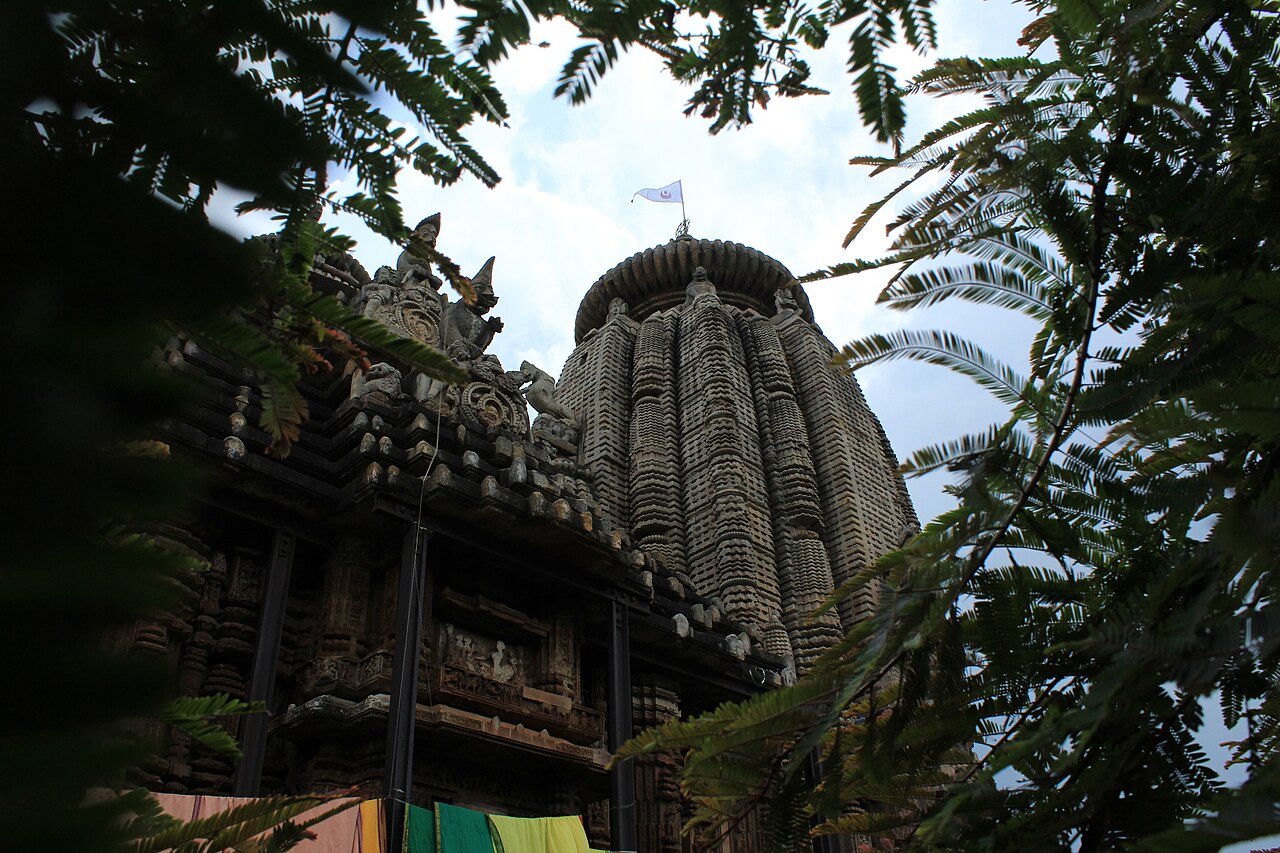
Standing amid the ancient Temple city of Bhubaneswar, the Ananta Vasudeva Temple, whose name speaks of the Infinite Vāsudeva, is devoted to Krishna as an avatāra of Vishnu. Unlike many sacred sites of the region that exalt Lord Shiva, this is the sole surviving early medieval Temple of Bhubaneswar built firmly within the Vaiṣṇava devotional stream, lending it a singular character among the city's hundreds of shrines.
Within the garbhagṛha, or inner sanctum, three holy figures stand together: Krishna, holding a mace, a cakra, a lotus, and a conch; Balarāma sheltered beneath a serpent of seven hoods; and Subhadrā, bearing a pot of jewels and a lotus while her left foot rests upon another jewel vessel. These śrīmūrtis are hewn from black granite, setting them apart from the wooden forms venerated at the Jagannātha Temple in Puri. Because the cakra (discus) is central to the iconography here, the city of Bhubaneswar is given the epithetic name Cakra Kṣetra, the circular sacred ground, while Puri is known as Śaṅkha Kṣetra, the conch-shaped place.
The outer walls carry Vaiṣṇava sculptural programs whose character distinguishes this Temple from its Śaiva neighbours. Rows of miniature śikharas run along the tower in longitudinal bands, as on the great Lingarāja Temple nearby, though each band here groups only three minor spires. Many of the female figures adorning the exterior display elaborate ornamentation. A foundational inscription commemorating the Temple's establishment is now preserved in the British Museum's collection.
History
Tradition holds that an image of Lord Vishnu was already worshipped on this spot before any Temple stood here. In the thirteenth century CE, Queen Chandrika Devi, daughter of the Eastern Ganga king Anangabhima III, raised the present Temple during the reign of King Bhanudeva, and a foundational inscription commemorating the act is today held in the British Museum's collection. The Marathas, whose rule extended north to the Mahanadi river, renovated the shrine in the late seventeenth century, carrying its worship into the modern era.
Significance
The sanctum's images of Lord Krishna, Lord Balarama, and Devi Subhadra are carved from black granite rather than the wood used for their counterparts at the Jagannath Temple in Puri, a deliberate departure within Odisha's shared devotional culture. Because Lord Krishna's cakra is enshrined here, Bhubaneswar itself carries the name Cakra Kshetra, the circular sacred ground, just as Puri, seat of the conch, is known as Shankha Kshetra. It stands as the principal Vaishnava sanctuary among Bhubaneswar's largely Shaiva Temple cluster, keeping a distinct devotional stream alive on the bank of the sacred tank.
Architecture
Kalinga (Odishan) rekha deul Temple architecture, closely resembling the nearby Lingaraja Temple in form but carrying Vaishnava rather than Shaiva sculpture, with longitudinal bands of miniature shikharas grouped in threes
Visiting
Daily worship
| Darshan (Temple open) | 06:00 to 19:00 |
Hours
Hours not listed.
Contact
No contact details listed yet.
Engage with Ananta Vasudeva Temple
Through the four pathways
Seva सेवा — Service
Offer your time and skills here. The following opportunities are open at Ananta Vasudeva Temple:
No Seva offerings listed yet.
Sādhana साधना — Practice
Learn the worship and practice associated with Ananta Vasudeva Temple:
No Sādhana offerings listed yet.
Sandhāna सन्धान — Wisdom
Unite with the wisdom of this tradition:
No Sandhāna offerings listed yet.
Sādhya साध्य — Giving
Support this sacred place according to your means:
No Sādhya offerings listed yet.
All giving flows directly to Ananta Vasudeva Temple. Adisthan does not take a commission.
Festivals & Events
- Sept
Krishna Janmashtami
4 September 2026 · annual
The birth anniversary of Lord Krishna, marked at the Temple with flowers, lights, devotional song, and a fair held in the Temple precincts that draws devotees through the day and into the night.
Gallery
Related sacred places
 Hinduism
Airavatesvara Temple, Darasuram
Darasuram (Kumbakonam) · India · temple
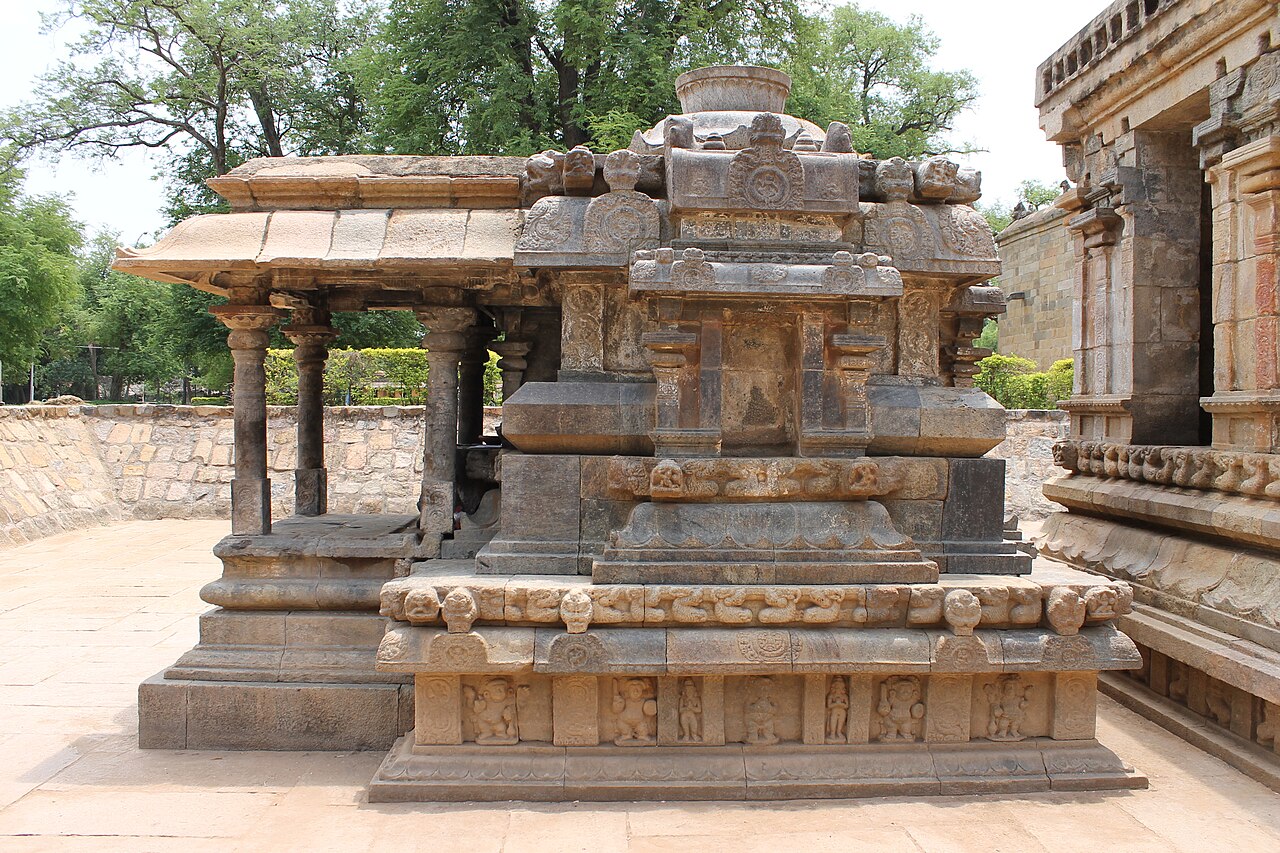
The third of the Great Living Chola Temples, raised by Rajaraja Chola II around 1166 CE at Darasuram near Kumbakonam: a chariot-form shrine of Lord Shiva as Airavatesvara, famed for its carved stone wheels, its singing steps, and worship that has continued for over eight centuries.
Aisanyesvara Siva Temple
Bhubaneswar · India · temple
A living thirteenth-century Shiva shrine in the Old Town of Bhubaneswar, standing close to the western wall of the great Lingaraj Temple, where a Shivalinga set within a circular yonipitha still receives daily worship in the Kalinga architectural tradition.
 Hinduism
Akhadachandi Temple
Bhubaneswar · India · temple
A tenth-century Kalinga-style shrine on the southwestern bank of Bhubaneswar's sacred Bindusagar tank, Akhadachandi Temple honours Maa Mahishasuramardini, the Goddess in her form as slayer of the buffalo demon, within the dense cluster of ancient shrines that fills the city's Old Town.
 Hinduism
Akshardham
New Delhi · India · temple
A vast contemporary Hindu mandir campus on the Yamuna's west bank in East Delhi, raised without structural steel by 11,000 artisans and volunteers, and recognised by Guinness World Records in 2007 as the world's largest comprehensive Hindu Temple.
 Hinduism
Amarnath Temple
· India · temple
A high Himalayan cave shrine in Jammu and Kashmir where a naturally forming ice lingam is venerated as Lord Śiva, drawing one of India's great seasonal pilgrimages.
 Hinduism
Ambalappuzha Sri Krishna Temple
Ambalappuzha · India · temple
A Vaishnava shrine on the Kerala backwaters consecrated to Sri Krishna in his Parthasarathy form, counted among the seven great Temples of the former kingdom of Travancore and famed across South India for its Ambalapuzha Paal Payasam offering.