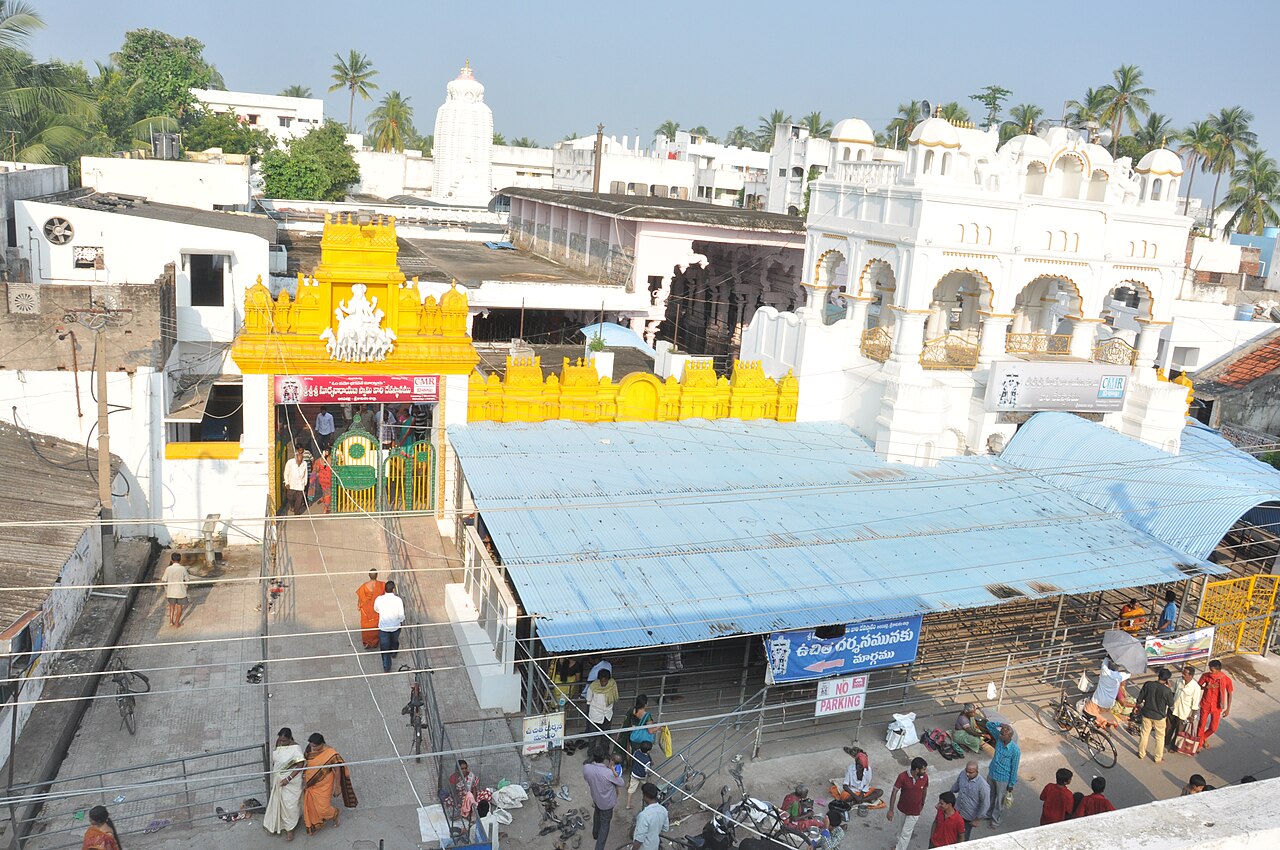
Arasavalli Sun Temple
Arasavalli Sri Surya Narayana Swamy Devalayam · Om Sri Suryanarayana Swamy Vari Devasthanam · Arasavilli Sun Temple
About
Rising just a kilometre to the east of Srikakulam in Andhra Pradesh, the Arasavalli Śrī Sūrya Nārāyaṇa Swāmy Devalayam stands as one of the rarest surviving monuments to Sūrya, the solar deity, in the Indian subcontinent. Together with the Konark Sun Temple in Odisha and the Martand Sun Temple in Jammu and Kashmir, it forms a small and precious fraternity of major Sūrya shrines, the only ones of their kind to have endured through the centuries.
The Temple's tower rises in the Rekha deula mode of Kaliṅga architecture, the same idiom that gave form to the great Jagannāth shrine at Puri. Skilled Vishwakarma Brahmins, the Maharanas of Odisha, are credited with its construction, and their mastery of orientation is evident in a celebrated phenomenon: twice each year, on specific days during Uttarāyaṇam in March and Dakṣiṇāyam in October, the first light of morning falls precisely on the feet of the presiding deity, even while all five entrance gates remain closed.
The atmosphere of the complex is one of ancient continuity, a place where solar devotion has been practiced across more than thirteen centuries, drawing pilgrims and seekers whose reverence for the divine light of Sūrya gives the Temple its enduring life.
History
Tradition, recorded in the Padmapuranam, holds that the sage Kashyapa installed the image of Surya at Arasavalli for the welfare of mankind, and the deity is honoured to this day as belonging to the Kashyapasa Gotra. Temple inscriptions credit King Devendra Varma of the Eastern Ganga Dynasty of Kalinga with raising the shrine in the seventh century CE. The Temple fell into disrepair over the centuries and was substantially rebuilt in 1778 CE by Elamanchili Pullaji Panthulu, with further repairs recorded through the eighteenth and nineteenth centuries, some funded by the Dusi family.
Significance
Together with the Konark Sun Temple in Odisha, Arasavalli is one of only two major Surya Temples in India still standing and in worship, since the Martand Sun Temple in Kashmir was destroyed in the fourteenth century. Its Rekha deula tower, raised in the same architectural idiom as the Jagannath Temple at Puri, was oriented with such precision that the first light of the rising sun still falls directly upon the feet of Sri Suryanarayana Swamy twice each year, in March and around early October, even as all five entrance gates stand shut. Stone inscriptions preserved within the Temple record centuries of royal patronage and repair.
Architecture
Rekha deula style of Kalinga Temple architecture, in the same idiom as the Jagannath Temple at Puri
Visiting
Daily worship
| Suprabhatam | 05:00 to | |
| Nitya Archana | 05:30 to | |
| Morning darshan (Sarva Darshanam) | 06:00 to 12:30 | |
| Maha Nivedana | 12:30 to | |
| Evening darshan (Sarva Darshanam) | 15:30 to 20:00 |
Hours
Hours not listed.
Contact
No contact details listed yet.
Engage with Arasavalli Sun Temple
Through the four pathways
Seva सेवा — Service
Offer your time and skills here. The following opportunities are open at Arasavalli Sun Temple:
No Seva offerings listed yet.
Sādhana साधना — Practice
Learn the worship and practice associated with Arasavalli Sun Temple:
No Sādhana offerings listed yet.
Sandhāna सन्धान — Wisdom
Unite with the wisdom of this tradition:
No Sandhāna offerings listed yet.
Sādhya साध्य — Giving
Support this sacred place according to your means:
No Sādhya offerings listed yet.
All giving flows directly to Arasavalli Sun Temple. Adisthan does not take a commission.
Festivals & Events
- Feb
Ratha Saptami
13 February 2027 · annual
The Temple's principal annual festival, marking the sun's symbolic turning as the birth of Lord Surya is honoured with special worship of Sri Suryanarayana Swamy.
Gallery
Related sacred places
 Hinduism
Airavatesvara Temple, Darasuram
Darasuram (Kumbakonam) · India · temple
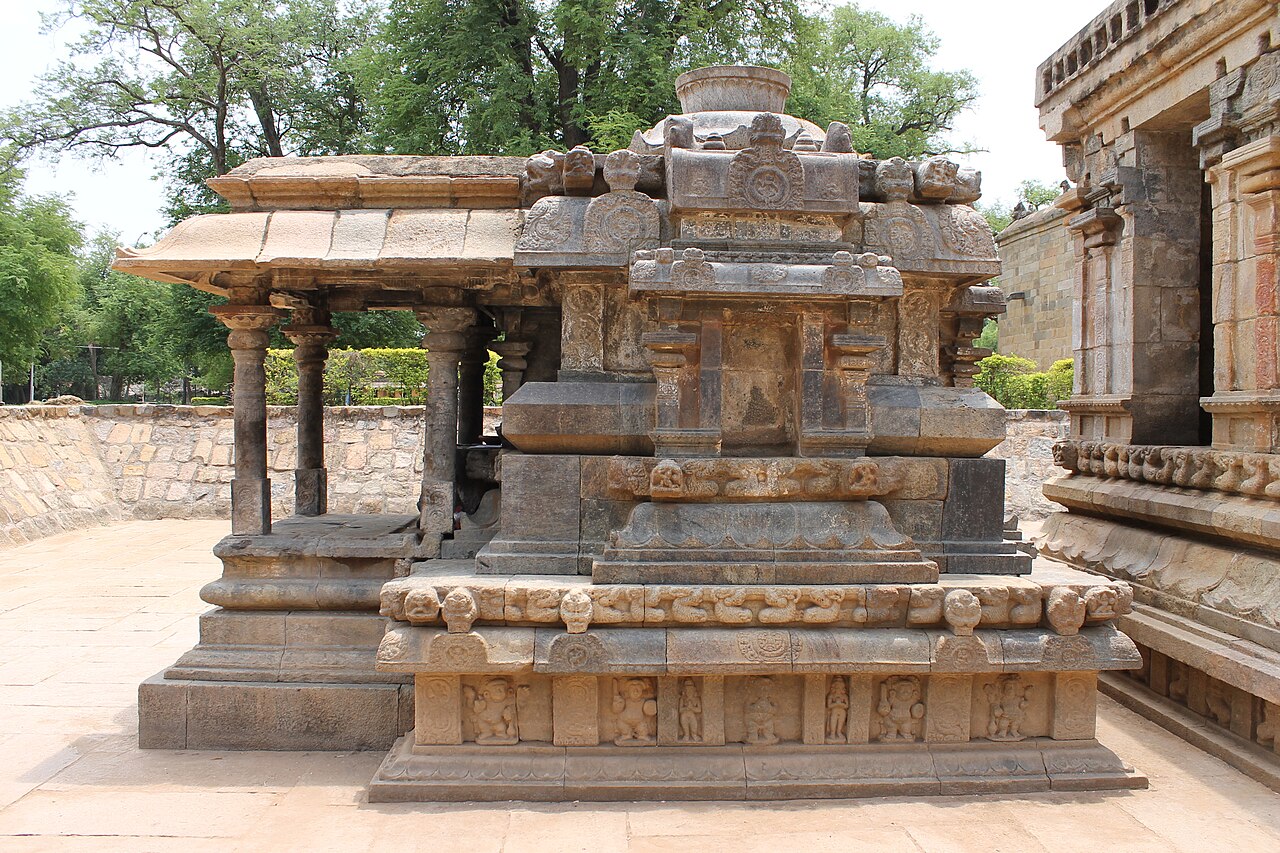
The third of the Great Living Chola Temples, raised by Rajaraja Chola II around 1166 CE at Darasuram near Kumbakonam: a chariot-form shrine of Lord Shiva as Airavatesvara, famed for its carved stone wheels, its singing steps, and worship that has continued for over eight centuries.
Aisanyesvara Siva Temple
Bhubaneswar · India · temple
A living thirteenth-century Shiva shrine in the Old Town of Bhubaneswar, standing close to the western wall of the great Lingaraj Temple, where a Shivalinga set within a circular yonipitha still receives daily worship in the Kalinga architectural tradition.
 Hinduism
Akhadachandi Temple
Bhubaneswar · India · temple
A tenth-century Kalinga-style shrine on the southwestern bank of Bhubaneswar's sacred Bindusagar tank, Akhadachandi Temple honours Maa Mahishasuramardini, the Goddess in her form as slayer of the buffalo demon, within the dense cluster of ancient shrines that fills the city's Old Town.
 Hinduism
Akshardham
New Delhi · India · temple
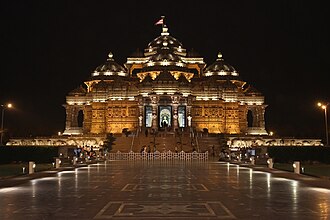
A vast contemporary Hindu mandir campus on the Yamuna's west bank in East Delhi, raised without structural steel by 11,000 artisans and volunteers, and recognised by Guinness World Records in 2007 as the world's largest comprehensive Hindu Temple.
 Hinduism
Amarnath Temple
· India · temple
A high Himalayan cave shrine in Jammu and Kashmir where a naturally forming ice lingam is venerated as Lord Śiva, drawing one of India's great seasonal pilgrimages.
 Hinduism
Ambalappuzha Sri Krishna Temple
Ambalappuzha · India · temple
A Vaishnava shrine on the Kerala backwaters consecrated to Sri Krishna in his Parthasarathy form, counted among the seven great Temples of the former kingdom of Travancore and famed across South India for its Ambalapuzha Paal Payasam offering.