
Baijnath Temple, Himachal Pradesh
Vaidyanath Temple · Baijnathji Temple
About
Nestled in the small Himalayan town that shares its name, Baijnath Temple stands as one of the Kangra Valley's most eloquent expressions of early medieval sacred architecture. Built in the Nāgara style, characterised by its soaring curvilinear śikhara (spire) and richly articulated exterior surfaces, the shrine draws devotees and scholars alike with its combination of formal elegance and deep religious antiquity. The Archaeological Survey of India now safeguards the structure, recognising its national importance.
The presiding deity is Śiva in the aspect of Vaidyanātha, a name carrying the meaning 'lord of physicians', a form that emphasises the god's sovereignty over healing and the relief of suffering. Within the sanctum, a Śiva liṅgam receives continuous veneration, while the outer walls and interior niches are adorned with sculpted images including Gaṇeśa, the composite Harihara (uniting Viṣṇu and Śiva in a single divine form), the auspicious Kalyāṇasundara depicting the wedding of Śiva and Pārvatī, and Śiva's conquest of the demon Andhaka.
The Temple compound once sheltered several smaller subsidiary shrines dedicated to Jamadagni, Bhairava, Narmadeśvara, and Murlimanohara. Though the catastrophic earthquake of 1905 left visible marks on the Kangra Valley, the main Baijnath structure weathered the event with comparatively modest damage, testifying to the enduring quality of its medieval construction. The atmosphere today remains contemplative and living: incense, oil lamps, and the movement of pilgrims give the old stones a warmth that no photograph can quite contain.
History
Stone inscriptions in the Temple's hall, carved in Sanskrit and in the local Pahari tongue, record that the merchants Manyuka and Ahuka raised the present shrine in 1204 CE during the reign of King Jaya Chandra, on ground where an older Shiva shrine already stood. In 1786 the Kangra ruler Sansar Chand had the Temple restored, and his family priest Ganga Ram rebuilt its spire and outer roof. When the great earthquake of 1905 shook the Kangra valley, the main Temple survived with only minor damage while its smaller subsidiary shrines suffered more. Tradition holds that Ravana himself once carried this Shiva linga toward Lanka, only to set it down here, at what was then called Kiragrama, where it took root as Ardhanarishvara, and out of respect for his devotion the town has never observed Dussehra.
Significance
As a shrine to Vaidyanath, Lord Shiva in his aspect as healer, Baijnath Temple draws pilgrims seeking relief from suffering as much as those who come simply to worship. Its sculpted walls carry images of Ganesha, the composite Harihara, and the wedding of Lord Shiva and Maa Parvati, a stone record of devotion that predates the Temple's own 1204 CE consecration. Protected today by the Archaeological Survey of India, it remains a living sanctuary where oil lamps and incense still rise before the linga each day.
Architecture
Nagara-style North Indian Temple architecture, curvilinear sandstone shikhara
Visiting
Hours
Hours not listed.
Contact
No contact details listed yet.
Engage with Baijnath Temple, Himachal Pradesh
Through the four pathways
Seva सेवा — Service
Offer your time and skills here. The following opportunities are open at Baijnath Temple, Himachal Pradesh:
No Seva offerings listed yet.
Sādhana साधना — Practice
Learn the worship and practice associated with Baijnath Temple, Himachal Pradesh:
No Sādhana offerings listed yet.
Sandhāna सन्धान — Wisdom
Unite with the wisdom of this tradition:
No Sandhāna offerings listed yet.
Sādhya साध्य — Giving
Support this sacred place according to your means:
No Sādhya offerings listed yet.
All giving flows directly to Baijnath Temple, Himachal Pradesh. Adisthan does not take a commission.
Festivals & Events
- Mar
Maha Shivratri
6 March 2027 · annual
The great night of Lord Shiva, marked here with an overnight vigil before the linga; devotees keep jagran through the night and the Temple stays open beyond its usual hours to receive them.
Gallery
Related sacred places
 Hinduism
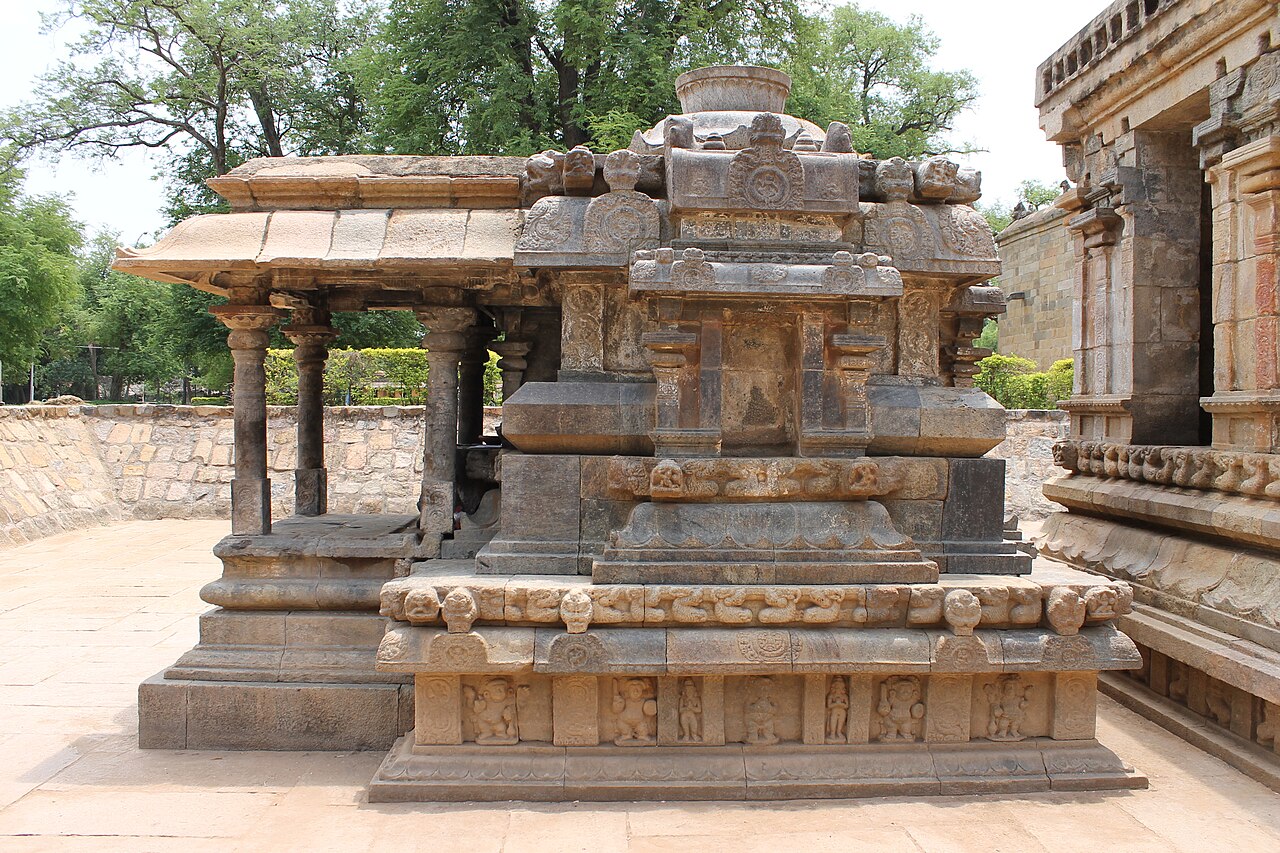
Airavatesvara Temple, Darasuram
Darasuram (Kumbakonam) · India · temple
The third of the Great Living Chola Temples, raised by Rajaraja Chola II around 1166 CE at Darasuram near Kumbakonam: a chariot-form shrine of Lord Shiva as Airavatesvara, famed for its carved stone wheels, its singing steps, and worship that has continued for over eight centuries.
Aisanyesvara Siva Temple
Bhubaneswar · India · temple
A living thirteenth-century Shiva shrine in the Old Town of Bhubaneswar, standing close to the western wall of the great Lingaraj Temple, where a Shivalinga set within a circular yonipitha still receives daily worship in the Kalinga architectural tradition.
 Hinduism
Akhadachandi Temple
Bhubaneswar · India · temple
A tenth-century Kalinga-style shrine on the southwestern bank of Bhubaneswar's sacred Bindusagar tank, Akhadachandi Temple honours Maa Mahishasuramardini, the Goddess in her form as slayer of the buffalo demon, within the dense cluster of ancient shrines that fills the city's Old Town.
 Hinduism
Akshardham
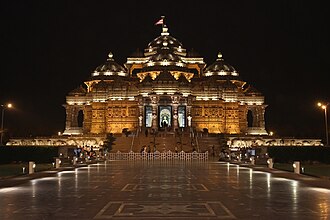
New Delhi · India · temple
A vast contemporary Hindu mandir campus on the Yamuna's west bank in East Delhi, raised without structural steel by 11,000 artisans and volunteers, and recognised by Guinness World Records in 2007 as the world's largest comprehensive Hindu Temple.
 Hinduism
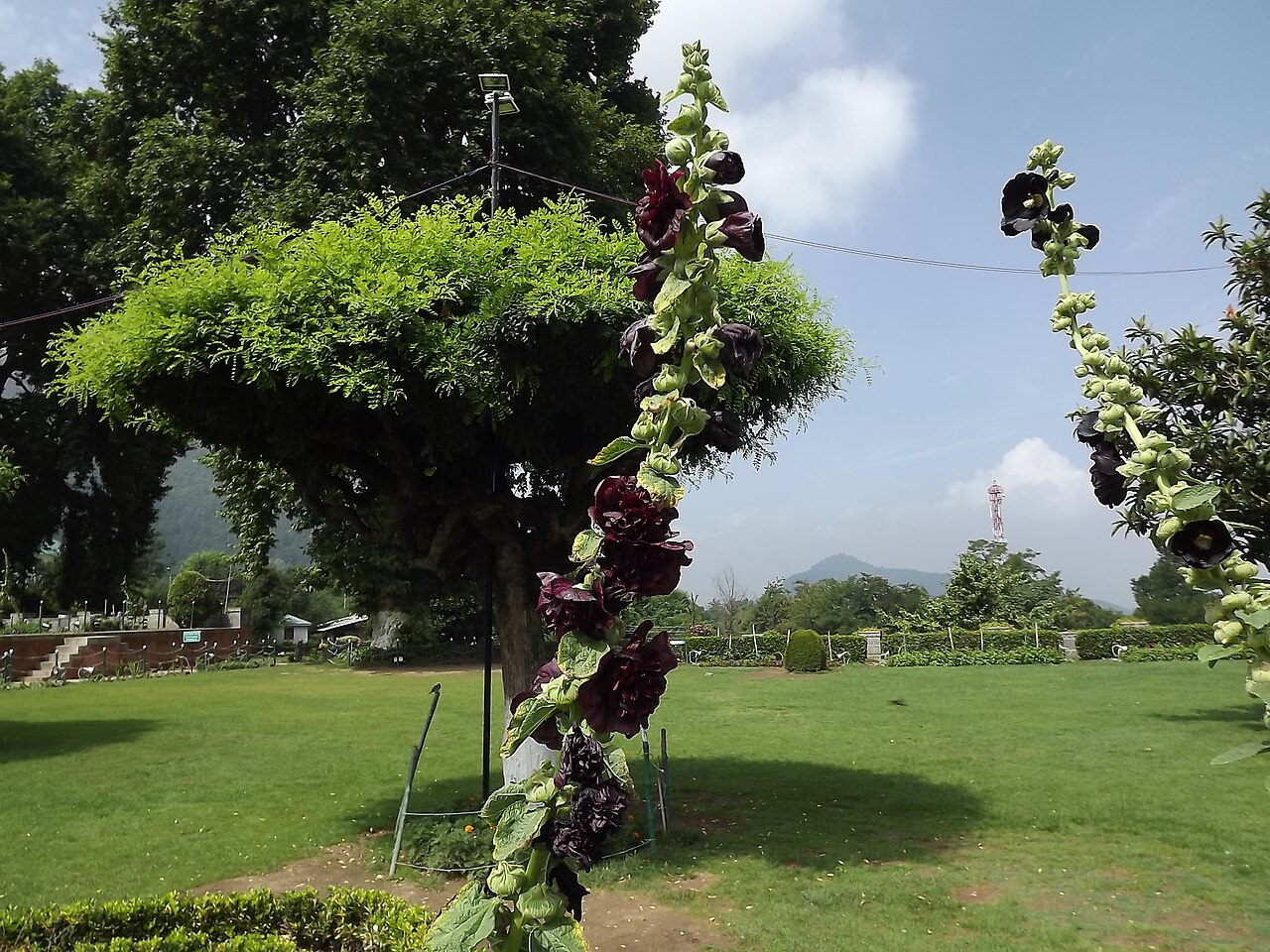
Amarnath Temple
· India · temple
A high Himalayan cave shrine in Jammu and Kashmir where a naturally forming ice lingam is venerated as Lord Śiva, drawing one of India's great seasonal pilgrimages.
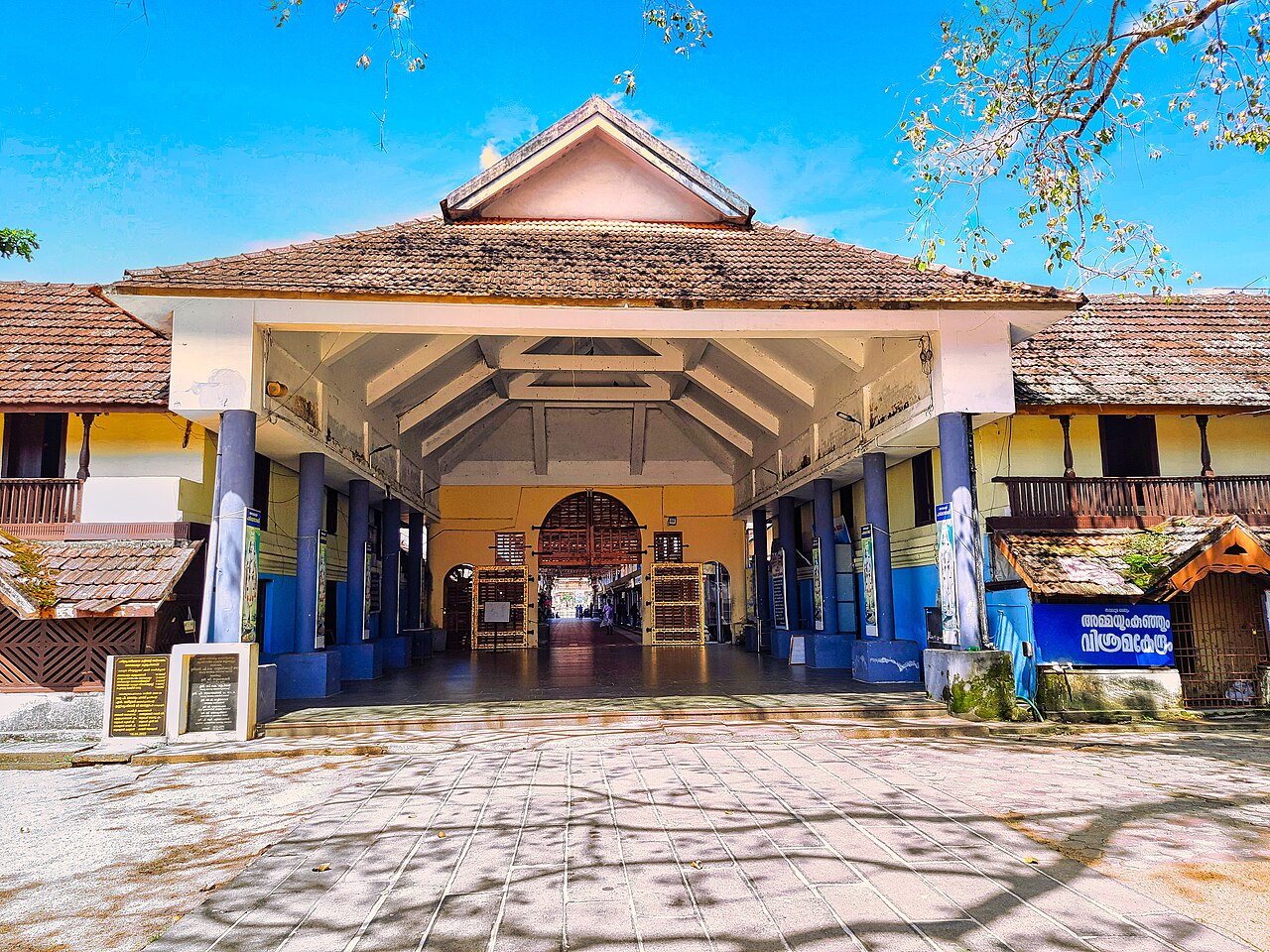 Hinduism
Ambalappuzha Sri Krishna Temple
Ambalappuzha · India · temple
A Vaishnava shrine on the Kerala backwaters consecrated to Sri Krishna in his Parthasarathy form, counted among the seven great Temples of the former kingdom of Travancore and famed across South India for its Ambalapuzha Paal Payasam offering.