Brahma Temple
Brahma Mandir, Khajuraho
About
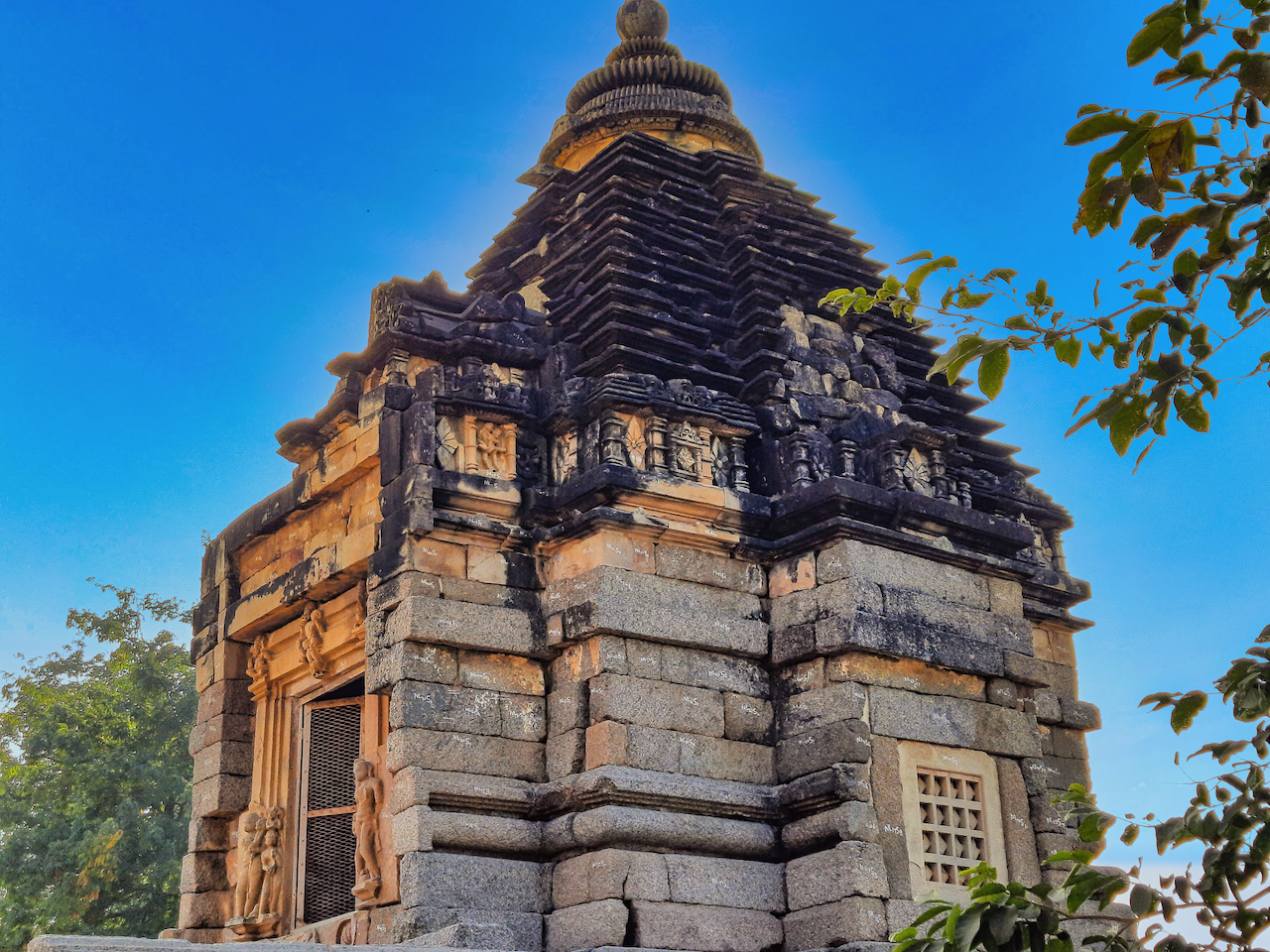
Standing beside the sacred Khajuraho lake in the Chhatarpur district of Madhya Pradesh, this small yet quietly commanding shrine is among the earliest monuments to survive from the great medieval building campaign that gave the region its fame. Though it bears the name of Brahmā, the creator deity of the Hindu trinity, the inner sanctum houses imagery associated with Viṣṇu, a discrepancy that has long intrigued scholars and lends the Temple a layered theological character quite distinct from its popular designation.
The structure belongs to the formative period of what would become the Khajuraho architectural tradition: a period when builders were still refining the soaring śikhara style that later Temples would carry to towering heights. Constructed primarily in granite with sandstone elements, the shrine is comparatively modest in scale when set beside its grander neighbours, yet its proportions carry a composed dignity that speaks to the spiritual seriousness of its original patrons.
The atmosphere around the Temple is one of intimacy and age. Positioned near the water's edge, it draws those who wish to sit quietly away from the larger crowds that gather at the more elaborately sculptured shrines. For devotees of the Vaiṣṇava tradition in particular, the presence of Viṣṇu within walls that carry another deity's name offers a gentle reminder of how living traditions adapt and rename sacred spaces across the centuries.
History
Built around 900 CE, in the ninth century or the opening decades of the tenth, this shrine ranks among the earliest survivors of Khajuraho's great temple-building age, raised before the grander monuments of the later Chandela period. Its builders set granite walls beneath a sandstone tower, a combination unlike most of Khajuraho's sandstone-only Temples, and placed the shrine on a raised plinth at the edge of Khajuraho Sagar, the town's sacred lake. Its plan is close to that of the nearby Lalguan Mahadeva Temple. Today it is conserved by the Archaeological Survey of India as part of the Khajuraho Group of Monuments, a UNESCO World Heritage Site.
Significance
The Temple's popular name is a case of mistaken identity: the liṅga enshrined within is four-faced, and generations of worshippers took its four faces for the four heads of Lord Brahma rather than recognising them as an aspect of Lord Shiva. The doorway lintel carries its own carving of the three gods together, Brahma, Vishnu, and Shiva, with the river goddesses Ganga and Yamuna at its base. As one of the oldest standing shrines in the Khajuraho complex, it offers a quieter, earlier counterpoint to the soaring, richly sculpted Temples that followed it.
Architecture
Early Khajuraho Nagara architecture; granite walls beneath a sandstone pyramidal shikhara, cruciform in plan around twelve granite pilasters, close in design to the nearby Lalguan Mahadeva Temple
Visiting
Hours
Hours not listed.
Contact
No contact details listed yet.
Engage with Brahma Temple
Through the four pathways
Seva सेवा — Service
Offer your time and skills here. The following opportunities are open at Brahma Temple:
No Seva offerings listed yet.
Sādhana साधना — Practice
Learn the worship and practice associated with Brahma Temple:
No Sādhana offerings listed yet.
Sandhāna सन्धान — Wisdom
Unite with the wisdom of this tradition:
No Sandhāna offerings listed yet.
Sādhya साध्य — Giving
Support this sacred place according to your means:
No Sādhya offerings listed yet.
All giving flows directly to Brahma Temple. Adisthan does not take a commission.
Gallery
Related sacred places
 Hinduism
Airavatesvara Temple, Darasuram
Darasuram (Kumbakonam) · India · temple
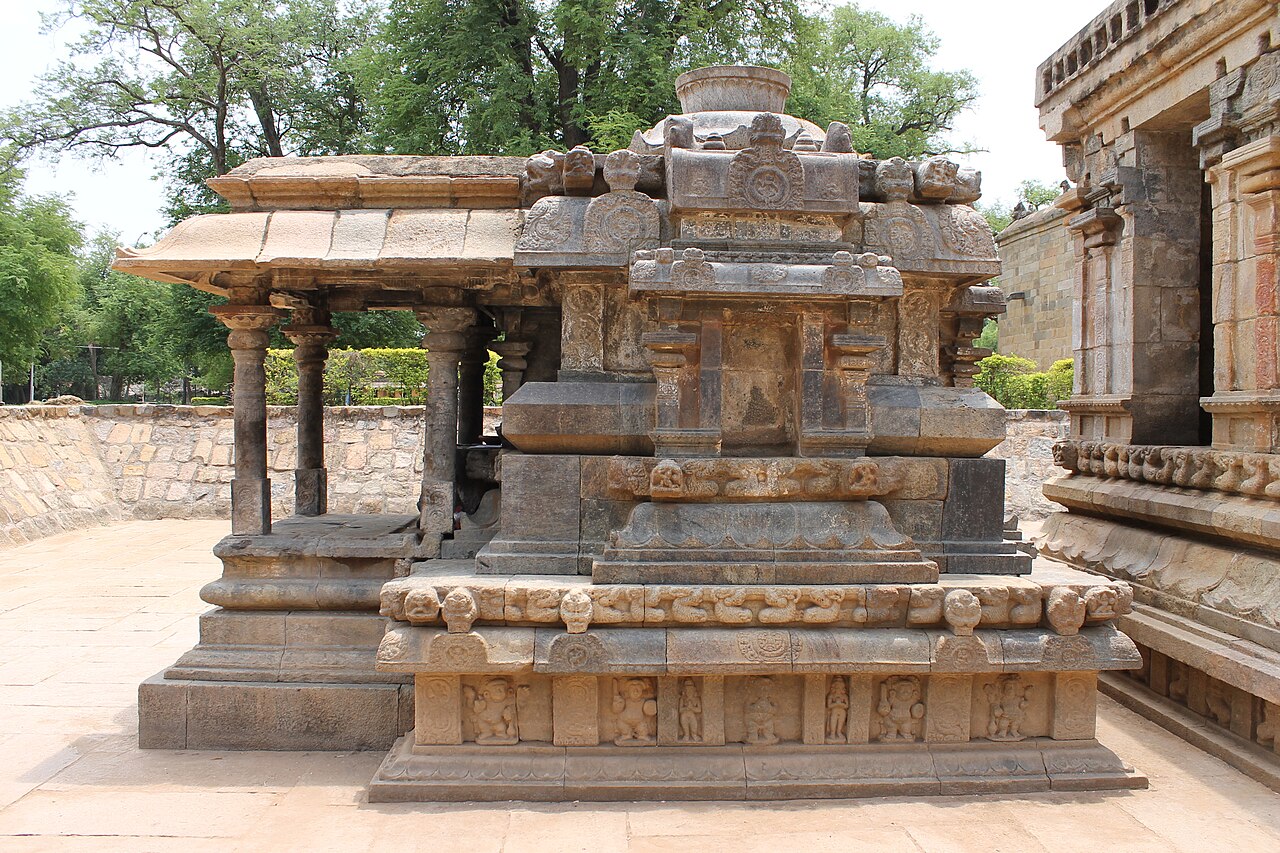
The third of the Great Living Chola Temples, raised by Rajaraja Chola II around 1166 CE at Darasuram near Kumbakonam: a chariot-form shrine of Lord Shiva as Airavatesvara, famed for its carved stone wheels, its singing steps, and worship that has continued for over eight centuries.
Aisanyesvara Siva Temple
Bhubaneswar · India · temple
A living thirteenth-century Shiva shrine in the Old Town of Bhubaneswar, standing close to the western wall of the great Lingaraj Temple, where a Shivalinga set within a circular yonipitha still receives daily worship in the Kalinga architectural tradition.
 Hinduism
Akhadachandi Temple
Bhubaneswar · India · temple
A tenth-century Kalinga-style shrine on the southwestern bank of Bhubaneswar's sacred Bindusagar tank, Akhadachandi Temple honours Maa Mahishasuramardini, the Goddess in her form as slayer of the buffalo demon, within the dense cluster of ancient shrines that fills the city's Old Town.
 Hinduism
Akshardham
New Delhi · India · temple
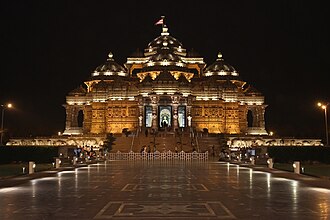
A vast contemporary Hindu mandir campus on the Yamuna's west bank in East Delhi, raised without structural steel by 11,000 artisans and volunteers, and recognised by Guinness World Records in 2007 as the world's largest comprehensive Hindu Temple.
 Hinduism
Amarnath Temple
· India · temple
A high Himalayan cave shrine in Jammu and Kashmir where a naturally forming ice lingam is venerated as Lord Śiva, drawing one of India's great seasonal pilgrimages.
 Hinduism
Ambalappuzha Sri Krishna Temple
Ambalappuzha · India · temple
A Vaishnava shrine on the Kerala backwaters consecrated to Sri Krishna in his Parthasarathy form, counted among the seven great Temples of the former kingdom of Travancore and famed across South India for its Ambalapuzha Paal Payasam offering.