Chausath Yogini Temple, Hirapur
Mahamaya Temple · Chausathi Yogini Temple · 64 Yogini Temple
About
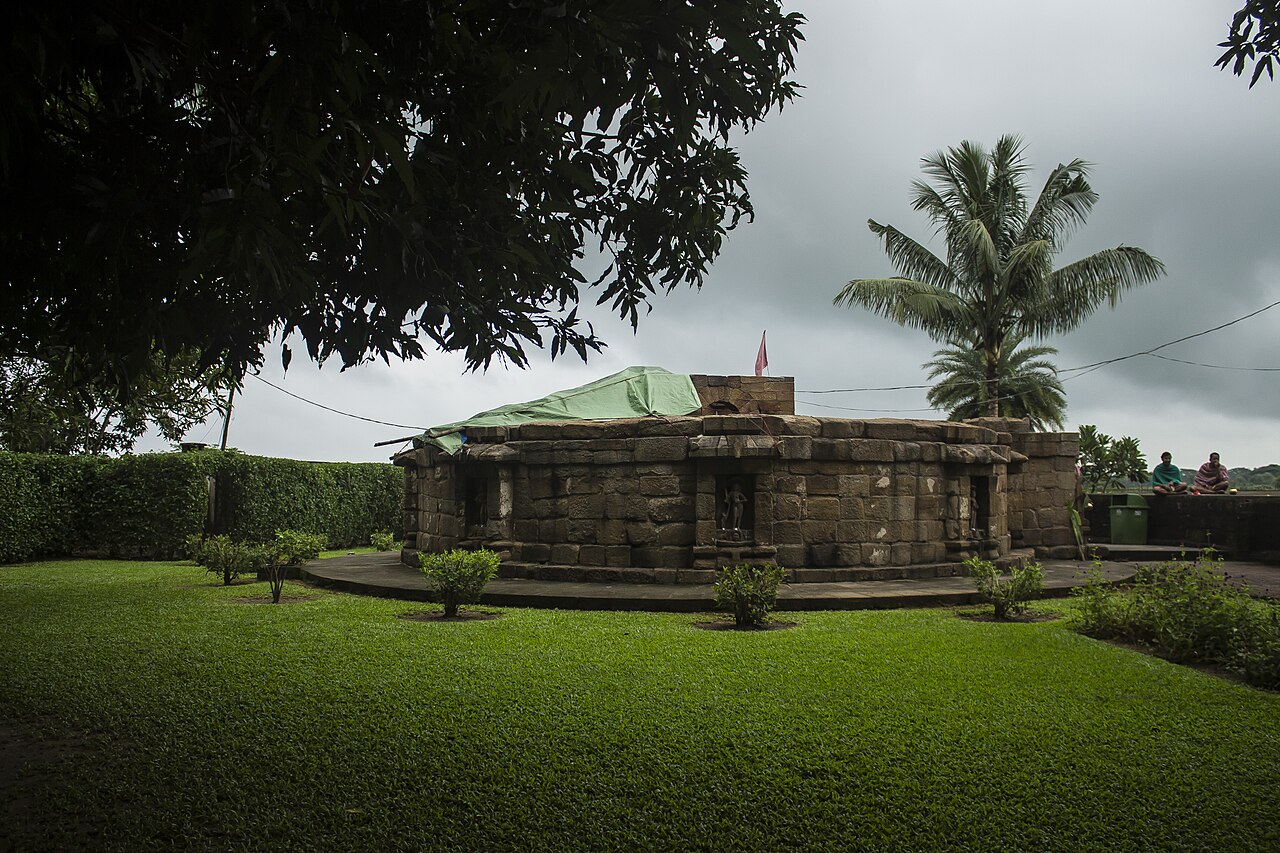
Set amid the quiet village of Hirapur roughly twenty kilometres from Bhubaneswar, the Mahamaya Temple, more widely known as the Chausath Yoginī Temple, is among the most singular tantric shrines in the entire Indian subcontinent. Its circular form, only about twenty-five feet across, is built from blocks of sandstone and left deliberately open to the sky, an architectural choice rooted in the tantric conviction that worship must embrace the bhumandala: all five elements of fire, water, earth, air, and ether. The yoginīs, moreover, are understood to possess the power of flight, so no roof confines the sacred space.
Within the inner wall, sixty-four niches once held individual goddess images; fifty-six of these dark stone figures remain intact today. Each yoginī stands on an animal, a demon, or a human head, an embodiment of Śakti's boundless triumph. Their forms range in mood from serene to fierce, expressing the full range of divine emotion: longing, joy, sorrow, wrath, and bliss. At the very centre of the shrine, Goddess Kālī stands upon a human head, symbolising the supremacy of the heart over the rational mind. Scholars have noted that the overall plan follows a maṇḍala arrangement, with concentric rings of sacred presence radiating outward from this central image, and a projecting entrance passage whose outline echoes the form of a yoni-pedestal.
The yoginī sculptures themselves are carved from dark chlorite, standing roughly forty centimetres tall. Scholar István Keul observed that most possess delicate features and sensual, full-figured forms, slender waists, broad hips, and high round breasts, adorned with jewelled girdles, bracelets, armlets, necklaces, and anklets. Though unclothed, their ornamentation is elaborate, and their varying poses on plinths or vāhanas give each figure a distinct character and presence. The overall atmosphere of the Temple is intimate and quietly electric, a space where the ancient grammar of Śākta tantra can still be felt in the stone.
History
Local tradition attributes the Temple's founding to Queen Hiradevi of the Bhauma-Kara dynasty around 864 CE, which would make it, by that account, the earliest of the surviving Chausath Yogini shrines. The legend told by the Temple's own priests holds that Maa Durga assumed sixty-four forms to defeat a demon, and that the Yoginis born of that battle asked to be honoured with a shrine of their own. In the sixteenth century the general Kalapahad, who is also linked to damage at the Jagannath and Konark Temples, is said to have broken several of the murtis here. The Temple lay forgotten for centuries until 1953, when the historian Kedarnath Mohapatra of the Odisha State Museum rediscovered it, and the Archaeological Survey of India has cared for the site since.
Significance
Hirapur is one of only four hypaethral Yogini Temples known to survive in India, and the smallest and best preserved among them, its low circular wall left open to the sky so that the sixty-four can take flight and worship can embrace all five elements. Each niche once held a distinct form of the Goddess, fierce or serene, standing on her own animal or human vahana, and fifty-six of these dark stone images still keep their place around Maa Kali. For tantric Shakta devotion the Temple stands as a living mandala in stone, a reminder that the Divine Mother's power was never thought to wear a single face.
Architecture
Hypaethral (roofless) circular Yogini-cult shrine, sandstone masonry on a tantric mandala plan
Visiting
Hours
Hours not listed.
Contact
No contact details listed yet.
Engage with Chausath Yogini Temple, Hirapur
Through the four pathways
Seva सेवा — Service
Offer your time and skills here. The following opportunities are open at Chausath Yogini Temple, Hirapur:
No Seva offerings listed yet.
Sādhana साधना — Practice
Learn the worship and practice associated with Chausath Yogini Temple, Hirapur:
No Sādhana offerings listed yet.
Sandhāna सन्धान — Wisdom
Unite with the wisdom of this tradition:
No Sandhāna offerings listed yet.
Sādhya साध्य — Giving
Support this sacred place according to your means:
No Sādhya offerings listed yet.
All giving flows directly to Chausath Yogini Temple, Hirapur. Adisthan does not take a commission.
Gallery
Related sacred places
 Hinduism
Airavatesvara Temple, Darasuram
Darasuram (Kumbakonam) · India · temple
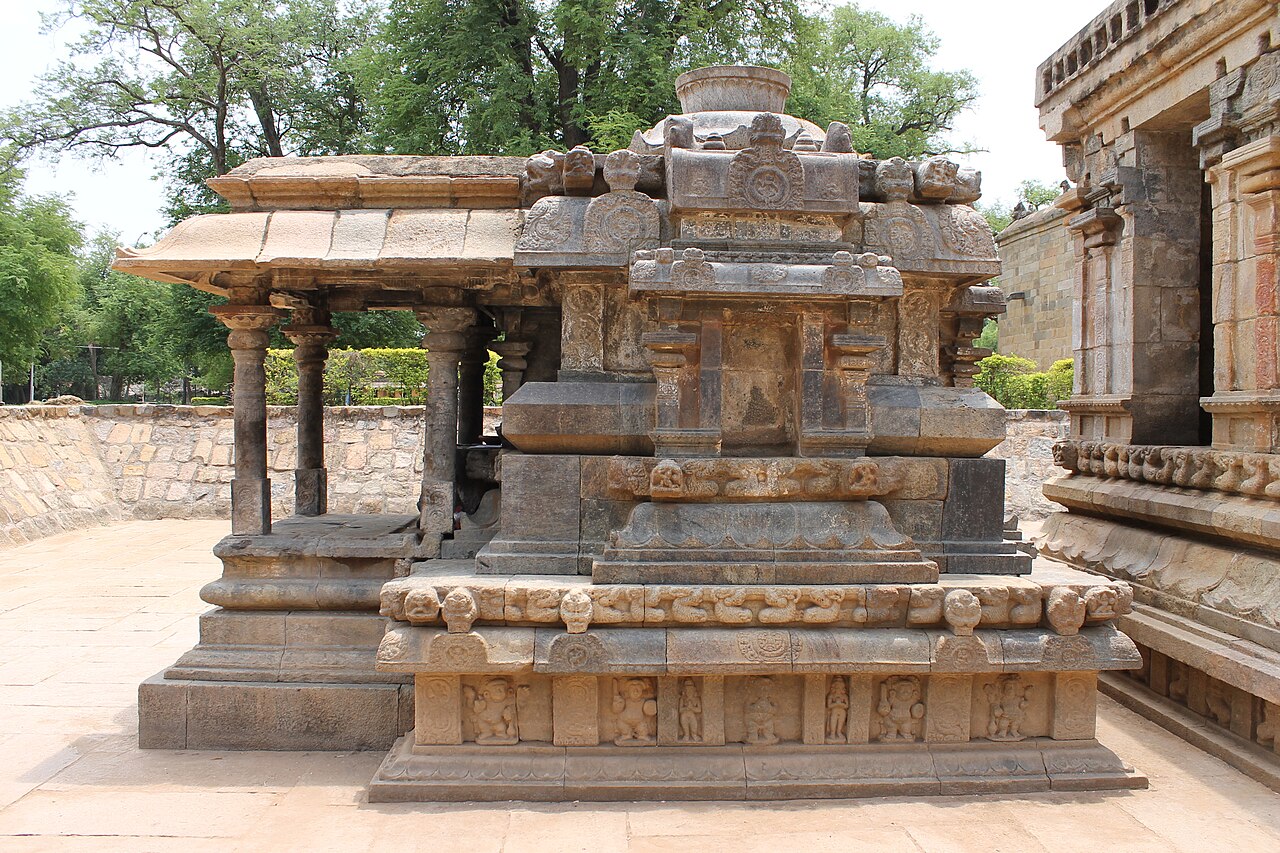
The third of the Great Living Chola Temples, raised by Rajaraja Chola II around 1166 CE at Darasuram near Kumbakonam: a chariot-form shrine of Lord Shiva as Airavatesvara, famed for its carved stone wheels, its singing steps, and worship that has continued for over eight centuries.
Aisanyesvara Siva Temple
Bhubaneswar · India · temple
A living thirteenth-century Shiva shrine in the Old Town of Bhubaneswar, standing close to the western wall of the great Lingaraj Temple, where a Shivalinga set within a circular yonipitha still receives daily worship in the Kalinga architectural tradition.
 Hinduism
Akhadachandi Temple
Bhubaneswar · India · temple
A tenth-century Kalinga-style shrine on the southwestern bank of Bhubaneswar's sacred Bindusagar tank, Akhadachandi Temple honours Maa Mahishasuramardini, the Goddess in her form as slayer of the buffalo demon, within the dense cluster of ancient shrines that fills the city's Old Town.
 Hinduism
Akshardham
New Delhi · India · temple
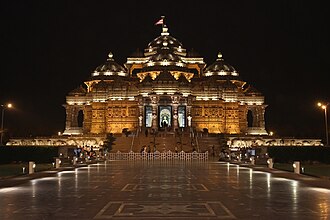
A vast contemporary Hindu mandir campus on the Yamuna's west bank in East Delhi, raised without structural steel by 11,000 artisans and volunteers, and recognised by Guinness World Records in 2007 as the world's largest comprehensive Hindu Temple.
 Hinduism
Amarnath Temple
· India · temple
A high Himalayan cave shrine in Jammu and Kashmir where a naturally forming ice lingam is venerated as Lord Śiva, drawing one of India's great seasonal pilgrimages.
 Hinduism
Ambalappuzha Sri Krishna Temple
Ambalappuzha · India · temple
A Vaishnava shrine on the Kerala backwaters consecrated to Sri Krishna in his Parthasarathy form, counted among the seven great Temples of the former kingdom of Travancore and famed across South India for its Ambalapuzha Paal Payasam offering.