Che Kung Miu
Che Kung Temple · Che Kung Temple, Sha Tin · 沙田車公廟
About
Che Kung Miu (車公廟), often translated as the Che Kung Temple, is a Temple in Tai Wai in Hong Kong's Sha Tin District, dedicated to the Chinese deity Che Kung. The same name is borne by another Temple at Ho Chung, and several further Temples in Hong Kong include Che Kung among their honoured deities.
Che Kung is venerated as a general who served the imperial court during the Southern Song dynasty (1127–1279). Some devotees connect him to the desperate effort to keep the Song state alive after the fall of the north, particularly the journey said to have brought the young Prince Ping and his brother to the south. Across centuries he came to be honoured as a guardian whose protection devotees invoke against misfortune and illness.
The Sha Tin Temple is one of the most-visited Daoist and Chinese folk-religious sanctuaries in Hong Kong, especially around Lunar New Year, when crowds gather to spin the bronze 'fortune wheel' before the deity and ask his blessings for the year ahead.
History
Local tradition holds that the god was invited to Sha Tin from the older Che Kung Temple at Ho Chung, where villagers first raised a shrine to the Southern Song general known as Che Da Yuan Shuai, Marshal Che, after he was credited with curing a plague among them. The Sha Tin shrine's own history is said to reach back to the end of the Ming dynasty, with a renovation recorded in 1890. As Lunar New Year crowds outgrew the old building, the Chinese Temples Committee, which has managed the Temple since 1936, built the present, far larger hall in 1993 to 1994 in front of the original shrine, at a cost of about HK$48 million, with further renovation in 2004. One strand of local tradition holds that the Sha Tin Temple specifically honours Che Kung's grandson rather than the general himself, though popular devotion at the Temple today addresses Che Kung directly.
Significance
Devotees come to Che Kung seeking protection from illness and misfortune, the same power villagers first invoked centuries ago, and the Temple remains one of the most visited Taoist sanctuaries in Hong Kong. Its best known observance is Che Kung's Birthday on the second day of the Lunar New Year, when devotees spin the Temple's bronze pinwheels, turning them clockwise to carry good fortune onward or counterclockwise to turn ill fortune around, a custom now inseparable from how Hong Kong itself opens each new year.
Architecture
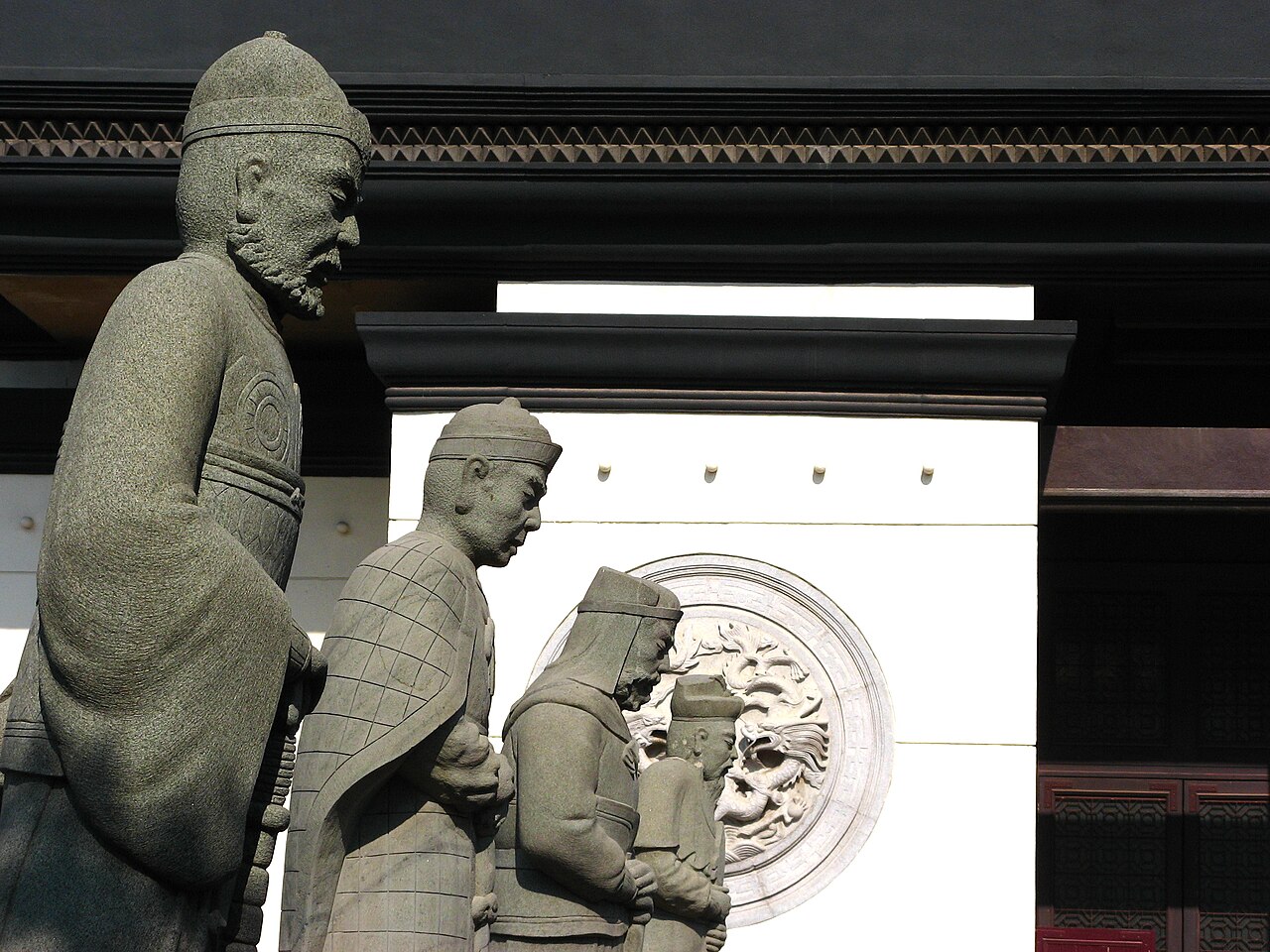
Cantonese Temple architecture on a grand modern scale: dark multi-tiered tiled eaves, a walled granite-flagged courtyard lined with large stone statues of Che Kung's attendant generals, a red entrance gate, and a bronze pavilion-roofed incense censer at its centre
Visiting
Daily worship
| Daily visiting hours | 08:00 to 18:00 |
Hours
Hours not listed.
Contact
No contact details listed yet.
Address
Engage with Che Kung Miu
Through the four pathways
Seva सेवा — Service
Offer your time and skills here. The following opportunities are open at Che Kung Miu:
No Seva offerings listed yet.
Sādhana साधना — Practice
Learn the worship and practice associated with Che Kung Miu:
No Sādhana offerings listed yet.
Sandhāna सन्धान — Wisdom
Unite with the wisdom of this tradition:
No Sandhāna offerings listed yet.
Sādhya साध्य — Giving
Support this sacred place according to your means:
No Sādhya offerings listed yet.
All giving flows directly to Che Kung Miu. Adisthan does not take a commission.
Festivals & Events
- Feb
Che Kung's Birthday
7 February 2027 · annual
The Temple's single busiest day of the year, marking the birth of the deified general, when devotees crowd the courtyard from early morning to burn incense and spin the bronze pinwheels for a change of fortune in the year ahead.
Gallery
Related sacred places
 Taoism
Cebu Taoist Temple
Cebu City · Philippines · temple
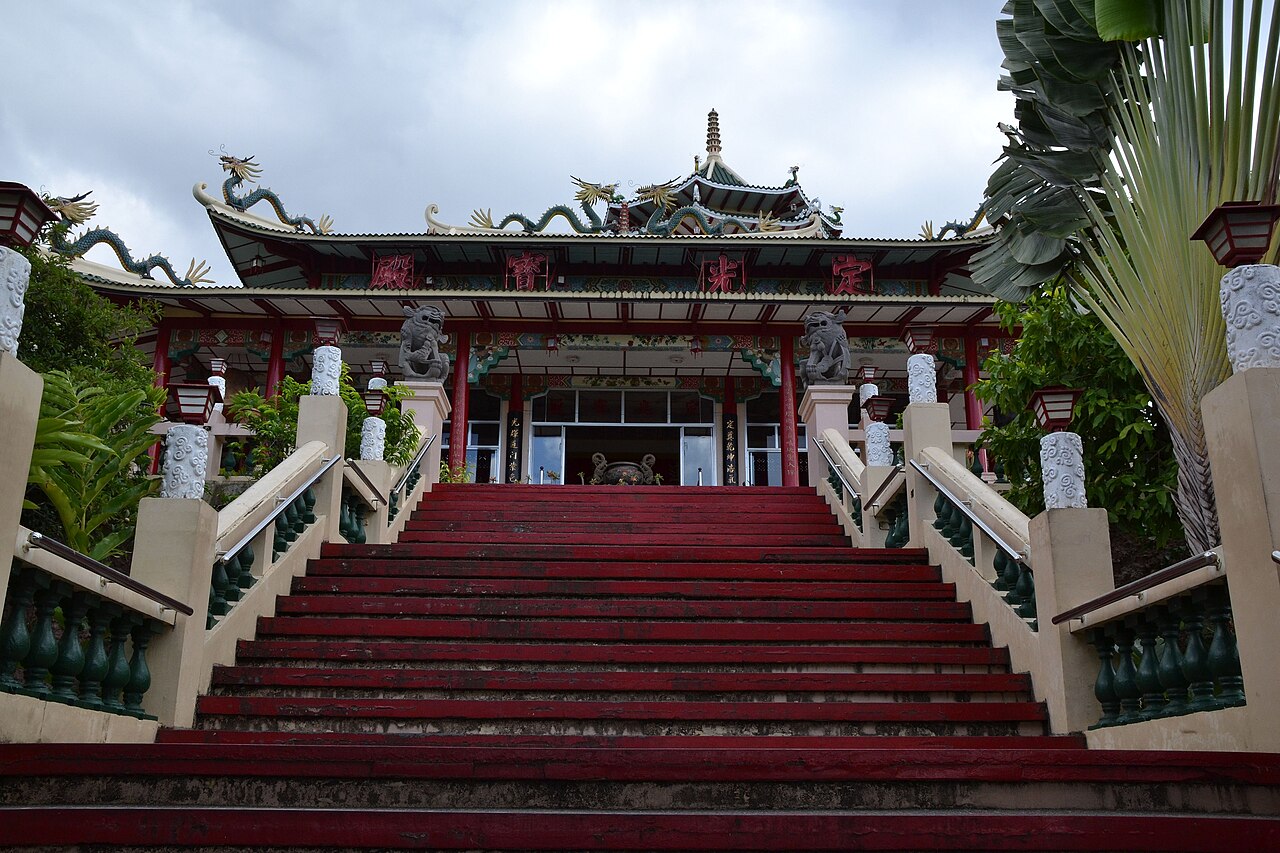
High in the Beverly Hills Subdivision of Cebu City, the Cebu Taoist Temple is a multi-tiered sanctuary built in 1972 by the city's Chinese Filipino community, its tiered roofs and Great Wall-style entrance rising above the rooftops of downtown Cebu. Open to worshippers and visitors of every background, it is one of the Philippines' best known centres of Taoist practice.
 Taoism
Grand Temple of Mount Heng
Hengyang · People's Republic of China · temple
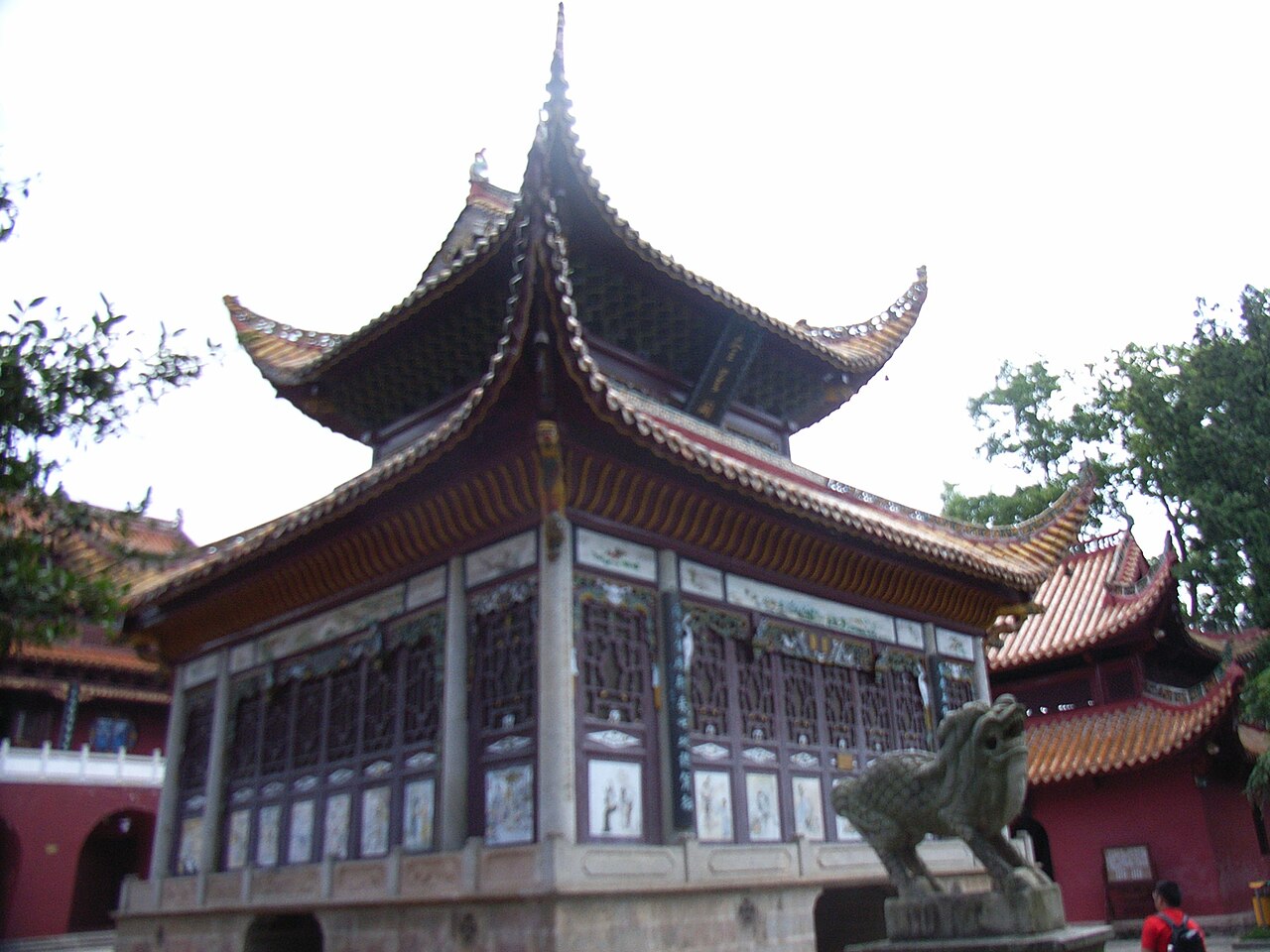
The Grand Temple of Mount Heng, Nanyue Damiao, stands at the foot of the Southern Sacred Peak in Hunan as the largest sanctuary on the mountain, its nine halls holding Taoist, Buddhist, and Confucian worship side by side. The Grand Hall enshrines Zhurong, the fire god honoured here as guardian of the Southern Peak.
 Taoism
Hanging Temple (Xuankong Si)
Hunyuan (Datong) · China · temple
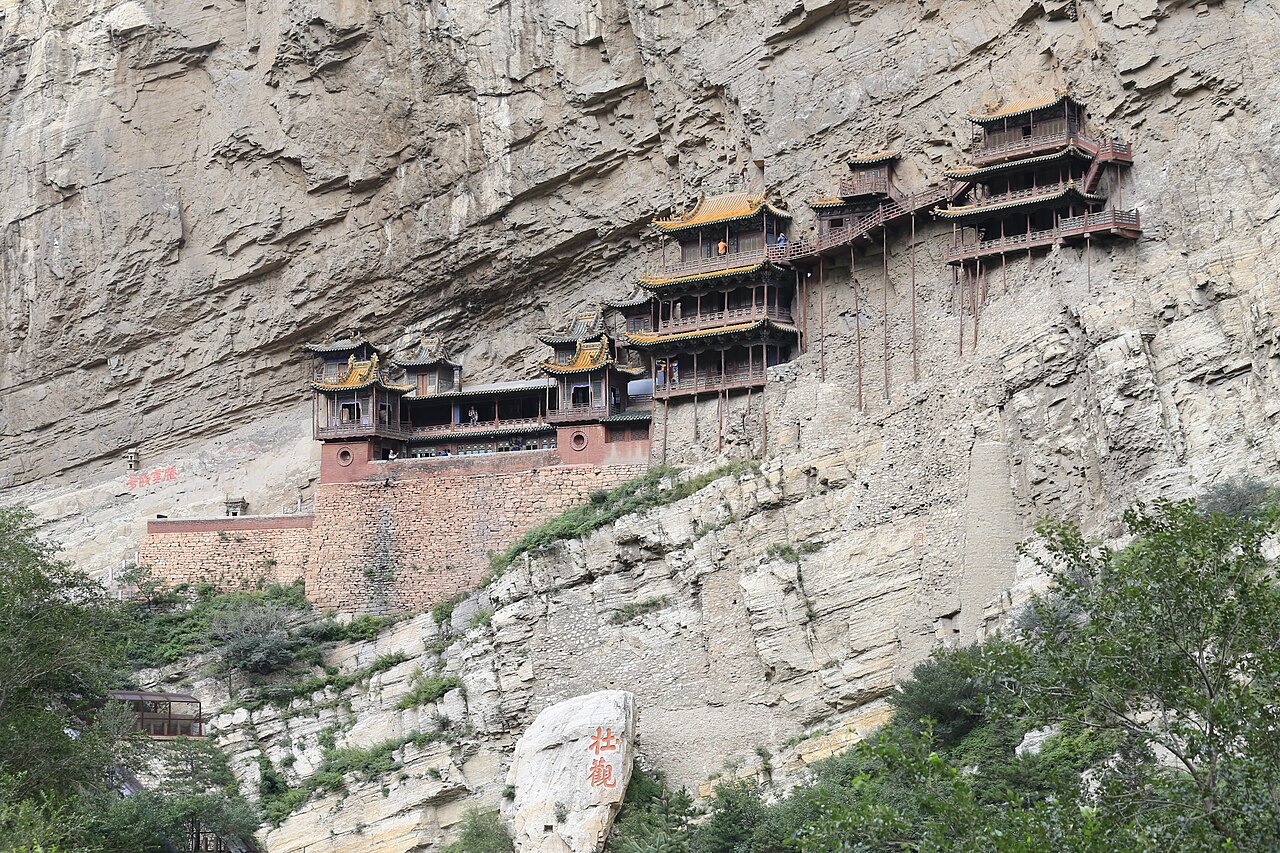
A Northern Wei Temple hung on the cliff of Jinlong Gorge at Mount Heng, where Sakyamuni Buddha, Laozi and Confucius are enshrined together in one hall.
 Taoism
Louguantai
Zhouzhi · People's Republic of China · temple
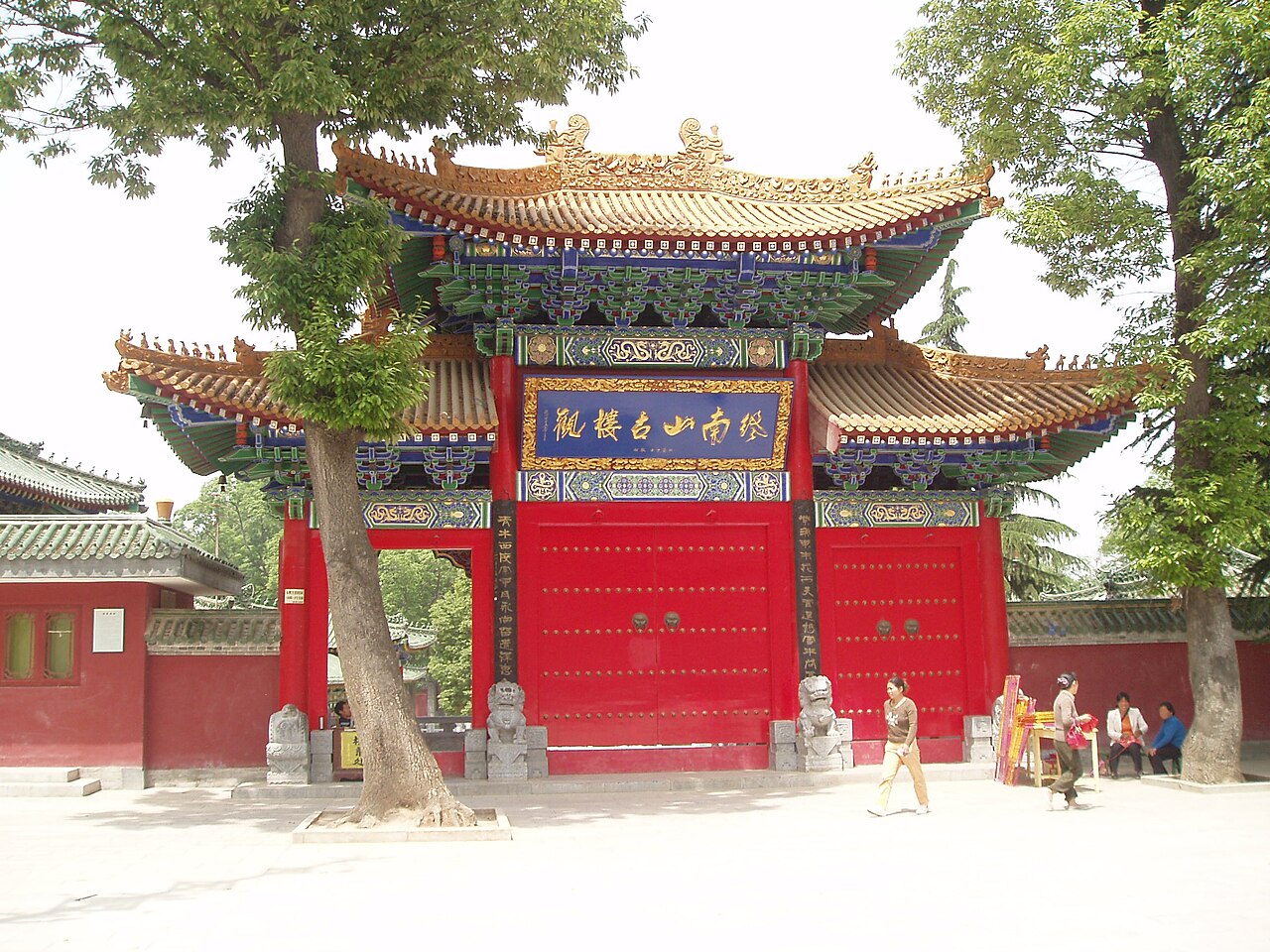
West of Xi'an in the forested folds of the Zhongnan Mountains, Louguantai is the Taoist Temple where tradition holds that Laozi composed the Tao Te Ching after Yin Xi, keeper of the mountain pass, persuaded the departing sage to set his wisdom down in writing.
 Taoism
Tai Wong Temple, Cheung Shing Street
· People's Republic of China · temple
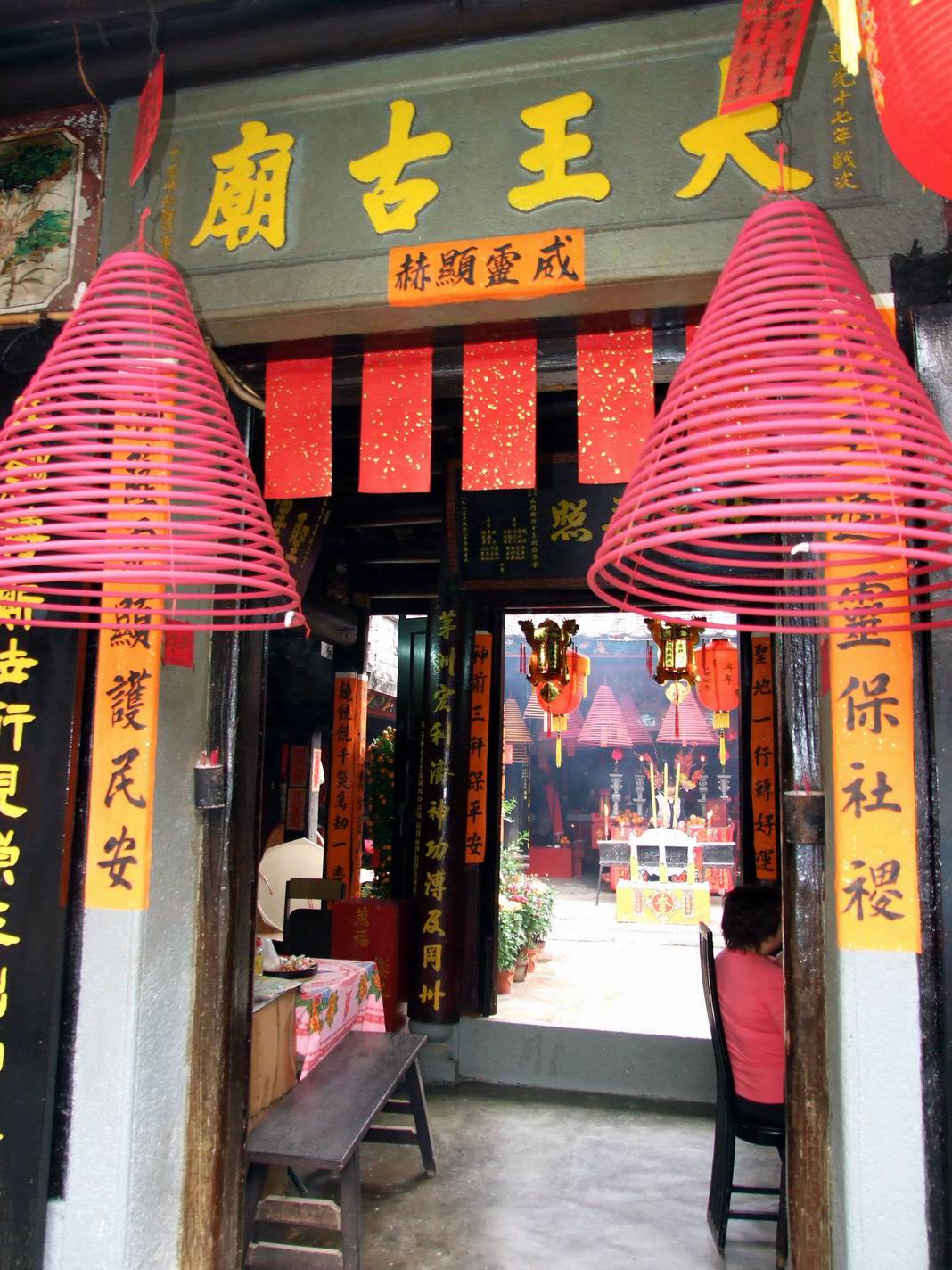
A historic Chinese folk Temple on Cheung Shing Street in Yuen Long Kau Hui, Hong Kong, dedicated to the Tai Wong, the protective city god of the old market district.
 Taoism
Tin How Temple
San Francisco · United States · temple
On Waverly Place in the heart of San Francisco's Chinatown, Tin How Temple has kept incense burning before Mazu, the Chinese goddess of the sea, since migrants of the Gold Rush era first raised it around 1852. A narrow stair climbs past a tenement's fire escapes to an altar hung with hundreds of red lantern tags, each one inscribed with a family's name and wish.