Louguantai
楼观台 · Louguan Tai · Louguan
About
Louguantai Temple lies in Tayu village in Zhouzhi county of Shaanxi province, some seventy kilometres west of the ancient capital at Xi'an. Tradition reveres this quiet hillside as the place where Laozi, the sage at the wellspring of Taoism, set down the Tao Te Ching, the foundational text whose verses on the Way and its virtue have guided practitioners for over two millennia.
The site has long drawn Taoist pilgrims and scholars who come to walk the paths Laozi is said to have walked and to read his words in the landscape that first received them. Around the Temple, generations of stone, hall, and shrine have grown up to honour the moment of the text's composition and the long lineages of Taoist practice that flow from it.
A short distance to the west of Louguantai stands the Daqin Pagoda, the remains of an early Christian community in Tang-era China, a reminder of the openness with which the lands around Chang'an once received the religious traditions of the world.
History
Tradition traces Louguantai to the Western Zhou dynasty, when the official Yin Xi is said to have built an observation tower here to study the heavens, and later to have welcomed Laozi as he travelled west, asking him to record his teaching before passing beyond the pass. The Temple entered the empire's own devotion in 620 CE, when Li Yuan, founding emperor of the Tang dynasty, honoured Laozi as ancestor of the imperial house and named Louguantai a royal Temple. The Daqin Pagoda, raised by an early Christian community of Tang-era China, stands less than a mile to the west.
Significance
For Taoists, Louguantai is bound inseparably to Laozi and to the verses of the Tao Te Ching that have shaped Chinese spiritual and philosophical life for over two thousand years, making it one of the tradition's most revered landscapes. Its halls, among them one bearing Confucius's own tribute that Laozi was 'like a dragon', continue to draw pilgrims who come to walk the ground where the Way is said to have first been written down.
Architecture
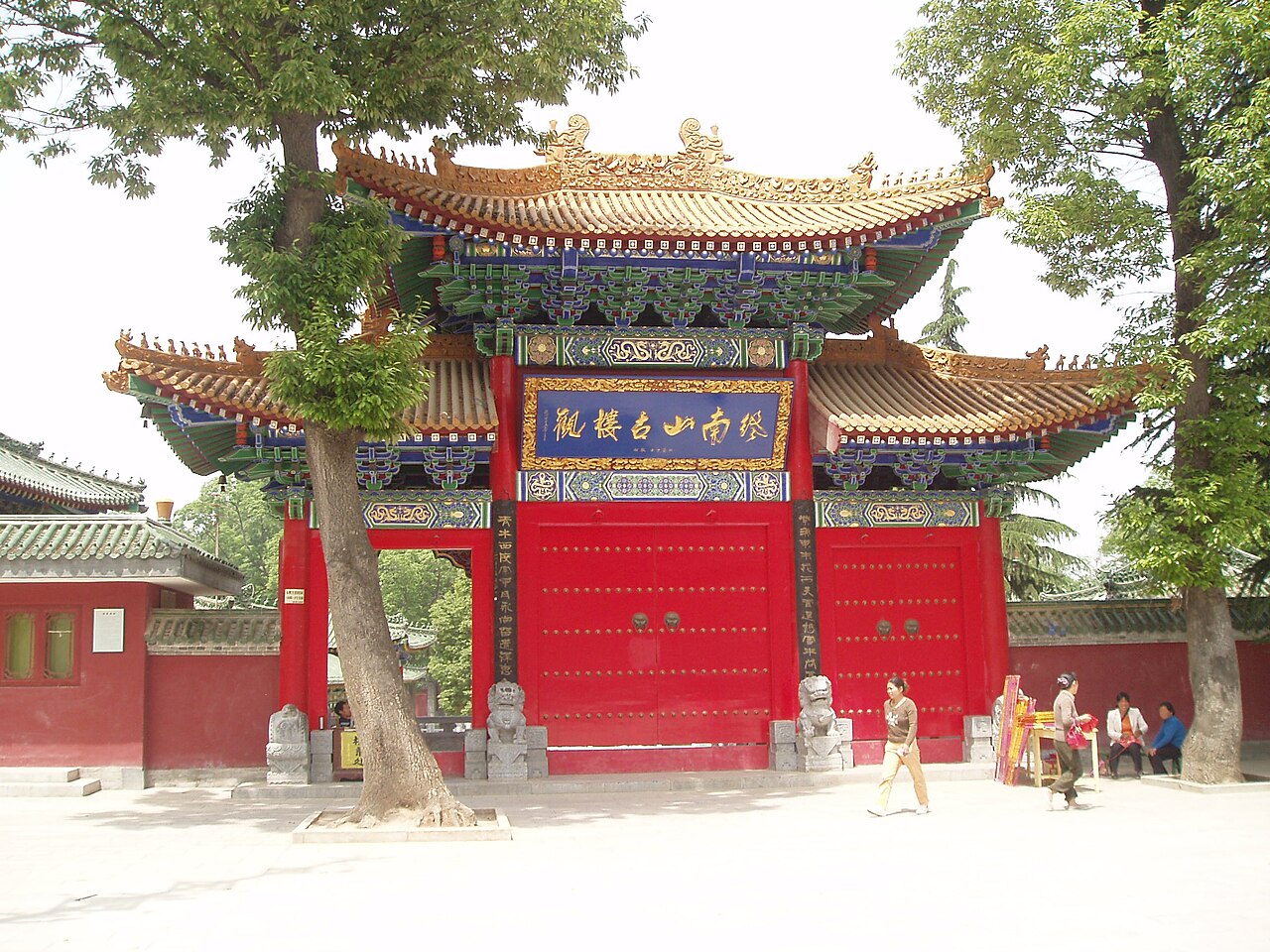
Chinese Taoist Temple architecture: painted timber halls and gateways beneath glazed tiled roofs, set among the forested slopes of the Zhongnan Mountains
Visiting
Hours
Hours not listed.
Contact
No contact details listed yet.
Engage with Louguantai
Through the four pathways
Seva सेवा — Service
Offer your time and skills here. The following opportunities are open at Louguantai:
No Seva offerings listed yet.
Sādhana साधना — Practice
Learn the worship and practice associated with Louguantai:
No Sādhana offerings listed yet.
Sandhāna सन्धान — Wisdom
Unite with the wisdom of this tradition:
No Sandhāna offerings listed yet.
Sādhya साध्य — Giving
Support this sacred place according to your means:
No Sādhya offerings listed yet.
All giving flows directly to Louguantai. Adisthan does not take a commission.
Gallery
Related sacred places
 Taoism
Cebu Taoist Temple
Cebu City · Philippines · temple
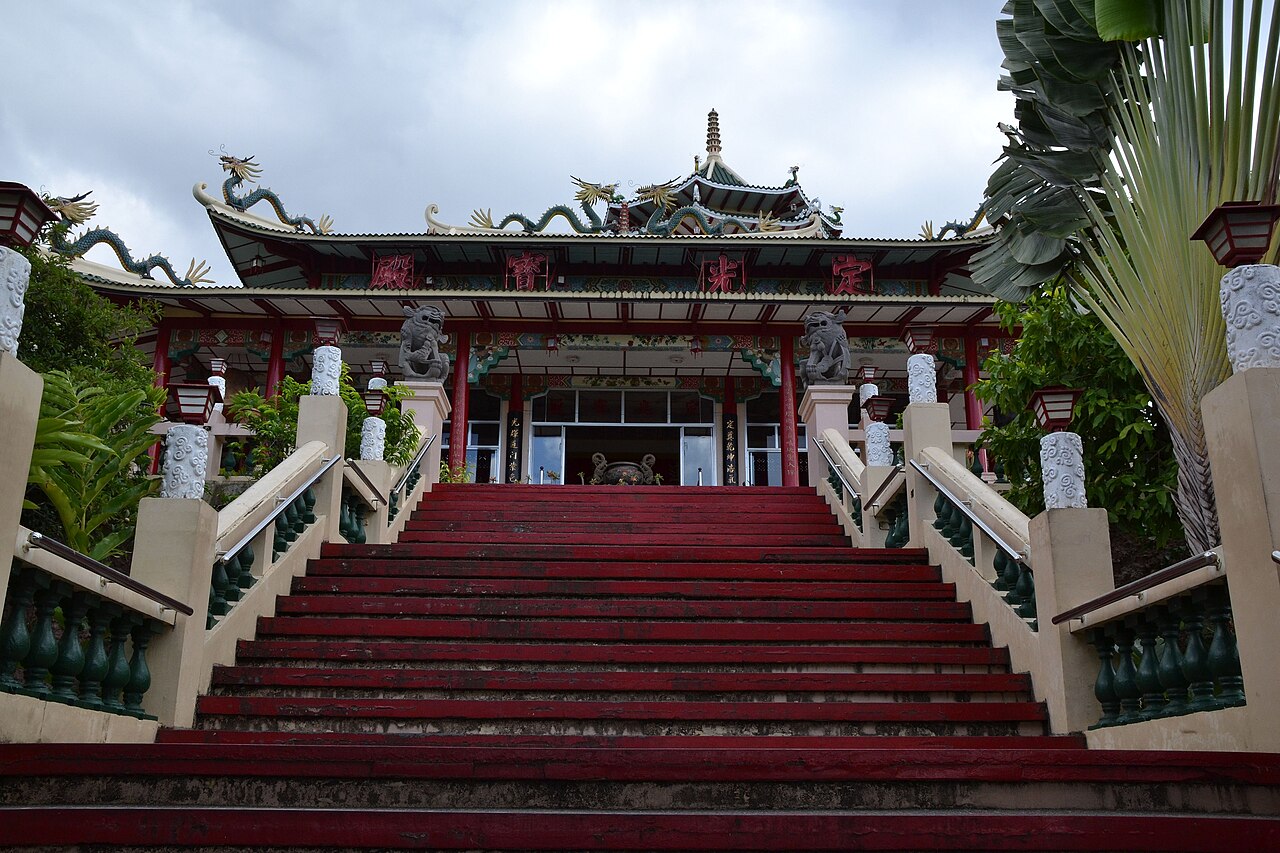
High in the Beverly Hills Subdivision of Cebu City, the Cebu Taoist Temple is a multi-tiered sanctuary built in 1972 by the city's Chinese Filipino community, its tiered roofs and Great Wall-style entrance rising above the rooftops of downtown Cebu. Open to worshippers and visitors of every background, it is one of the Philippines' best known centres of Taoist practice.
 Taoism
Che Kung Miu
Sha Tin · People's Republic of China · temple
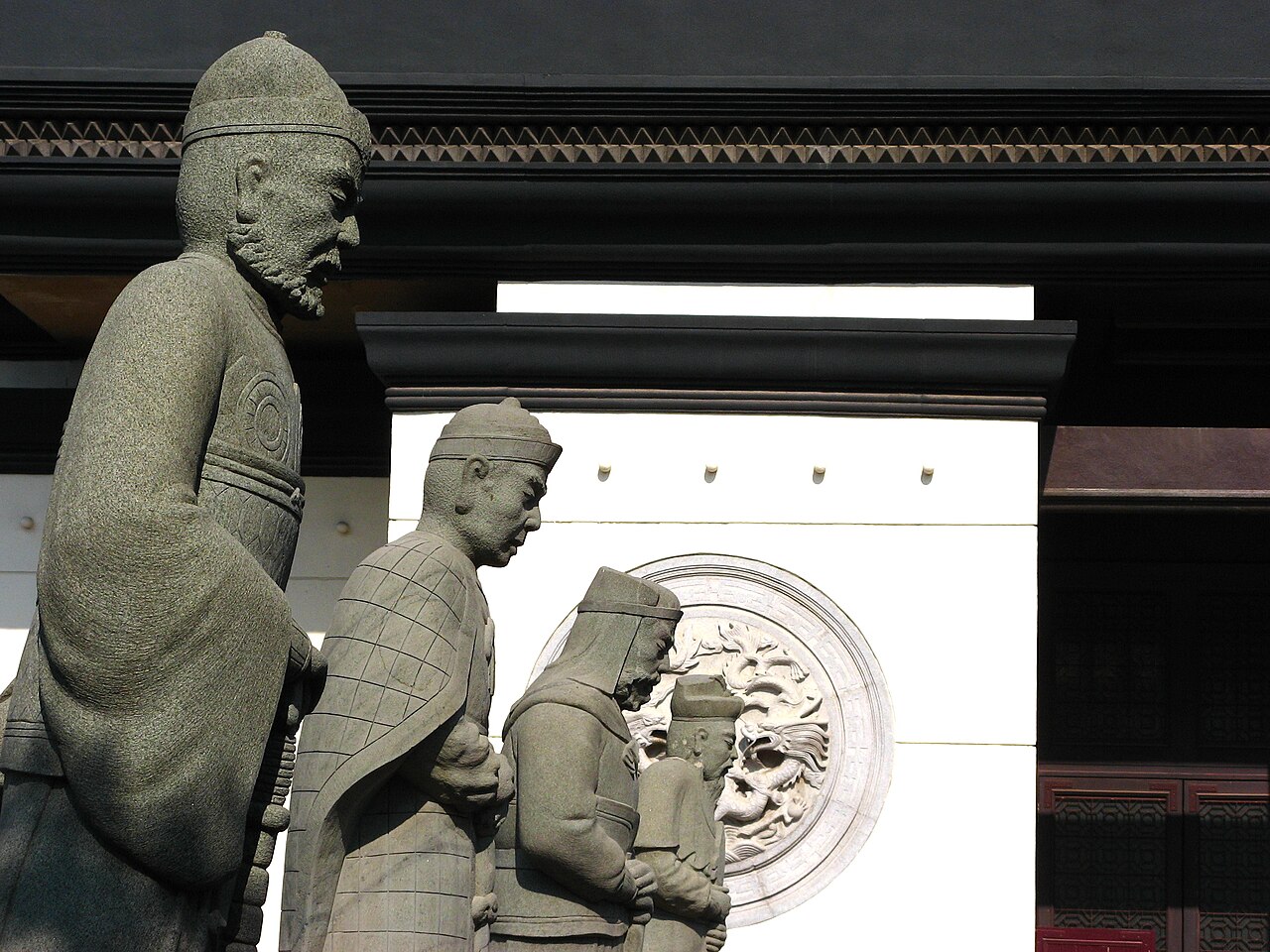
A spacious Taoist Temple in Tai Wai, Sha Tin, dedicated to Che Kung, a Southern Song dynasty general revered across Hong Kong as a guardian against plague and misfortune, busiest each Lunar New Year when devotees turn its bronze pinwheels for a change of fortune.
 Taoism
Grand Temple of Mount Heng
Hengyang · People's Republic of China · temple
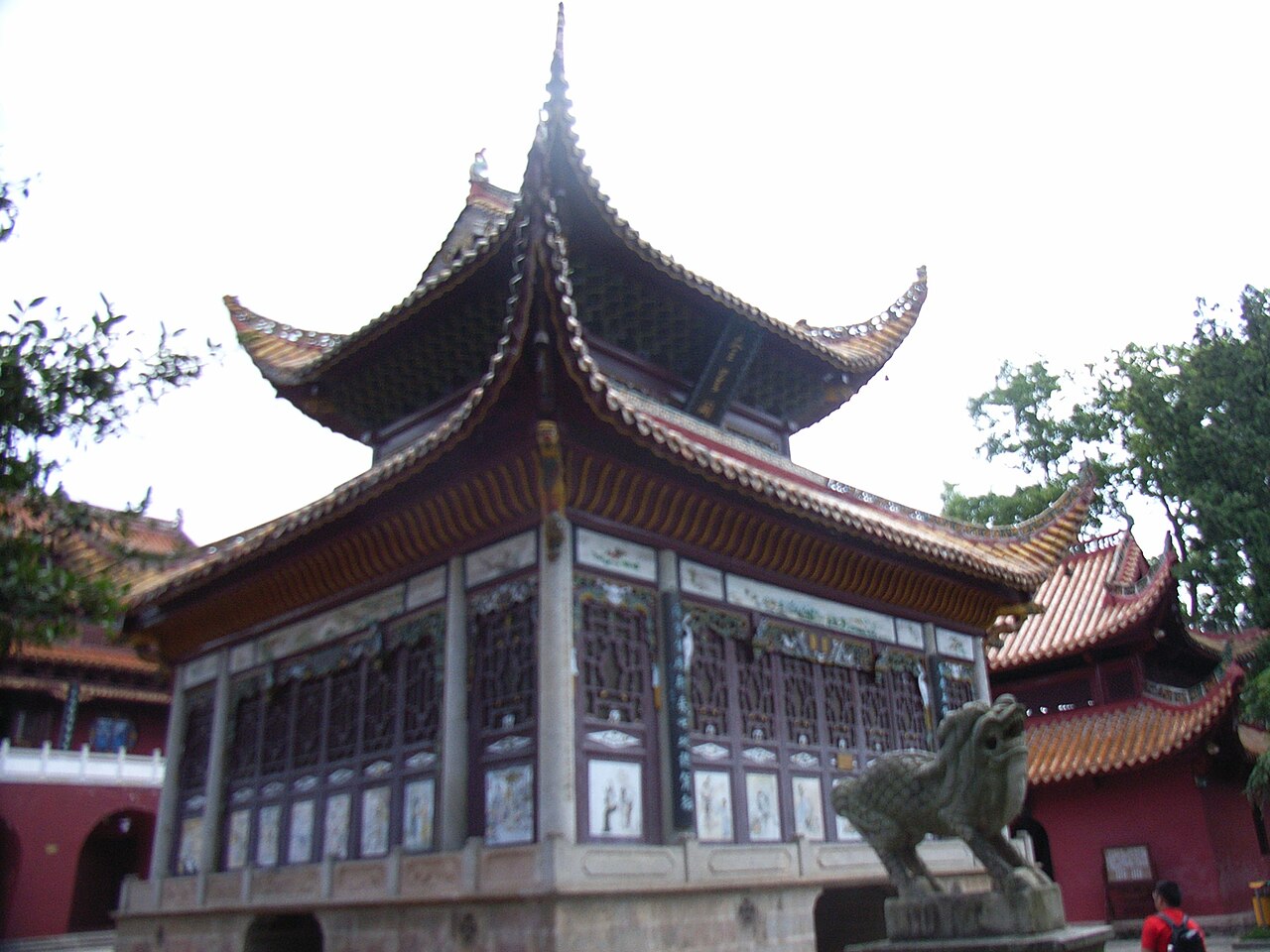
The Grand Temple of Mount Heng, Nanyue Damiao, stands at the foot of the Southern Sacred Peak in Hunan as the largest sanctuary on the mountain, its nine halls holding Taoist, Buddhist, and Confucian worship side by side. The Grand Hall enshrines Zhurong, the fire god honoured here as guardian of the Southern Peak.
 Taoism
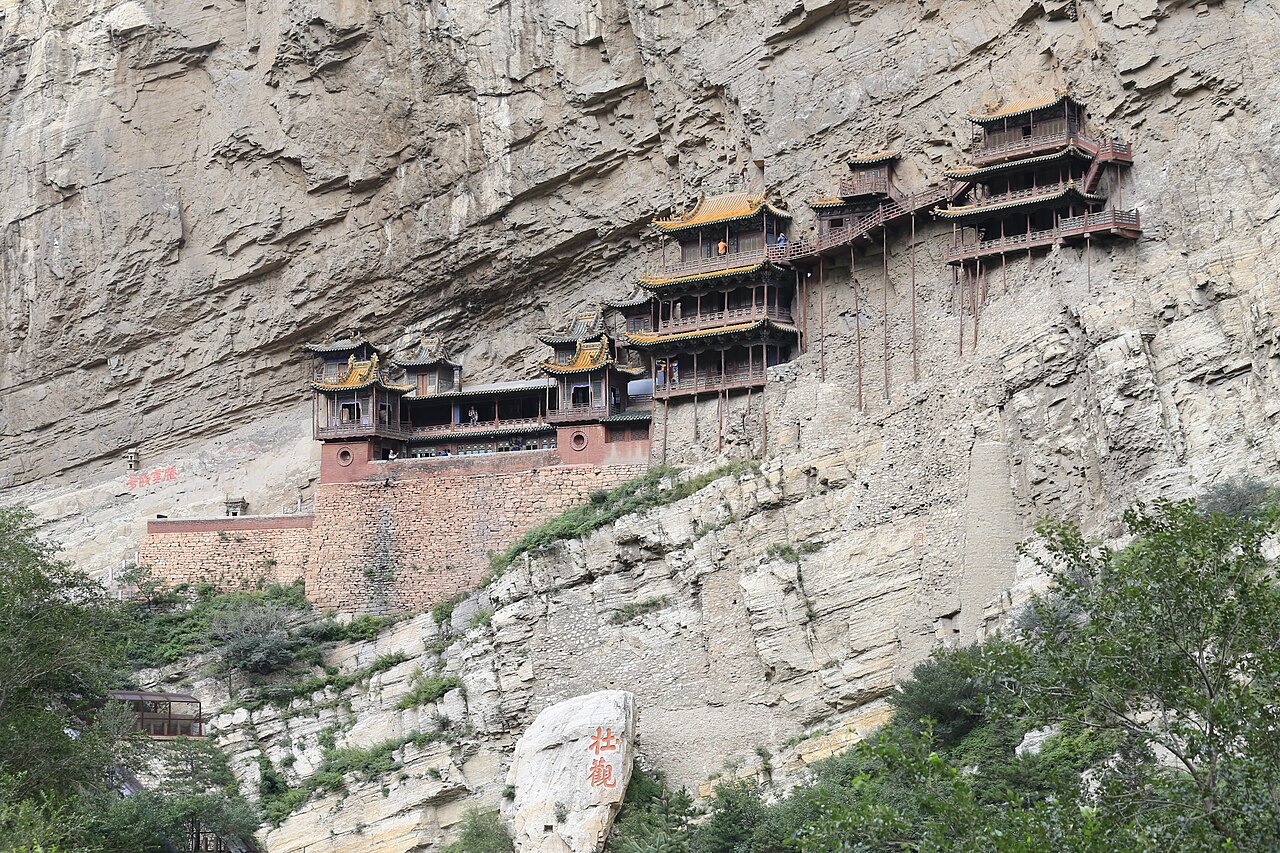
Hanging Temple (Xuankong Si)
Hunyuan (Datong) · China · temple
A Northern Wei Temple hung on the cliff of Jinlong Gorge at Mount Heng, where Sakyamuni Buddha, Laozi and Confucius are enshrined together in one hall.
 Taoism
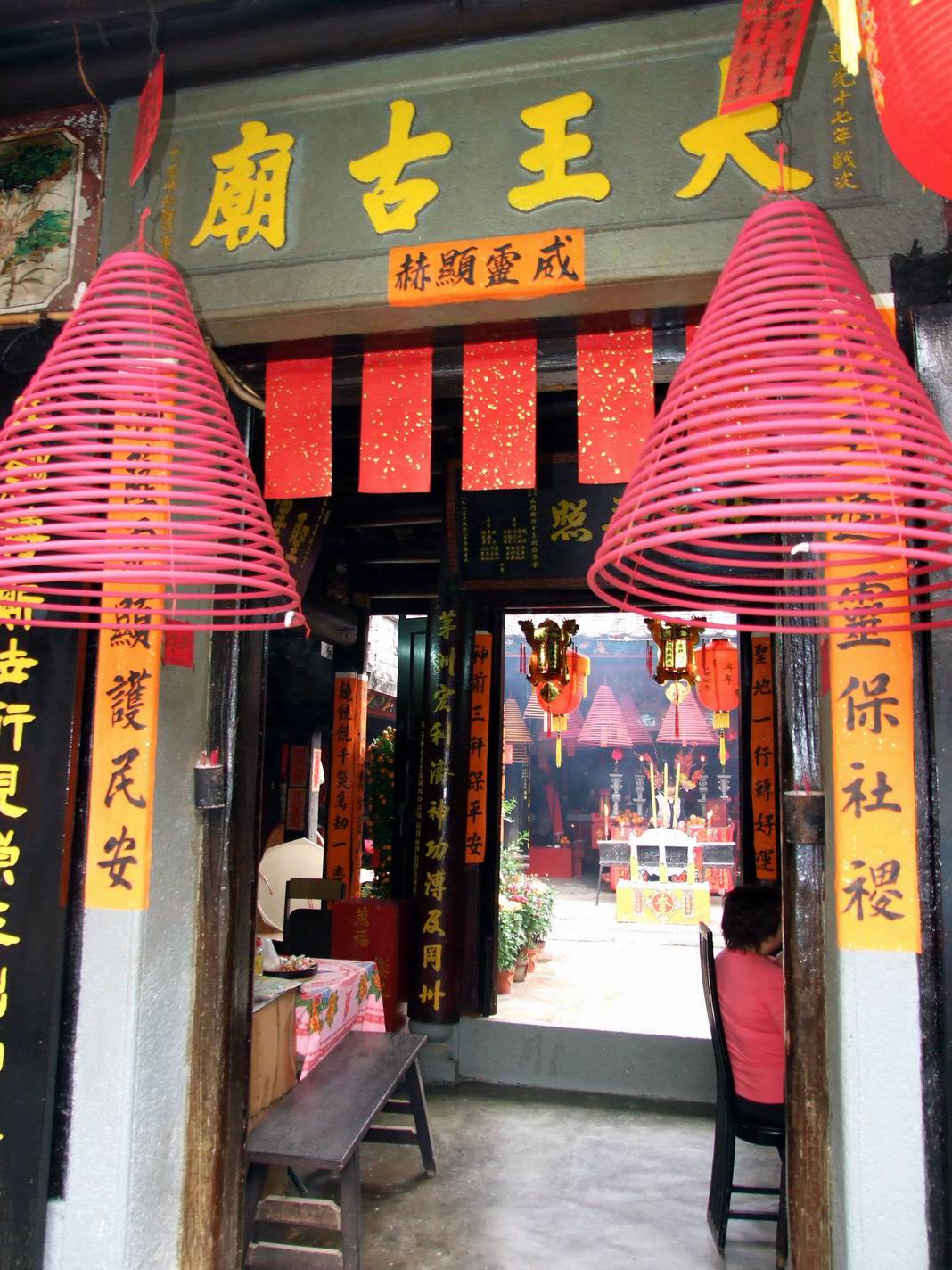
Tai Wong Temple, Cheung Shing Street
· People's Republic of China · temple
A historic Chinese folk Temple on Cheung Shing Street in Yuen Long Kau Hui, Hong Kong, dedicated to the Tai Wong, the protective city god of the old market district.
 Taoism
Tin How Temple
San Francisco · United States · temple
On Waverly Place in the heart of San Francisco's Chinatown, Tin How Temple has kept incense burning before Mazu, the Chinese goddess of the sea, since migrants of the Gold Rush era first raised it around 1852. A narrow stair climbs past a tenement's fire escapes to an altar hung with hundreds of red lantern tags, each one inscribed with a family's name and wish.