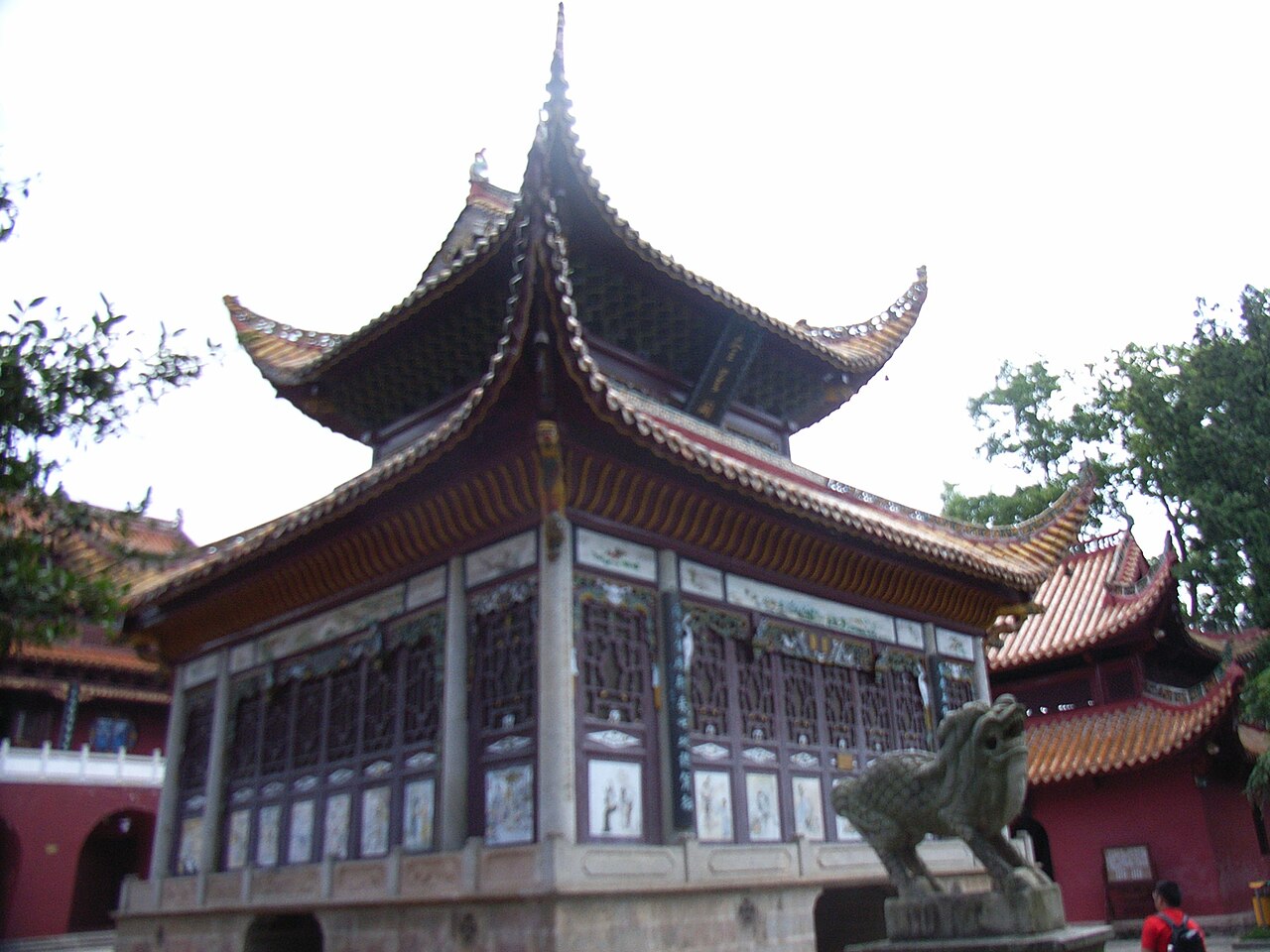
Grand Temple of Mount Heng
Nanyue Damiao (南岳大庙) · Grand Temple of South Mountain · Hengshan Nanyue Damiao
About
Set north of the ancient town of Mount Heng in Hengshan County, the Temple takes its name and spiritual orientation from Nanyue, the Southern Sacred Peak among China's Five Great Mountains. As the largest sanctuary on the mountain, it has long served as a gathering point for pilgrims approaching Heng Shan for worship and retreat.
The complex extends across more than ninety-eight thousand square metres and is laid out along a north-south axis with nine principal buildings, an arrangement modelled on the Forbidden City after a major rebuilding in 1882. Lingxing Gate, Kuixing Pavilion, the Imperial Tablet Pavilion, the Grand Hall, and the Refreshing Palace mark the central procession, while pavilions of Taoism and Buddhism line the eastern and western wings.
In the Grand Hall stands the image of the Lord of Nanyue, the mountain deity honoured by emperors for more than a millennium. Imperial pilgrimages and renovations through the Tang, Song, Ming, and Qing dynasties left successive inscriptions and tablets that record the Temple's place in dynastic ritual.
A distinctive feature of the Temple is the visible coexistence of the Three Teachings: eight Taoist halls, eight Buddhist halls, and the Confucian Imperial Library Tower stand together within the same precinct. Pilgrims still come from Hunan, Guangdong, Hong Kong, Macao, and across the Chinese diaspora, particularly on Buddhist holidays and seasonal observances of the mountain.
History
The earliest record of a shrine on this site dates to 725 CE in the Tang dynasty, when it was known first as the Temple of the Heavenly Governor Huo King and later as the Temple of the Genuine Master of the South. Through the Song, Yuan, Ming, and Qing dynasties the Temple survived six fires and some sixteen renovations, until the Ming-era complex burned and was rebuilt in 1882 on the plan of Beijing's Forbidden City, earning it the name Little Palace in South China. The Cultural Revolution destroyed many of its tablets, statues, and scriptures, and restoration has continued since the 1980s to return the halls to active worship.
Significance
As the principal shrine of Nanyue, the Southern Sacred Peak among China's Five Great Mountains, the Temple has drawn imperial pilgrims and ordinary devotees alike for over a thousand years. Eight Taoist halls and eight Buddhist halls flank the Grand Hall and the Confucian Imperial Library Tower, a living arrangement of the Three Teachings under one roof. Each year pilgrims from Hunan, Guangdong, Hong Kong, Macao, and the wider Chinese diaspora gather here for the Nanyue Temple Fair, climbing toward the peak in Zhurong's honour.
Architecture
Palace-style Chinese religious architecture rebuilt in 1882 on the plan of Beijing's Forbidden City; nine halls along a north-south axis housing Taoist, Buddhist, and Confucian worship together
Visiting
Hours
Hours not listed.
Contact
No contact details listed yet.
Engage with Grand Temple of Mount Heng
Through the four pathways
Seva सेवा — Service
Offer your time and skills here. The following opportunities are open at Grand Temple of Mount Heng:
No Seva offerings listed yet.
Sādhana साधना — Practice
Learn the worship and practice associated with Grand Temple of Mount Heng:
No Sādhana offerings listed yet.
Sandhāna सन्धान — Wisdom
Unite with the wisdom of this tradition:
No Sandhāna offerings listed yet.
Sādhya साध्य — Giving
Support this sacred place according to your means:
No Sādhya offerings listed yet.
All giving flows directly to Grand Temple of Mount Heng. Adisthan does not take a commission.
Festivals & Events
- Sept
Nanyue Temple Fair (Hurrying to the Eighth Month)
11 September 2026 · annual
Pilgrims climb toward the Grand Temple through the seventh to ninth lunar months, the incense thickest as the calendar turns to the eighth month, honouring Zhurong on the day tradition holds as his enlightenment. The fair is recognised on China's national list of intangible cultural heritage.
- Jan
Nanyue Spring Temple Fair
15 January 2027 · annual
From the eighth day of the twelfth lunar month through the following Lantern Festival, worshippers gather at the Temple to give thanks for the year's protection and pray for their parents' long life, carrying the mountain's fire-worship customs into the new year.
Gallery
Related sacred places
 Taoism
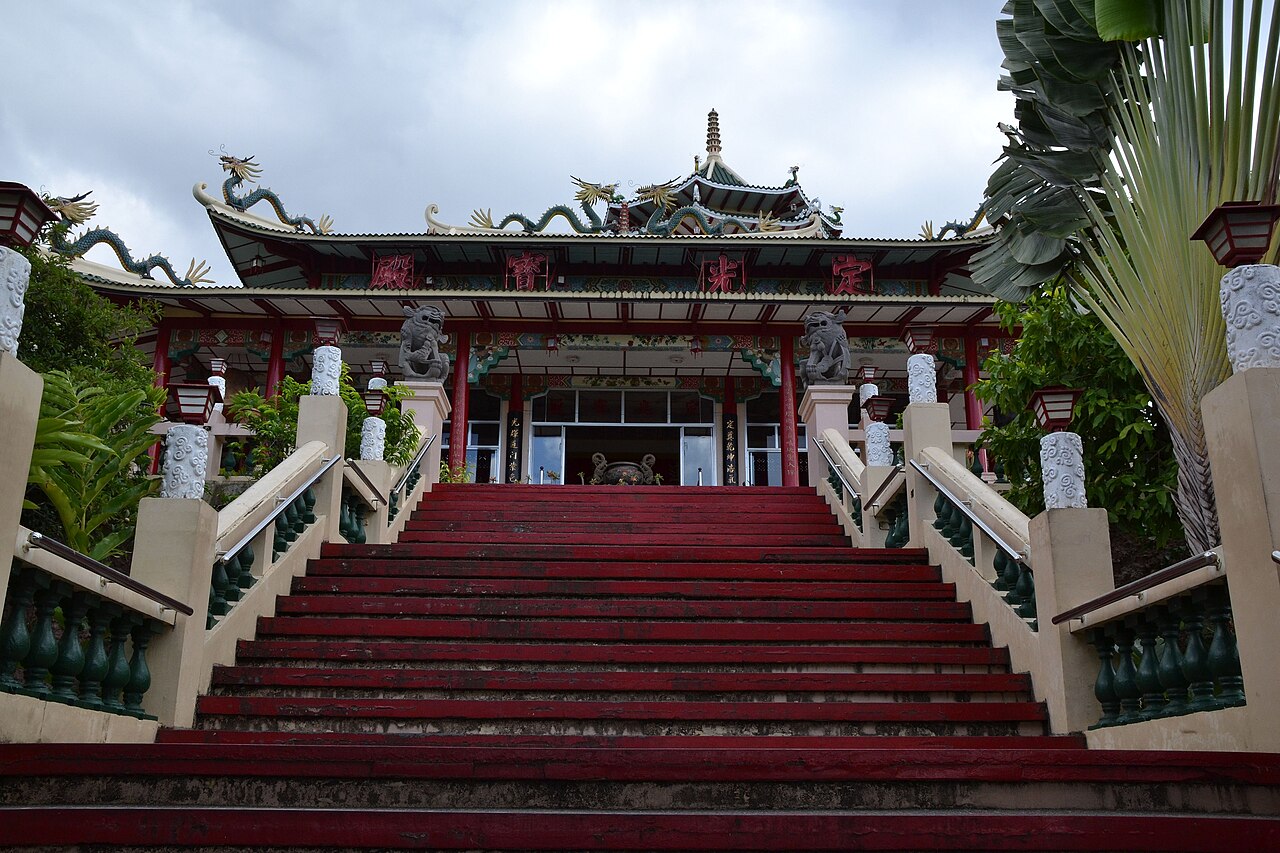
Cebu Taoist Temple
Cebu City · Philippines · temple
High in the Beverly Hills Subdivision of Cebu City, the Cebu Taoist Temple is a multi-tiered sanctuary built in 1972 by the city's Chinese Filipino community, its tiered roofs and Great Wall-style entrance rising above the rooftops of downtown Cebu. Open to worshippers and visitors of every background, it is one of the Philippines' best known centres of Taoist practice.
 Taoism
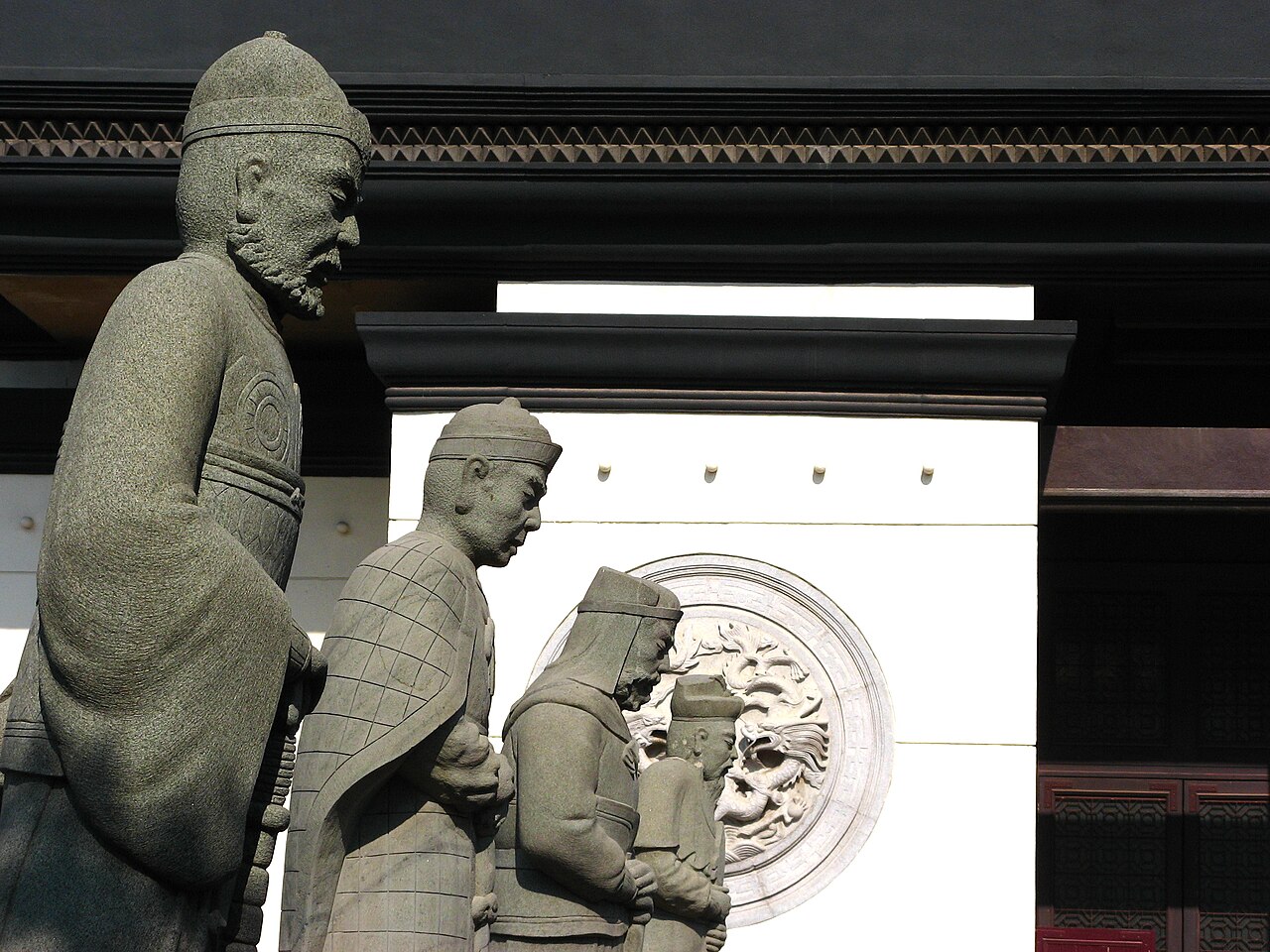
Che Kung Miu
Sha Tin · People's Republic of China · temple
A spacious Taoist Temple in Tai Wai, Sha Tin, dedicated to Che Kung, a Southern Song dynasty general revered across Hong Kong as a guardian against plague and misfortune, busiest each Lunar New Year when devotees turn its bronze pinwheels for a change of fortune.
 Taoism
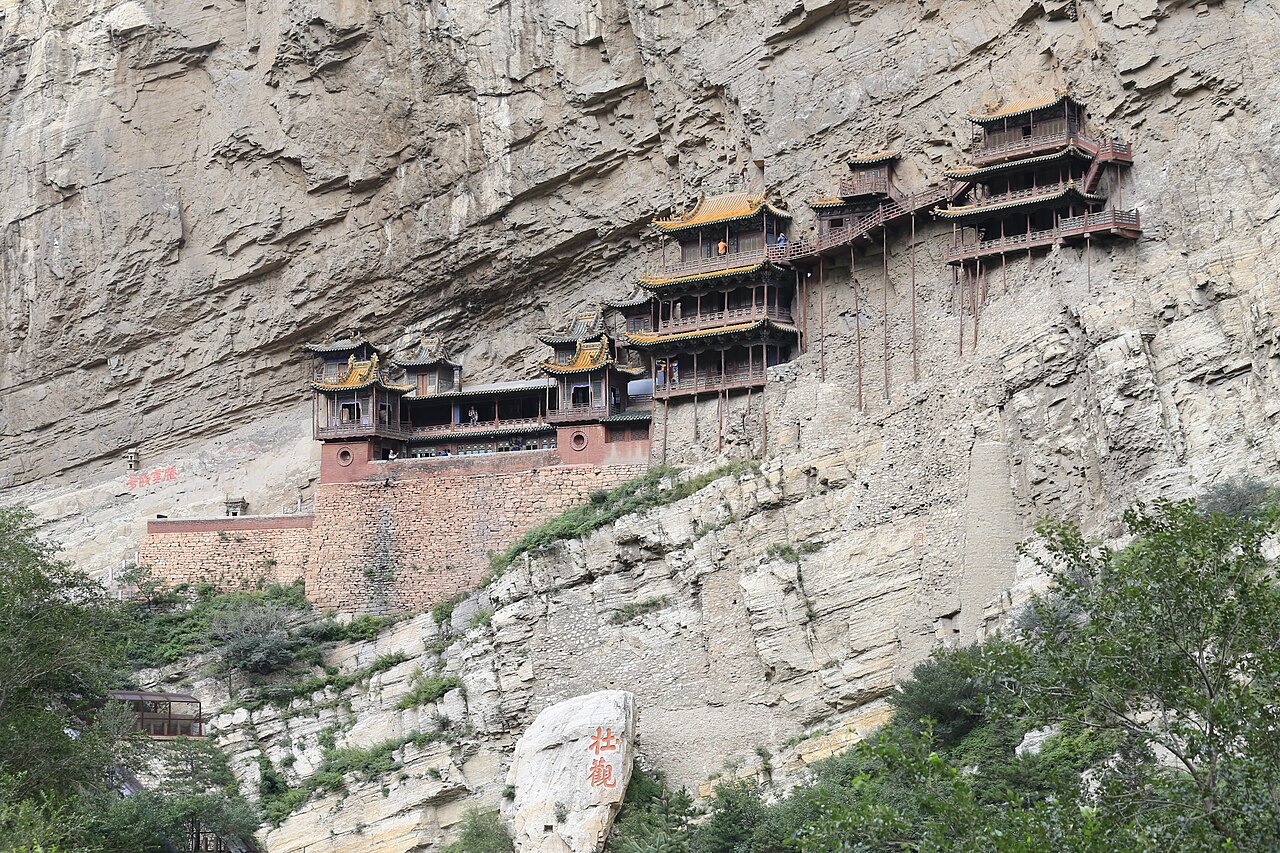
Hanging Temple (Xuankong Si)
Hunyuan (Datong) · China · temple
A Northern Wei Temple hung on the cliff of Jinlong Gorge at Mount Heng, where Sakyamuni Buddha, Laozi and Confucius are enshrined together in one hall.
 Taoism
Louguantai
Zhouzhi · People's Republic of China · temple
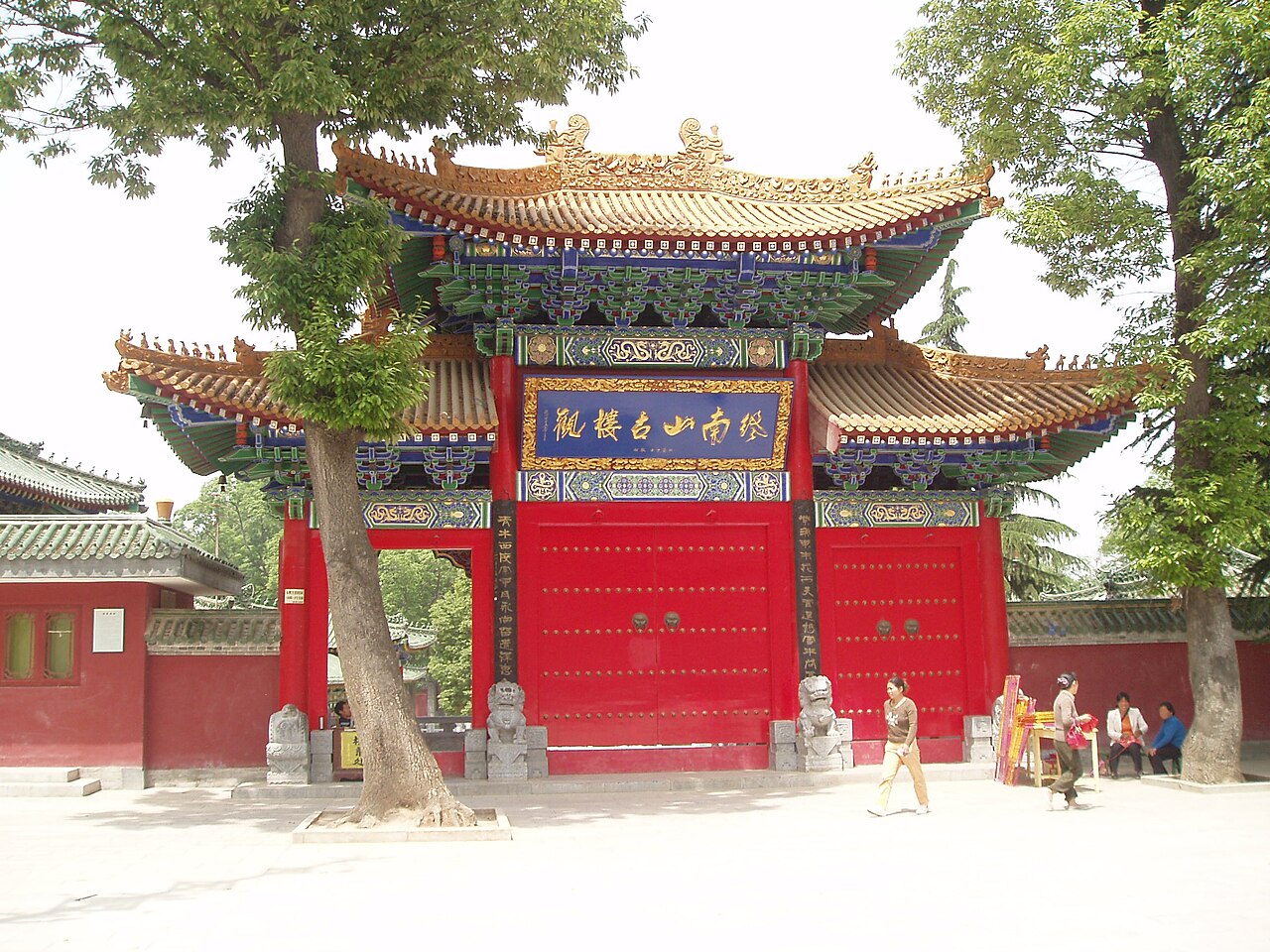
West of Xi'an in the forested folds of the Zhongnan Mountains, Louguantai is the Taoist Temple where tradition holds that Laozi composed the Tao Te Ching after Yin Xi, keeper of the mountain pass, persuaded the departing sage to set his wisdom down in writing.
 Taoism
Tai Wong Temple, Cheung Shing Street
· People's Republic of China · temple
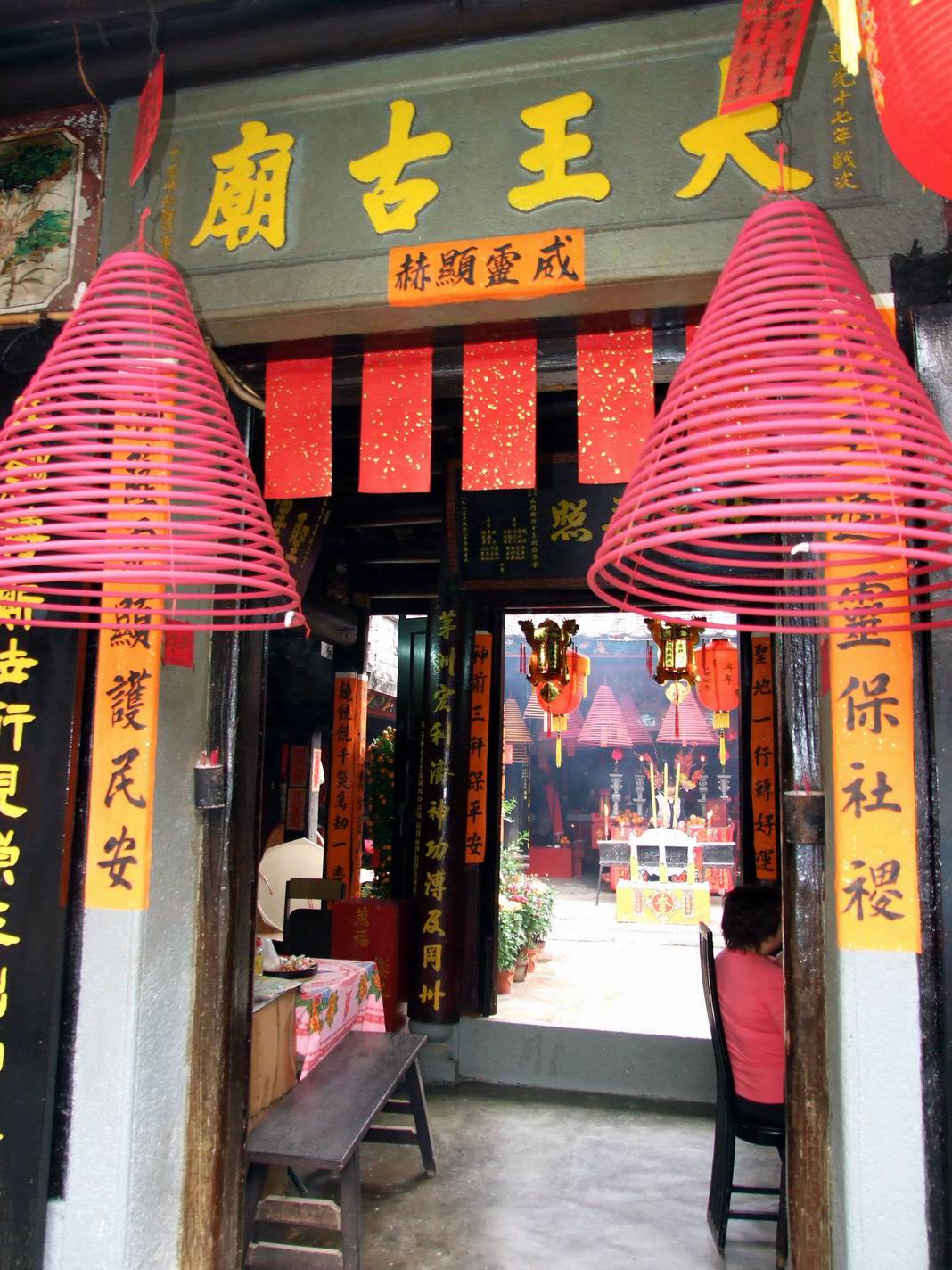
A historic Chinese folk Temple on Cheung Shing Street in Yuen Long Kau Hui, Hong Kong, dedicated to the Tai Wong, the protective city god of the old market district.
 Taoism
Tin How Temple
San Francisco · United States · temple
On Waverly Place in the heart of San Francisco's Chinatown, Tin How Temple has kept incense burning before Mazu, the Chinese goddess of the sea, since migrants of the Gold Rush era first raised it around 1852. A narrow stair climbs past a tenement's fire escapes to an altar hung with hundreds of red lantern tags, each one inscribed with a family's name and wish.