Konaseema · Andhra Pradesh One of five Pancharama Kshetras Twelfth Ashtadasha Peetham 9th to 10th c. Chalukyan stone Maha Shivaratri & Dasara
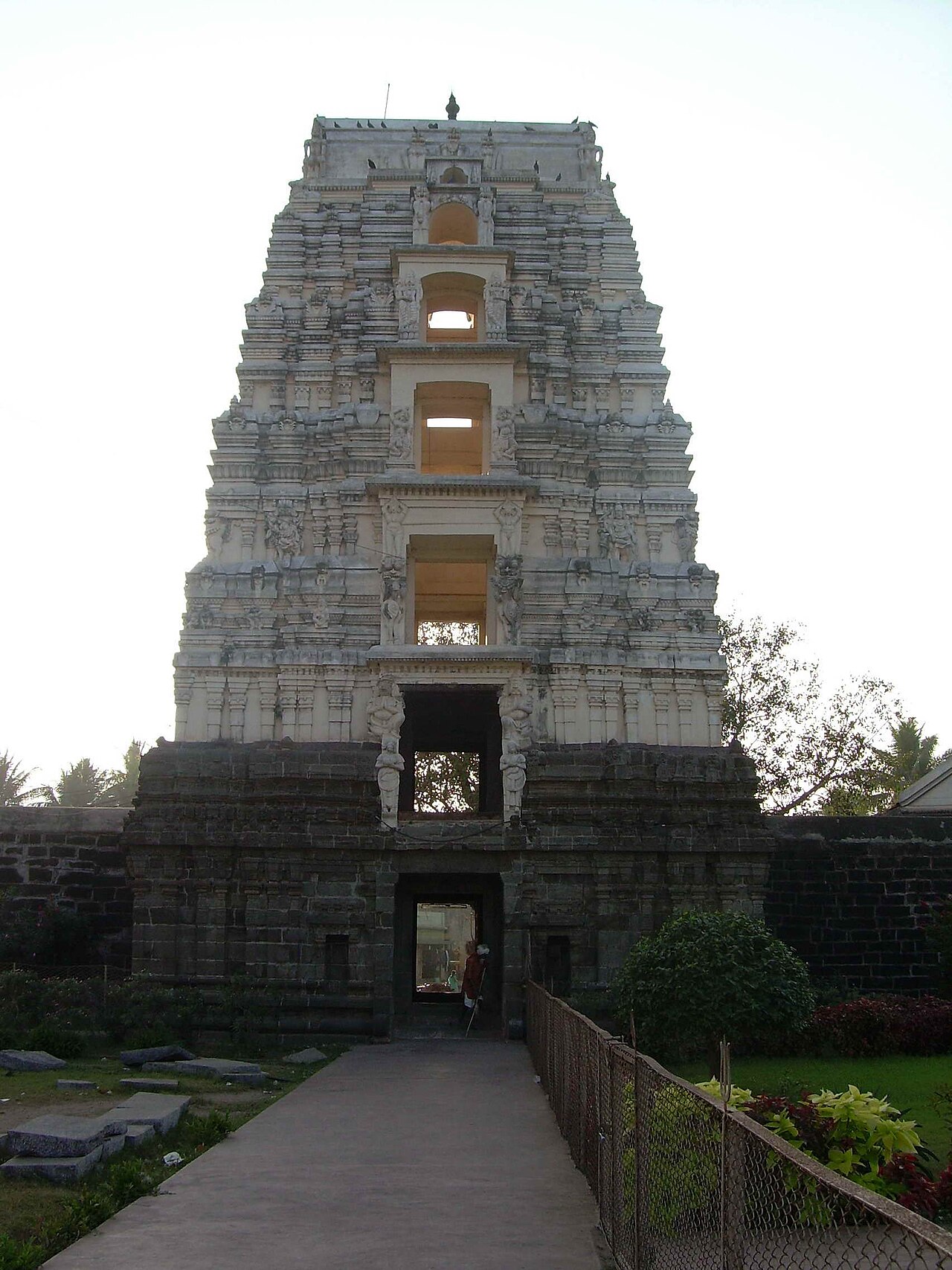
You walk in under a gateway the Chalukyas raised a thousand years ago, and the stone begins to speak: dancers in mid-turn, friezes of devotees, a Nataraja caught in his dance. Somewhere on this ground, the tellings say, Daksha lit the fire of a yajña that changed the worlds. And in Her shrine beside Lord Bhimeswara, Maa Manikyamba Waits, quiet as a held breath.
The Twelfth of the Ashtadasha Shakti Peethams, where the Navel Of Maa Sati fell. Here She Is Worshipped as Maa Manikyamba, named by Jagadguru Adi Shankara himself in the words Māṇikye Dakṣa vāṭika.
One of the five Pancharama Kshetras beloved of Lord Shiva, and a Trilinga Kshetra besides: here Shiva abides as Bhimeswara, with The Mother beside him. A pilgrim bows twice under one roof.
The old town names, Daṣkatapovana and Daṣkavāṭika, remember why this ground matters: here Daksha, first among the prajapatis, performed his Nirīśvara yajña, and pilgrims still walk to the spot where his fire burned.
The story the town's name keeps
This is the ground of Daksha himself. Here, the old tellings say, the first of the prajapatis kindled his Nirīśvara yajña, the sacrifice that left out Shiva, and the insult cost him his daughter: Maa Sati gave up Her body in that fire. Shiva's grief threatened to unmake the worlds, and Vishnu's discus cut the Body Of The Goddess into Fifty-One pieces, each becoming a Shakti Peetha where it fell.
Here fell Her Navel, and here She Remains as Maa Manikyamba, the Twelfth of the Eighteen Great Peethams. When Jagadguru Adi Shankara sang the seats of The Mother, he called this place Daṣkavāṭika, in the verse Māṇikye Dakṣa vāṭika that points To Maa Manikyamba of Draksharama. The town's own name agrees: Daṣka joined to Ārāma, the Abode of Daksha.
What you'll actually see
1
Stone from two dynasties
Inscriptions date the Temple to the ninth and tenth centuries CE, raised by Bhima, a king of the Eastern Chalukyas. Its carving blends the Chalukyan and Chola manners, and tradition holds it the elder of the Samarlakota Bhimeswaraswamy shrine, which rose between 892 and 922 CE.
2
A queen's mandapam
The great mandapam came as the offering of Ganga Mahadevi, daughter-in-law of the Odisha king Narasingha Deva I of the Eastern Ganga line. A shrine of the Andhra country, enlarged by the devotion of Odisha's royal house.
3
The yajña ground
Pilgrims still seek out the spot where Daksha's sacrifice was performed. To stand there is to stand at the beginning of the whole Shakti Peetha story, at the place where the fire was first lit.
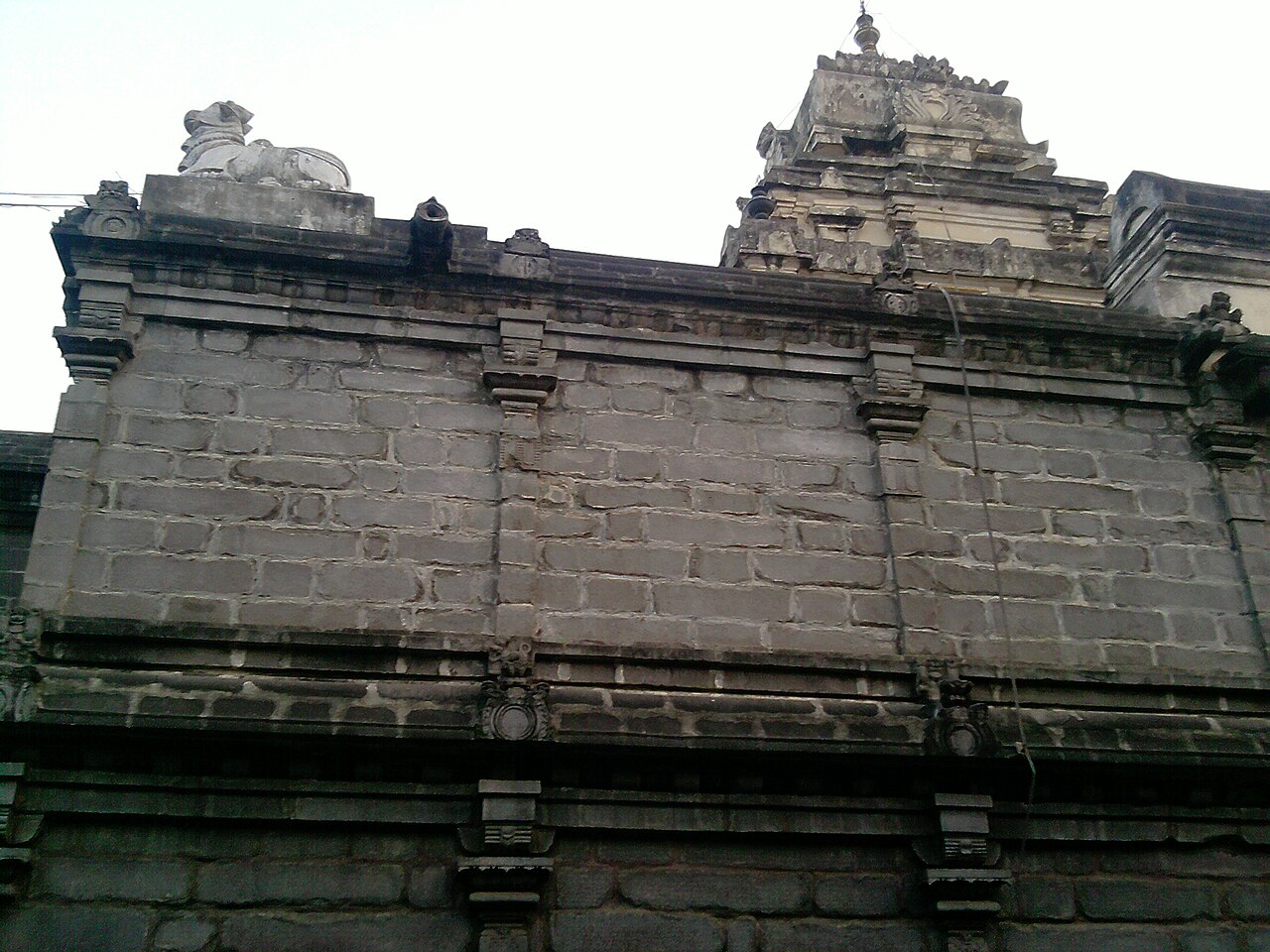
The main gateway of the Draksharama Temple, through which pilgrims come To Maa ManikyambaThe northern face of the shrine of Maa Manikyamba and Lord Bhimeswara at Draksharamam
The temple gateway and the northern face of the shrine · photos CC BY-SA and public domain, Wikimedia Commons
Shiva and Shakti in one compound
Three garlands on one shrine
Very few places carry even one of these names; Draksharamam carries three. It is one of the five Pancharama Kshetras dear to Lord Shiva, it is counted among the Trilinga Kshetras, and it is the Twelfth of the Ashtadasha Shakti Peethams, where Maa Manikyamba Receives Her devotees beside Lord Bhimeswara. Whoever comes for one of them finds the other two waiting.
Maha Shivaratri and Dasara are the two great festivals kept here, and they draw the year's largest gatherings. Plan around them: come for the crowds and the fervour, or choose an ordinary day for quiet darshan.
Plan your visit
Where
Draksharamam town, Konaseema district, Andhra Pradesh, India.
Festivals
Maha Shivaratri and Dasara are the principal festivals of the year.
The yajña spot
Pilgrims still visit the place where Daksha performed his yajña; ask at the Temple office for the way.
Timings
Darshan hours are not listed in our sources; confirm with the Temple office before you travel.
Entry
No fee details in our sources; ask the Temple office about darshan and any tickets.
Dress
Modest, traditional dress is the safe choice at any South Indian Temple; when unsure, ask the Temple office.
The town gave Telugu its first independent literary work: its author, the poet Mallikarjuna Panditaradhyudu, a medieval carrier of Lingayatism through the Andhra country, was born in this town.
The old names of the town, Daṣkatapovana and Daṣkavāṭika, both remember Daksha; the present name joins Daṣka with Ārāma, the Abode of Daksha.
She Is counted the Twelfth of the Eighteen Ashtadasha Shakti Peethams, and Her seat Is honored among the Fifty-One Peethas of the wider canon.
Questions pilgrims ask
Which part Of Maa Sati fell at Draksharamam?
Her Navel. Here The Goddess Is Worshipped as Maa Manikyamba, the Twelfth of the Ashtadasha Shakti Peethams, named by Adi Shankara in the verse Māṇikye Dakṣa vāṭika.
When should I plan my visit?
Maha Shivaratri and Dasara are the great festivals and draw the biggest gatherings. For quiet darshan choose an ordinary day, and confirm timings with the Temple office before you travel.
How old is the Temple?
Inscriptions date it between the ninth and tenth centuries CE, built by the Eastern Chalukyan king Bhima. The great mandapam came later from Ganga Mahadevi of the Odisha royal house, and the stone blends the Chalukyan and Chola styles.
Dharamshalas and guest houses near this Sthan, shared by devotees. Adisthan takes no bookings and no money; contact each stay directly.
No stays are listed here yet. Know one that serves pilgrims well?
Are you a priest, trustee, or sevak of Maa Manikyamba Temple, Draksharamam? Claim this page to add true timings, festival updates, and a way for pilgrims To actually reach you.