
Harshnath Temple
Harshnath Mahadev Temple · Harṣanātha Temple · Harsh Parvat Temple · हर्षनाथ मंदिर
About
Harṣagiri, "the mountain of joy", rises above the plains of Sikar district and has drawn pilgrims to its summit since at least the middle of the tenth century. The Temple established there honours Shiva in his local form as Harṣa, a name conveying the quality of radiant joy that belongs to the deity who dwells atop this peak as its tutelary presence. A dedicatory inscription from 973 CE describes the hilltop as Shiva's second home on earth, a terrestrial reflection of his celestial mountain Kailāsa, rendering the summit into something akin to svarga, a fragment of heaven made manifest in the landscape of Rajasthan.
The Pāśupata religious leader Allaṭa, also called Bhāvarakta, who came from this very region, completed the main shrine around 956 CE, drawing on gifts from devoted supporters. The ruling Chahamana dynasty held Shiva-as-Harṣa as their kuladeva, the tutelary deity of their lineage, and established the complex as their principal royal sacred centre. Alongside royal patronage, the inscriptions record donations from broader society: salt merchants from Śākambharī, the city that bordered the largest salt lake in the Sapādalakṣa region, and horse traders journeying from the north. The mountain's commanding height made it a landmark and natural gathering point on the trade route running northward from Śākambharī toward the cities of northwestern India and southward through Pushkar toward Ujjain, drawing pious donors from well beyond the immediate locality.
After Allaṭa died in 970 CE, his disciple Bhāvadyota carried the work forward, adding a courtyard, a garden, a well, and a stone cistern to water cattle. The main shrine faces east; its pillars bear intricate carvings, and the inner western wall preserves a sculpted figure of Pārvatī, labelled Vikatā, standing in pañcāgnitapa among her female attendants. In 1718 a devotee named Shiv Singh raised a new Temple adjacent to the ruined ancient one, using stones recovered from the older structure, so that living worship on Harṣagiri continued unbroken.
History
An inscription dated 973 CE records that the Pashupata ascetic Allata, also called Bhavarakta, completed the shrine around 956 CE during the reign of the Chahamana king Vigraharaja I, describing the hilltop as Lord Shiva's second home on earth, a mirror of his celestial Kailasa. The ruling Chahamana dynasty held Shiva-as-Harsha as their kuladeva, their lineage's own guardian deity, and made this their foremost royal sanctuary, while salt merchants from Shakambhari and horse traders from the north gave alongside them, drawn by the mountain's place on a busy trade route. After Allata's death in 970 CE his disciple Bhavadyota added a courtyard, garden, well and stone cistern to the complex. In 1718 a devotee named Shiv Singh raised a new Temple beside the ruined ancient one, built from its salvaged stone, so that worship on Harshagiri continued unbroken.
Significance
Harshnath occupies a layered place in the religious history of Rajasthan: a Chahamana royal shrine, a centre of Pashupata Shaiva practice, and a pilgrimage stop sustained by ordinary traders on one of the region's busiest medieval roads. Its surviving inscription is a rare window onto how a tenth-century community understood the bond between a sacred mountain, its resident deity and the royal house that venerated him. Today the ruins stand as a centrally protected monument, its carved pillars and the standing figure of Maa Parvati, labelled Vikata in the original inscription, on its inner wall still drawing pilgrims who climb Harsh Parvat for the view and the stillness alike.
Architecture
Nagara Temple architecture of the Chahamana period; a curvilinear shikhara over a pillared mandapa, the surrounding shrines now largely in ruins
Visiting
Hours
Hours not listed.
Contact
No contact details listed yet.
Engage with Harshnath Temple
Through the four pathways
Seva सेवा — Service
Offer your time and skills here. The following opportunities are open at Harshnath Temple:
No Seva offerings listed yet.
Sādhana साधना — Practice
Learn the worship and practice associated with Harshnath Temple:
No Sādhana offerings listed yet.
Sandhāna सन्धान — Wisdom
Unite with the wisdom of this tradition:
No Sandhāna offerings listed yet.
Sādhya साध्य — Giving
Support this sacred place according to your means:
No Sādhya offerings listed yet.
All giving flows directly to Harshnath Temple. Adisthan does not take a commission.
Gallery
Related sacred places
 Hinduism
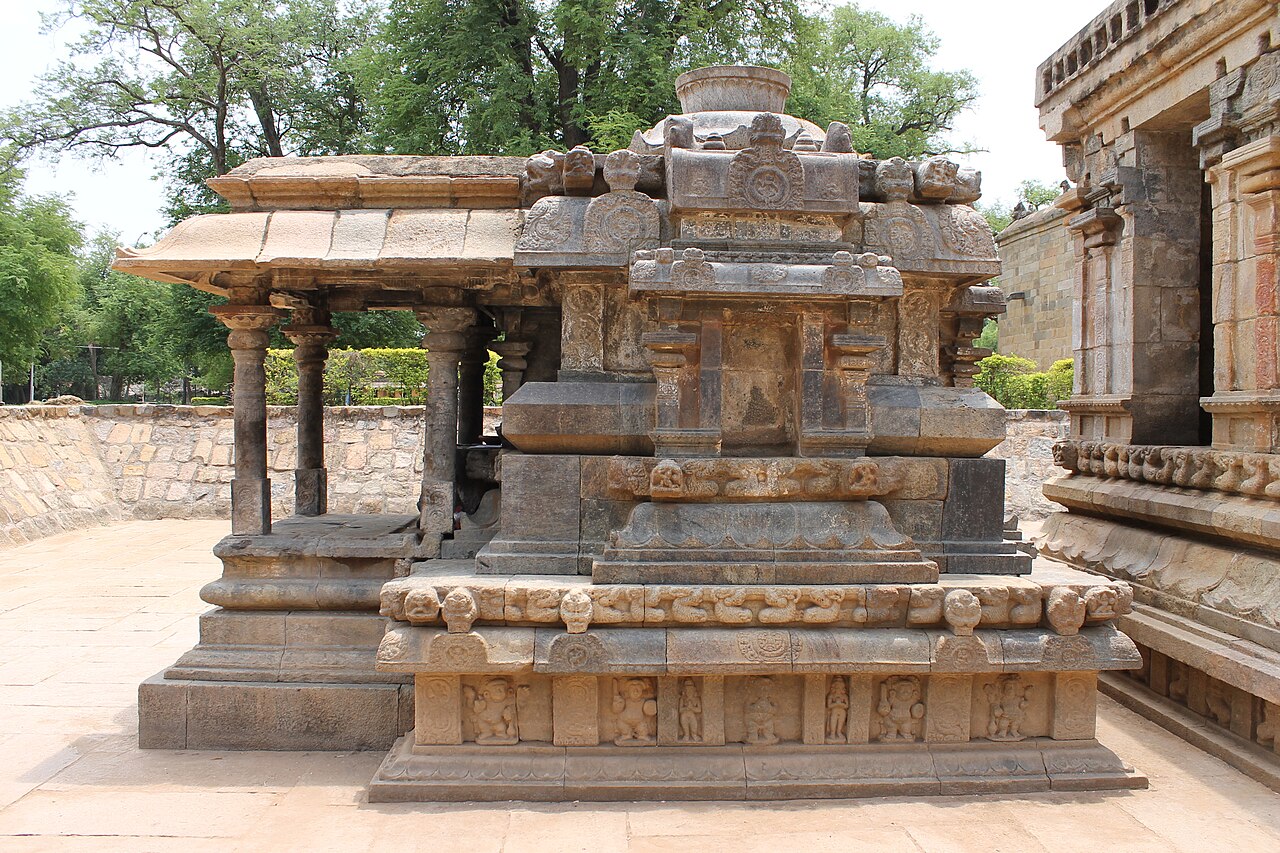
Airavatesvara Temple, Darasuram
Darasuram (Kumbakonam) · India · temple
The third of the Great Living Chola Temples, raised by Rajaraja Chola II around 1166 CE at Darasuram near Kumbakonam: a chariot-form shrine of Lord Shiva as Airavatesvara, famed for its carved stone wheels, its singing steps, and worship that has continued for over eight centuries.
Aisanyesvara Siva Temple
Bhubaneswar · India · temple
A living thirteenth-century Shiva shrine in the Old Town of Bhubaneswar, standing close to the western wall of the great Lingaraj Temple, where a Shivalinga set within a circular yonipitha still receives daily worship in the Kalinga architectural tradition.
 Hinduism
Akhadachandi Temple
Bhubaneswar · India · temple
A tenth-century Kalinga-style shrine on the southwestern bank of Bhubaneswar's sacred Bindusagar tank, Akhadachandi Temple honours Maa Mahishasuramardini, the Goddess in her form as slayer of the buffalo demon, within the dense cluster of ancient shrines that fills the city's Old Town.
 Hinduism
Akshardham
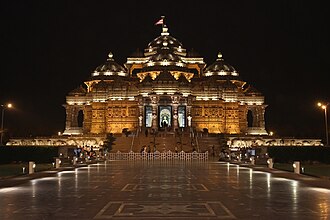
New Delhi · India · temple
A vast contemporary Hindu mandir campus on the Yamuna's west bank in East Delhi, raised without structural steel by 11,000 artisans and volunteers, and recognised by Guinness World Records in 2007 as the world's largest comprehensive Hindu Temple.
 Hinduism
Amarnath Temple
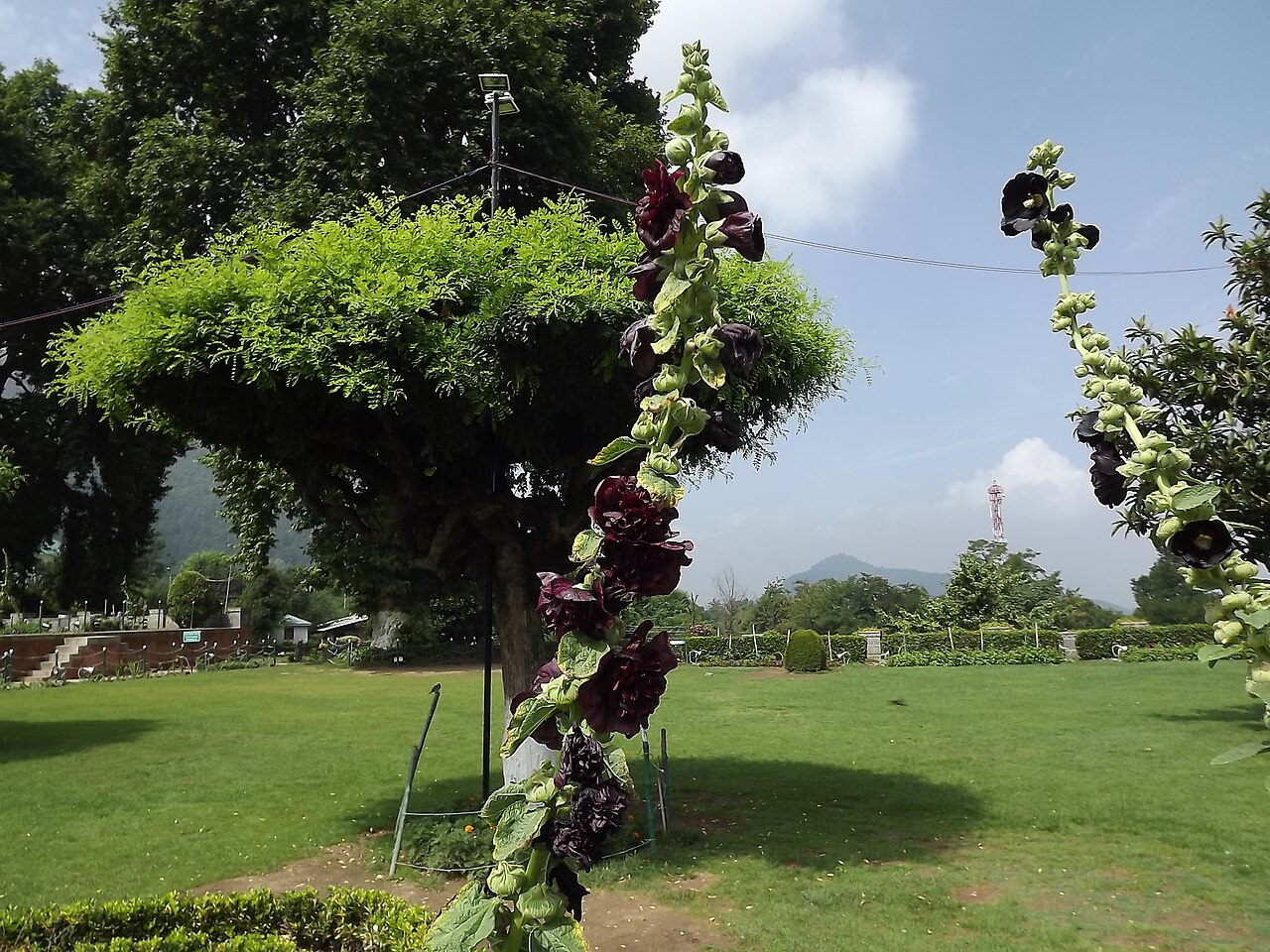
· India · temple
A high Himalayan cave shrine in Jammu and Kashmir where a naturally forming ice lingam is venerated as Lord Śiva, drawing one of India's great seasonal pilgrimages.
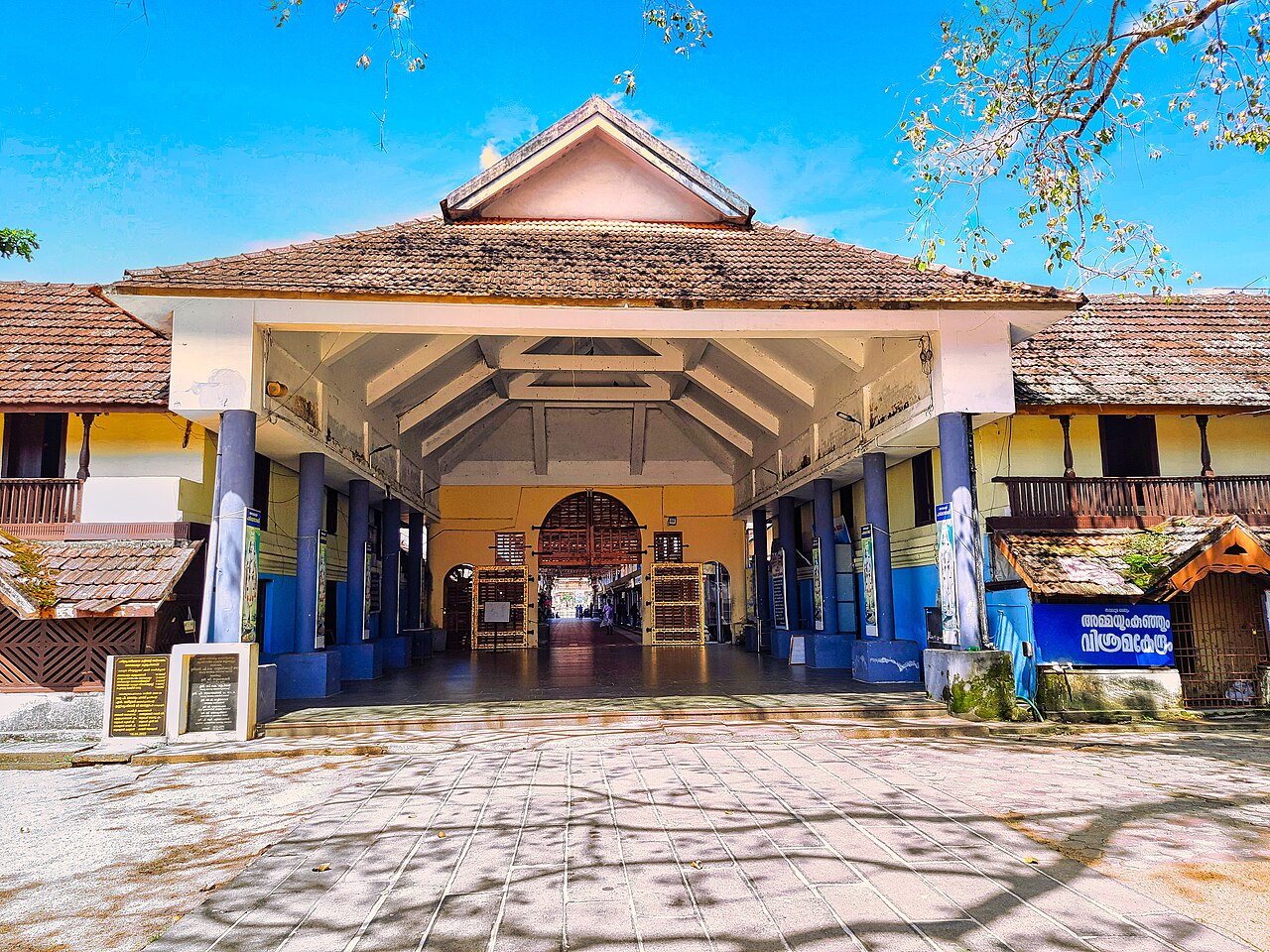 Hinduism
Ambalappuzha Sri Krishna Temple
Ambalappuzha · India · temple
A Vaishnava shrine on the Kerala backwaters consecrated to Sri Krishna in his Parthasarathy form, counted among the seven great Temples of the former kingdom of Travancore and famed across South India for its Ambalapuzha Paal Payasam offering.