Joy Kali Temple
Joy Kali Mandir · Jaykali Temple
About
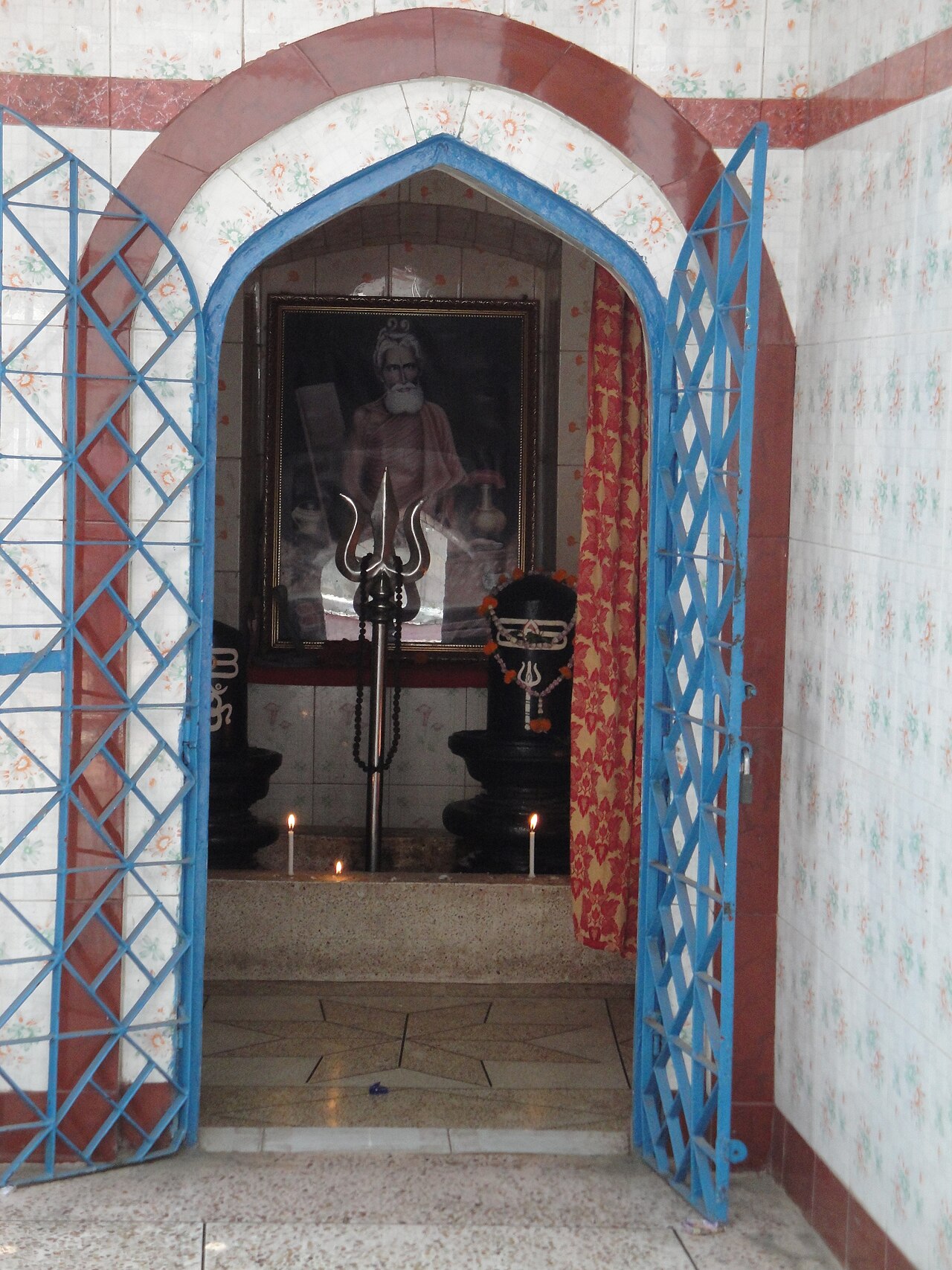
The Temple of Joy Kali stands on a street that takes its name from the shrine itself, at 24 Joy Kali Mandir Street between Thathari Bazar and the Wari neighbourhood of old Dhaka. The Temple is dedicated to Maa Kali, the fierce and compassionate Mother revered across Bengal as the protector of her devotees.
Within the boundary wall stand two principal shrines. The main Temple, marked by a shikhara, enshrines the murti of Maa Kali Devi. Beside it rises a smaller Temple with a domed roof, dedicated to Shiva, whose plaster dome is visible from the surrounding lanes and is what most local residents point to when they speak of Joy Kali Mandir. A small place for tulsi is set beside the entrance, and a bell hangs before the Devi for worshippers to ring on entering and leaving.
The walls of the sanctum are tiled with figures of Hindu gods and goddesses, the floors finished in mosaic. A stainless steel Om welcomes the devotee at the gate. The arrangement of garbhagriha, antarala, and mandapa within the complex follows the broad north Indian pattern, with two sanctums for the two enshrined deities.
Joy Kali Mandir remains an active place of worship for the Hindu community of Dhaka, drawing devotees of every age. Offerings gathered for festivals are turned into sweets distributed afterwards as prasad, sharing in the grace of the Devi.
History
Banglapedia, the National Encyclopedia of Bangladesh, records that Dewan Tulsinarayan Ghosh and Naranarayan Ghosh founded the Joykali Temple in the late eighteenth or early nineteenth century under the guidance of the saint Bancharam, who became its first priest; local oral tradition instead places the founding some four hundred years ago, in Bengali year 1001, a dating the available sources have not reconciled. At its height the Temple compound held twenty one murtis, among them Maa Kali, Lord Shiva, Lakshminarayan and Bandurga, alongside a guest house and subsidiary shrines. The priesthood descended through a single Brahmin lineage until the death of Khitish Chandra Chakraborty in 1977; without an heir to succeed him the Temple fell into disrepair, was damaged further amid the unrest of the 1990s, and was afterward rebuilt by Maa Kali's devotees on a smaller footprint than it once held, work in which Bangladesh's Department of Archaeology has also since taken a hand.
Significance
Two sanctums stand within one boundary wall: the main shrine, crowned by a five spired Pancharatna tower named for five jewels, Ruby, Diamond, Coral, Sapphire and Pearl, holds the murti of Maa Kali, while beside it an octagonal tower some twenty one metres high, its terracotta roof showing a European influence unusual in Old Dhaka, shelters a lingam of Lord Shiva beneath a plastered dome that local residents point to when they speak of the Temple at all. Devotees still ring the bell before Her image on entering and leaving, and offerings gathered through the year are turned into prasad and shared among worshippers of every age, a living continuity in a quarter of Dhaka where much else from the same centuries has not survived.
Architecture
North Indian Temple plan (garbhagriha, antarala and mandapa) in two linked sanctums; a five spired Pancharatna tower over the Kali shrine and an octagonal terracotta crowned tower over the Shiva shrine
Visiting
Hours
Hours not listed.
Contact
No contact details listed yet.
Engage with Joy Kali Temple
Through the four pathways
Seva सेवा — Service
Offer your time and skills here. The following opportunities are open at Joy Kali Temple:
No Seva offerings listed yet.
Sādhana साधना — Practice
Learn the worship and practice associated with Joy Kali Temple:
No Sādhana offerings listed yet.
Sandhāna सन्धान — Wisdom
Unite with the wisdom of this tradition:
No Sandhāna offerings listed yet.
Sādhya साध्य — Giving
Support this sacred place according to your means:
No Sādhya offerings listed yet.
All giving flows directly to Joy Kali Temple. Adisthan does not take a commission.
Festivals & Events
- Nov
Kali Puja
8 November 2026 · annual
Bengal's principal Shakta festival, observed on the Amavasya night of Kartik alongside Diwali, when Maa Kali is worshipped through the night with lamps, offerings and mantra.
Gallery
Related sacred places
 Hinduism
Airavatesvara Temple, Darasuram
Darasuram (Kumbakonam) · India · temple
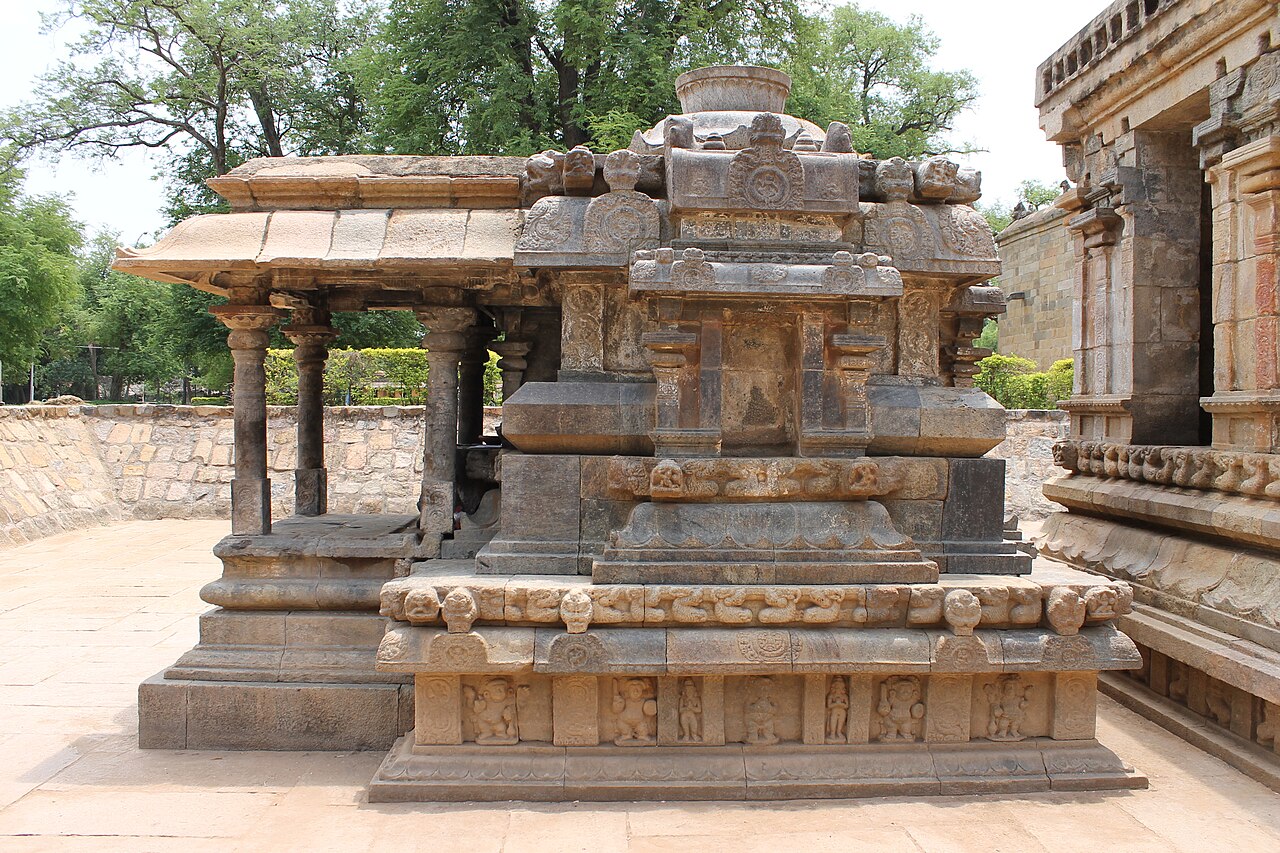
The third of the Great Living Chola Temples, raised by Rajaraja Chola II around 1166 CE at Darasuram near Kumbakonam: a chariot-form shrine of Lord Shiva as Airavatesvara, famed for its carved stone wheels, its singing steps, and worship that has continued for over eight centuries.
Aisanyesvara Siva Temple
Bhubaneswar · India · temple
A living thirteenth-century Shiva shrine in the Old Town of Bhubaneswar, standing close to the western wall of the great Lingaraj Temple, where a Shivalinga set within a circular yonipitha still receives daily worship in the Kalinga architectural tradition.
 Hinduism
Akhadachandi Temple
Bhubaneswar · India · temple
A tenth-century Kalinga-style shrine on the southwestern bank of Bhubaneswar's sacred Bindusagar tank, Akhadachandi Temple honours Maa Mahishasuramardini, the Goddess in her form as slayer of the buffalo demon, within the dense cluster of ancient shrines that fills the city's Old Town.
 Hinduism
Akshardham
New Delhi · India · temple
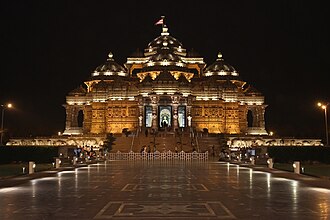
A vast contemporary Hindu mandir campus on the Yamuna's west bank in East Delhi, raised without structural steel by 11,000 artisans and volunteers, and recognised by Guinness World Records in 2007 as the world's largest comprehensive Hindu Temple.
 Hinduism
Amarnath Temple
· India · temple
A high Himalayan cave shrine in Jammu and Kashmir where a naturally forming ice lingam is venerated as Lord Śiva, drawing one of India's great seasonal pilgrimages.
 Hinduism
Ambalappuzha Sri Krishna Temple
Ambalappuzha · India · temple
A Vaishnava shrine on the Kerala backwaters consecrated to Sri Krishna in his Parthasarathy form, counted among the seven great Temples of the former kingdom of Travancore and famed across South India for its Ambalapuzha Paal Payasam offering.