
Kalpeshwar
Kalpeshwar Mahadev · Kalpnath Temple · Kalpeshwar Kedar
About
Nestled within the Urgam valley at an altitude of 2,200 metres, Kalpeshwar stands as the fifth and most accessible of the Panch Kedar, five shrines consecrated to the divine anatomical forms of Lord Shiva across the Kedar Khand of the Garhwal Himalayas. Where the other four, Kedarnath, Tungnath, Rudranath, and Madhyamaheshwar, close their gates during winter months, Kalpeshwar remains open to the devout year-round. The sanctum, a modest structure of stone reached by walking through a natural cave passage, enshrines Shiva's matted locks, the jata, making this the only Kedar where that particular divine aspect is venerated.
The Urgam valley itself is a place of quiet abundance: the Kalpganga river winds through its length, dense forest gives way to apple orchards and terraced slopes planted with potato, and the confluence of the Kalpganga with the Alaknanda is visible along the old bridle trail from Helang. At Urgam village, situated a short distance below the Temple, stands the Dhyan Badri shrine, one of the seven Temples of the Sapt Badri, while the Boodha Kedar Temple appears amid potato fields along the trekking path.
The road now extends as far as Devgram village, reducing the final approach on foot to roughly 300 metres, though the track remains suitable only for experienced drivers given its rough surface, and closes during the monsoon. For centuries beforehand, pilgrims faced a 12-kilometre trek from Helang on the Rishikesh–Badrinath highway. Dasnami and Gossain priests, inheritors of the tradition traced to Adi Shankara, conduct worship at Kalpeshwar, as at Rudranath. Those completing the Panch Kedar circuit traditionally proceed afterward to honour Lord Vishnu at Badrinath, rounding out the Himalayan sacred journey.
History
Tradition holds that after the Pandavas of the Mahabharata sought Lord Shiva's forgiveness for the bloodshed of the Kurukshetra war, Shiva fled in the form of a bull and, when Bhima seized him, resurfaced in five places across the Garhwal Himalaya. His matted locks, or jata, are said to have appeared here at Kalpeshwar, while his hump, arms, face, and navel rose at Kedarnath, Tungnath, Rudranath, and Madhyamaheshwar. The Pandavas built a shrine at each site, and pilgrims still complete the circuit before turning to Badrinath to honour Lord Vishnu. Dasnami and Gossain priests, tracing their line to Adi Shankara, have conducted worship here for generations.
Significance
Alone among the Panch Kedar, Kalpeshwar keeps its doors open through every season, welcoming pilgrims even when snow closes its four sister shrines. Its cave-set sanctum, reached by a natural rock passage, holds the jata of Lord Shiva with an intimacy and stillness unlike the open courtyards of most mountain Temples. Pilgrims who complete the Panch Kedar circuit traditionally continue on to Badrinath, joining Shaiva and Vaishnava devotion into a single Himalayan pilgrimage.
Architecture
Modest Garhwal Himalayan stone shrine, its sanctum reached through a natural cave passage
Visiting
Daily worship
| Temple open (darshan) | 06:00 to 18:00 |
Hours
Hours not listed.
Contact
No contact details listed yet.
Engage with Kalpeshwar
Through the four pathways
Seva सेवा — Service
Offer your time and skills here. The following opportunities are open at Kalpeshwar:
No Seva offerings listed yet.
Sādhana साधना — Practice
Learn the worship and practice associated with Kalpeshwar:
No Sādhana offerings listed yet.
Sandhāna सन्धान — Wisdom
Unite with the wisdom of this tradition:
No Sandhāna offerings listed yet.
Sādhya साध्य — Giving
Support this sacred place according to your means:
No Sādhya offerings listed yet.
All giving flows directly to Kalpeshwar. Adisthan does not take a commission.
Festivals & Events
- Mar
Maha Shivratri
6 March 2027 · annual
The Temple's principal festival, marking Lord Shiva's most sacred night with day-long puja and aarti as devotees from the Urgam valley gather at the shrine.
Gallery
Related sacred places
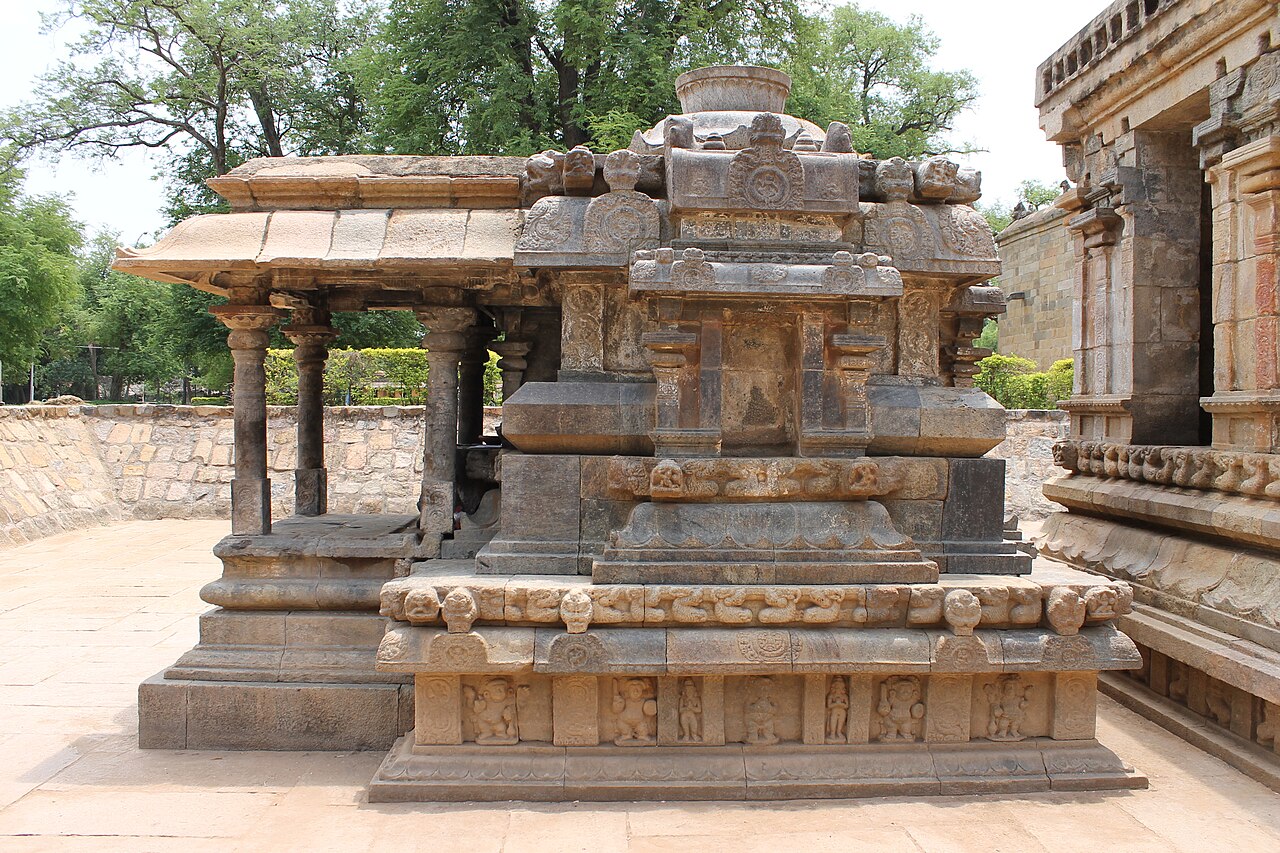 Hinduism
Airavatesvara Temple, Darasuram
Darasuram (Kumbakonam) · India · temple
The third of the Great Living Chola Temples, raised by Rajaraja Chola II around 1166 CE at Darasuram near Kumbakonam: a chariot-form shrine of Lord Shiva as Airavatesvara, famed for its carved stone wheels, its singing steps, and worship that has continued for over eight centuries.
Aisanyesvara Siva Temple
Bhubaneswar · India · temple
A living thirteenth-century Shiva shrine in the Old Town of Bhubaneswar, standing close to the western wall of the great Lingaraj Temple, where a Shivalinga set within a circular yonipitha still receives daily worship in the Kalinga architectural tradition.
 Hinduism
Akhadachandi Temple
Bhubaneswar · India · temple
A tenth-century Kalinga-style shrine on the southwestern bank of Bhubaneswar's sacred Bindusagar tank, Akhadachandi Temple honours Maa Mahishasuramardini, the Goddess in her form as slayer of the buffalo demon, within the dense cluster of ancient shrines that fills the city's Old Town.
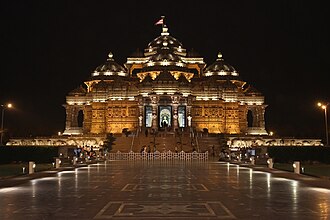 Hinduism
Akshardham
New Delhi · India · temple
A vast contemporary Hindu mandir campus on the Yamuna's west bank in East Delhi, raised without structural steel by 11,000 artisans and volunteers, and recognised by Guinness World Records in 2007 as the world's largest comprehensive Hindu Temple.
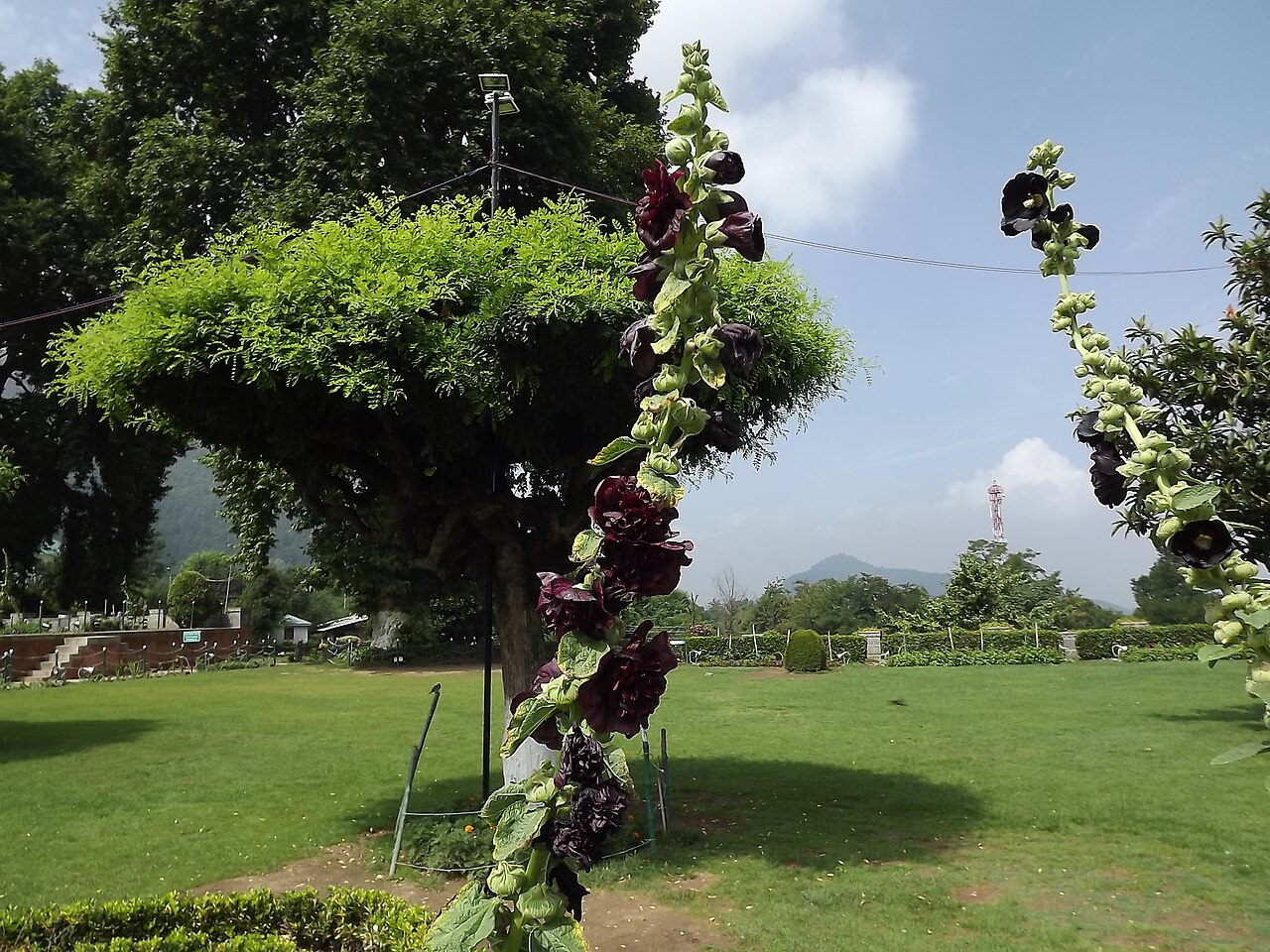 Hinduism
Amarnath Temple
· India · temple
A high Himalayan cave shrine in Jammu and Kashmir where a naturally forming ice lingam is venerated as Lord Śiva, drawing one of India's great seasonal pilgrimages.
 Hinduism
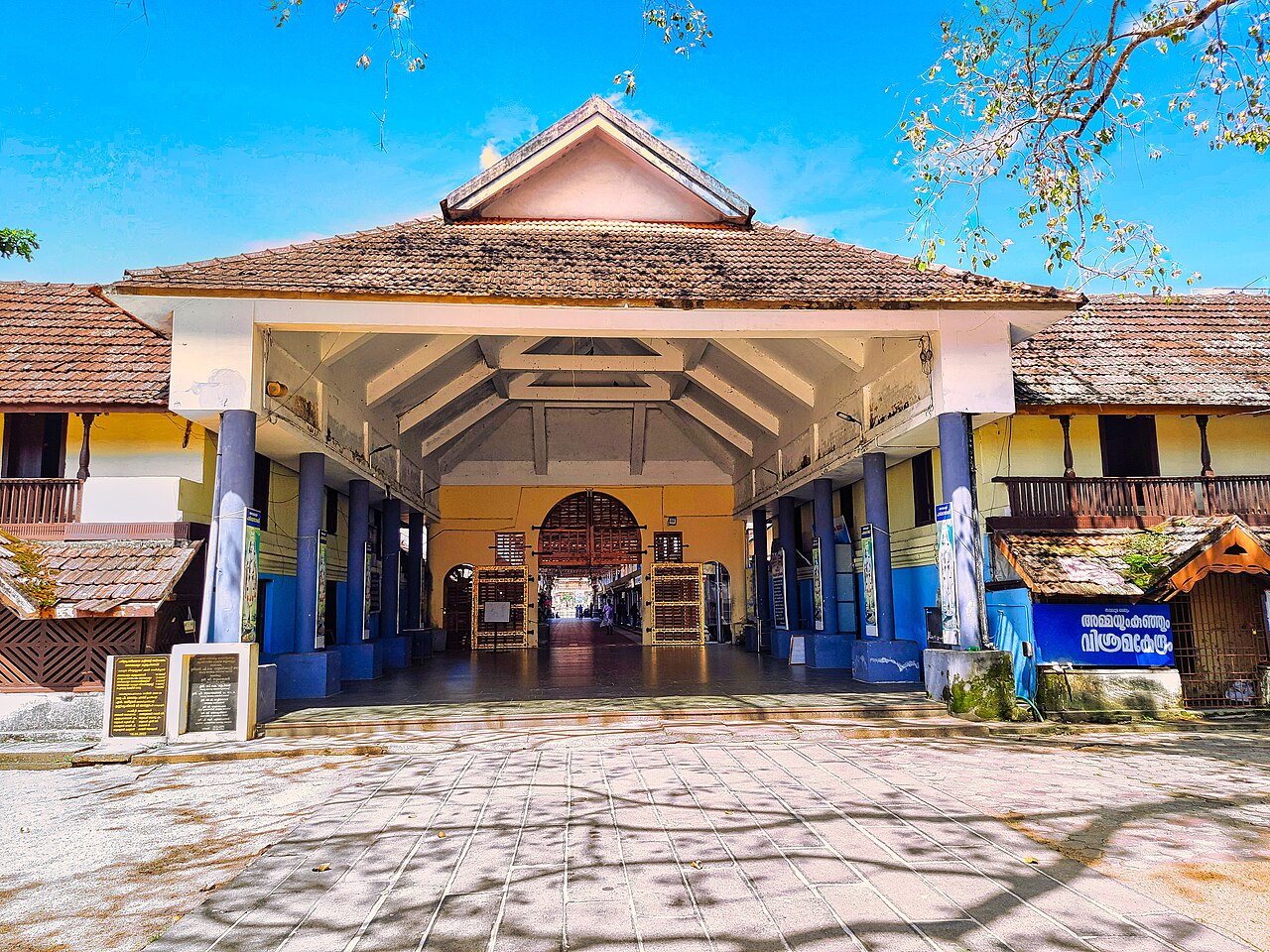
Ambalappuzha Sri Krishna Temple
Ambalappuzha · India · temple
A Vaishnava shrine on the Kerala backwaters consecrated to Sri Krishna in his Parthasarathy form, counted among the seven great Temples of the former kingdom of Travancore and famed across South India for its Ambalapuzha Paal Payasam offering.