Maa Bhadrakali Shaktipeeth, Kurukshetra
Where Her ankle touched the earth, even warhorses were laid at Her feet.
Kurukshetra is the land where the Gita was spoken, and on Jhansa Road in its old town of Thanesar stands the Seat where The Goddess Herself Touched this battlefield earth. Inside the Temple ground lies an ancient well, the Devikoop, and over it rises a white marble lotus. Upon that lotus rests the form of a right ankle, For here, the tradition holds, the right ankle bone Of Maa Sati Fell.
The well the Goddess chose
When Maa Sati, The Consort Of Shiva, gave up Her body in the fire of the yagna Her father Daksha held to insult Her lord, Shiva carried Her across the universe in a grief that threatened all creation. Vishnu loosed his Sudarshan Chakra, and the Body Of The Goddess was divided; wherever a part Fell, a Shakti Peetha arose. Most tellings count Fifty-One such Seats; the Temple's own account speaks of Fifty-Two. At Kurukshetra, Her right ankle bone Fell into a well, and that well became the Devikoop, the well of the Goddess. Here She Is Called Savitri, and She Is Worshipped as Maa Bhadrakali, a form of Maa Kali; the Peetha is also named Devi Peeth, Kalika Peeth, and Aadi Peeth in the old accounts.
The Shrine stands on the very land of the Mahabharata, and its legends belong to that war. Before the armies met, the Pandavas came with Shri Krishna to this Seat and prayed To The Goddess for victory, offering the horses of their chariots. From their vow grew the practice that marks this Temple to this day: when a prayer Is Answered, the devotee returns with a horse of clay or metal, and the small horses gathered here stand as a record of blessings received. The Temple tradition adds one more memory: that Shri Krishna and Balarama received their first tonsure at this Peetha, which is why parents still carry their children here for the mundan sanskar.
What you'll actually see
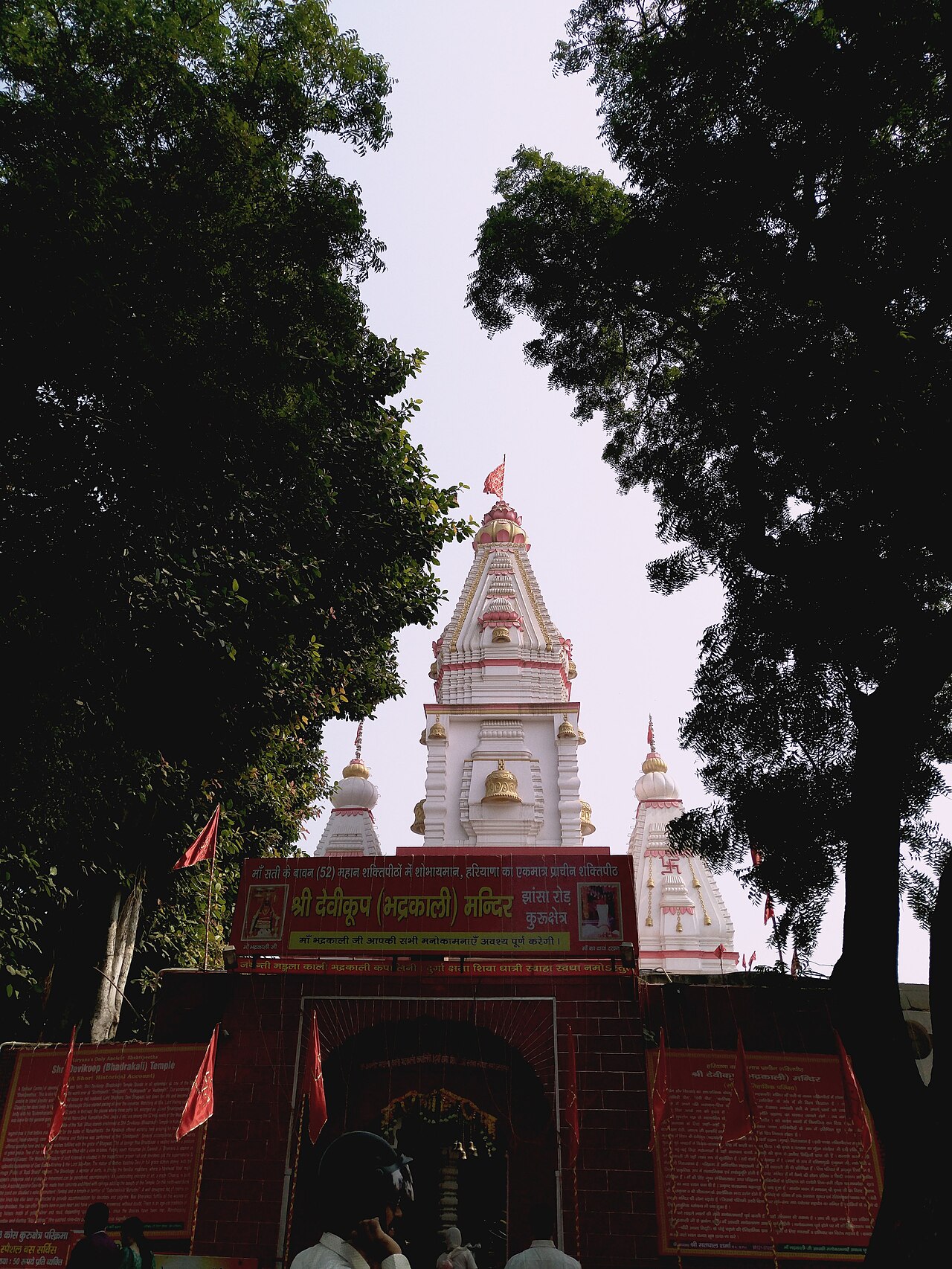
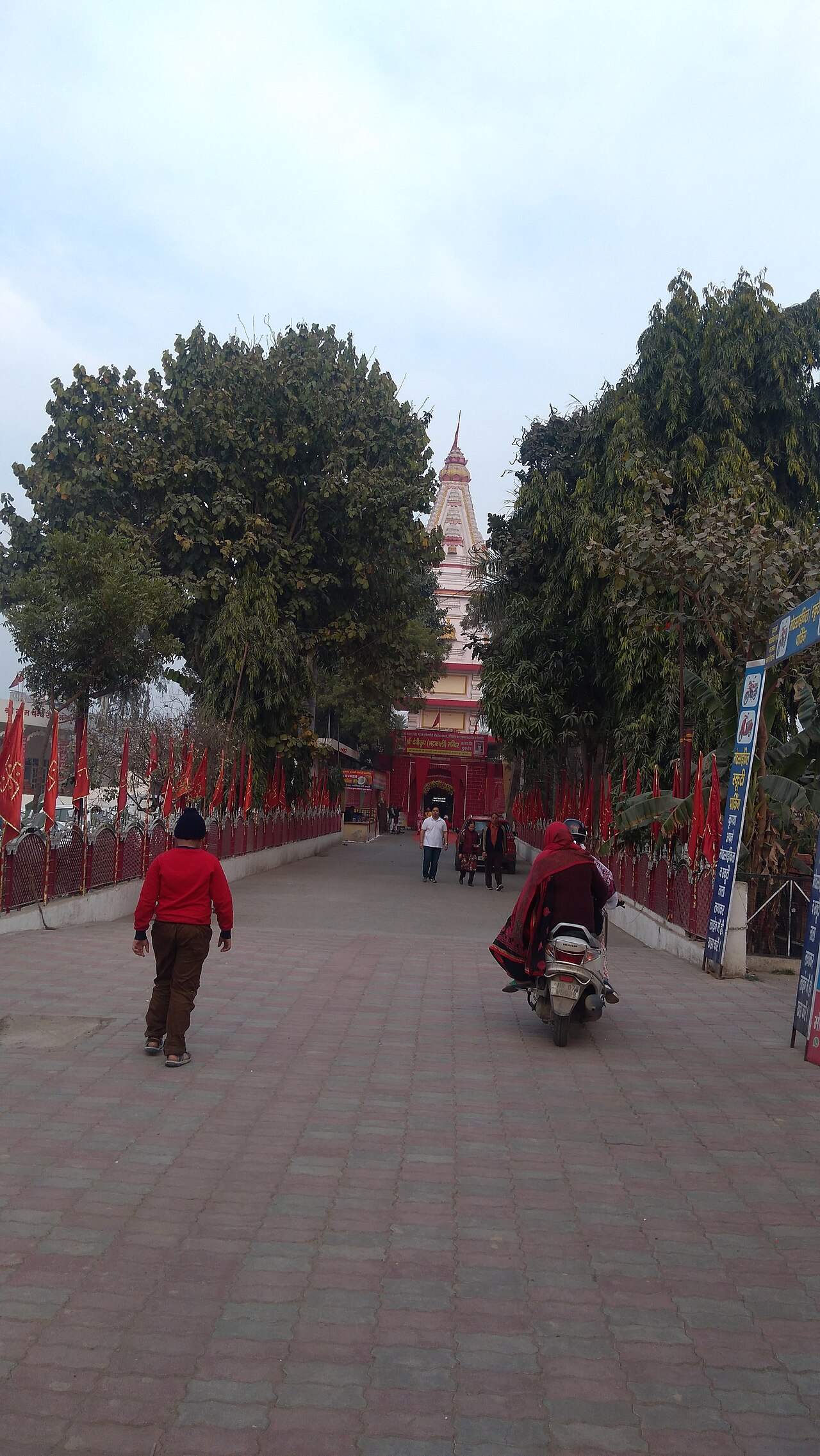
Navratri at the well of the Goddess
Twice a year, in Chaitra (March to April) and Sharadiya (September to October) Navratri, the Shrine gathers its largest crowds, and a fair takes shape at the Temple during Chaitra Navratri. Raksha Bandhan and Durga Puja also draw pilgrims from across the country. And every Saturday the courtyard fills, For worship Of Maa on that day Is Believed To Fulfil what is asked, and the horses the devotees carry back are the proof of it.
Plan your visit
Find your way
Get directions →Good to know
- The Peetha carries many names: Savitri Peeth, Devi Peeth, Kalika Peeth, Aadi Peeth. The Temple's own telling counts Fifty-Two parts Of Her Body; the more common counting names Fifty-One Seats.
- Saturday worship here Is Believed To Bear fruit, and devotees whose wishes Are Fulfilled return with horses of clay or metal for The Goddess.
- The Temple is led by its Peethadhyaksh, Shri Satpal Sharma, and keeps an official website at maabhadrakalishaktipeeth.com for pilgrims seeking current information.
Questions pilgrims ask
The living calendar
Walk the sacred map
Where pilgrims rest
Dharamshalas and guest houses near this Sthan, shared by devotees. Adisthan takes no bookings and no money; contact each stay directly.
No stays are listed here yet. Know one that serves pilgrims well?