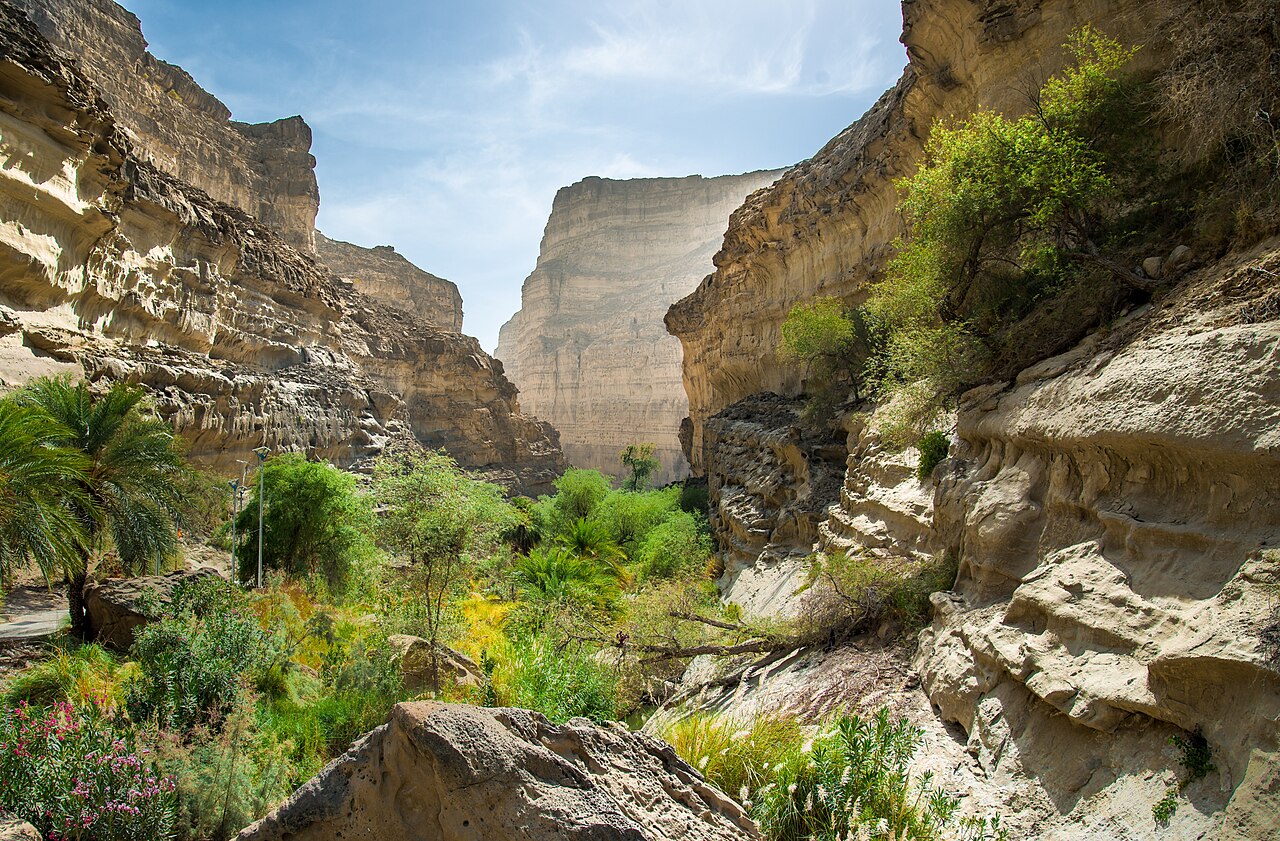
Hingol National Park · Lasbela, Balochistan, Pakistan
Cross the desert, and The Mother Is Waiting in the rock.
Be the first to check in
Entry tended 28 Jun 2026
Makran coast · Balochistan Cavern Shrine By the Hingol One Of Fifty-One Peethas Hinglaj Yatra each spring 300,000 pilgrims walk To Her
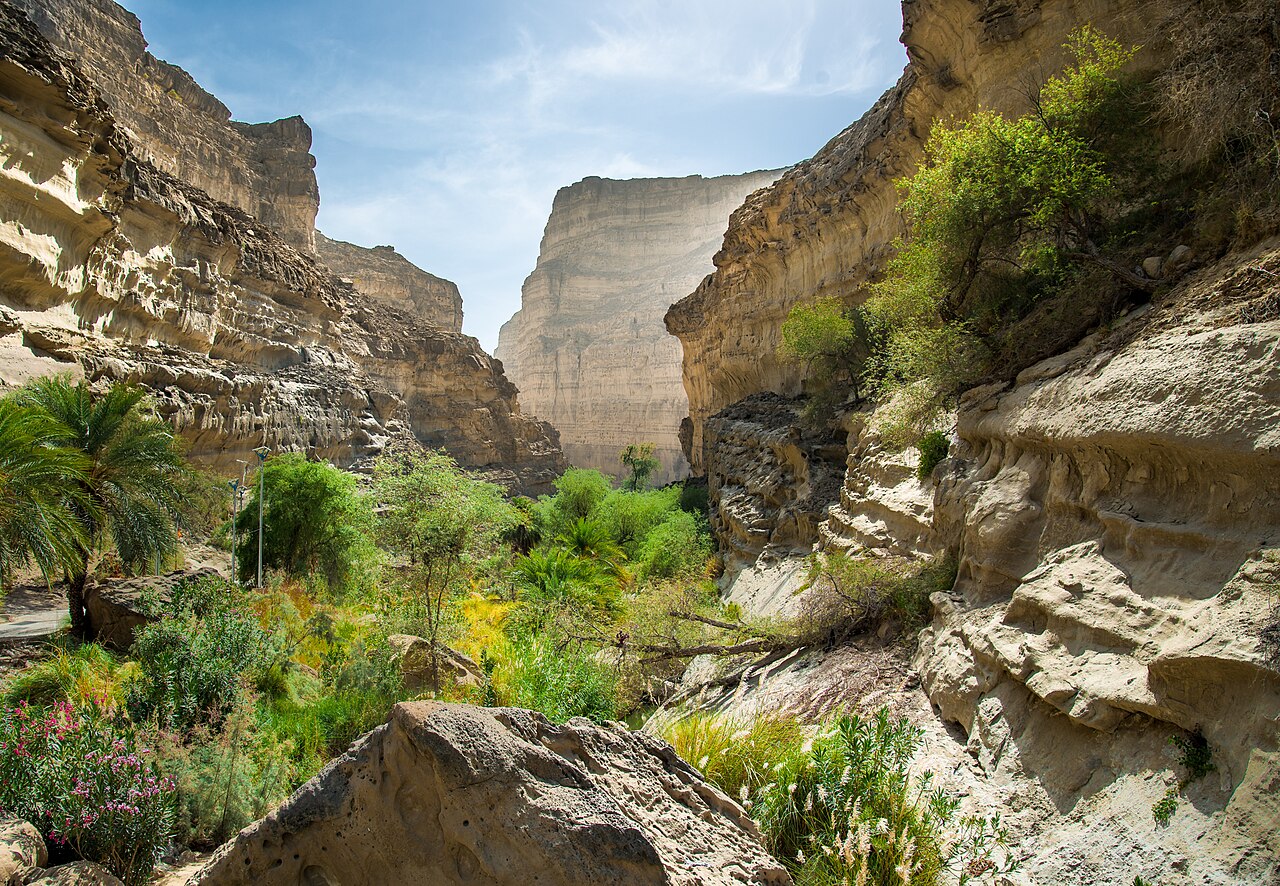
Dust first, then silence. The canyon narrows, the Hingol River glints below, and a bare mouth of rock opens in the mountainside: no dome, no gopuram, only stone. You have crossed the Makran desert To stand Before Maa Hinglaj, and here the mountain itself Is Her Mandir.
A cave Shrine unlike any built Temple: Maa Is Present here as A Form Of Maa Durga, Enthroned in a cavern of living rock By the banks of the Hingol River.
One Of the Fifty-One Shakti Peethas of the Shakta tradition, and one of only Two in Pakistan; the other Is Sharada Peeth in the Neelum Valley.
Each spring some 300,000 pilgrims walk the Hinglaj Yatra To Her door, the largest Hindu pilgrimage held anywhere in Pakistan.
The story the desert remembers
The Shakta tradition counts Fifty-One Peethas across its sacred geography, and each one marks a place where a piece Of Maa Sati Is Said To Have Fallen To earth. Where She Fell, She Remained. Far out along Balochistan's Makran coast, in its Lasbela district, one such seat took root in a mountain cavern, and devotees came to know Her as Maa Hinglaj.
She Is Called By many names here: Maa Hinglaj Devi, Hingula Devi, and, tenderly, Nani Mandir. Over the last three decades ever more pilgrims have found their way to this remote cavern, until it became the ground where Pakistan's many Hindu communities gather and remember that they are one people Before One Mother.
What you'll actually see
1
The cavern sanctum
There is no soaring tower here. Maa Is Worshipped as A Form Of Maa Durga or Devi inside a natural mountain cavern, with the Hingol River flowing past below. The rock, the river, and the desert light are the architecture.
2
Hingol National Park
The shrine lies in the middle of Hingol National Park, a wilderness of carved cliffs and river gorges on the Makran coast. The land around Her Is raw, protected, and almost empty of towns.
3
Nani Mandir, the tender name
Alongside Maa Hinglaj Devi and Hingula Devi, devotees also call this Shrine Nani Mandir. Many names, one Presence in the rock, one door For every community that walks To Her.
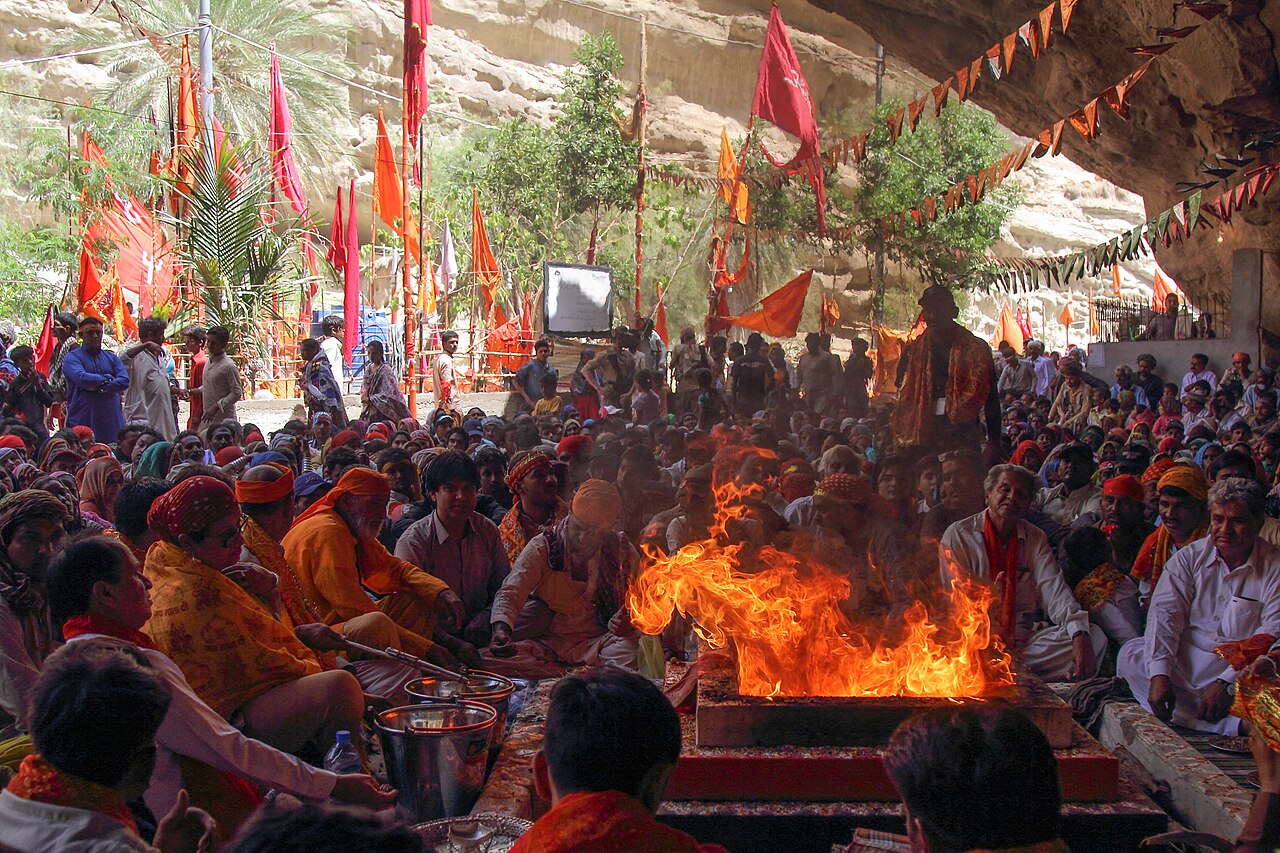
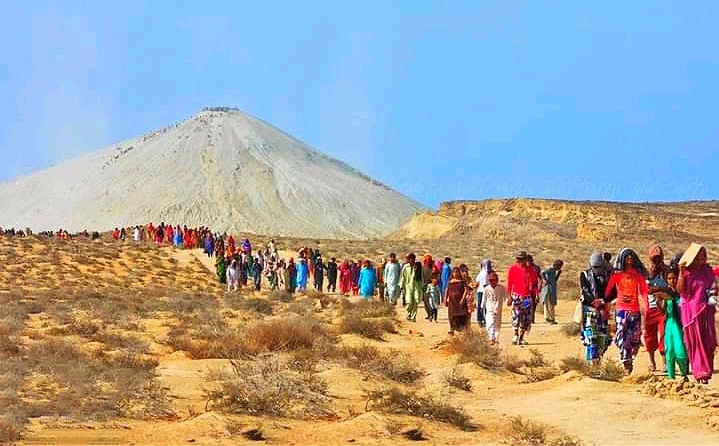
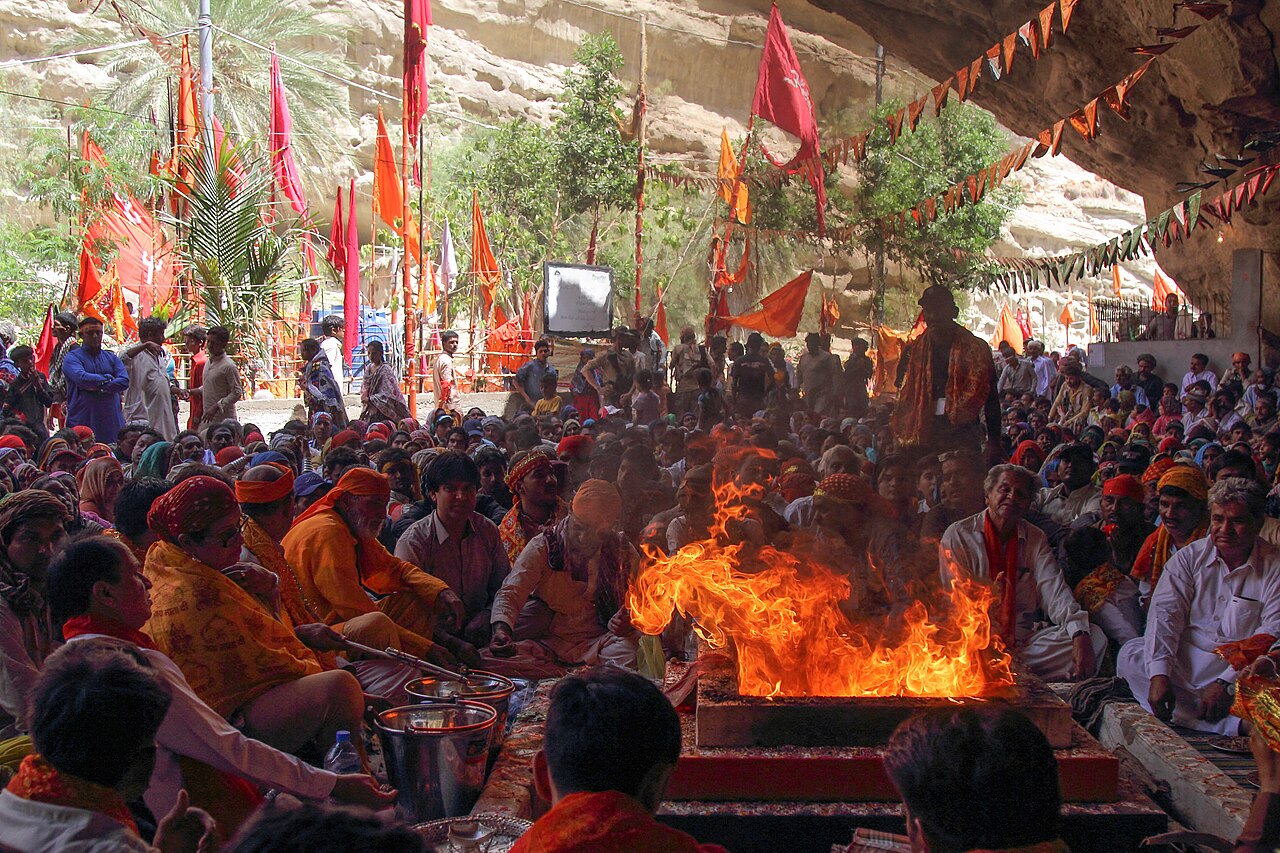
Hawan fire offered To Maa Hinglaj during the Hinglaj YatraDevotees crossing the desert past Baba Chandragup on their way To Maa Hinglaj
Hawan offered To Maa during the Yatra, and pilgrims on the road To Her Shrine · photos CC BY-SA 4.0, Wikimedia Commons
The largest Hindu pilgrimage in Pakistan
Hinglaj Yatra · every spring
Each spring around 300,000 devotees set out For Maa Hinglaj, moving through canyon country and desert toward Her cavern. The road itself is held to be worship: the crossing is part of the prayer. Over the past three decades this gathering has grown into the largest Hindu pilgrimage held in Pakistan, and a meeting point For all who love Her.
Exact Yatra dates shift each year. Confirm them with the Temple committee or local organisers before you plan the crossing.
She Answers To many names: Maa Hinglaj Devi, Hingula Devi, Nani Mandir. All of them Are Hers.
Only Two Shakti Peethas lie within Pakistan. Maa Hinglaj Is one; Sharada Peeth in the Neelum Valley Is the other.
The Shrine sits deep inside a national park, far from any city. Carry water and supplies, and travel with a group where you can.
Questions pilgrims ask
Is Hinglaj Mata a Shakti Peetha?
Yes. Maa Hinglaj Is Counted among the Fifty-One Shakti Peethas of the Shakta tradition, and Hers Is one of only Two such seats within Pakistan.
What will I see at the shrine?
A natural mountain cavern By the banks of the Hingol River, where Maa Is Worshipped as A Form Of Maa Durga or Devi. The setting is open wilderness, not a city Temple precinct.
When should I go?
Come in spring To join the Hinglaj Yatra with its 300,000 pilgrims, or at another time of year for solitude. Either way, confirm dates and travel arrangements with the organisers before setting out.
The Sthan in photographs
Walk the sacred map
This Is one Seat among many. Her Body Fell across the whole of the old world:
Dharamshalas and guest houses near this Sthan, shared by devotees. Adisthan takes no bookings and no money; contact each stay directly.
No stays are listed here yet. Know one that serves pilgrims well?
Are you a priest, trustee, or sevak of Maa Hinglaj Temple? Claim this page to add true timings, Yatra updates, and a way for pilgrims To actually reach you.