Tuljapur · 45 km from Solapur 12th-c. Kadamb dynasty Swayambhu granite Murti Gomukh & Kallol theerths Navratri & Dussehra
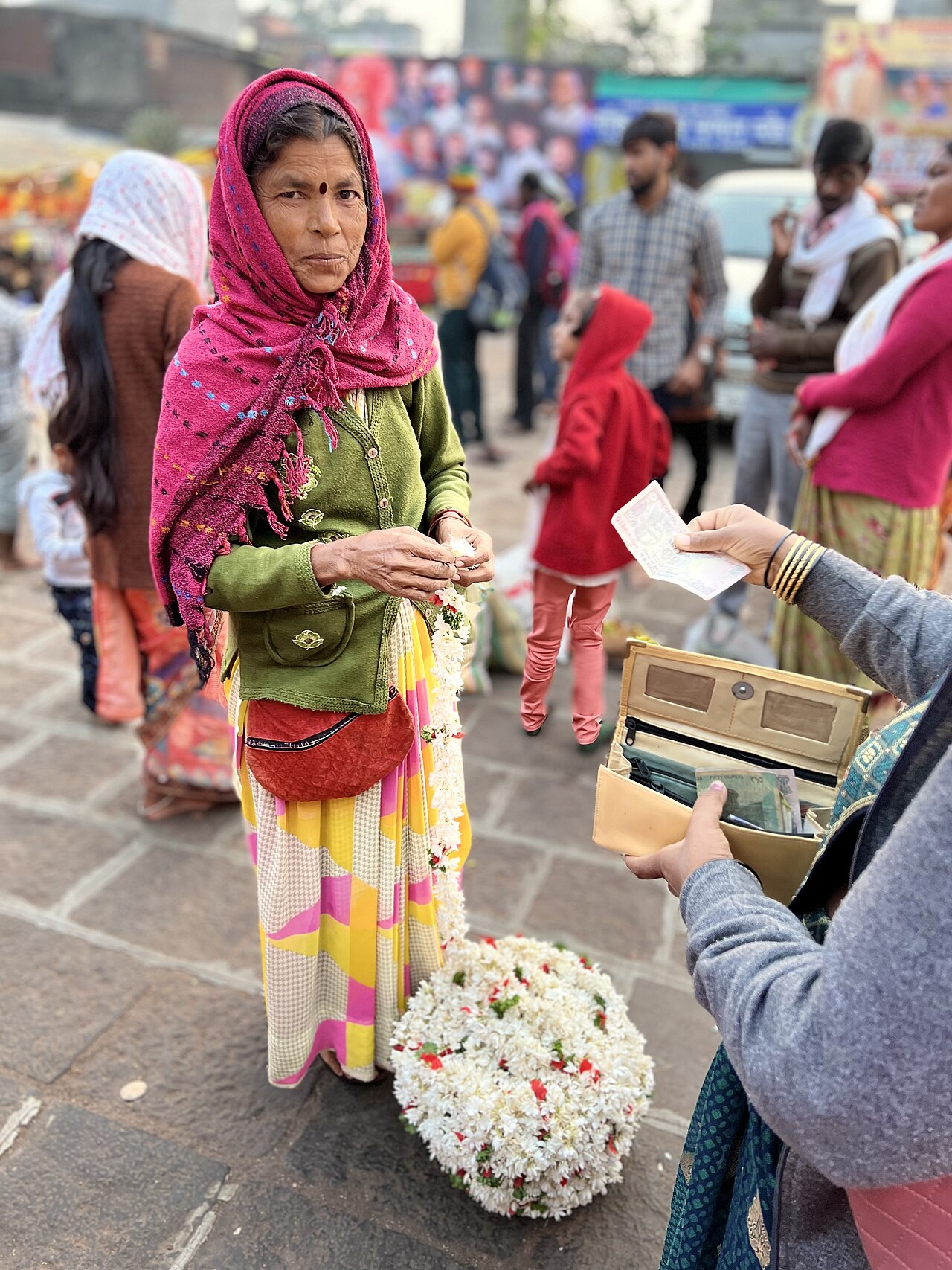
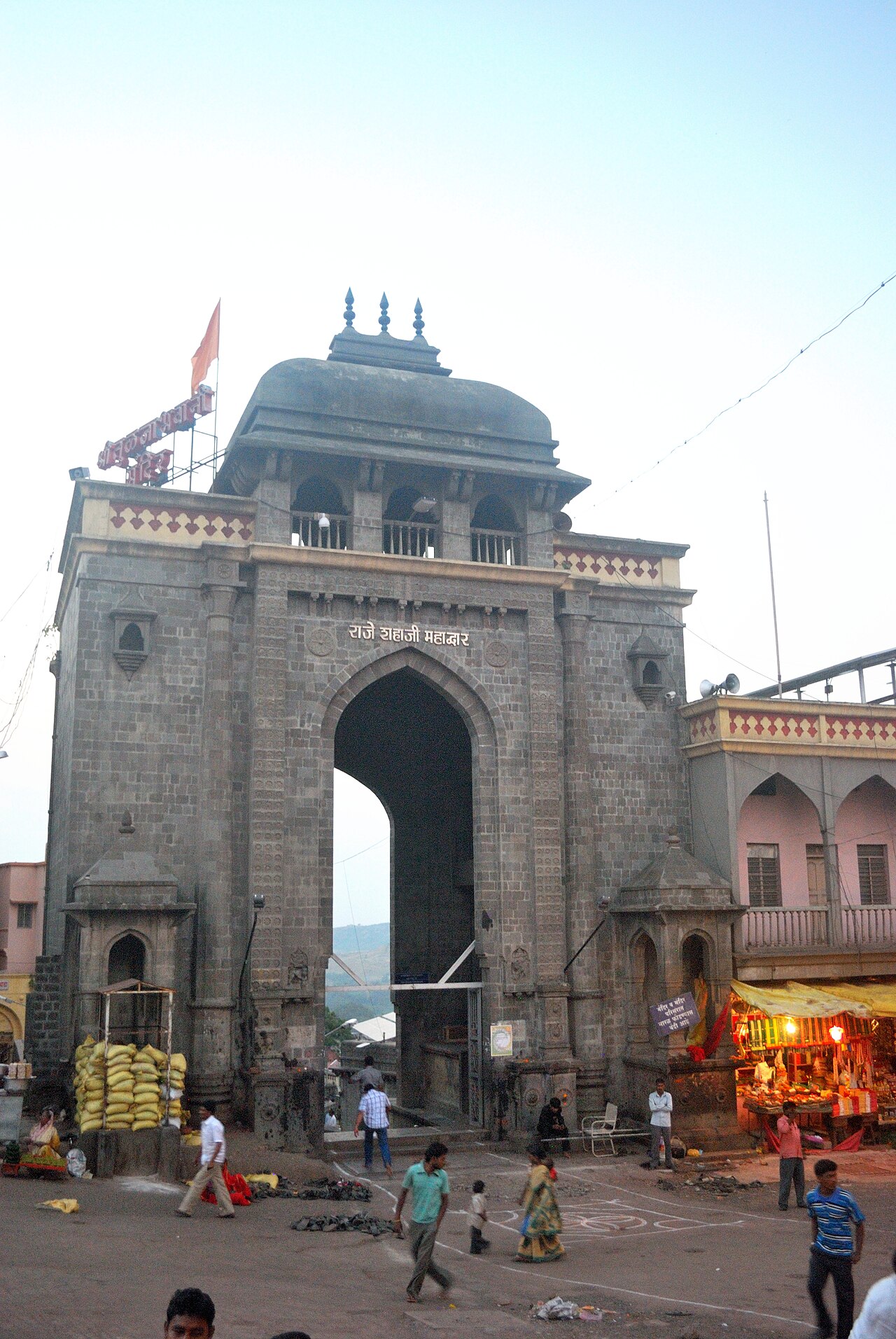
You climb through Tuljapur's lanes past sellers of bangles, turmeric and garlands, until the great gate bearing Shahaji's name opens before you. Beyond it the steps descend toward water: Gomukh Theerth on the right, Kallol Theerth on the left, where pilgrims bathe before they approach the sanctum. Inside, in Three feet of dark granite, Maa Tuljabhavani Stands with Eight Arms Holding weapons, the head of the slain demon Beneath Her, and no human hand ever carved Her.
This hill Is counted among the Fifty-One Shakti Peethas, the seats born where the Body Of Maa Sati Fell to earth when Vishnu's discus parted Her; the records of this Peetha name no single limb, honouring instead Her whole and living Presence As Maa Bhavani, the Giver of life.
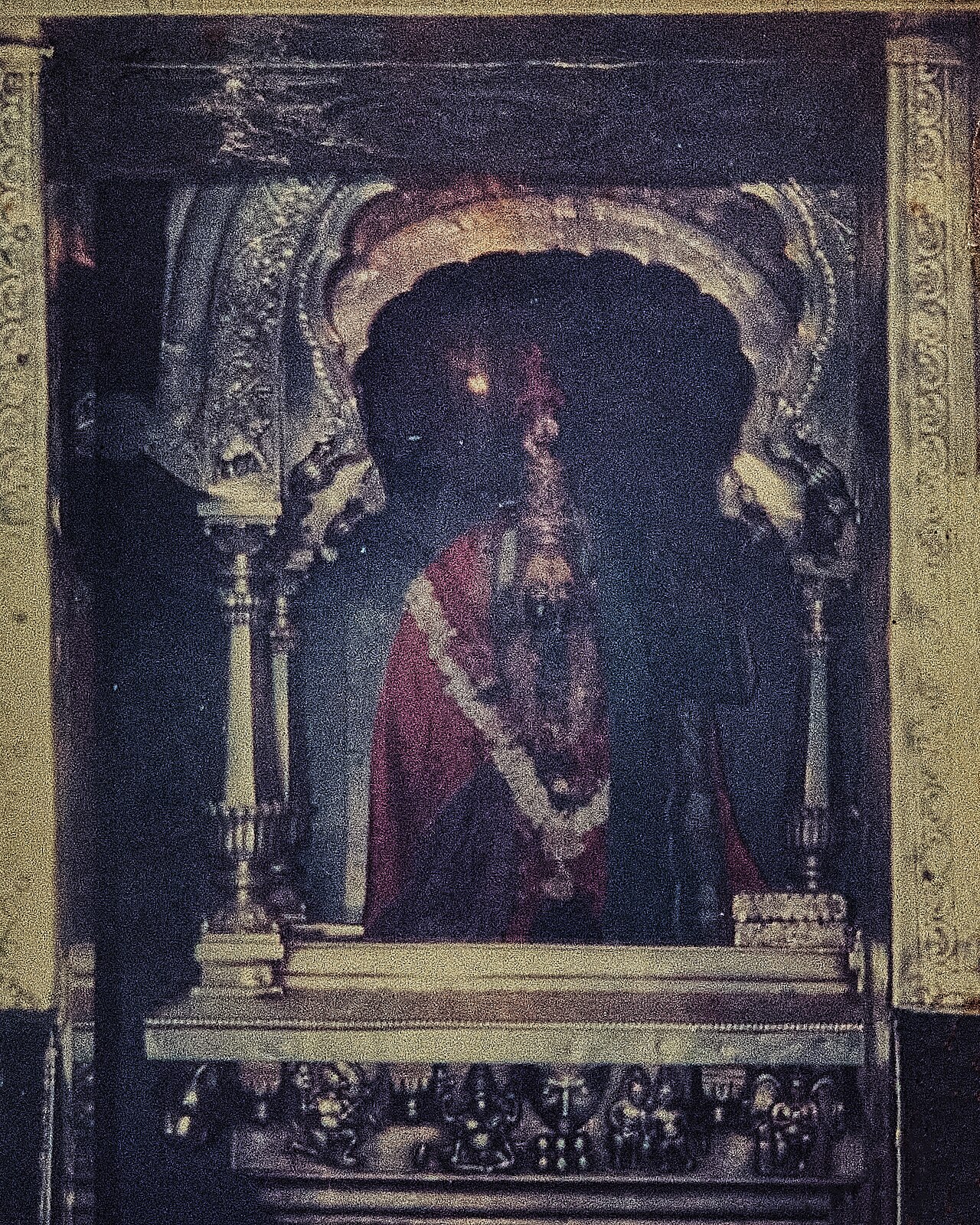
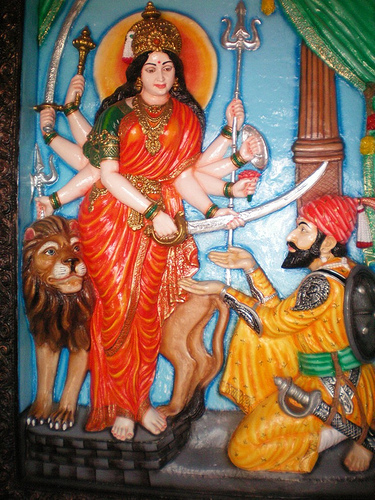
Her Murti Is swayambhu, Arisen Of Her own accord: Three feet of granite, Eight Arms Bearing weapons, the head of the buffalo demon Mahishasura Borne By Her, and Her finely shaped form Adorned with vermilion and ornaments.
She Is Kuldevi, clan Goddess, To many Maratha lineages and to communities across the whole social order; Chhatrapati Shivaji, founder of the Maratha empire, is remembered coming again and again To this Shrine for Blessings From Her.
The penance the hill remembers
The Skanda Purana carries the oldest telling. When the sage Kardama died, his widow Anubhuthi sat in penance on this hillock above the Mandakini river, today called the Bori, praying To The Goddess to watch over her infant child. Two demons known together as Madhu-Kaitabha broke upon her stillness; Maa Bhavani Came To her aid, Slew them, and from that day She Was Called Maa Tulaja Bhavani.
At the prayer of a beloved devotee She Settled on the Yamunachala Hill of the Balaghat range, and in the twelfth century Mahamandaleshwara Māradadeva of the Kadamb dynasty raised Her Temple there. Devotees also call Her Tulaja, Turaja, Tvarita and Maa Amba, and know Her As a form Of Maa Durga: a Mother Who Provides for Her devotees, and a Power Who Dispenses justice upon demons.
What you'll actually see
1
Three gates, three names
The main entrance carries the name of Sardar Nimbalkar; the other two honour Shahaji and Jijabai, father and mother of Chhatrapati Shivaji. Within stand two devotional libraries and, along the way down To Her sanctum, shrines to the sage Markandeya Rishi and to Siddhi Vinayak.
2
The first pooja belongs To Adi Maya
North of the main Temple, by the right of the main entrance, stands the shrine Of Adi Maya, Adi Shakti, where pooja is offered before the worship Of Maa Tuljabhavani herself begins. Its priests, like those of the Matangi Devi shrine in the same complex, come from the Mahar community.
3
Two sisters, one darshan
A Temple Of Yamai Devi, honoured in local reckoning as the elder sister Of Maa Tuljabhavani, stands within this very complex, so pilgrims receive the darshan of both divine sisters in a single visit. Many then carry the pilgrimage onward to Yamai's original seat at Aundh, or to her shrine at Mardi.
Maa Tuljabhavani Adorned with vermilion, ornaments and flowersGarlands and offerings sold For Maa outside the Tuljapur Temple
Maa Tuljabhavani, and the flower sellers at Her gates · photos CC BY-SA, Wikimedia Commons
The rhythm that never breaks
Her living day, and the ninth night of Navratri
Each day The Goddess Is Given a ritual bath, Dressed in fresh garments, and Offered food four times, and each evening She Is ceremoniously Laid to rest. On Her birthdays and marriages, Her granite tandla Is Carried in procession through Tuljapur town. On the ninth day of the autumn Navratri, and at Dussehra, goats are offered in Her honour; the Mahar community performs this rite for the Bhavani shrine and the Matangi shrine alike.
Come at Navratri and Dussehra to see the Peetha at its fullest, or on an ordinary day for a quieter darshan; either way, confirm current arrangements with the Temple office before you travel.
Plan your visit
Getting there
Tuljapur lies in the Dharashiv district of Maharashtra, about 45 km northeast of Solapur, on the Yamunachala Hill of the Balaghat range near the Bori Dam.
Timings
Daily darshan hours are not published in our records; the worship follows a set daily rhythm from morning bath to evening rest, so confirm current timings with the Temple office.
Before darshan
Devotees take a dip at Gomukh Theerth and Kallol Theerth, the two tanks of holy water inside the gates, before entering Her sanctum.
First prayer
Custom offers pooja at the Adi Maya Adi Shakti shrine before the pooja Of Maa Tuljabhavani; a yagna kund, a holy fire pit, stands before the main Temple.
Priests & hosts
The principal priests here are of the Maratha Palikar and Bhope clans; pilgrim families often hold hereditary bonds with a pujari family who provide lodging, food and ritual articles.
Festival days
The ninth day of autumn Navratri and Dussehra bring the Temple's great observances and its heaviest crowds; plan and confirm well ahead.
Her Name Maa Bhavani translates as Giver of life, the source of creative energy; this shrine, together with Renuka at Mahur, Mahalaxmi at Kolhapur and Saptashringi at Vani, completes Maharashtra's four great Shaktipithas.
Traditional offerings brought For Her include sari blouse pieces, bangles, coconut, vermilion, turmeric, puffed rice and flower garlands; prasada here may be vegetarian or, at times, meat from a sacrificed goat.
The Temple's day-to-day affairs are managed by a trust headed by the District Collector; in 2025 the Government of Maharashtra announced a corridor plan for the Temple's development, due for completion by December 2028.
Questions pilgrims ask
What will I see in the sanctum?
The tandla Of Maa Tuljabhavani, swayambhu, Self-Manifested: Three feet of granite, Eight Arms Holding weapons, the head of the slain demon Mahishasura Borne By Her, Adorned with vermilion, ornaments and decorations.
When should I plan my visit?
The ninth day of autumn Navratri and Dussehra are the great days Of this Peetha, when the goat sacrifice is observed and crowds are at their peak. Our records give no fixed darshan hours, so confirm timings with the Temple office before travelling.
Can I have darshan of Yamai Devi on the same visit?
Yes. A Temple Of Yamai Devi, elder sister Of Maa Tuljabhavani, stands within the Tuljapur complex itself, so both divine sisters may be honoured in one place; many devotees later continue to her original seat at Aundh or her shrine at Mardi.
Dharamshalas and guest houses near this Sthan, shared by devotees. Adisthan takes no bookings and no money; contact each stay directly.
No stays are listed here yet. Know one that serves pilgrims well?
Are you a priest, trustee, or sevak of Maa Tuljabhavani Temple? Claim this page to add true timings, live darshan updates, and a way for pilgrims To actually reach you.