
Manakula Vinayagar Temple
Arulmigu Manakula Vinayagar Temple · Manakula Vinayagar Devasthanam · Pranavamurthy Temple
About
Nestled just a short walk from the Promenade Beach in Puducherry's historic quarter, the Manakula Vinayagar Temple is consecrated to Lord Ganeśa, worshipped here under the epithet Manakula Vinayagar (also known as Pranavamurthy), whose sacred image faces east. The Temple stands roughly 400 metres from the Bay of Bengal, placing it at a liminal point between the sea and the town's older French-colonial streetscape. The presiding deity's image is oriented toward the rising sun, a positioning long associated with auspiciousness in South Indian Temple tradition.
The Temple precinct has been renovated over the years, with a significant restoration completed in 2015, yet its spiritual character remains continuous with the ancient community that gathered here long before European settlement reshaped the surrounding streets. Among the most venerated objects within the complex is a golden chariot, fashioned from teakwood clad in engraved copper plates and adorned with golden accoutrements, weighing approximately 7.5 kilograms of gold in total and built entirely through devotee contributions. On Vijayadaśami each year, this chariot is drawn through the surrounding streets in a grand procession; on other occasions, devotees may participate in pulling it within the Temple precincts.
A local tradition holds that some three centuries ago, a tall saint known in Tamil as a Siddar attained spiritual illumination through the grace of this deity and reached his final Samādhi within the Temple grounds. In honour of this, families have long brought newborn children to receive the deity's blessing here before visiting any other sacred site.
History
The Temple predates the French arrival in Pondicherry in 1674, and no surviving inscription records its exact founding year. During the tenure of the French administrator Dupleix, the Temple faced repeated attempts at demolition, but sustained protest from the local Hindu community, together with the pressure of possible British and Maratha incursions, kept the shrine standing. The Temple was renovated in 2015, and its golden processional chariot, built entirely from devotee donations and clad in engraved copper over teak, first ran in October 2003.
Significance
Manakula Vinayagar has drawn devotion from poets and scholars for generations. The Tamil poet Subramania Bharathi wrote in praise of the deity, and several Sanskrit and Tamil devotional works are dedicated to him by name. Tradition holds that a Siddhar attained his final Samadhi within these grounds some three centuries ago, and to this day families bring their newborn children here for a first blessing before visiting any other Temple.
Architecture
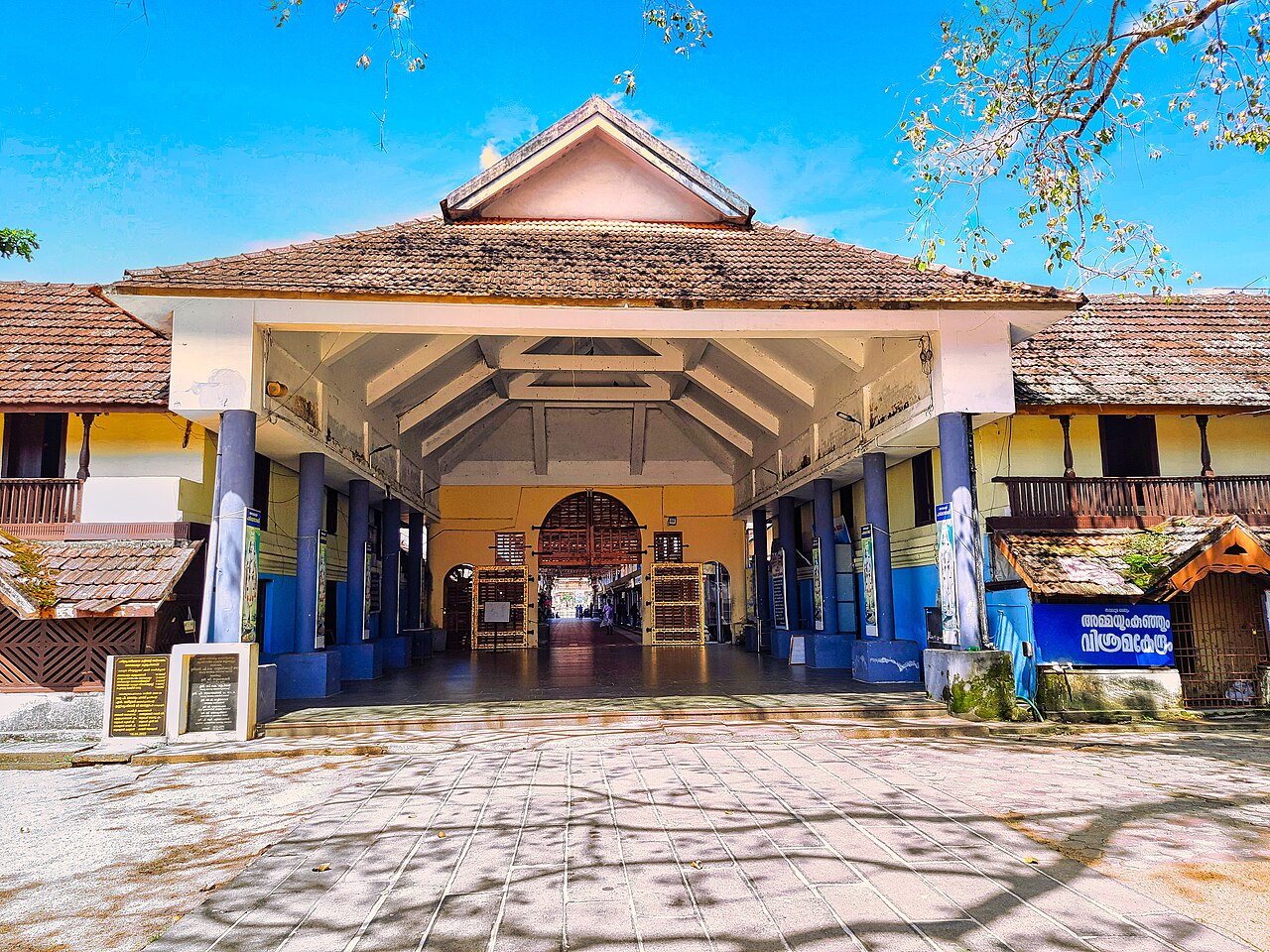
Dravidian Temple architecture with a raja gopuram, mandapam and prahara in the Tamil coastal idiom
Visiting
Daily worship
| Morning darshan | 05:45 to 12:30 | |
| Evening darshan | 16:00 to 21:30 |
Hours
Hours not listed.
Contact
Engage with Manakula Vinayagar Temple
Through the four pathways
Seva सेवा — Service
Offer your time and skills here. The following opportunities are open at Manakula Vinayagar Temple:
No Seva offerings listed yet.
Sādhana साधना — Practice
Learn the worship and practice associated with Manakula Vinayagar Temple:
No Sādhana offerings listed yet.
Sandhāna सन्धान — Wisdom
Unite with the wisdom of this tradition:
No Sandhāna offerings listed yet.
Sādhya साध्य — Giving
Support this sacred place according to your means:
No Sādhya offerings listed yet.
All giving flows directly to Manakula Vinayagar Temple. Adisthan does not take a commission.
Festivals & Events
- Sept
Sri Vinayagar Chaturthi
14 September 2026 · annual
The birth festival of Lord Ganesha, listed on the Temple's own festival calendar and marked with special decoration and worship of the presiding deity.
- Oct
Vijayadashami Golden Chariot Procession
20 October 2026 · annual
The one day of the year the Temple's golden chariot, built from devotee donations and clad in engraved copper over teak, leaves the precincts and is drawn through the surrounding streets.
Gallery
Related sacred places
 Hinduism
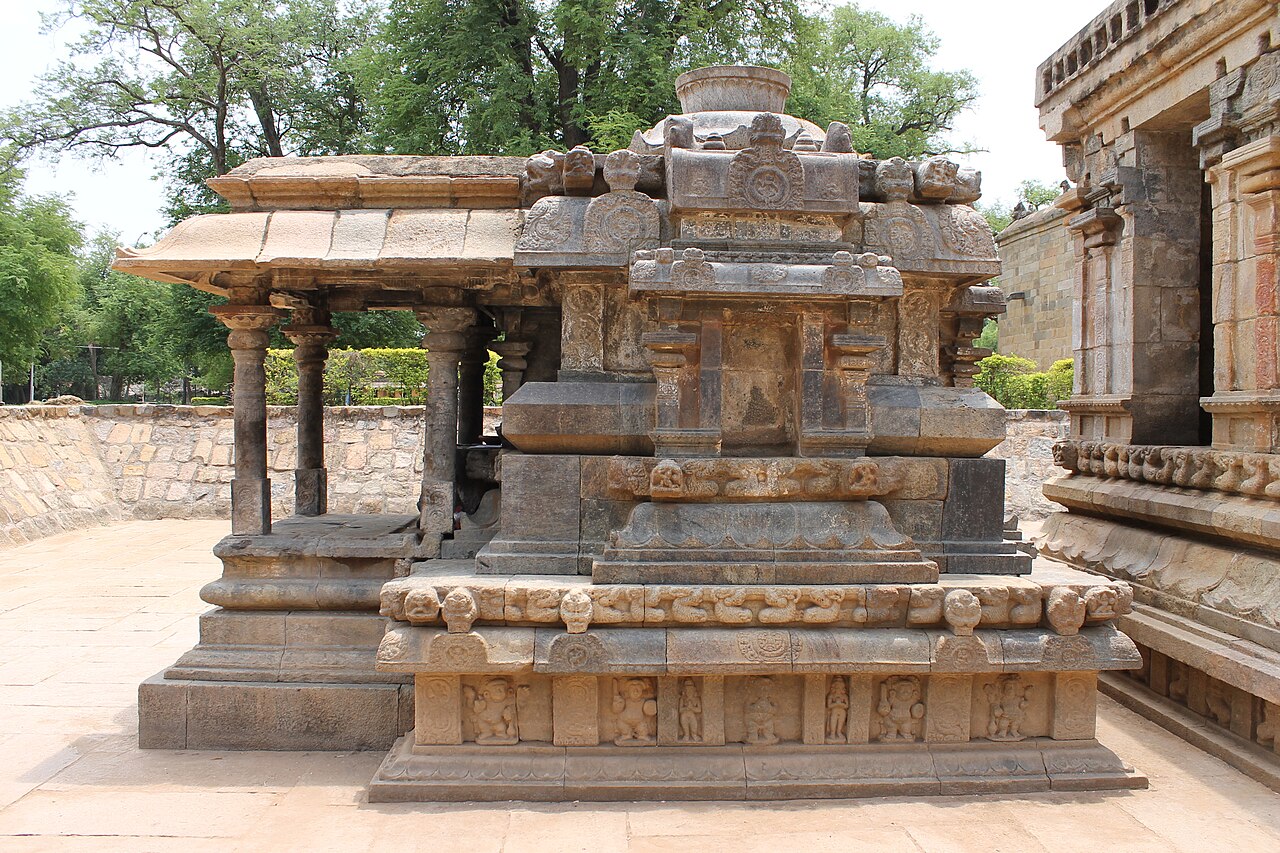
Airavatesvara Temple, Darasuram
Darasuram (Kumbakonam) · India · temple
The third of the Great Living Chola Temples, raised by Rajaraja Chola II around 1166 CE at Darasuram near Kumbakonam: a chariot-form shrine of Lord Shiva as Airavatesvara, famed for its carved stone wheels, its singing steps, and worship that has continued for over eight centuries.
Aisanyesvara Siva Temple
Bhubaneswar · India · temple
A living thirteenth-century Shiva shrine in the Old Town of Bhubaneswar, standing close to the western wall of the great Lingaraj Temple, where a Shivalinga set within a circular yonipitha still receives daily worship in the Kalinga architectural tradition.
 Hinduism
Akhadachandi Temple
Bhubaneswar · India · temple
A tenth-century Kalinga-style shrine on the southwestern bank of Bhubaneswar's sacred Bindusagar tank, Akhadachandi Temple honours Maa Mahishasuramardini, the Goddess in her form as slayer of the buffalo demon, within the dense cluster of ancient shrines that fills the city's Old Town.
 Hinduism
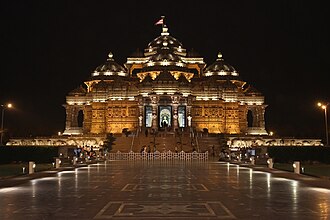
Akshardham
New Delhi · India · temple
A vast contemporary Hindu mandir campus on the Yamuna's west bank in East Delhi, raised without structural steel by 11,000 artisans and volunteers, and recognised by Guinness World Records in 2007 as the world's largest comprehensive Hindu Temple.
 Hinduism
Amarnath Temple
· India · temple
A high Himalayan cave shrine in Jammu and Kashmir where a naturally forming ice lingam is venerated as Lord Śiva, drawing one of India's great seasonal pilgrimages.
 Hinduism
Ambalappuzha Sri Krishna Temple
Ambalappuzha · India · temple
A Vaishnava shrine on the Kerala backwaters consecrated to Sri Krishna in his Parthasarathy form, counted among the seven great Temples of the former kingdom of Travancore and famed across South India for its Ambalapuzha Paal Payasam offering.