
Om Banna
Om Banna Dham · Bullet Baba Temple · Om Singh Rathore Shrine
About
Positioned along the Pali–Jodhpur highway, roughly twenty kilometres from Pali and fifty-three kilometres from Jodhpur, Om Banna Dham is one of Rajasthan's most singular places of popular devotion. Its presiding presence is not an ancient god cast in stone but a 350cc Royal Enfield Bullet bearing the registration plate RNJ 7773, the very motorcycle owned by Om Singh Rathore, venerated today under the affectionate title Om Banna, a term of honour given to Rajput young men. The shrine draws hundreds of visitors each day: travellers who pause along the highway to seek the blessings of a protective spirit before continuing their journeys.
The atmosphere at the dham is both intimate and fervent. Villagers, lorry drivers, and pilgrims alike stop to bow before the motorcycle, adorning it with garlands of marigolds, applying the tilak mark to its metal frame, and tying red threads to its handlebars in the manner offered at countless roadside shrines across the subcontinent. Incense rises in thin blue spirals, devotional folk songs fill the air, and an eternal flame burns without pause. Small bottles of liquor, coconuts, sweets, and flowers are among the offerings left in gratitude or petition, an eclectic expression of heartfelt rural faith that honours the spirit believed to watch over the distressed and the weary traveller.
History
Om Singh Rathore, a Rajput youth of Chotila given the honorific title Banna, died on 5 May 1988 when he lost control of his motorcycle and struck a tree on the road from Bangdi to Chotila. Police impounded the motorcycle at a nearby station, but it was found back beside the tree the next morning. They took it a second time, drained its fuel tank, and locked it away, yet it reappeared at the accident site again before dawn. Villagers came to see the motorcycle's return as a wonder, began offering prayers at the roadside spot, and within about a year had raised the shrine that stands there today.
Significance
For travellers on the Pali-Jodhpur highway, Om Banna has become a protector of the road itself, a folk deity of the kind long honoured across Rajasthan for those who died sudden deaths at liminal places. Devotees who stop tie red thread and apply tilak in his memory, believing that a journey continued without pausing to pray here invites misfortune. The motorcycle at the heart of the shrine, now kept in a glass case, is a striking instance of Hindu folk devotion consecrating an object of the modern world rather than an ancient image.
Architecture
Open-air roadside folk shrine; a canopied lattice structure has grown up around the motorcycle rather than following any classical Temple form
Visiting
Hours
Hours not listed.
Contact
No contact details listed yet.
Engage with Om Banna
Through the four pathways
Seva सेवा — Service
Offer your time and skills here. The following opportunities are open at Om Banna:
No Seva offerings listed yet.
Sādhana साधना — Practice
Learn the worship and practice associated with Om Banna:
No Sādhana offerings listed yet.
Sandhāna सन्धान — Wisdom
Unite with the wisdom of this tradition:
No Sandhāna offerings listed yet.
Sādhya साध्य — Giving
Support this sacred place according to your means:
No Sādhya offerings listed yet.
All giving flows directly to Om Banna. Adisthan does not take a commission.
Gallery
Related sacred places
 Hinduism
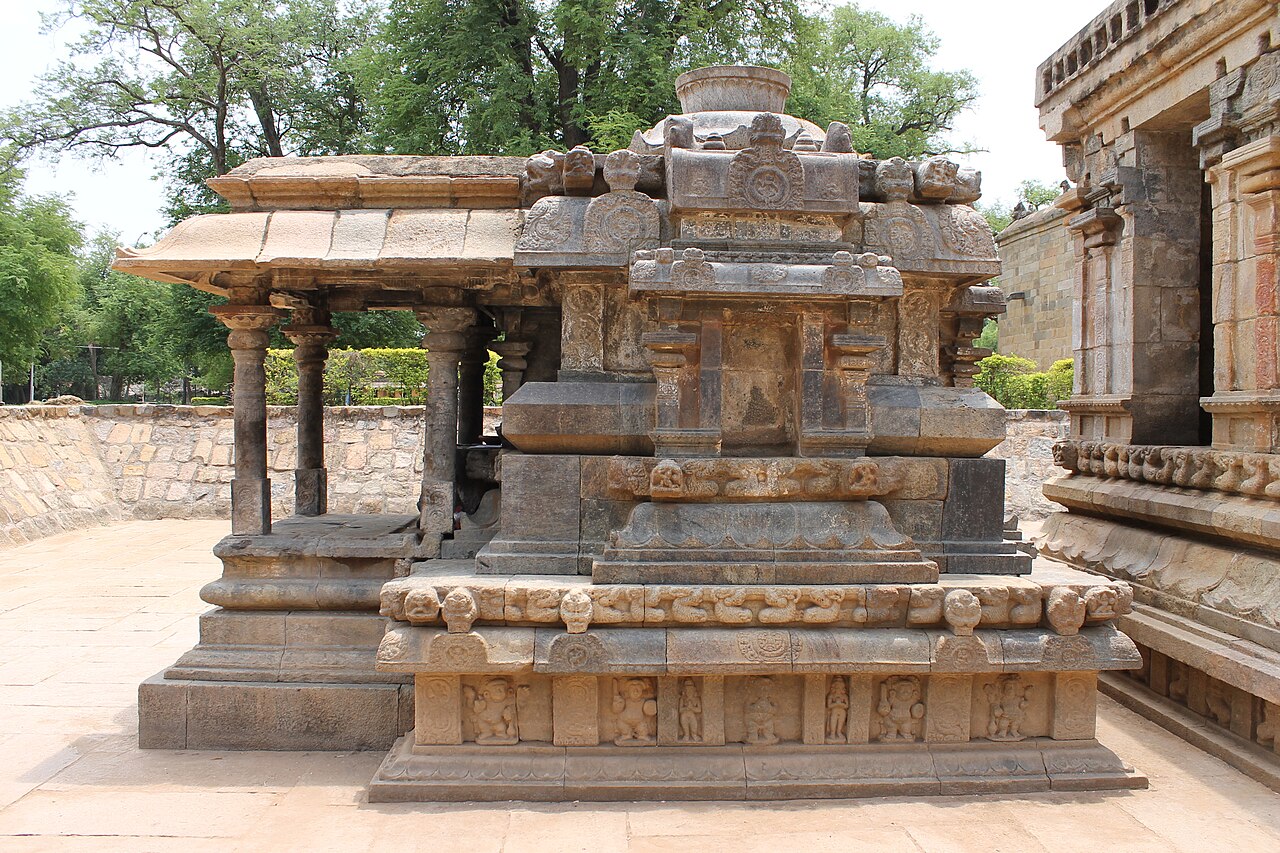
Airavatesvara Temple, Darasuram
Darasuram (Kumbakonam) · India · temple
The third of the Great Living Chola Temples, raised by Rajaraja Chola II around 1166 CE at Darasuram near Kumbakonam: a chariot-form shrine of Lord Shiva as Airavatesvara, famed for its carved stone wheels, its singing steps, and worship that has continued for over eight centuries.
Aisanyesvara Siva Temple
Bhubaneswar · India · temple
A living thirteenth-century Shiva shrine in the Old Town of Bhubaneswar, standing close to the western wall of the great Lingaraj Temple, where a Shivalinga set within a circular yonipitha still receives daily worship in the Kalinga architectural tradition.
 Hinduism
Akhadachandi Temple
Bhubaneswar · India · temple
A tenth-century Kalinga-style shrine on the southwestern bank of Bhubaneswar's sacred Bindusagar tank, Akhadachandi Temple honours Maa Mahishasuramardini, the Goddess in her form as slayer of the buffalo demon, within the dense cluster of ancient shrines that fills the city's Old Town.
 Hinduism
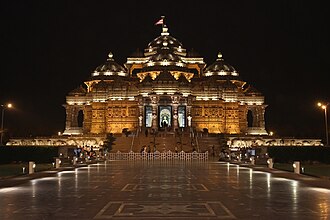
Akshardham
New Delhi · India · temple
A vast contemporary Hindu mandir campus on the Yamuna's west bank in East Delhi, raised without structural steel by 11,000 artisans and volunteers, and recognised by Guinness World Records in 2007 as the world's largest comprehensive Hindu Temple.
 Hinduism
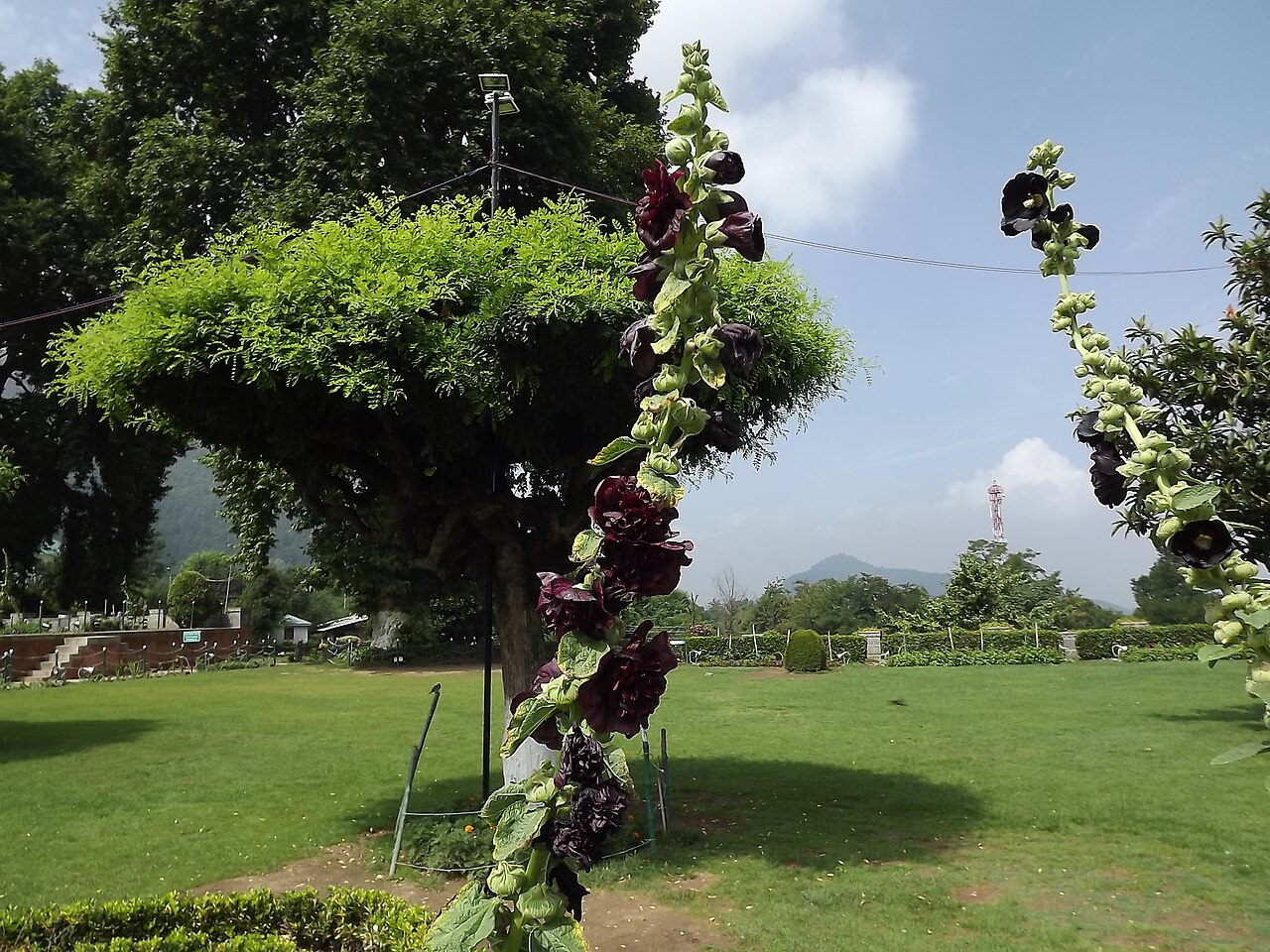
Amarnath Temple
· India · temple
A high Himalayan cave shrine in Jammu and Kashmir where a naturally forming ice lingam is venerated as Lord Śiva, drawing one of India's great seasonal pilgrimages.
 Hinduism
Ambalappuzha Sri Krishna Temple
Ambalappuzha · India · temple
A Vaishnava shrine on the Kerala backwaters consecrated to Sri Krishna in his Parthasarathy form, counted among the seven great Temples of the former kingdom of Travancore and famed across South India for its Ambalapuzha Paal Payasam offering.