Pura Ulun Danu Bratan
Pura Bratan · Pura Ulun Danu Beratan · Ulun Danu Beratan Temple
About
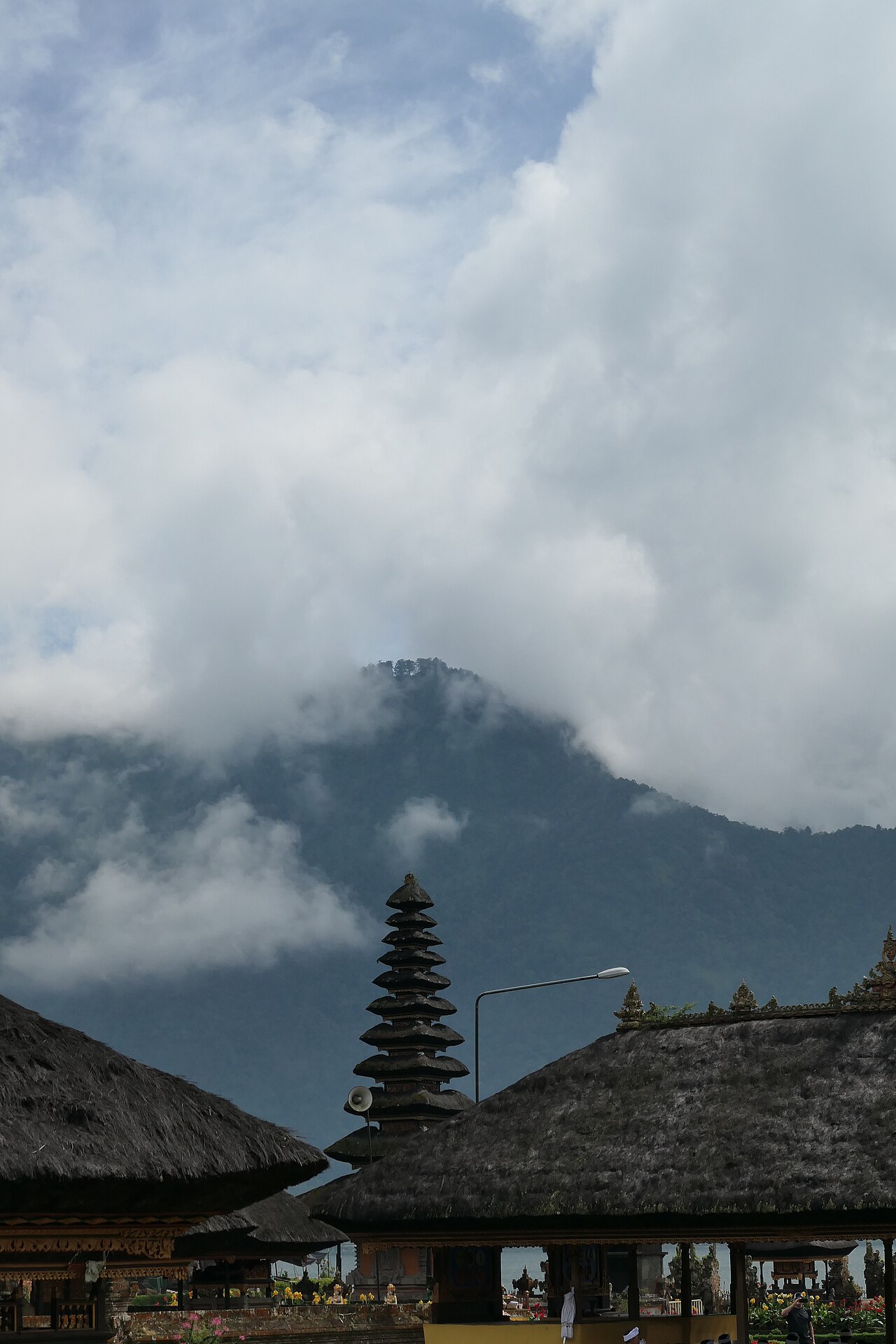
Pura Ulun Danu Bratan, also known as Pura Bratan, stands among the foremost Hindu Shaivite Temples of Bali, Indonesia, set against a highland landscape near Bedugul on the shores of Lake Beratan. When the waters of the Bratan River rise, the shrines appear to float upon the lake's surface, an apparition that has earned the Temple the affectionate name "the Bali Temple on the Lake."
Like all Balinese pura, the complex takes the form of an open-air sanctuary within walled enclosures, entered through ornately carved gateways that stand without doors, welcoming all who approach. The plan follows the traditional three-courtyard arrangement prescribed by ancient Lontar manuscripts: an outer yard for communal and festive gatherings, a middle yard where offerings are readied and sacred implements stored, and an inner sanctum housing the shrines and the living heart of worship.
The meru towers, tiered pagoda-like structures with thatched roofs rising in odd numbers according to the rank of each deity, define the Temple's skyline. Most prominent is an eleven-tiered pelinggih meru dedicated jointly to Shiva and his consort Maa Parvati. Alongside the principal Hindu shrines, five additional sanctuaries honour other deities of the tradition. A modest Buddhist stupa also graces the site, positioned outside the main inner compound and facing south, its presence a quiet testament to Bali's history of religious harmony.
The entire complex was established in 1633 as a centre of offerings and ceremony for Dewi Danu, the Balinese goddess of water, lakes, and rivers. The waters of Lake Bratan supply much of central Bali's agricultural irrigation, and this pura sits at the spiritual apex of a network of smaller water Temples, each serving its own subak, the traditional irrigation association, downstream.
History
Balinese chronicles place the pura's founding in 1633, when it was raised as the ritual centre for offerings to Dewi Danu, whose lake sustains the region's rice-growing communities through the outflow of the Bratan River. Like every pura in Bali, the complex follows the three-courtyard plan set down in the old Lontar manuscripts: an outer yard for gathering, a middle yard where offerings are prepared, and an inner sanctum holding the shrines themselves. Downstream, a chain of smaller water Temples draws its ritual authority from this one, each tied to a subak, the traditional cooperative that shares the lake's water among the rice fields it serves.
Significance
The eleven-tiered meru at the heart of the complex honours Lord Shiva together with Dewi Parvati, its thatched roofs rising in the odd numbers that mark a shrine's rank in Balinese practice. A Buddhist stupa stands quietly outside the main walls, facing south, a small and long-settled sign of how Bali's traditions have shared this ground. When cloud sits low on the lake, the shrines seem to float on the water, the vision that gave the Temple its familiar name, the pura on the lake.
Architecture
Balinese pura architecture; three-courtyard plan with tiered thatched-roof meru shrines
Visiting
Hours
Hours not listed.
Contact
No contact details listed yet.
Engage with Pura Ulun Danu Bratan
Through the four pathways
Seva सेवा — Service
Offer your time and skills here. The following opportunities are open at Pura Ulun Danu Bratan:
No Seva offerings listed yet.
Sādhana साधना — Practice
Learn the worship and practice associated with Pura Ulun Danu Bratan:
No Sādhana offerings listed yet.
Sandhāna सन्धान — Wisdom
Unite with the wisdom of this tradition:
No Sandhāna offerings listed yet.
Sādhya साध्य — Giving
Support this sacred place according to your means:
No Sādhya offerings listed yet.
All giving flows directly to Pura Ulun Danu Bratan. Adisthan does not take a commission.
Festivals & Events
- Jan
Galungan
13 January 2027 · annual
The victory of dharma over adharma, when ancestral spirits are believed to visit the earth and every pura in Bali, this one included, fills with offerings and processions of pratima.
- Jan
Kuningan
23 January 2027 · annual
The closing day of the Galungan cycle, when the ancestors are sent back with offerings of yellow rice, marked at Pura Ulun Danu Bratan alongside every Temple across the island.
Gallery
Related sacred places
 Hinduism
Airavatesvara Temple, Darasuram
Darasuram (Kumbakonam) · India · temple
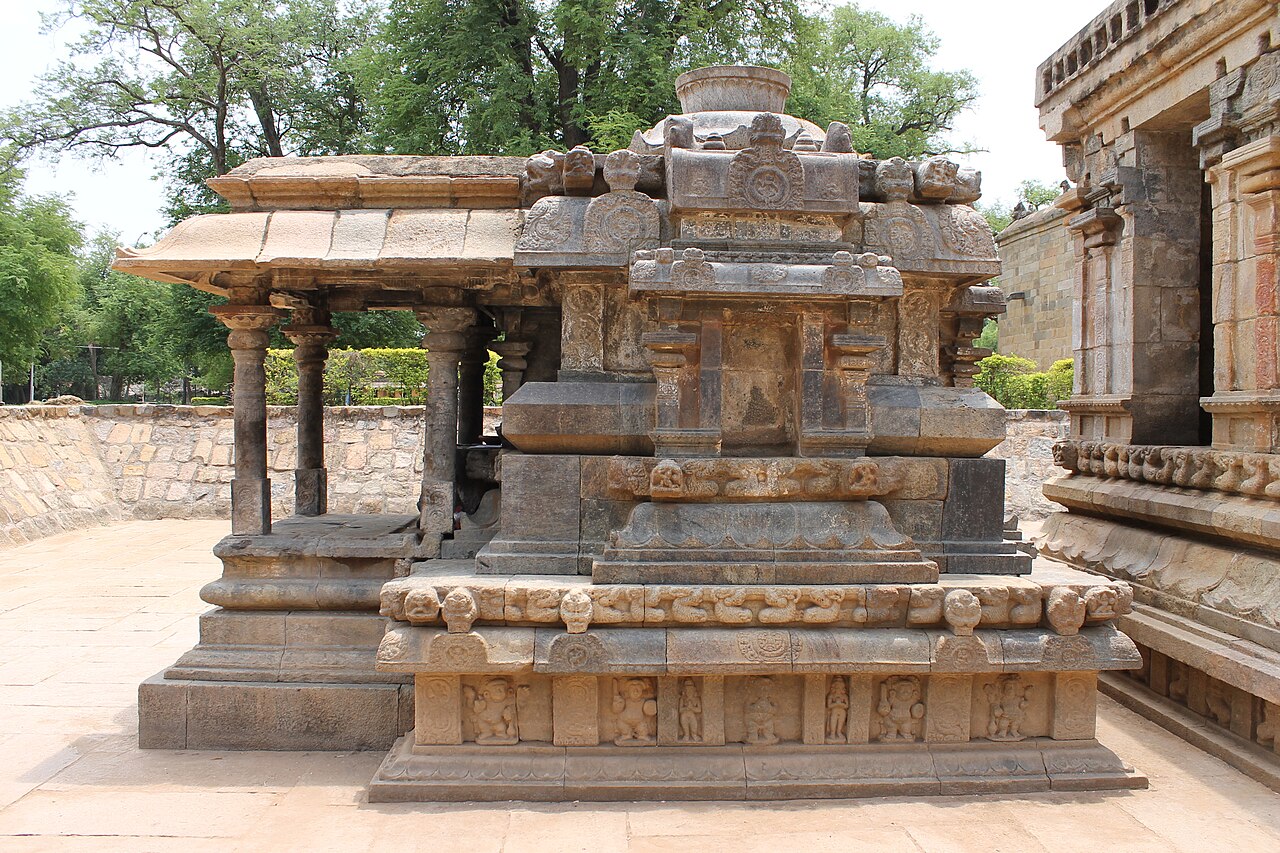
The third of the Great Living Chola Temples, raised by Rajaraja Chola II around 1166 CE at Darasuram near Kumbakonam: a chariot-form shrine of Lord Shiva as Airavatesvara, famed for its carved stone wheels, its singing steps, and worship that has continued for over eight centuries.
Aisanyesvara Siva Temple
Bhubaneswar · India · temple
A living thirteenth-century Shiva shrine in the Old Town of Bhubaneswar, standing close to the western wall of the great Lingaraj Temple, where a Shivalinga set within a circular yonipitha still receives daily worship in the Kalinga architectural tradition.
 Hinduism
Akhadachandi Temple
Bhubaneswar · India · temple
A tenth-century Kalinga-style shrine on the southwestern bank of Bhubaneswar's sacred Bindusagar tank, Akhadachandi Temple honours Maa Mahishasuramardini, the Goddess in her form as slayer of the buffalo demon, within the dense cluster of ancient shrines that fills the city's Old Town.
 Hinduism
Akshardham
New Delhi · India · temple
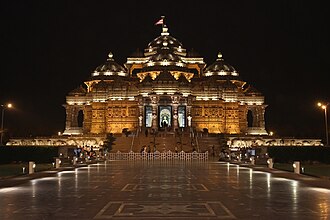
A vast contemporary Hindu mandir campus on the Yamuna's west bank in East Delhi, raised without structural steel by 11,000 artisans and volunteers, and recognised by Guinness World Records in 2007 as the world's largest comprehensive Hindu Temple.
 Hinduism
Amarnath Temple
· India · temple
A high Himalayan cave shrine in Jammu and Kashmir where a naturally forming ice lingam is venerated as Lord Śiva, drawing one of India's great seasonal pilgrimages.
 Hinduism
Ambalappuzha Sri Krishna Temple
Ambalappuzha · India · temple
A Vaishnava shrine on the Kerala backwaters consecrated to Sri Krishna in his Parthasarathy form, counted among the seven great Temples of the former kingdom of Travancore and famed across South India for its Ambalapuzha Paal Payasam offering.