Rajarani Temple
Raja Rani Temple · Indreshvara Temple (historic name)
About
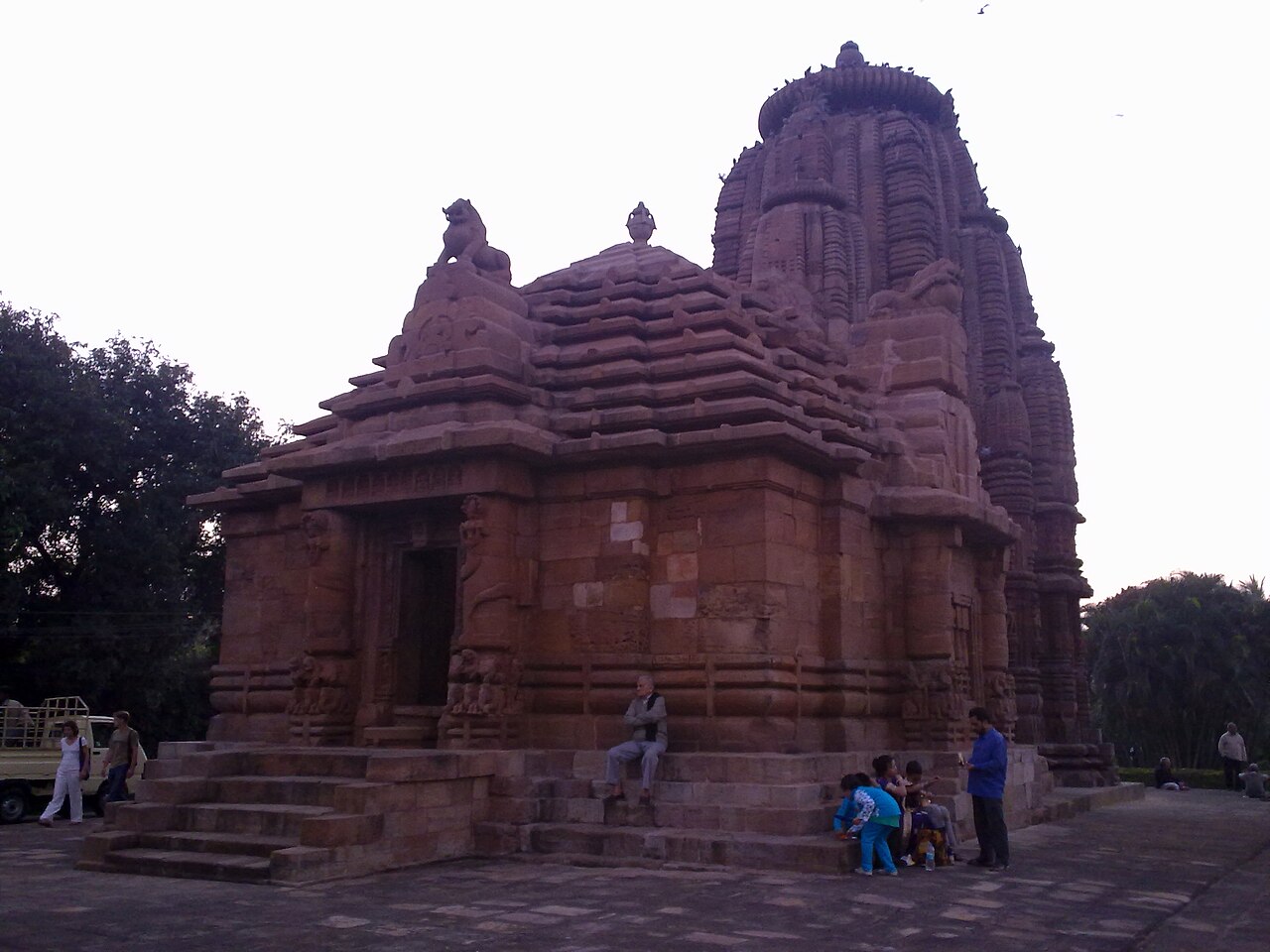
Rising from the sacred Temple city of Bhubaneswar, the Rajarani Temple stands as a refined expression of medieval Odia craftsmanship. Built from a distinctive combination of dull-red and golden-yellow sandstone, the two hues together known locally as "Rajarani", the shrine draws its name not from any royal patron but from the stone itself. No presiding deity occupies the inner sanctum today, lending the Temple an unusual, tradition-spanning quality; scholars broadly associate it with Shaivism on the evidence of its carved doorkeepers and iconographic programme.
The Temple follows the classic Odia two-part arrangement: a vimāna (the main tower-shrine) rising approximately 18 metres with a gracefully curvilinear rekha śikhara, and a jagamohana (viewing hall) with a stepped pyramidal roof. The vimāna is pancharatha in plan, meaning its outer walls project in five graduated vertical bands, giving the tower the clustered, rounded silhouette more closely associated with the Temples of Khajuraho than with most of its Bhubaneswar neighbours.
The sculptural programme is among the Temple's greatest distinctions. Tall, sinuous nāyikā figures adorn the wall surfaces in a wide repertoire of moods, attending to their toilette, cradling children, listening to music, or engaged in the gestures of intimate life. The ashtadikpālas, guardians of the eight directions, stand watch on the central projections of the tower's lower wall register, clad in diaphanous stone drapery worked with exceptional delicacy. Scenes of Shiva's divine marriage and his dance as Naṭarāja appear among the cult images, and the lintel of the jagamohana bears a seated image of Lakulīśa, founder of the Pāśupata school of Shaivism.
Each January, the Government of Odisha's Department of Tourism hosts the Rajarani Music Festival on the Temple grounds, where Hindustani, Carnatic, and Odissi classical traditions each receive equal honour, an apt gathering for a monument that itself belongs to no single sectarian claim.
History
Scholars date the Temple to the middle of the eleventh century, close in time to Bhubaneswar's Lingaraja Temple and the Jagannatha Temple at Puri, though estimates for its exact start have ranged from around 1050 to James Fergusson's proposed 1105 CE. Its jagamohana collapsed and was rebuilt in 1903. The tower's clustered, rounded form, unlike anything else built in Bhubaneswar, is thought to have influenced later Temple building as far off as Khajuraho. The Archaeological Survey of India now maintains Rajarani as a protected monument.
Significance
No image has ever stood in the sanctum, yet the Temple speaks in a Shaiva voice through the carvings that remain: Lord Shiva dancing with Maa Parvati across facade panels, guardian dvarapalas at the doorway, and Lakulisha, founder of the Pashupata school, seated on the lintel above the entrance. The walls carry Rajarani's other renown, tall nayika figures shown at their toilette, cradling a child, or catching a pet bird, carved with a warmth rarely matched elsewhere in Odisha. A local telling holds that carved naga and nagini at the entrance gave the Temple its name of king and queen, though historians trace the name instead to the rose and gold stone itself.
Architecture
Kalinga Nagara Temple architecture; pancharatha plan with a rounded, clustered rekha shikhara close in form to the towers of Khajuraho
Visiting
Hours
Hours not listed.
Contact
No contact details listed yet.
Engage with Rajarani Temple
Through the four pathways
Seva सेवा — Service
Offer your time and skills here. The following opportunities are open at Rajarani Temple:
No Seva offerings listed yet.
Sādhana साधना — Practice
Learn the worship and practice associated with Rajarani Temple:
No Sādhana offerings listed yet.
Sandhāna सन्धान — Wisdom
Unite with the wisdom of this tradition:
No Sandhāna offerings listed yet.
Sādhya साध्य — Giving
Support this sacred place according to your means:
No Sādhya offerings listed yet.
All giving flows directly to Rajarani Temple. Adisthan does not take a commission.
Festivals & Events
- Jan
Rajarani Music Festival
18 January 2027 · annual
A three-day classical music festival held on the Temple grounds by the Odisha Tourism department, giving equal place to Hindustani, Carnatic, and Odissi traditions.
Gallery
Related sacred places
 Hinduism
Airavatesvara Temple, Darasuram
Darasuram (Kumbakonam) · India · temple
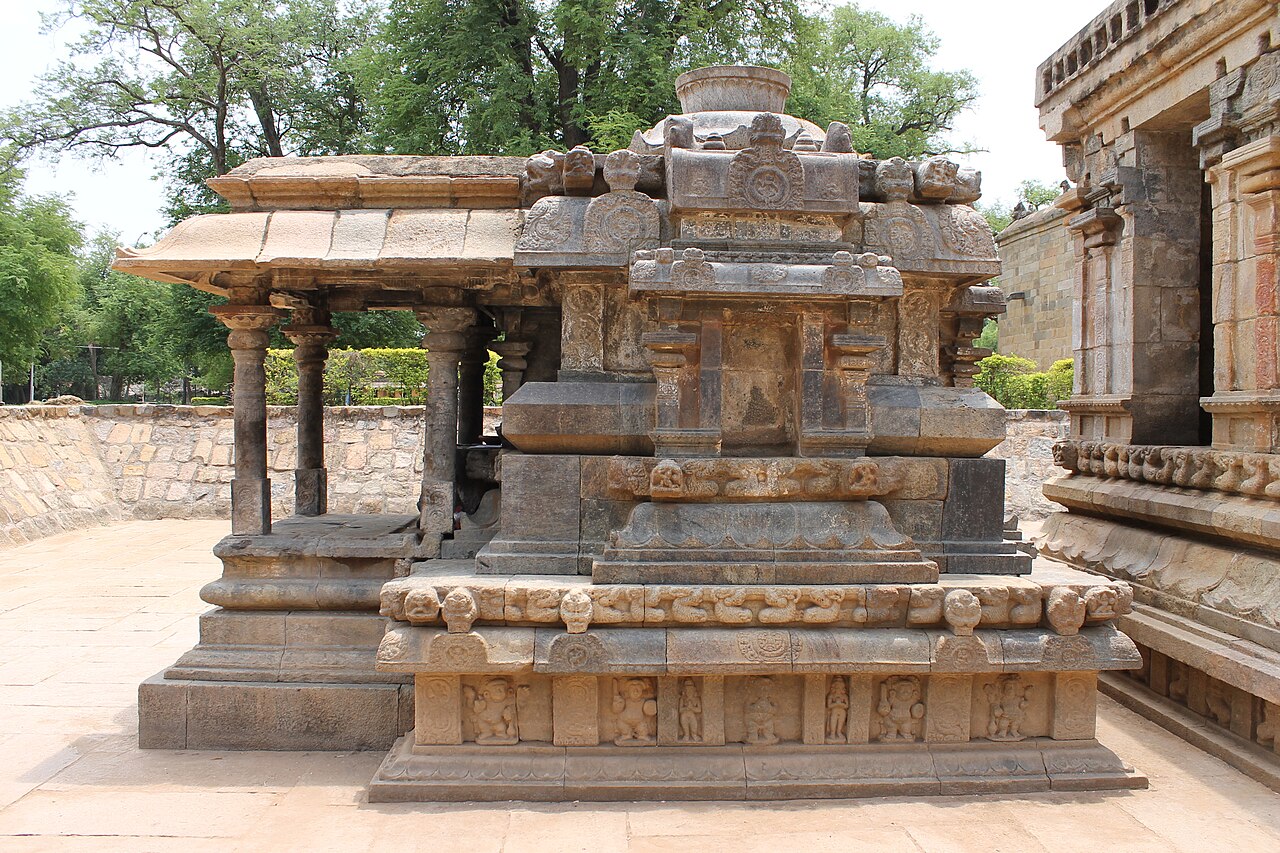
The third of the Great Living Chola Temples, raised by Rajaraja Chola II around 1166 CE at Darasuram near Kumbakonam: a chariot-form shrine of Lord Shiva as Airavatesvara, famed for its carved stone wheels, its singing steps, and worship that has continued for over eight centuries.
Aisanyesvara Siva Temple
Bhubaneswar · India · temple
A living thirteenth-century Shiva shrine in the Old Town of Bhubaneswar, standing close to the western wall of the great Lingaraj Temple, where a Shivalinga set within a circular yonipitha still receives daily worship in the Kalinga architectural tradition.
 Hinduism
Akhadachandi Temple
Bhubaneswar · India · temple
A tenth-century Kalinga-style shrine on the southwestern bank of Bhubaneswar's sacred Bindusagar tank, Akhadachandi Temple honours Maa Mahishasuramardini, the Goddess in her form as slayer of the buffalo demon, within the dense cluster of ancient shrines that fills the city's Old Town.
 Hinduism
Akshardham
New Delhi · India · temple
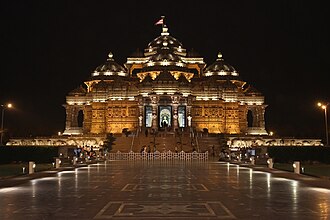
A vast contemporary Hindu mandir campus on the Yamuna's west bank in East Delhi, raised without structural steel by 11,000 artisans and volunteers, and recognised by Guinness World Records in 2007 as the world's largest comprehensive Hindu Temple.
 Hinduism
Amarnath Temple
· India · temple
A high Himalayan cave shrine in Jammu and Kashmir where a naturally forming ice lingam is venerated as Lord Śiva, drawing one of India's great seasonal pilgrimages.
 Hinduism
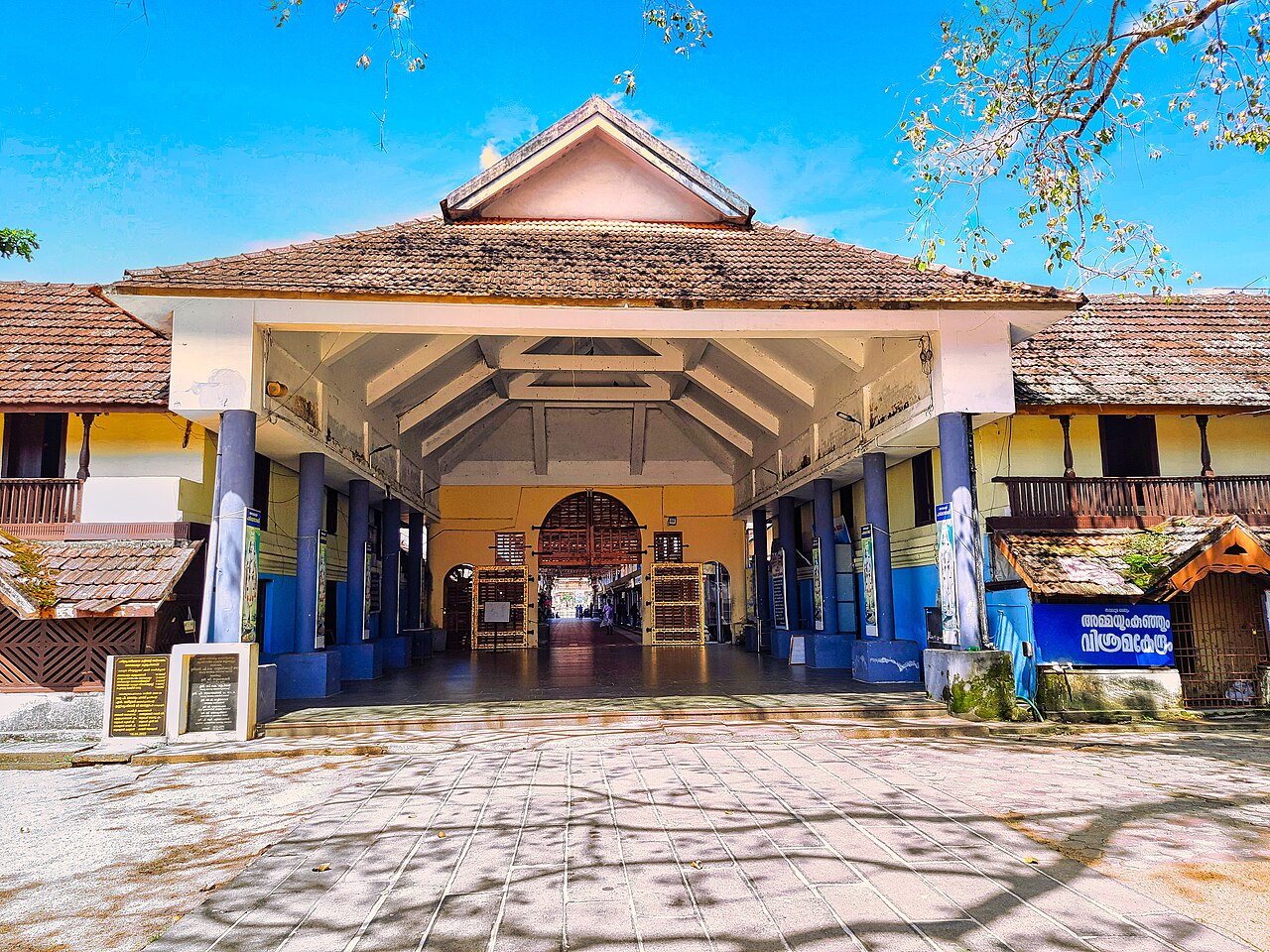
Ambalappuzha Sri Krishna Temple
Ambalappuzha · India · temple
A Vaishnava shrine on the Kerala backwaters consecrated to Sri Krishna in his Parthasarathy form, counted among the seven great Temples of the former kingdom of Travancore and famed across South India for its Ambalapuzha Paal Payasam offering.