
Sita Samahit Sthal
Sitamarhi · Sitamarhi Bankat · Sita Samahit Temple
About
Sita Samahit Sthal, also known simply as Sitamarhi, rests between the holy cities of Prayagraj and Varanasi in Uttar Pradesh, near National Highway 2 and reached from the railway station at Jangiganj. It has long been one of the cherished pilgrim destinations of the eastern, or Poorvanchal, stretch of the state.
The sanctity of the place rests upon a tender episode at the close of the Ramayana. Tradition holds that after years of dwelling in the forest hermitage of the sage Valmiki, who composed the great epic, Mata Sita came to this very ground and asked her mother, the earth, to receive her once more into her embrace. The earth opened, and Sita returned to it in dignity, leaving behind her twin sons Lava and Kusha to be reclaimed by their father, Sri Rama.
The legend joins this site to the Ashvamedha yajna performed by Sri Rama after his return to Ayodhya. As the sacrificial horse roamed the kingdoms it came into the forest near present-day Baripur in Bhadohi, where Lava and Kusha, raised in Valmiki's hermitage, halted it. In the great battle that followed they overcame Lakshmana, Bharata, Shatrughna and even bound the mighty Hanuman, until Sri Rama arrived and the family was reunited.
The Temple precinct preserves the memory of that meeting and parting, and the site is visited by devotees who come to honour Mata Sita and her sons within the very forest in which the epic itself was first composed.
History
Tradition holds that after years in the forest hermitage of the sage Valmiki, Maa Sita came to this riverside ground on the Ganga and asked Her mother, the earth, to receive Her once more. The earth opened and She returned to it, leaving behind Her twin sons Lava and Kusha, whom Sri Rama had come to reclaim after the sacrificial horse of his Ashvamedha yajna was seized in the nearby forest of Baripur. The village that grew around the site, known today as Sitamarhi or Sitamarhi Bankat, lies in Bhadohi district on the old road between Prayagraj and Varanasi.
Significance
Sita Samahit Sthal occupies a singular place in Ramayana devotion, marking what tradition remembers as Maa Sita's final return to the earth that bore Her. Pilgrims travelling the Prayagraj to Varanasi road turn aside to this bend of the Ganga, where a 110-foot statue of Lord Hanuman now watches over the ghat below.
Visiting
Hours
Hours not listed.
Contact
No contact details listed yet.
Engage with Sita Samahit Sthal
Through the four pathways
Seva सेवा — Service
Offer your time and skills here. The following opportunities are open at Sita Samahit Sthal:
No Seva offerings listed yet.
Sādhana साधना — Practice
Learn the worship and practice associated with Sita Samahit Sthal:
No Sādhana offerings listed yet.
Sandhāna सन्धान — Wisdom
Unite with the wisdom of this tradition:
No Sandhāna offerings listed yet.
Sādhya साध्य — Giving
Support this sacred place according to your means:
No Sādhya offerings listed yet.
All giving flows directly to Sita Samahit Sthal. Adisthan does not take a commission.
Gallery
Related sacred places
 Hinduism
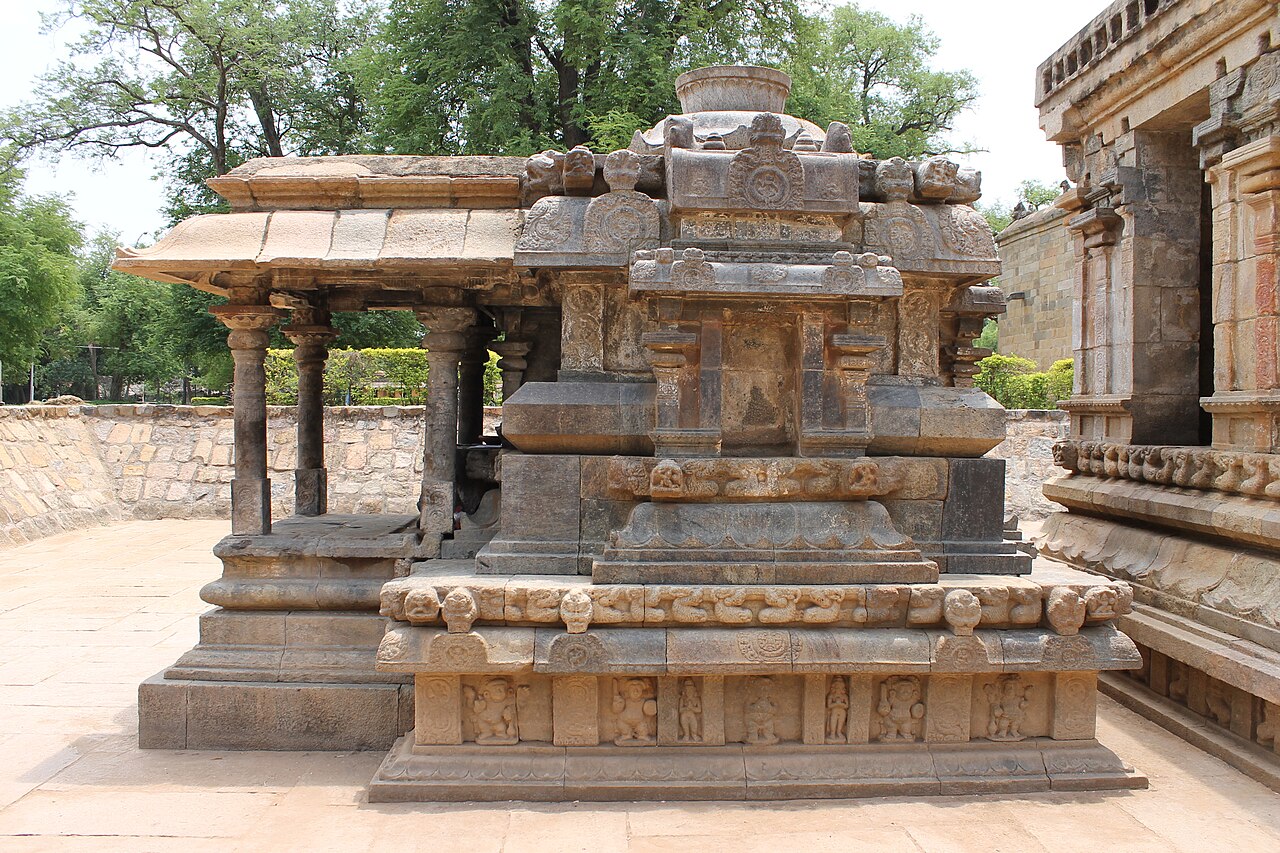
Airavatesvara Temple, Darasuram
Darasuram (Kumbakonam) · India · temple
The third of the Great Living Chola Temples, raised by Rajaraja Chola II around 1166 CE at Darasuram near Kumbakonam: a chariot-form shrine of Lord Shiva as Airavatesvara, famed for its carved stone wheels, its singing steps, and worship that has continued for over eight centuries.
Aisanyesvara Siva Temple
Bhubaneswar · India · temple
A living thirteenth-century Shiva shrine in the Old Town of Bhubaneswar, standing close to the western wall of the great Lingaraj Temple, where a Shivalinga set within a circular yonipitha still receives daily worship in the Kalinga architectural tradition.
 Hinduism
Akhadachandi Temple
Bhubaneswar · India · temple
A tenth-century Kalinga-style shrine on the southwestern bank of Bhubaneswar's sacred Bindusagar tank, Akhadachandi Temple honours Maa Mahishasuramardini, the Goddess in her form as slayer of the buffalo demon, within the dense cluster of ancient shrines that fills the city's Old Town.
 Hinduism
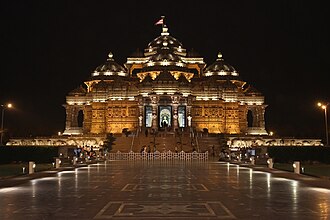
Akshardham
New Delhi · India · temple
A vast contemporary Hindu mandir campus on the Yamuna's west bank in East Delhi, raised without structural steel by 11,000 artisans and volunteers, and recognised by Guinness World Records in 2007 as the world's largest comprehensive Hindu Temple.
 Hinduism
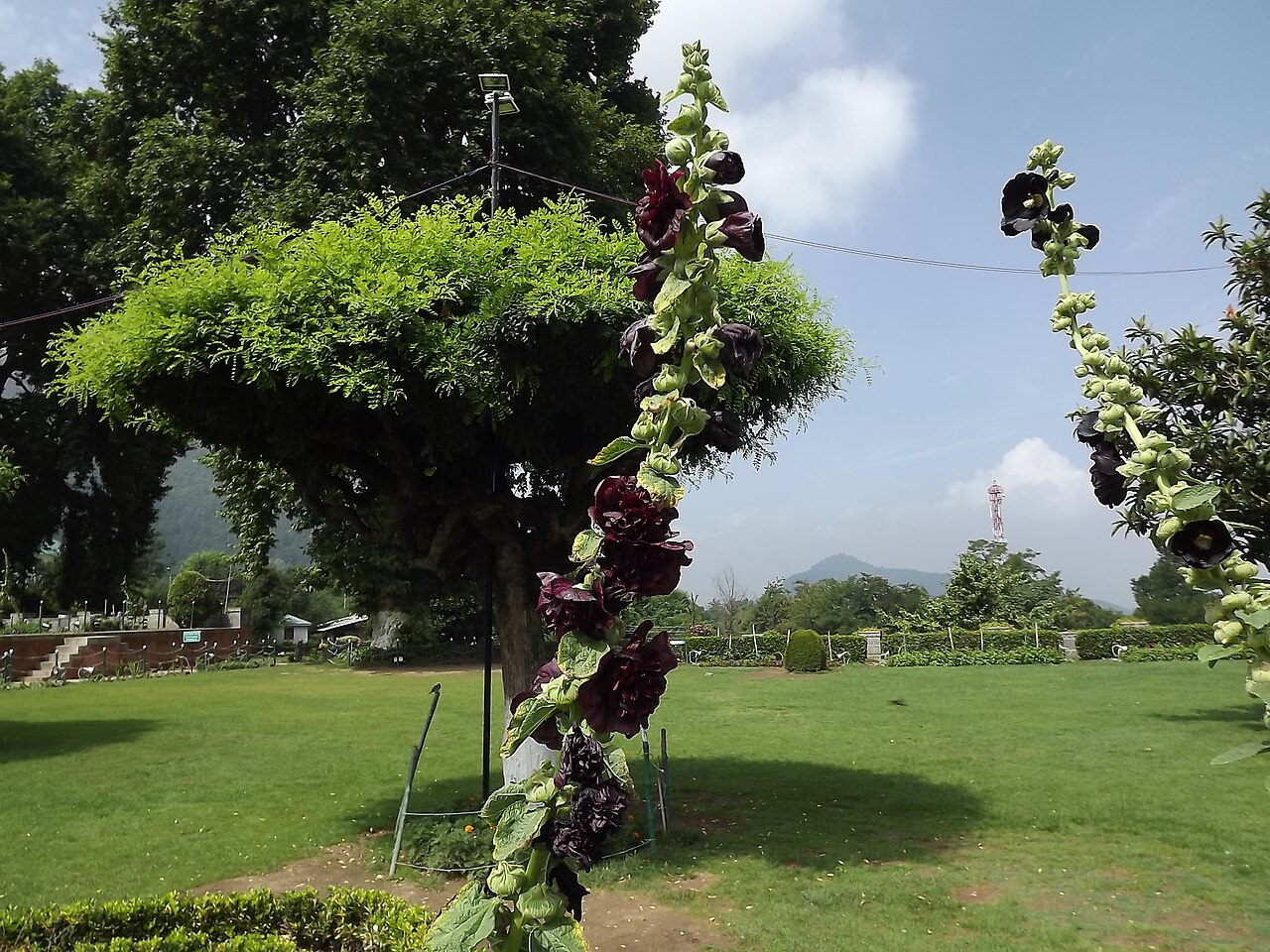
Amarnath Temple
· India · temple
A high Himalayan cave shrine in Jammu and Kashmir where a naturally forming ice lingam is venerated as Lord Śiva, drawing one of India's great seasonal pilgrimages.
 Hinduism
Ambalappuzha Sri Krishna Temple
Ambalappuzha · India · temple
A Vaishnava shrine on the Kerala backwaters consecrated to Sri Krishna in his Parthasarathy form, counted among the seven great Temples of the former kingdom of Travancore and famed across South India for its Ambalapuzha Paal Payasam offering.