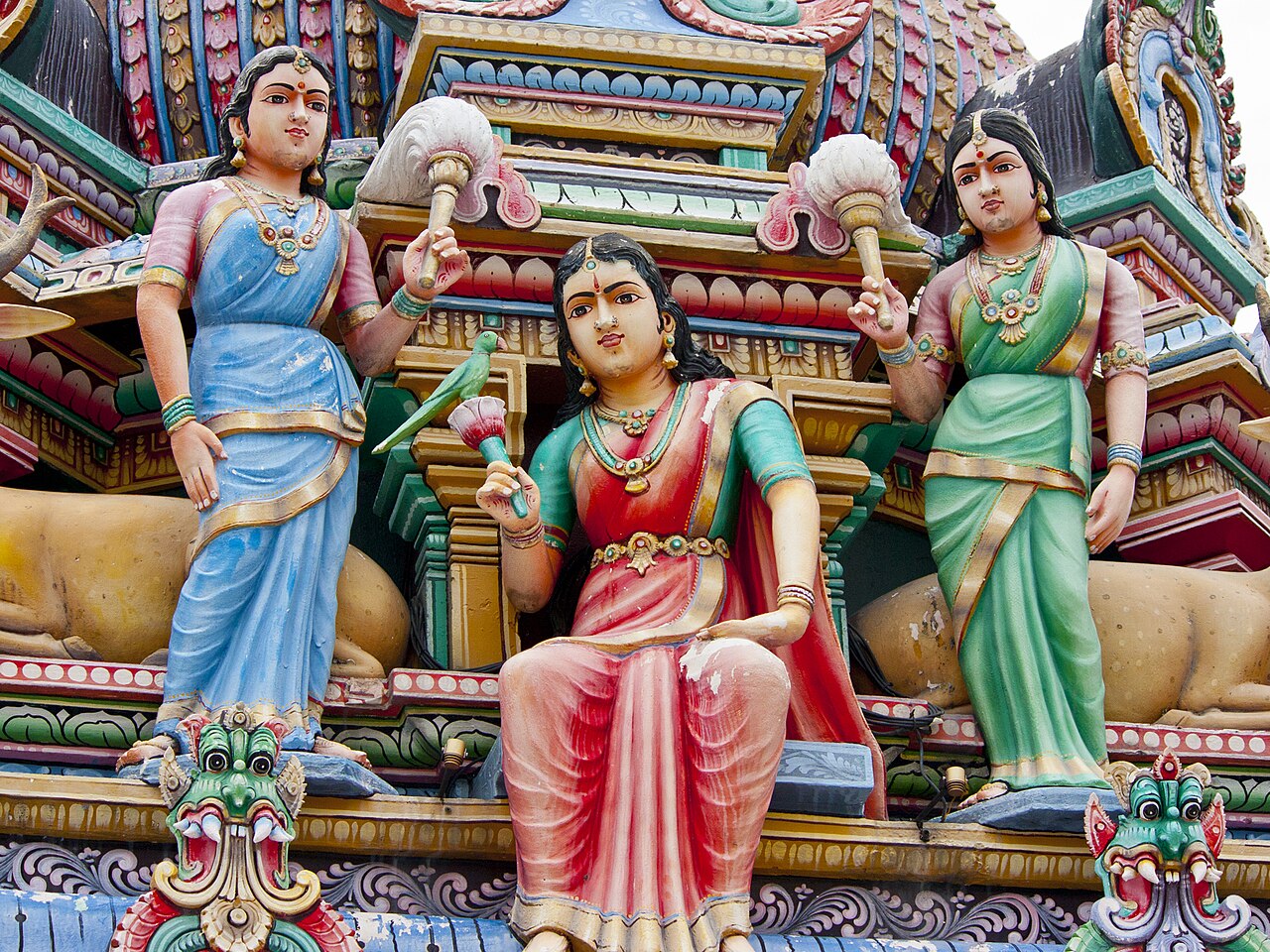
Sri Mariamman Temple, Singapore
Sri Mariamman Kovil · Sithi Vinayagar and Gothanda Ramaswamy Mariamman Temple · ஸ்ரீ மாரியம்மன் கோவில்
About
Standing at 244 South Bridge Road in the heart of Chinatown, Sri Mariamman Temple has anchored Tamil Hindu life in Singapore for nearly two centuries. Constructed according to Dravidian sacred principles, it functions as an agamic Temple, meaning its rituals and spatial organisation follow the South Indian Āgama tradition, and serves as the primary house of worship for the city-state's Tamil Hindu community. Its administration is entrusted to the Hindu Endowments Board, a statutory body answerable to the Ministry of Community Development, Youth and Sports.
The Temple's defining exterior feature is its soaring six-tiered gopuram, completed in 1925 to replace a slimmer three-tiered tower erected in 1903. Hundreds of brightly painted plaster sculptures of deities and celestial figures crowd each ascending tier, their scale diminishing slightly toward the summit to create the illusion of towering height. Flanking the entrance passage stand images of Murugan to the right and Krishna to the left. Massive double-leaf timber doors studded with small gold bells invite devotees to ring them as they cross the threshold, a gesture of awakening and reverence. Footwear is removed before entering, as is the custom throughout Hindu sacred space.
Within the walled compound, richly ornamented columns and ceiling frescoes, including a large maṇḍala diagram, draw the eye toward the principal shrine of the goddess Mariamman. Flanking her sanctum are shrines dedicated to Rama and Murugan, while free-standing pavilion shrines with decorated dome roofs, known as vimāna, honour Maa Durga, Ganesha, and Shiva. The shrine of Draupadi holds particular prominence, as she is central to the annual Theemithi firewalking festival observed here in the weeks before Deepavali. Beside her stand the five Pandava brothers from the Mahābhārata, Yudhishthira, Bhima, Arjuna, Nakula, and Sahadeva, presided over by Lord Krishna. A free-standing ritual flagpole, the dhvajastambham, is raised before major festivals to signal their approach to the surrounding neighbourhood.
History
Naraina Pillai, a Penang clerk who landed with Stamford Raffles in 1819, raised a modest wood and attap shrine here in 1827 and installed the small murti of Maa Mariamman still enshrined in the sanctum today. Brick construction began in 1843, much of the ornamental plasterwork carried out by craftsmen from Cuddalore and Nagapattinam, and the present six tiered gopuram replaced an earlier three tiered tower in 1925. The Temple was gazetted a National Monument on 6 July 1973.
Significance
For generations of newly arrived Tamil Hindus the Temple was refuge, marriage registry, and spiritual home together. Every twelve years it undergoes Kumbhabhishekham, the consecration believed to renew Maa Mariamman's sacred power, most recently in February 2023, and each year its grounds host Singapore's best known firewalking festival in the Goddess's honour.
Architecture
Dravidian (South Indian agamic) Temple architecture; six-tiered gopuram rebuilt 1925
Visiting
Daily worship
| Morning poojai | 07:00 to | |
| Uchikala (midday) poojai | 12:00 to | |
| Evening poojai | 18:00 to | |
| Artha Jama (night) poojai | 21:00 to |
Hours
Hours not listed.
Engage with Sri Mariamman Temple, Singapore
Through the four pathways
Seva सेवा — Service
Offer your time and skills here. The following opportunities are open at Sri Mariamman Temple, Singapore:
No Seva offerings listed yet.
Sādhana साधना — Practice
Learn the worship and practice associated with Sri Mariamman Temple, Singapore:
No Sādhana offerings listed yet.
Sandhāna सन्धान — Wisdom
Unite with the wisdom of this tradition:
No Sandhāna offerings listed yet.
Sādhya साध्य — Giving
Support this sacred place according to your means:
No Sādhya offerings listed yet.
All giving flows directly to Sri Mariamman Temple, Singapore. Adisthan does not take a commission.
Festivals & Events
- Jul
Pournami Milk Pot
29 July 2026 · annual
On each full moon devotees carry pots of milk to the Temple as an offering, a monthly rhythm of devotion kept alongside the Temple's great annual festivals such as Theemithi firewalking, whose 2026 date the Temple had not yet published at the time of this record.
Gallery
Related sacred places
 Hinduism
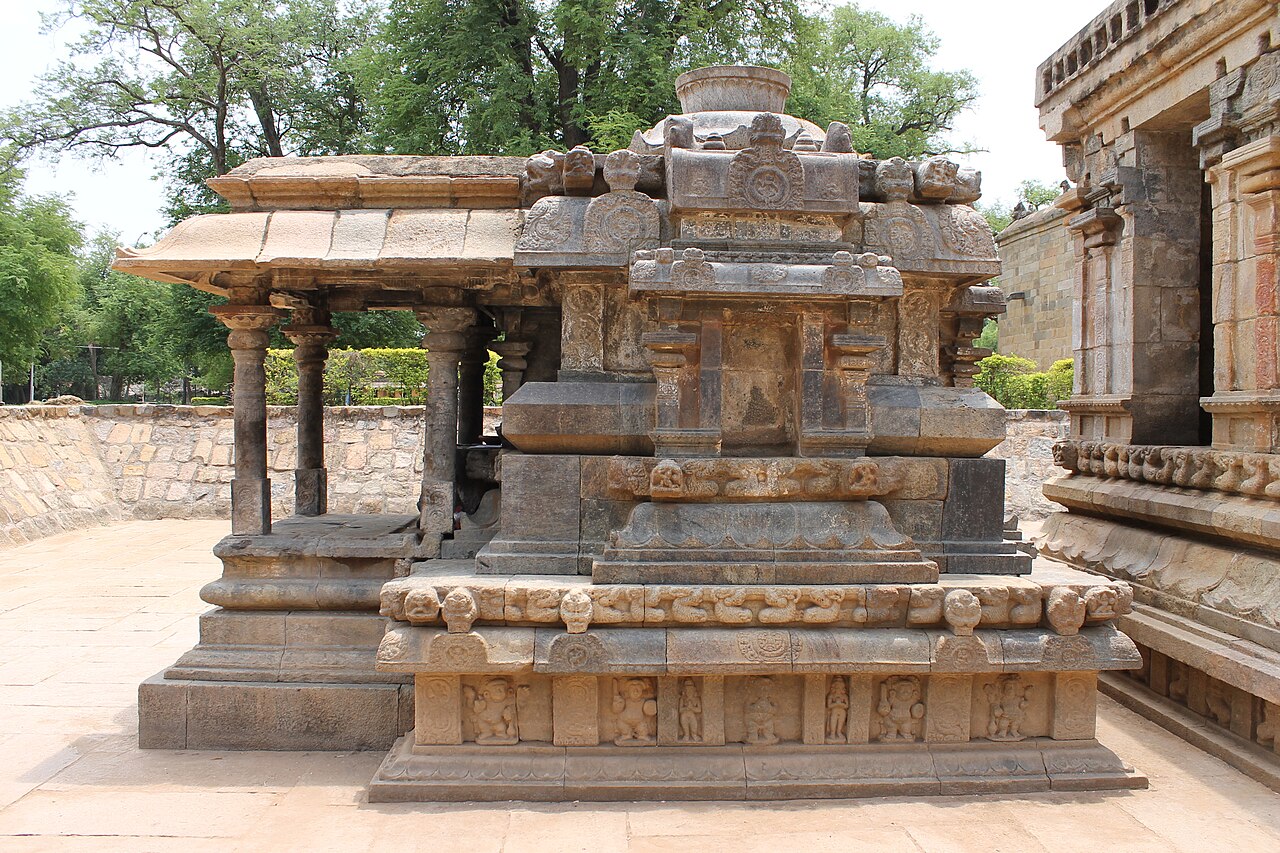
Airavatesvara Temple, Darasuram
Darasuram (Kumbakonam) · India · temple
The third of the Great Living Chola Temples, raised by Rajaraja Chola II around 1166 CE at Darasuram near Kumbakonam: a chariot-form shrine of Lord Shiva as Airavatesvara, famed for its carved stone wheels, its singing steps, and worship that has continued for over eight centuries.
Aisanyesvara Siva Temple
Bhubaneswar · India · temple
A living thirteenth-century Shiva shrine in the Old Town of Bhubaneswar, standing close to the western wall of the great Lingaraj Temple, where a Shivalinga set within a circular yonipitha still receives daily worship in the Kalinga architectural tradition.
 Hinduism
Akhadachandi Temple
Bhubaneswar · India · temple
A tenth-century Kalinga-style shrine on the southwestern bank of Bhubaneswar's sacred Bindusagar tank, Akhadachandi Temple honours Maa Mahishasuramardini, the Goddess in her form as slayer of the buffalo demon, within the dense cluster of ancient shrines that fills the city's Old Town.
 Hinduism
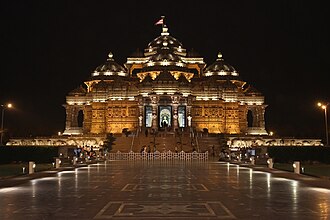
Akshardham
New Delhi · India · temple
A vast contemporary Hindu mandir campus on the Yamuna's west bank in East Delhi, raised without structural steel by 11,000 artisans and volunteers, and recognised by Guinness World Records in 2007 as the world's largest comprehensive Hindu Temple.
 Hinduism
Amarnath Temple
· India · temple
A high Himalayan cave shrine in Jammu and Kashmir where a naturally forming ice lingam is venerated as Lord Śiva, drawing one of India's great seasonal pilgrimages.
 Hinduism
Ambalappuzha Sri Krishna Temple
Ambalappuzha · India · temple
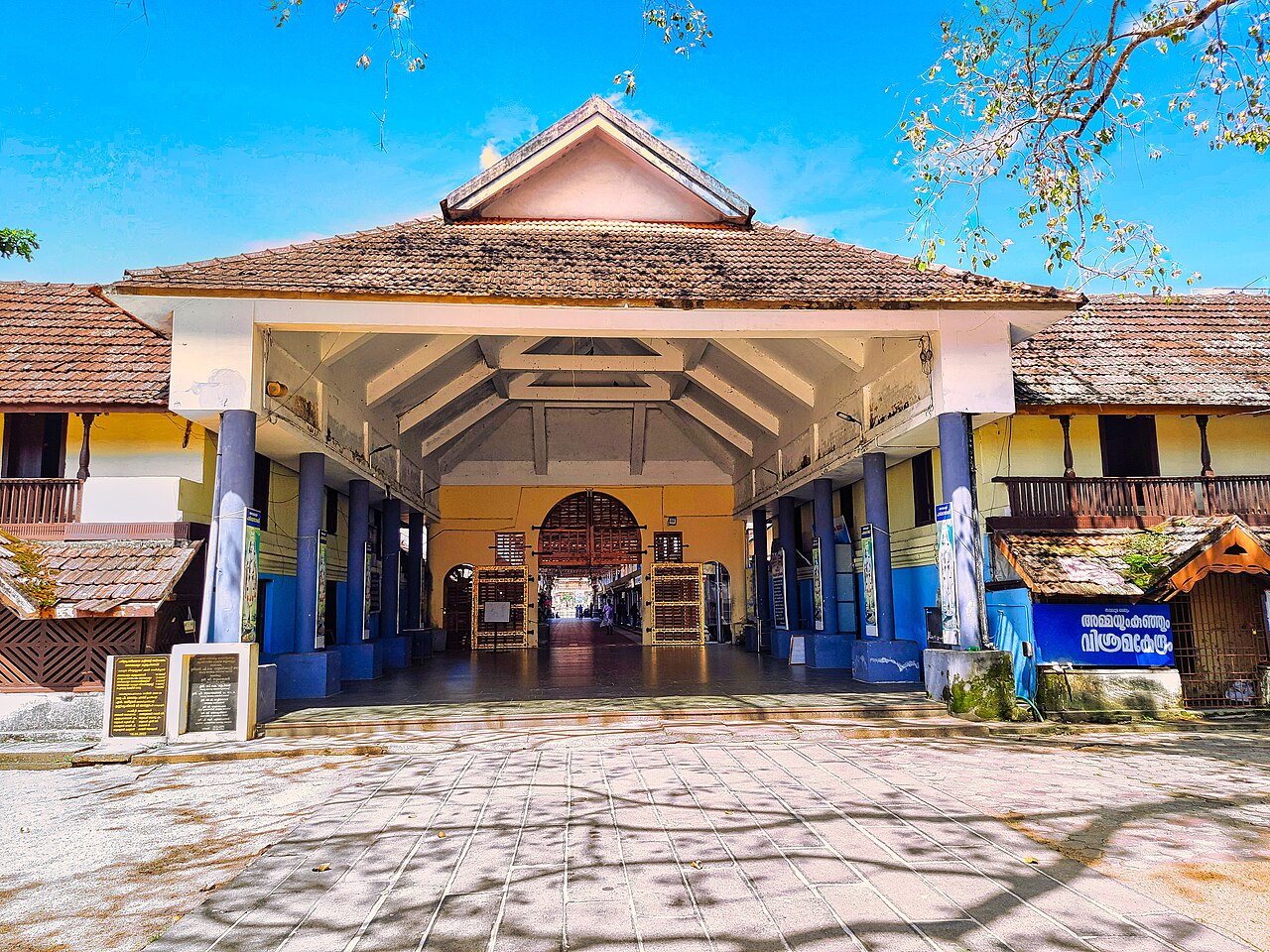
A Vaishnava shrine on the Kerala backwaters consecrated to Sri Krishna in his Parthasarathy form, counted among the seven great Temples of the former kingdom of Travancore and famed across South India for its Ambalapuzha Paal Payasam offering.