Suka Temple
About
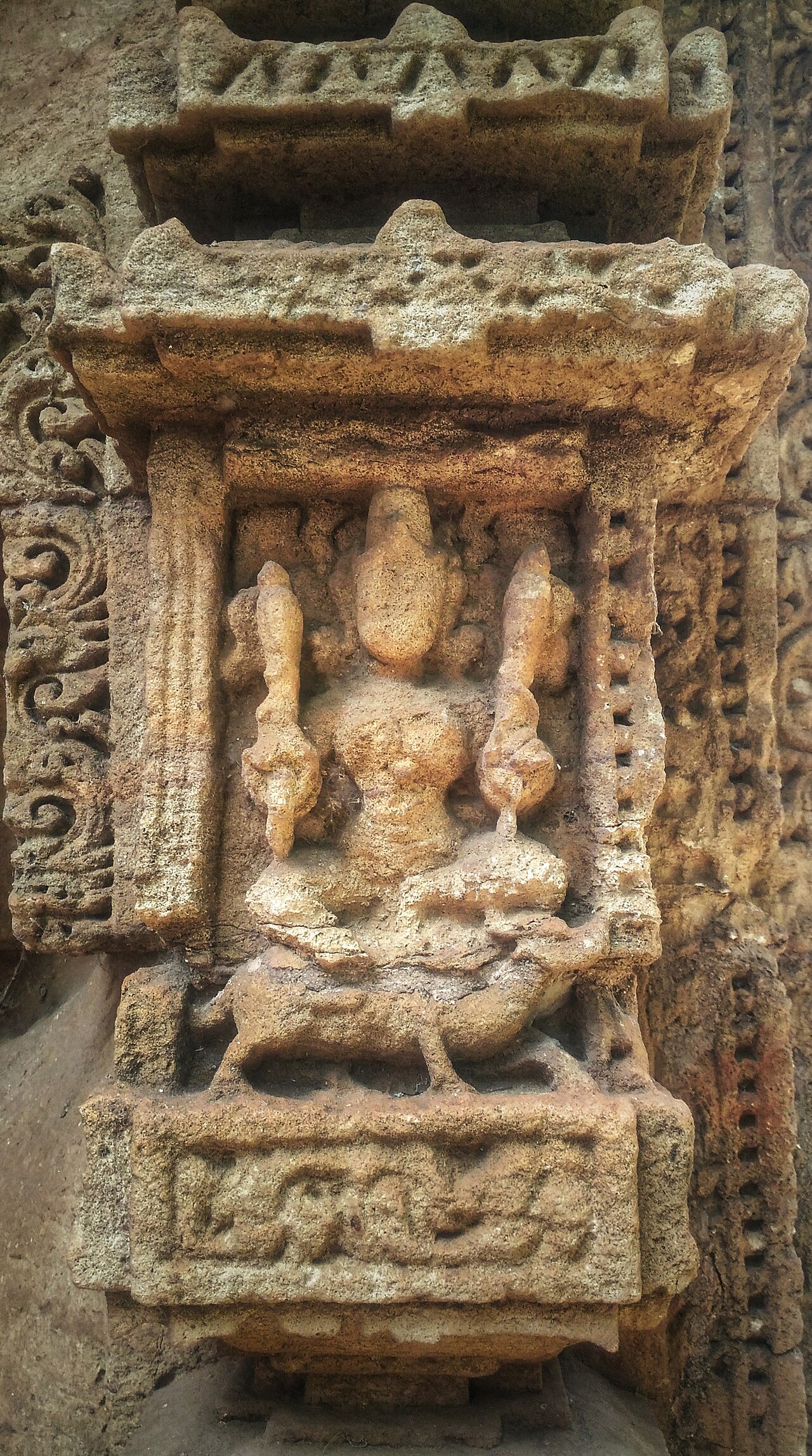
In the Uttaradaraja Badu Sahi quarter of Bhubaneswar's Old Town, along Sankarananda Street, rises the Suka Temple, a rekha deul standing barely fifty metres from the southern bank of the sacred Bindusagar tank. Facing west, the shrine has long fallen out of active worship, yet its sculptural program still speaks clearly of a Śaiva dedication, even though no image now occupies the sanctum. Scholars date its construction to the 13th century CE, during the era of Ganga rule, placing it firmly within the matured phase of Odisha's temple-building tradition.
The structure follows a saptaratha plan, its central raha projection flanked on each side by paired anuraha, anuratha, and kanika offshoots, and it is fronted by a porch that has since been rebuilt. Rising roughly eleven metres from base to summit, the tower displays the fivefold division typical of mature Kaliṅga design: a moulded pabhaga at the foot, twin bands of jangha above it separated by ornamental bandhana courses, a richly carved baranda, and a gandi crowned by the mastaka. Ten tiers of bhumi-amlas mark the kanika corners, each accompanied by its own bhumi barandi, while chaitya medallions and scrollwork animate the surface of the spire.
The three now-empty raha niches, once home to devotional images, are bordered by floral carving and flanking female figures, with a seated Gaja-Maa Lakshmi worked into the lintel above and a procession of ducks along the architrave. What distinguishes Suka Temple within its architectural family is the placement of the dikpalas, the guardian deities of the directions, in the lower wall band together with their mounts and emblems, while their female counterparts appear directly above them in the upper wall register, a pairing that gives the Temple its particular scholarly interest. The doorway itself carries three vertical bands of floral, human, and vine ornament, with Śaiva doorkeepers holding tridents at its base and the nine planetary deities carved into the architrave overhead.
History
Suka Temple was raised in the 13th century CE under the Ganga dynasty, a period that produced some of Odisha's most accomplished sacred architecture. It stands close to the Bhabanisankara Temple and the Sari deul, forming part of the dense cluster of shrines that once ringed the Bindusagar tank in old Bhubaneswar. Though its carvings identify an original dedication to Lord Śiva, the Temple has for some time stood empty of ritual use, its floor now some 1.8 metres beneath the surrounding ground level. In more recent times the Odisha State Archaeology department undertook repairs to the structure under a state Finance Commission award, helping preserve a building whose architecture remains structurally and artistically sound even in the absence of worship.
Significance
Suka Temple is valued chiefly for what it reveals about the matured phase of Odisha's temple-building tradition, a period in which the region's rekha deul form reached a settled and confident architectural vocabulary. Its particular contribution lies in the arrangement of its guardian imagery: the eight dikpalas set in the lower wall niches with their female counterparts echoed above them in the upper jangha, an iconographic choice that gives the Temple a distinct place among the many Śaiva shrines of Bhubaneswar's Old Town. Though it no longer receives worship, its carved surfaces, from the chaitya-studded spire to the doorway's planetary deities, continue to offer a record of the craftsmanship and theological imagination that shaped this historic Temple city.
Visiting
Engage with Suka Temple
Through the four pathways
Seva सेवा — Service
Offer your time and skills here. The following opportunities are open at Suka Temple:
No Seva offerings listed yet.
Sādhana साधना — Practice
Learn the worship and practice associated with Suka Temple:
No Sādhana offerings listed yet.
Sandhāna सन्धान — Wisdom
Unite with the wisdom of this tradition:
No Sandhāna offerings listed yet.
Sādhya साध्य — Giving
Support this sacred place according to your means:
No Sādhya offerings listed yet.
All giving flows directly to Suka Temple. Adisthan does not take a commission.
Gallery
Related sacred places
 Hinduism
Airavatesvara Temple, Darasuram
Darasuram (Kumbakonam) · India · temple
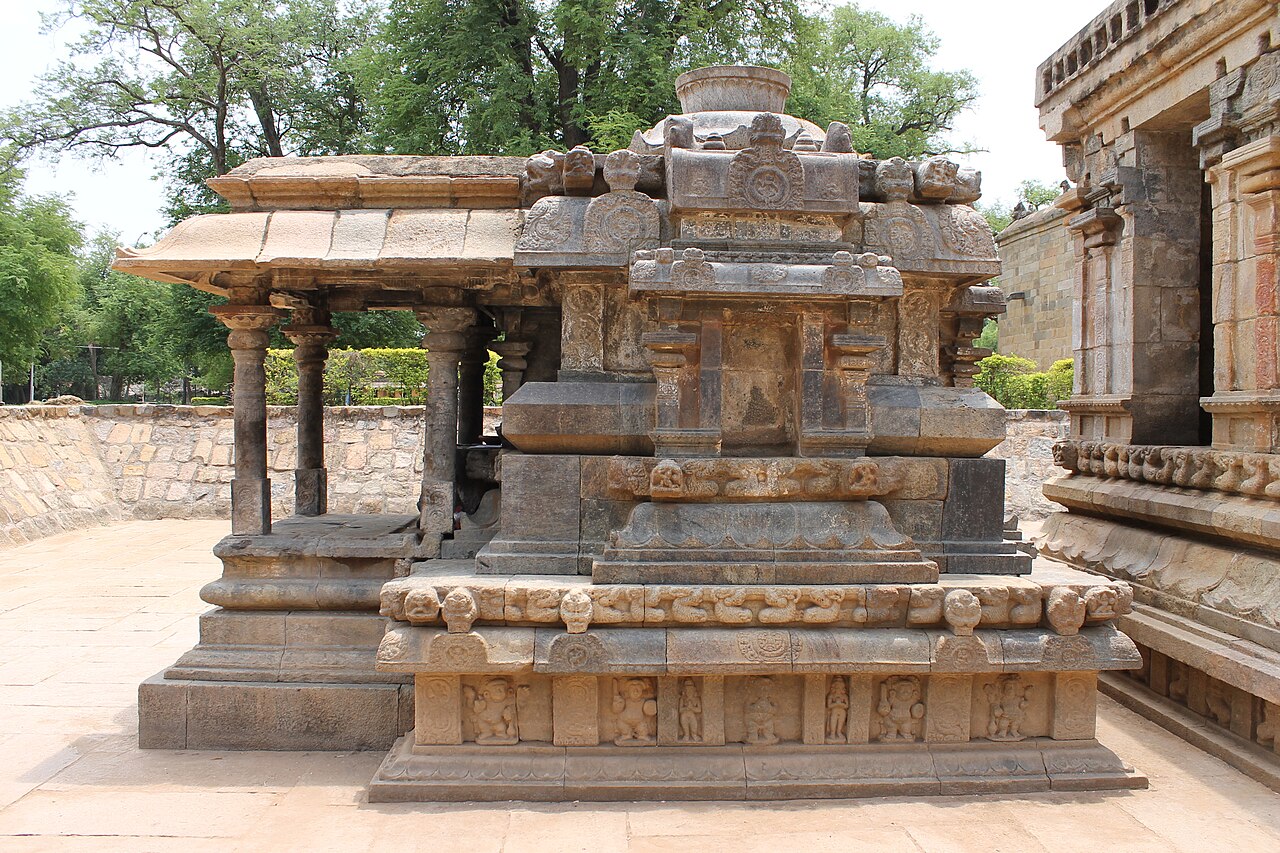
The third of the Great Living Chola Temples, raised by Rajaraja Chola II around 1166 CE at Darasuram near Kumbakonam: a chariot-form shrine of Lord Shiva as Airavatesvara, famed for its carved stone wheels, its singing steps, and worship that has continued for over eight centuries.
Aisanyesvara Siva Temple
Bhubaneswar · India · temple
A living thirteenth-century Shiva shrine in the Old Town of Bhubaneswar, standing close to the western wall of the great Lingaraj Temple, where a Shivalinga set within a circular yonipitha still receives daily worship in the Kalinga architectural tradition.
 Hinduism
Akhadachandi Temple
Bhubaneswar · India · temple
A tenth-century Kalinga-style shrine on the southwestern bank of Bhubaneswar's sacred Bindusagar tank, Akhadachandi Temple honours Maa Mahishasuramardini, the Goddess in her form as slayer of the buffalo demon, within the dense cluster of ancient shrines that fills the city's Old Town.
 Hinduism
Akshardham
New Delhi · India · temple
A vast contemporary Hindu mandir campus on the Yamuna's west bank in East Delhi, raised without structural steel by 11,000 artisans and volunteers, and recognised by Guinness World Records in 2007 as the world's largest comprehensive Hindu Temple.
 Hinduism
Amarnath Temple
· India · temple
A high Himalayan cave shrine in Jammu and Kashmir where a naturally forming ice lingam is venerated as Lord Śiva, drawing one of India's great seasonal pilgrimages.
 Hinduism
Ambalappuzha Sri Krishna Temple
Ambalappuzha · India · temple
A Vaishnava shrine on the Kerala backwaters consecrated to Sri Krishna in his Parthasarathy form, counted among the seven great Temples of the former kingdom of Travancore and famed across South India for its Ambalapuzha Paal Payasam offering.