Sydney Bahá'í Temple
Sydney Bahá'í House of Worship · Mashriqu'l-Adhkár · Mother Temple of the Antipodes · Mother Temple of the Pacific
About
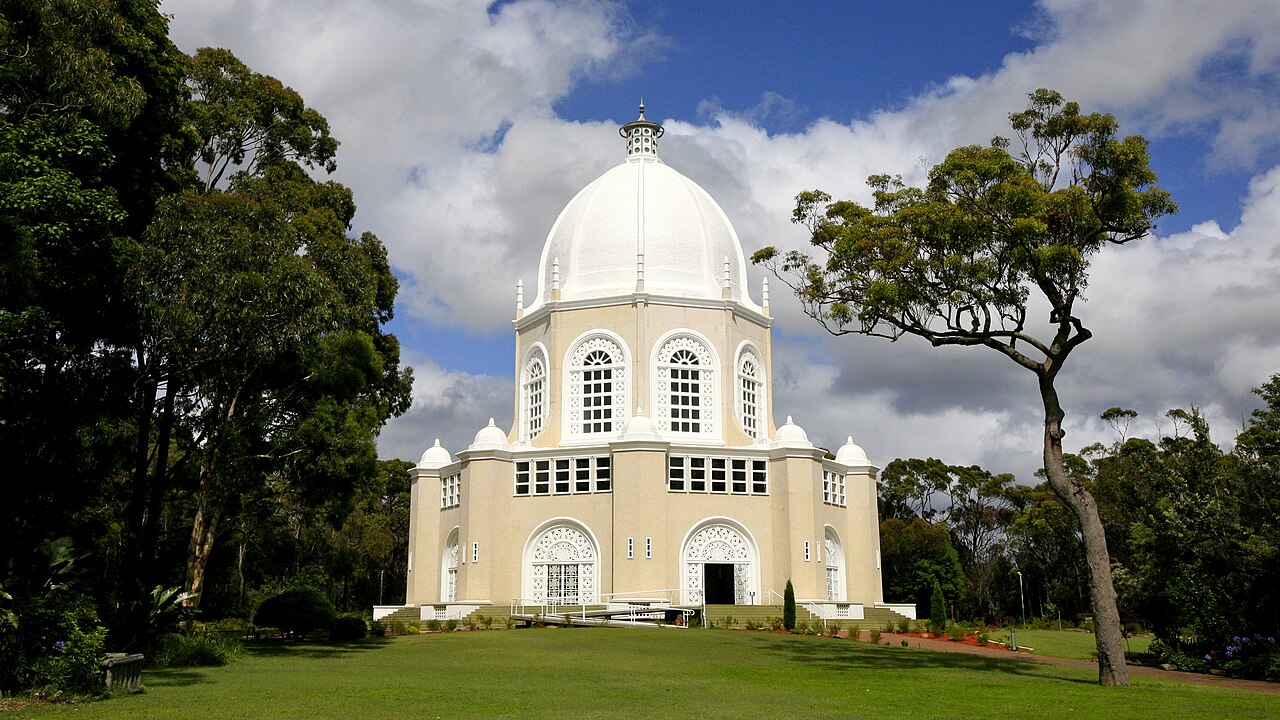
The Sydney Bahá'í House of Worship rises upon a wooded hilltop at Ingleside in the northern suburbs of Sydney, Australia, and is one of the principal continental Mashriqu'l-Adhkár of the Bahá'í Faith. Completed in 1961, it was the fourth Bahá'í House of Worship to be built and the first to serve the entire Pacific region, designated by Shoghi Effendi as the Mother Temple of the whole Pacific area and the Mother Temple of the Antipodes.
Like every Bahá'í House of Worship, the Sydney Temple is a nine-sided building open to people of every faith. Nine entrances symbolise the universality of the divine call, and a central dome rises above a serene prayer hall in which only the reading and chanting of sacred scriptures from the Bahá'í, Christian, Jewish, Muslim, Hindu, Buddhist, Zoroastrian and other traditions is offered.
The building's slender white form, set within twenty-two hectares of gardens overlooking the bushland of Sydney's northern reaches, has been recognised by Australian historians as among the most significant religious structures raised in the country during the twentieth century.
More than twenty thousand visitors come each year to the Temple, drawn by its architecture, by its open hospitality across faith communities and by its role as the principal House of Worship for the Bahá'í communities of the Pacific basin. Regular devotional gatherings welcome people of every background.
History
Sydney architect John Brogan designed the Temple, developing an earlier concept by the American Bahá'í architect Charles Mason Remey, and construction began in April 1957 on a wooded hilltop at Ingleside. A helicopter lifted the prefabricated lantern into place atop the finished dome, the first time the technique had been used in Australia, and the Temple was dedicated in September 1961, the fourth Bahá'í House of Worship raised anywhere in the world. Shoghi Effendi, then head of the Bahá'í Faith, named it the Mother Temple of the whole Pacific area and the Mother Temple of the Antipodes.
Significance
Like every Mashriqu'l-Adhkár, the Sydney Temple has nine sides and nine entrances, open equally from every direction as a sign that every path may lead to the one God. Within, only the reading and chanting of scripture is offered, drawn from the Bahá'í writings and from the Christian, Jewish, Muslim, Hindu, Buddhist and other sacred traditions alike, with no pulpit, ritual or clergy. More than twenty thousand visitors climb the hill at Ingleside each year, and a Sydney University historian counts it among the city's four most significant religious buildings raised in the twentieth century.
Architecture
Nine-sided domed Mashriqu'l-Adhkár; ribbed dome rising 38 metres above lace-like cast stone fretwork tracery in arched windows; designed by architect John Brogan from an initial concept by Charles Mason Remey
Visiting
Daily worship
| Grounds and gardens open daily | 09:00 to 17:00 | |
| Sunday public devotional gathering | 11:00 to 11:40 |
Hours
Hours not listed.
Engage with Sydney Bahá'í Temple
Through the four pathways
Seva सेवा — Service
Offer your time and skills here. The following opportunities are open at Sydney Bahá'í Temple:
No Seva offerings listed yet.
Sādhana साधना — Practice
Learn the worship and practice associated with Sydney Bahá'í Temple:
No Sādhana offerings listed yet.
Sandhāna सन्धान — Wisdom
Unite with the wisdom of this tradition:
No Sandhāna offerings listed yet.
Sādhya साध्य — Giving
Support this sacred place according to your means:
No Sādhya offerings listed yet.
All giving flows directly to Sydney Bahá'í Temple. Adisthan does not take a commission.
Gallery
Related sacred places
 Baháʼí
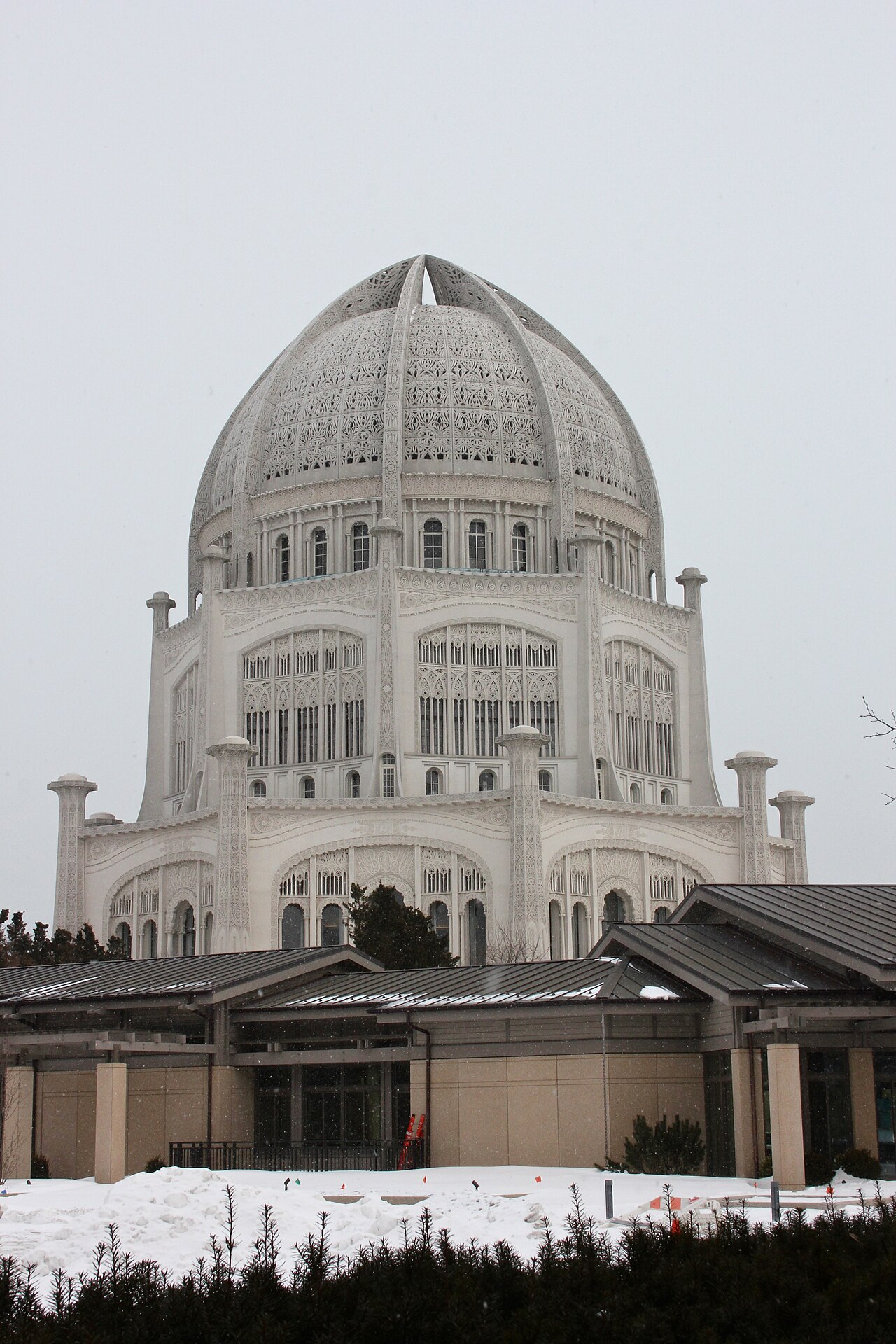
Bahá'í House of Worship for the North American Continent
Wilmette · United States · temple
The oldest Bahá'í House of Worship still standing, this nine-sided domed sanctuary rises on the shore of Lake Michigan in Wilmette, Illinois, its lace-carved facade drawing on the sacred symbols of many world religions to welcome worshippers of every background.
 Baháʼí
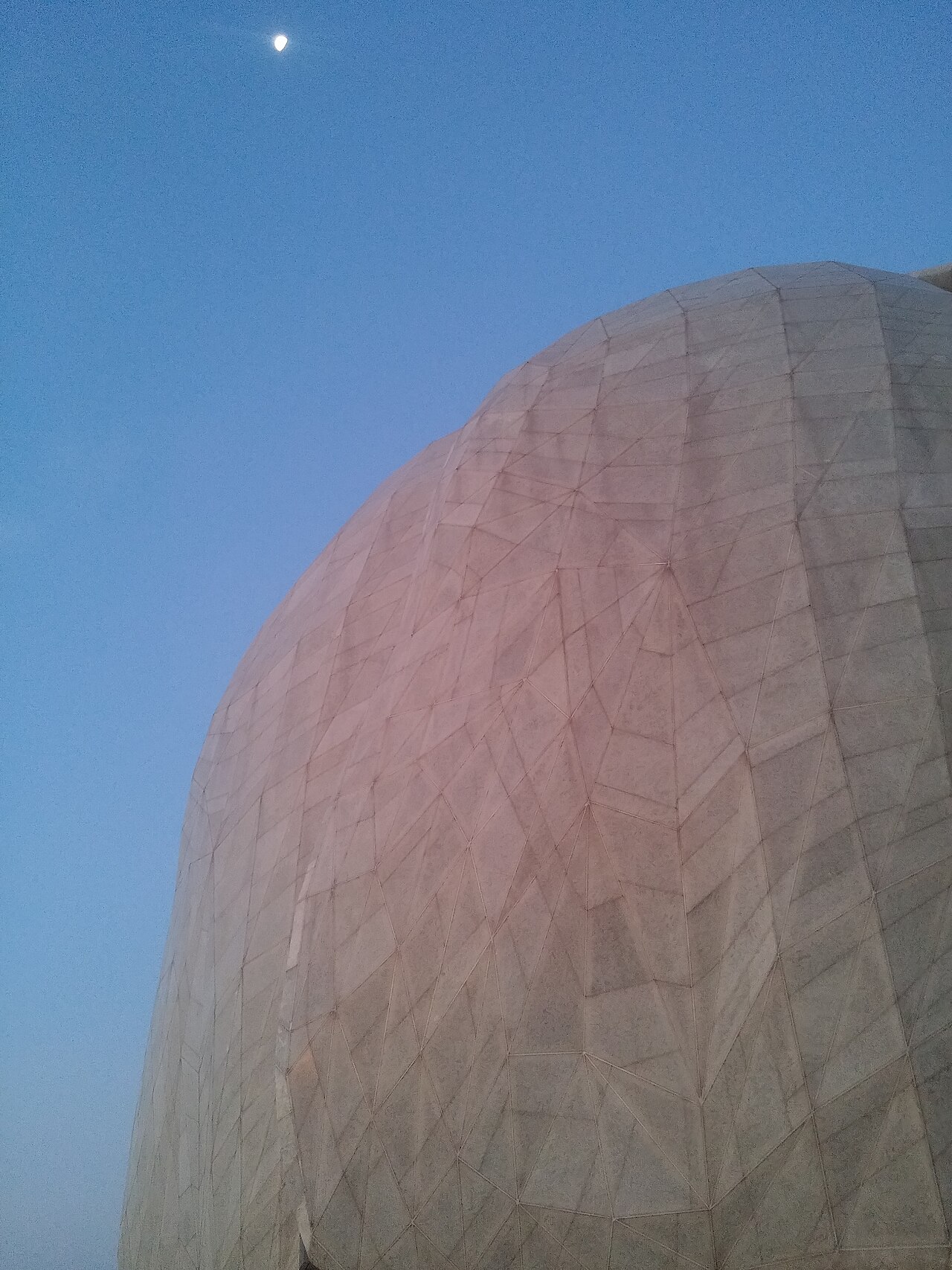
Bahá'í House of Worship for the South American Continent
Santiago · Chile · temple
Rising above Peñalolén on the eastern edge of Santiago, Chile, the Bahá'í House of Worship for South America gathers nine curving petals of translucent cast glass, pale as alabaster, around a marble-lined sanctuary. Dedicated in 2016, it is the last of the faith's eight continental Temples, and it stands open to people of every tradition.
 Baháʼí
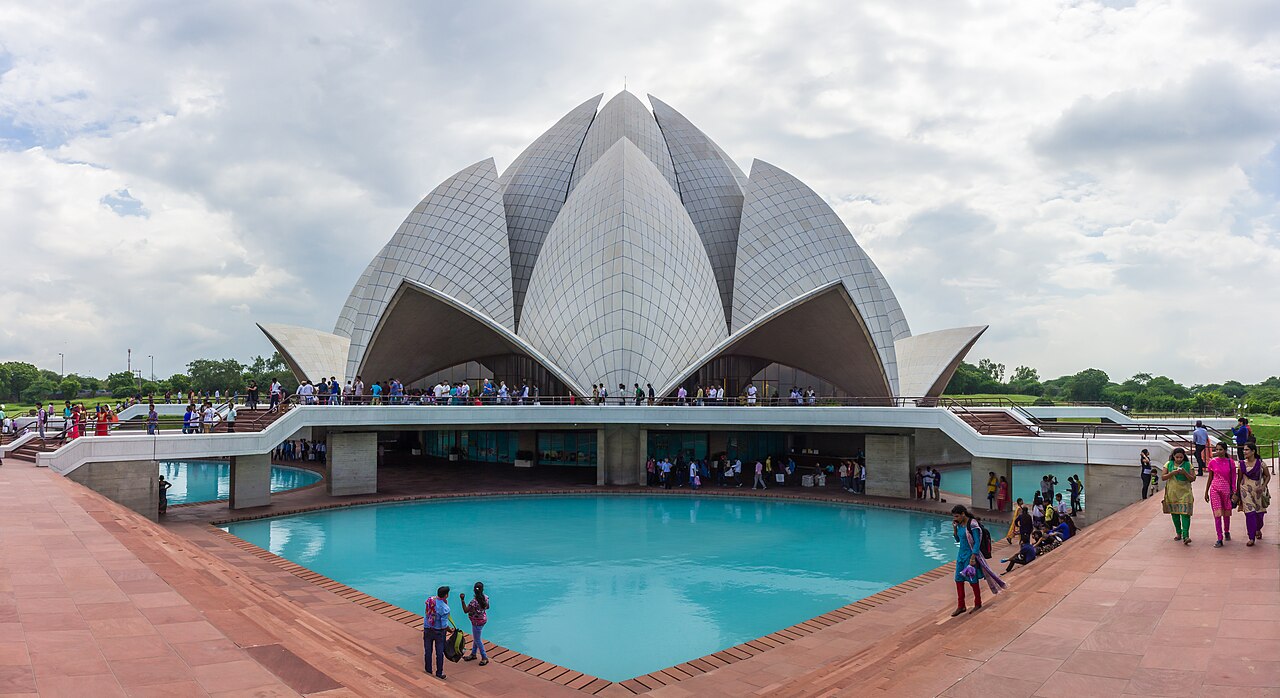
Lotus Temple (Bahá'í House of Worship)
New Delhi · India · other
A Bahá'í House of Worship of 27 white marble petals forming nine sides, its nine doors open free to people of every religion to pray and meditate in silence.