Tulsi Manas Mandir
Shri Satyanarayan Tulsi Manas Mandir · Manas Mandir
About
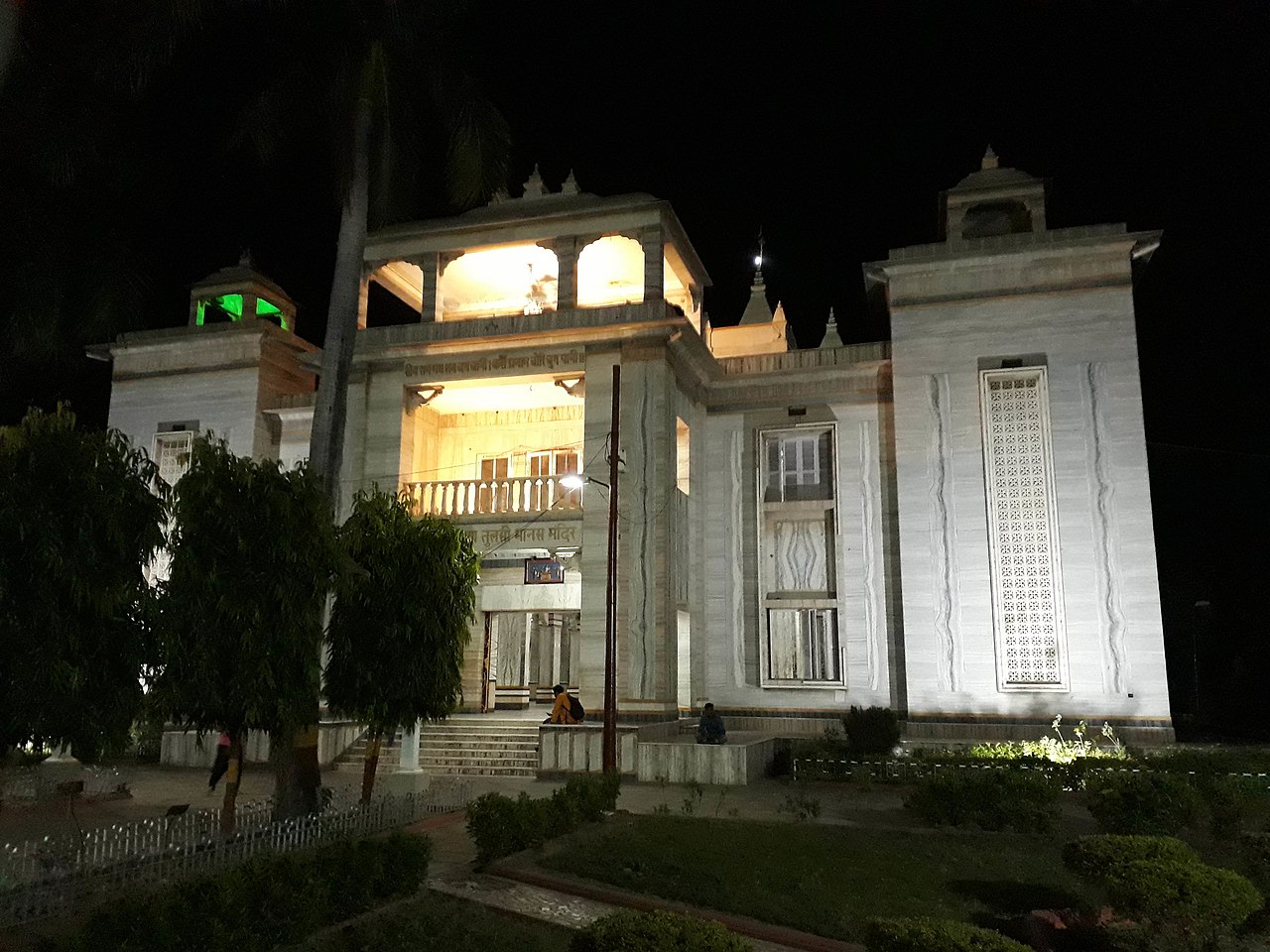
Tulsi Manas Mandir stands in Varanasi as a living memorial to one of the most transformative acts of devotional literature in Hindu history. The Temple was raised on the precise ground where Goswami Tulsidas, poet, saint, and philosopher of the 16th century, gave voice to the Rāmcharitmānas, rendering the ancient story of Lord Rāma into the Awadhi dialect of Hindi so that it might reach hearts far beyond the Sanskrit-literate learned.
The structure itself was built in white marble and completed in 1964, its surfaces enriched with carved verses and pictorial scenes drawn from the Rāmcharitmānas. Walking through its colonnaded spaces, a devotee encounters the epic not merely as text but as image and inscription woven into the fabric of the building itself. The surrounding grounds are landscaped to complement the serene marble of the sanctuary.
Within the Temple's collections, a museum preserves a rare assembly of manuscripts and artifacts, offering scholars and devotees alike a glimpse into the textual and material inheritance of the Vaishnava tradition. The Temple sits on Sankat Mochan Road, some two hundred and fifty metres south of Durga Kund, situating it at the heart of Varanasi's dense constellation of sacred sites.
History
In the 16th century Goswami Tulsidas retold Valmiki's Sanskrit Ramayana in Awadhi, the language of ordinary people, naming his retelling the Ramcharitmanas after the site now marked by this Temple. In 1964 the Thakur Das Sureka family of Bandhaghat, Howrah, built the present white marble Temple here, and Dr. Sarvepalli Radhakrishnan, then President of India, inaugurated it. Some tourism listings wrongly credit the Birla family as builders, likely by confusion with the many other Birla-funded marble Temples across India; Wikipedia and the Government of India's own Incredible India tourism portal both record the Sureka family of Howrah as the actual patrons.
Significance
By setting Rama's story into Awadhi rather than Sanskrit, Tulsidas placed it within reach of people who had never had access to the Valmiki original, and the Temple's marble walls, inscribed with the Ramcharitmanas itself, turn the act of walking through the building into an act of reading scripture. A museum within the Temple holds manuscripts and artefacts connected to Tulsidas and the text he gave the world at this spot.
Architecture
Modern white-marble North Indian Temple architecture
Visiting
Daily worship
| Mangala aarti | 06:00 to | |
| Sandhya aarti | 16:00 to |
Hours
Hours not listed.
Contact
No contact details listed yet.
Address
Engage with Tulsi Manas Mandir
Through the four pathways
Seva सेवा — Service
Offer your time and skills here. The following opportunities are open at Tulsi Manas Mandir:
No Seva offerings listed yet.
Sādhana साधना — Practice
Learn the worship and practice associated with Tulsi Manas Mandir:
No Sādhana offerings listed yet.
Sandhāna सन्धान — Wisdom
Unite with the wisdom of this tradition:
No Sandhāna offerings listed yet.
Sādhya साध्य — Giving
Support this sacred place according to your means:
No Sādhya offerings listed yet.
All giving flows directly to Tulsi Manas Mandir. Adisthan does not take a commission.
Festivals & Events
- Apr
Ram Navami
15 April 2027 · annual
The birth festival of Lord Rama draws large gatherings to this Temple, built on the very ground associated with the writing of his story.
Gallery
Related sacred places
 Hinduism
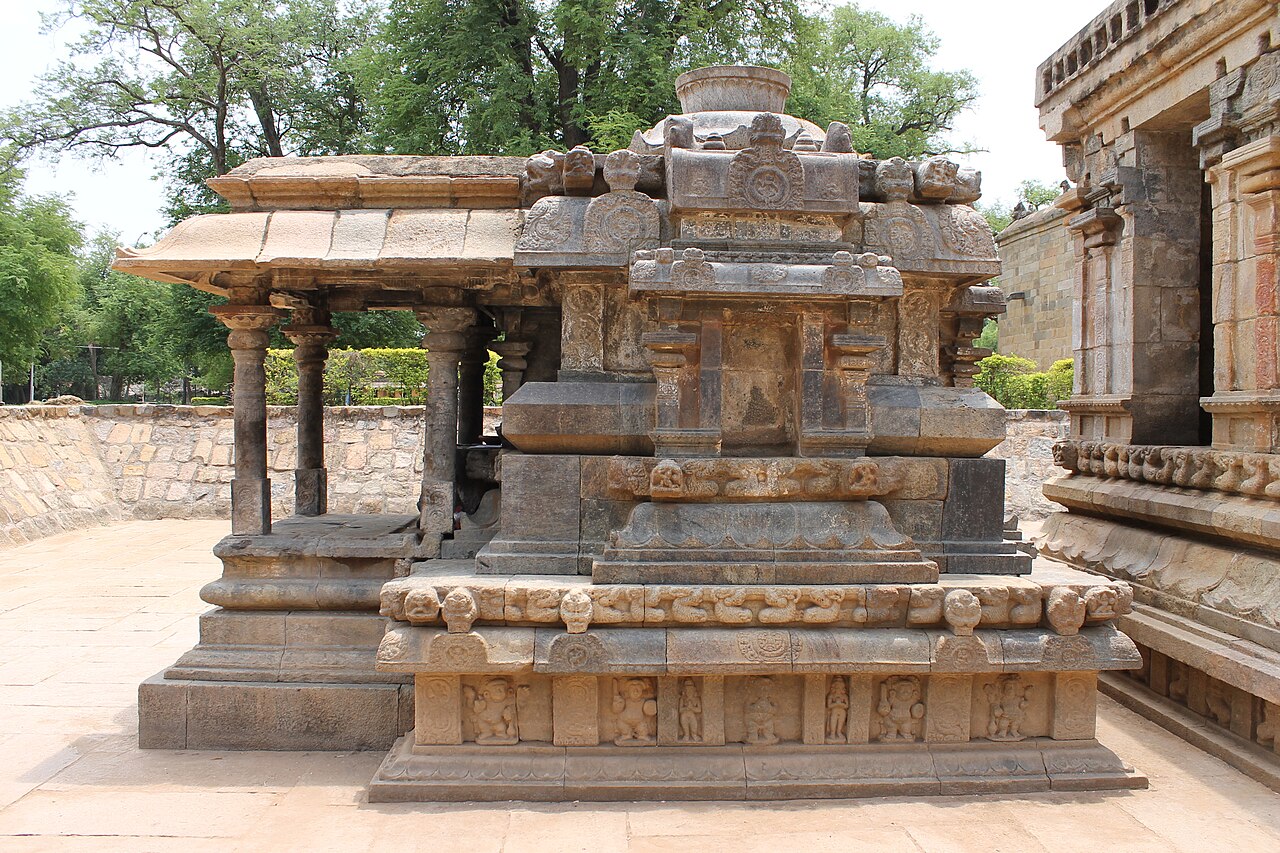
Airavatesvara Temple, Darasuram
Darasuram (Kumbakonam) · India · temple
The third of the Great Living Chola Temples, raised by Rajaraja Chola II around 1166 CE at Darasuram near Kumbakonam: a chariot-form shrine of Lord Shiva as Airavatesvara, famed for its carved stone wheels, its singing steps, and worship that has continued for over eight centuries.
Aisanyesvara Siva Temple
Bhubaneswar · India · temple
A living thirteenth-century Shiva shrine in the Old Town of Bhubaneswar, standing close to the western wall of the great Lingaraj Temple, where a Shivalinga set within a circular yonipitha still receives daily worship in the Kalinga architectural tradition.
 Hinduism
Akhadachandi Temple
Bhubaneswar · India · temple
A tenth-century Kalinga-style shrine on the southwestern bank of Bhubaneswar's sacred Bindusagar tank, Akhadachandi Temple honours Maa Mahishasuramardini, the Goddess in her form as slayer of the buffalo demon, within the dense cluster of ancient shrines that fills the city's Old Town.
 Hinduism
Akshardham
New Delhi · India · temple
A vast contemporary Hindu mandir campus on the Yamuna's west bank in East Delhi, raised without structural steel by 11,000 artisans and volunteers, and recognised by Guinness World Records in 2007 as the world's largest comprehensive Hindu Temple.
 Hinduism
Amarnath Temple
· India · temple
A high Himalayan cave shrine in Jammu and Kashmir where a naturally forming ice lingam is venerated as Lord Śiva, drawing one of India's great seasonal pilgrimages.
 Hinduism
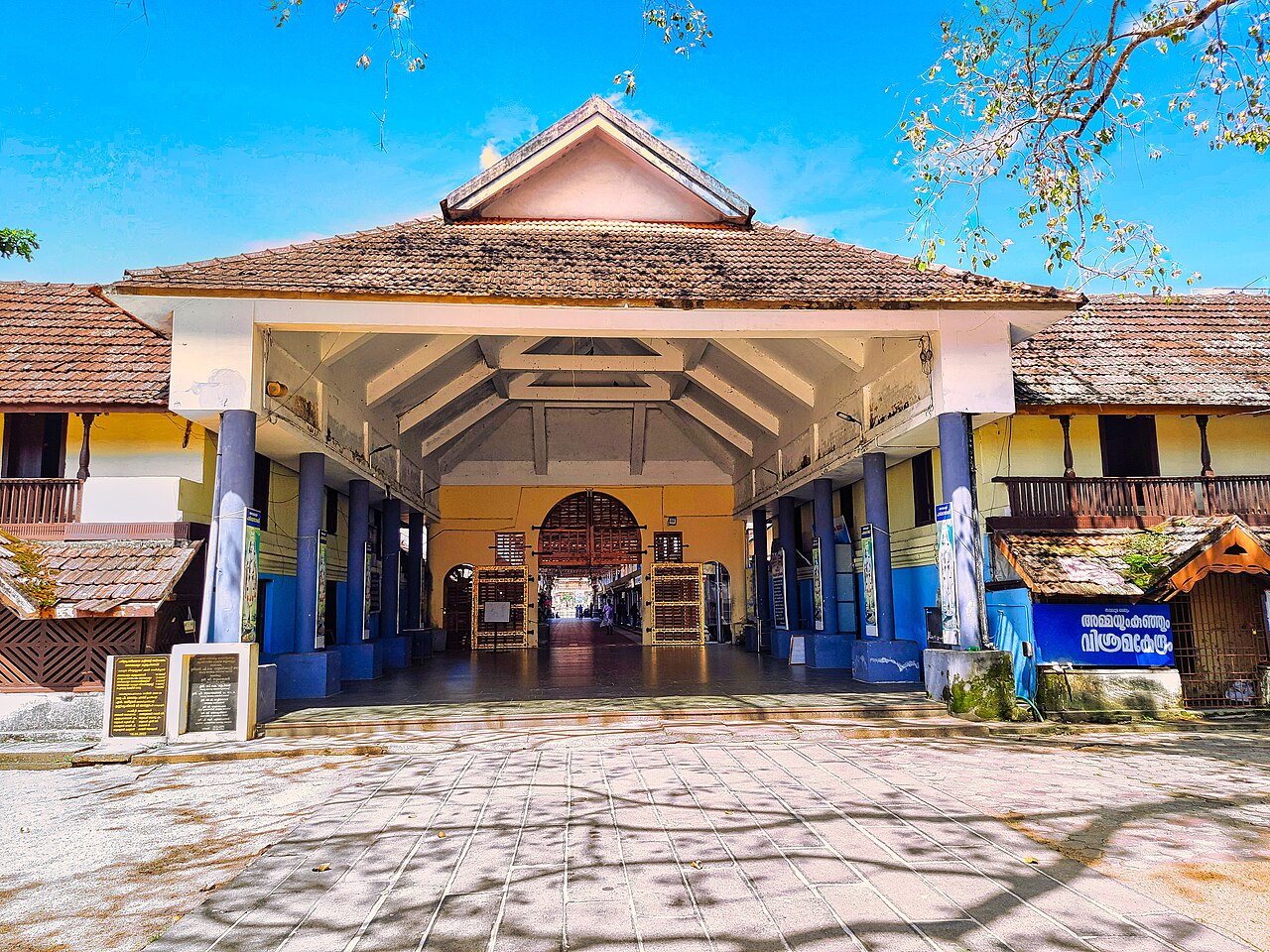
Ambalappuzha Sri Krishna Temple
Ambalappuzha · India · temple
A Vaishnava shrine on the Kerala backwaters consecrated to Sri Krishna in his Parthasarathy form, counted among the seven great Temples of the former kingdom of Travancore and famed across South India for its Ambalapuzha Paal Payasam offering.