
Vazhappally Maha Siva Temple
Vazhappally Sree Mahadeva Kshetram · Vazhappally Temple · Vazhappally Siva Temple
About
Nestled in Vazhappally village close to Changanassery in Kottayam district, this Hindu Temple stands as one of the most storied Śaiva shrines in central Kerala. Under the stewardship of the Travancore Devaswom Board, the kshetra draws devotees who venerate Lord Mahādeva in a sanctum whose origins tradition traces to the legendary hero-sage Paraśurāma, the sixth avatāra of Viṣṇu, credited with reclaiming the Kerala coast from the sea and consecrating 108 Śiva Temples across the land.
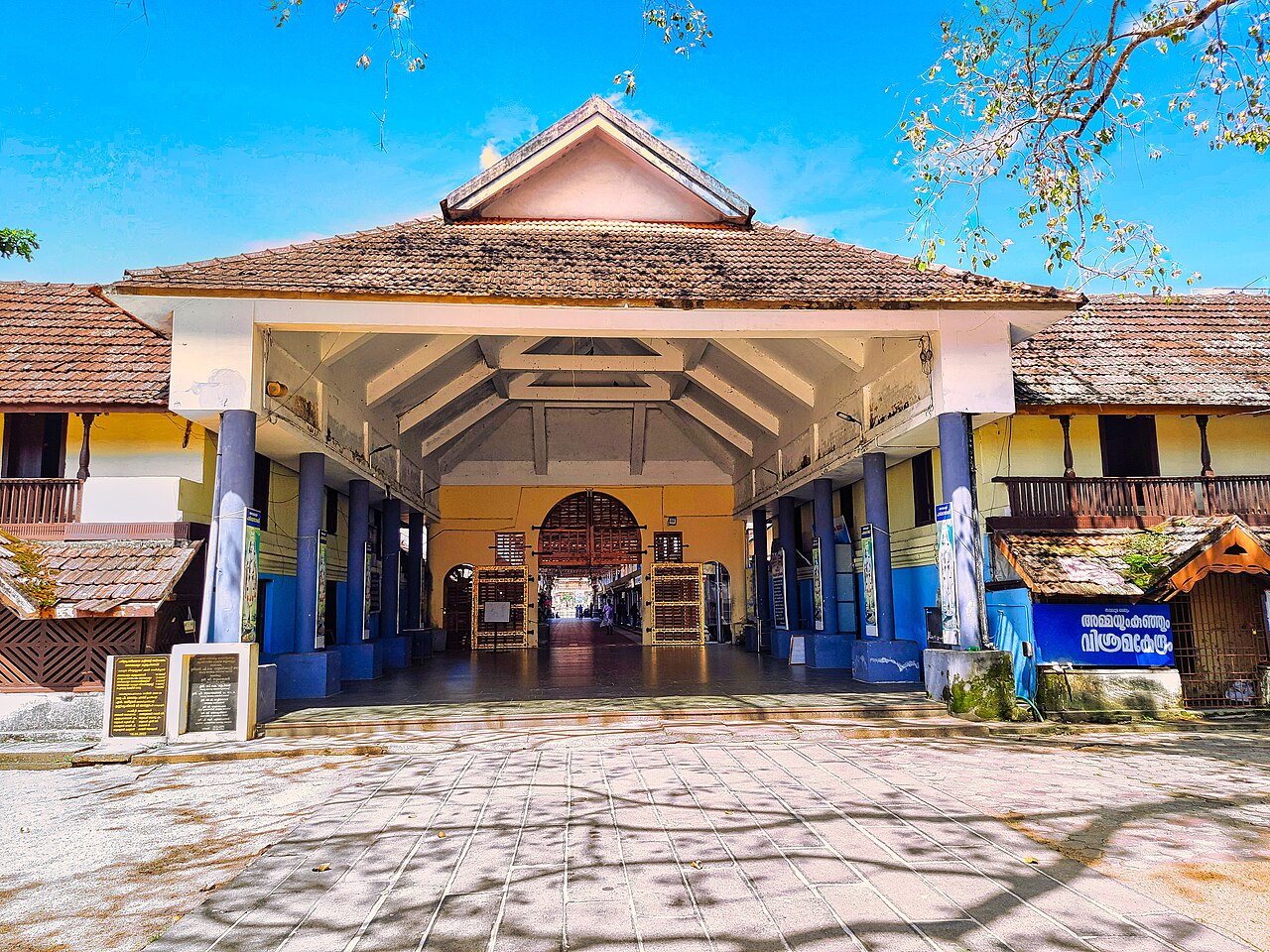
Among the Temple's distinguishing architectural features is the rare presence of two nalambalams, the circumambulatory corridors that ring the principal shrine, together with a pair of flag-masts (dwajasthambhas), a configuration found at very few Kerala Temples. The sanctum itself is conceived on the Ardhanārīśvara principle, with the Śiva liṅga placed to the east and an image of Devī Pārvatī to the west, expressing the inseparability of the masculine and feminine aspects of the divine. Subsidiary shrines accommodate Dakṣiṇāmūrti, Gaṇapati, and Śāstā, whose sub-shrine stands at the Kannimoola beyond the nāmbalam enclosure.
Within the complex, a body of dāru śilpas, intricate wood carvings dating to the seventeenth century, depicts scenes and figures drawn from the great epics. A Vattezhuttu inscription set into the base of the northern wall of the cultural shrine records that restoration work was carried out in the year 840 of the Kollam Era, equivalent to 1665 CE, attesting to centuries of continuous upkeep and devotion.
History
Tradition holds that the Temple was founded in the era of the first Chera kings of Kodungallur, and a cherished legend tells how ten Brahmin families carried a Shiva linga here from Neelamperoor when its own shrine was threatened, and how Lord Parashurama himself appeared and offered the linga he worshipped, instructing that the sanctum be raised on the Ardhanarishvara plan, with Lord Shiva to the east and Maa Parvati to the west. The Vazhappally copper plate, recovered from the Temple precincts and dated to the reign of the Chera king Rajasekhara Varman in the early ninth century, records a Temple committee resolution and is recognised by scholars as the oldest surviving inscription in the Malayalam language. A Vattezhuthu inscription on the shrine's northern wall records repairs completed in Kollam Era 840, corresponding to 1665 CE.
Significance
Vazhappally is a Grama Kshetra, a presiding shrine of its community, and one of the few Kerala Temples built with two nalambalam corridors and two flag masts. Its wood carvings of scenes from the great epics, its Ardhanarishvara sanctum uniting Lord Shiva and Maa Parvati, and its status as home to Malayalam's earliest known inscription together make it a site of both devotional and linguistic heritage. Each year in the Malayalam month of Meenam, the Temple holds a ten day festival drawing devotees from across the region.
Architecture
Traditional Kerala Temple architecture, with a rare twin nalambalam (enclosure corridor) and twin dhwajastambha (flag mast) plan
Visiting
Hours
Hours not listed.
Contact
No contact details listed yet.
Engage with Vazhappally Maha Siva Temple
Through the four pathways
Seva सेवा — Service
Offer your time and skills here. The following opportunities are open at Vazhappally Maha Siva Temple:
No Seva offerings listed yet.
Sādhana साधना — Practice
Learn the worship and practice associated with Vazhappally Maha Siva Temple:
No Sādhana offerings listed yet.
Sandhāna सन्धान — Wisdom
Unite with the wisdom of this tradition:
No Sandhāna offerings listed yet.
Sādhya साध्य — Giving
Support this sacred place according to your means:
No Sādhya offerings listed yet.
All giving flows directly to Vazhappally Maha Siva Temple. Adisthan does not take a commission.
Gallery
Related sacred places
 Hinduism
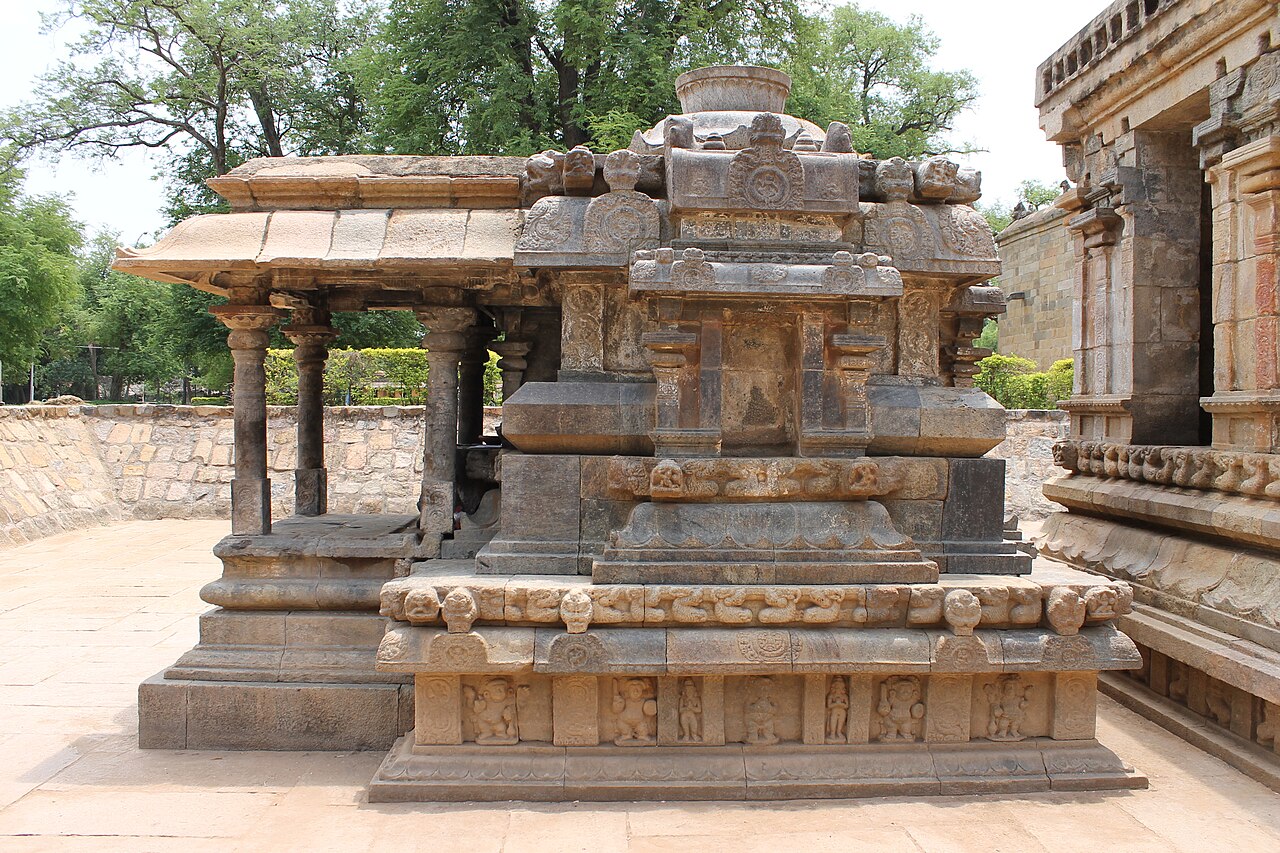
Airavatesvara Temple, Darasuram
Darasuram (Kumbakonam) · India · temple
The third of the Great Living Chola Temples, raised by Rajaraja Chola II around 1166 CE at Darasuram near Kumbakonam: a chariot-form shrine of Lord Shiva as Airavatesvara, famed for its carved stone wheels, its singing steps, and worship that has continued for over eight centuries.
Aisanyesvara Siva Temple
Bhubaneswar · India · temple
A living thirteenth-century Shiva shrine in the Old Town of Bhubaneswar, standing close to the western wall of the great Lingaraj Temple, where a Shivalinga set within a circular yonipitha still receives daily worship in the Kalinga architectural tradition.
 Hinduism
Akhadachandi Temple
Bhubaneswar · India · temple
A tenth-century Kalinga-style shrine on the southwestern bank of Bhubaneswar's sacred Bindusagar tank, Akhadachandi Temple honours Maa Mahishasuramardini, the Goddess in her form as slayer of the buffalo demon, within the dense cluster of ancient shrines that fills the city's Old Town.
 Hinduism
Akshardham
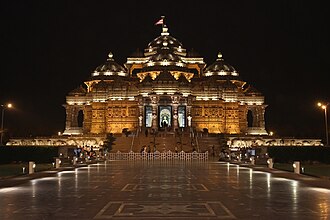
New Delhi · India · temple
A vast contemporary Hindu mandir campus on the Yamuna's west bank in East Delhi, raised without structural steel by 11,000 artisans and volunteers, and recognised by Guinness World Records in 2007 as the world's largest comprehensive Hindu Temple.
 Hinduism
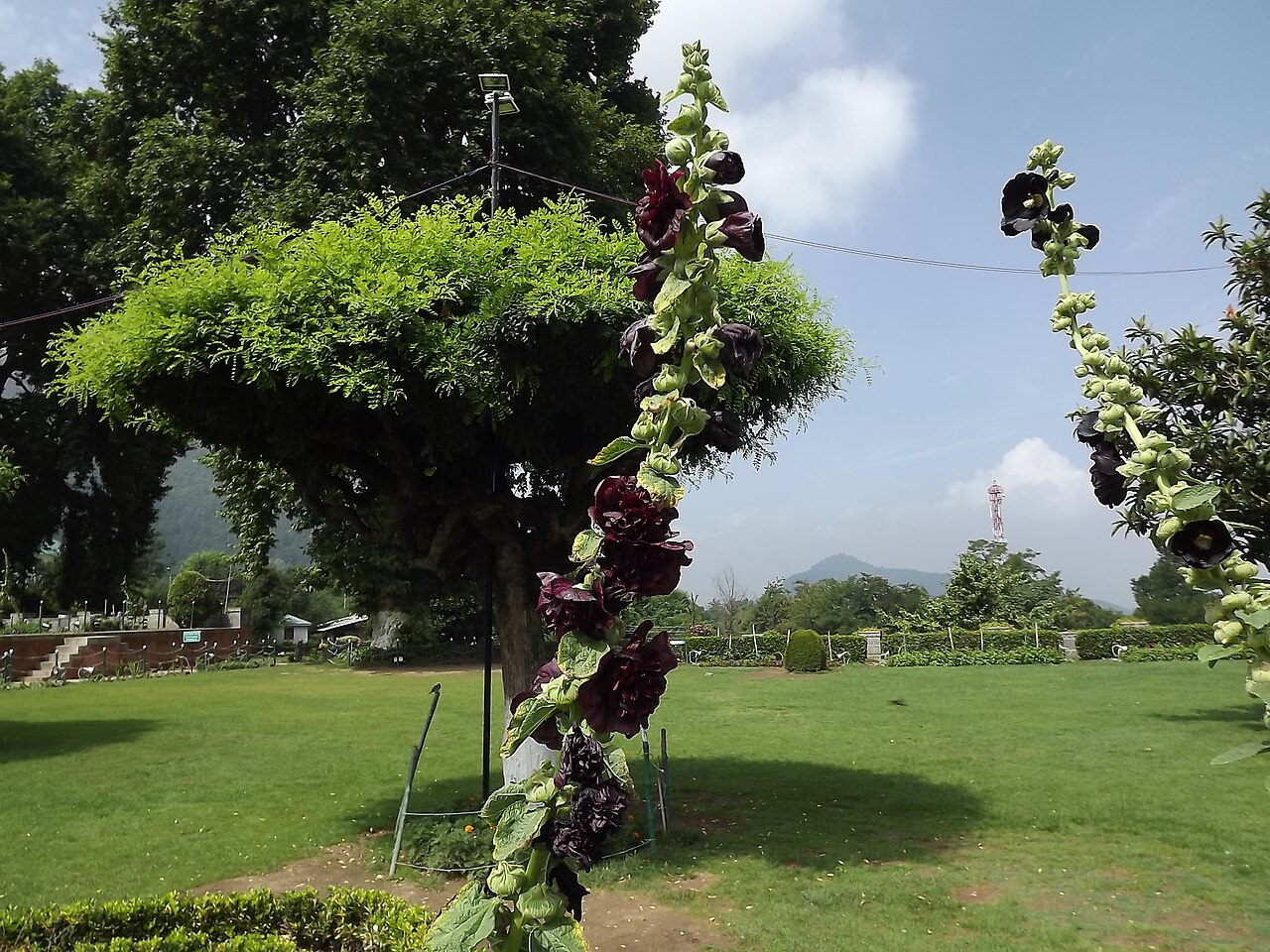
Amarnath Temple
· India · temple
A high Himalayan cave shrine in Jammu and Kashmir where a naturally forming ice lingam is venerated as Lord Śiva, drawing one of India's great seasonal pilgrimages.
 Hinduism
Ambalappuzha Sri Krishna Temple
Ambalappuzha · India · temple
A Vaishnava shrine on the Kerala backwaters consecrated to Sri Krishna in his Parthasarathy form, counted among the seven great Temples of the former kingdom of Travancore and famed across South India for its Ambalapuzha Paal Payasam offering.