Yameshwar Temple
About
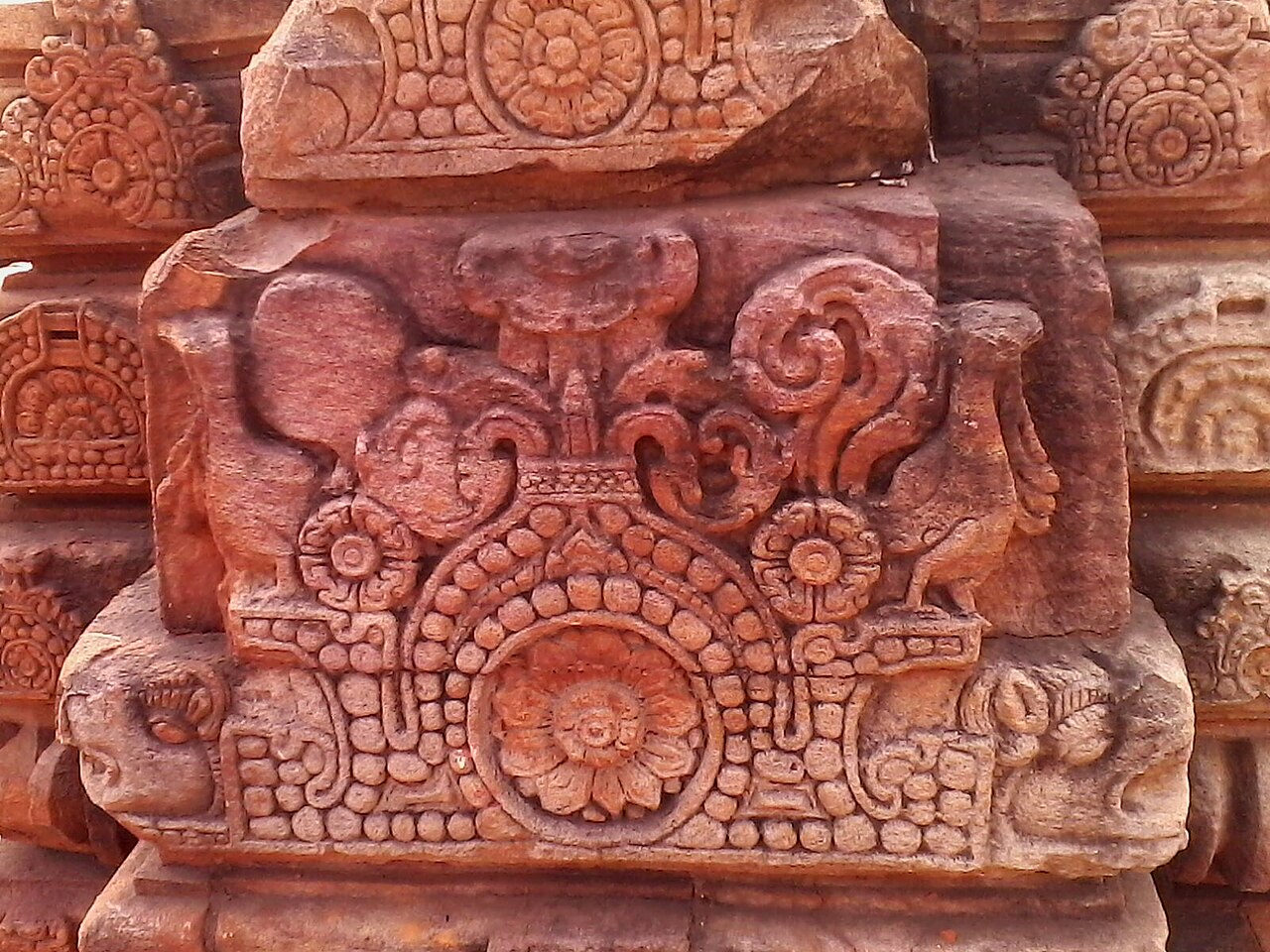
Yameshwar Temple, known also as Jameshwar, stands in the Jameshwar Patna locality of Bhubaneswar, not far from Bharati Matha, within a city that has long been called the Temple capital of India. The shrine holds a singular distinction among Odisha's vast assembly of sacred places: it is consecrated to both Shiva and Yama, the cosmic lord of death and dharma, an unusual confluence that reflects the depth of tantric theology woven into Odishan religious culture.
The sanctuary follows the classical Kaliṅga architectural vocabulary. Its primary tower rises in the Rekha Deula mode, the curvilinear śikhara characteristic of coastal Odisha, while the assembly hall, or jagamohana, is built in the Pidha Deula style, its tiered pyramidal form creating a measured visual counterpoint. A detached maṇḍapa further articulates the complex. The outer prakāram wall is composed of laterite, while the main structures employ sandstone, a material that, over centuries, has been worn and fractured by storms and monsoons, lending the Temple an air of ancient resilience.
The sculptural programme adorning the Temple's exterior is richly varied. Dikpālas, the guardian deities of the eight directions, keep their eternal watch alongside nāyikās, romantic couples, vigorous elephant processions, and Viḍāla figures, together with erotic compositions that follow the established iconographic conventions of medieval Odishan sacred art. At the heart of the inner sanctum, the garbhagṛha, a Śiva liṅga rests within a circular yonipīṭha, the central object of veneration around which the Temple's devotional life turns.
History
The Temple was erected during the thirteenth or fourteenth century CE, a period when the Eastern Gaṅga dynasty held sovereign authority over Odisha. This dynasty was responsible for commissioning some of the region's most celebrated monuments, and Yameshwar Temple stands as a representative work of that era, smaller in scale than the great Lingarāja or Konārak Temples, yet equally rooted in the Kaliṅga master-builder tradition. The sandstone fabric of the structure has sustained damage across the intervening centuries from natural disasters and the cumulative force of seasonal weather, leaving portions of the Temple in a weathered condition that speaks to both its antiquity and its continuity of worship.
Significance
Yameshwar Temple holds a living place in the devotional calendar of Bhubaneswar. The festivals of Jiuntia, Śivarātri, and Kārtik Pūrṇimā are celebrated here with particular fervour. Devotees regard Mondays and Saṅkramaṇa days, the solar transition days of each month, as especially auspicious occasions for worship at this shrine. A cherished local belief holds that those who come to pray during the Bharaṇī Nakṣatra are released from suffering and misery, a promise that continues to draw pilgrims across generations and reflects the Temple's identity as a place of both Shaiva grace and the transformative authority of Yama.
Visiting
Engage with Yameshwar Temple
Through the four pathways
Seva सेवा — Service
Offer your time and skills here. The following opportunities are open at Yameshwar Temple:
No Seva offerings listed yet.
Sādhana साधना — Practice
Learn the worship and practice associated with Yameshwar Temple:
No Sādhana offerings listed yet.
Sandhāna सन्धान — Wisdom
Unite with the wisdom of this tradition:
No Sandhāna offerings listed yet.
Sādhya साध्य — Giving
Support this sacred place according to your means:
No Sādhya offerings listed yet.
All giving flows directly to Yameshwar Temple. Adisthan does not take a commission.
Gallery
Related sacred places
 Hinduism
Airavatesvara Temple, Darasuram
Darasuram (Kumbakonam) · India · temple
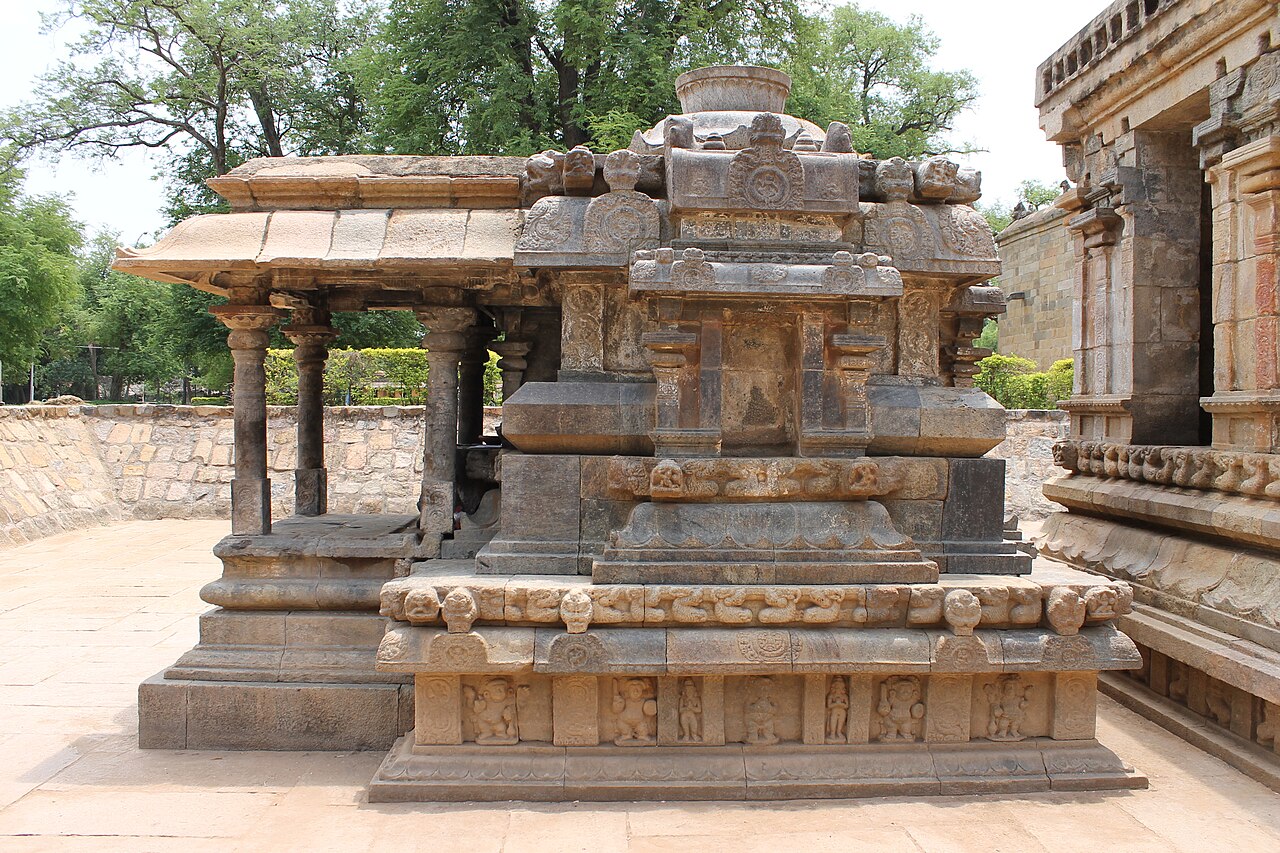
The third of the Great Living Chola Temples, raised by Rajaraja Chola II around 1166 CE at Darasuram near Kumbakonam: a chariot-form shrine of Lord Shiva as Airavatesvara, famed for its carved stone wheels, its singing steps, and worship that has continued for over eight centuries.
Aisanyesvara Siva Temple
Bhubaneswar · India · temple
A living thirteenth-century Shiva shrine in the Old Town of Bhubaneswar, standing close to the western wall of the great Lingaraj Temple, where a Shivalinga set within a circular yonipitha still receives daily worship in the Kalinga architectural tradition.
 Hinduism
Akhadachandi Temple
Bhubaneswar · India · temple
A tenth-century Kalinga-style shrine on the southwestern bank of Bhubaneswar's sacred Bindusagar tank, Akhadachandi Temple honours Maa Mahishasuramardini, the Goddess in her form as slayer of the buffalo demon, within the dense cluster of ancient shrines that fills the city's Old Town.
 Hinduism
Akshardham
New Delhi · India · temple
A vast contemporary Hindu mandir campus on the Yamuna's west bank in East Delhi, raised without structural steel by 11,000 artisans and volunteers, and recognised by Guinness World Records in 2007 as the world's largest comprehensive Hindu Temple.
 Hinduism
Amarnath Temple
· India · temple
A high Himalayan cave shrine in Jammu and Kashmir where a naturally forming ice lingam is venerated as Lord Śiva, drawing one of India's great seasonal pilgrimages.
 Hinduism
Ambalappuzha Sri Krishna Temple
Ambalappuzha · India · temple
A Vaishnava shrine on the Kerala backwaters consecrated to Sri Krishna in his Parthasarathy form, counted among the seven great Temples of the former kingdom of Travancore and famed across South India for its Ambalapuzha Paal Payasam offering.