
Łańcut Synagogue
Synagoga w Łańcucie · Muzeum Judaistyczne w Łańcucie (Judaica Museum in Łańcut)
About
The Łańcut Synagogue stands in the town of Łańcut, in the Podkarpackie Voivodeship of southeastern Poland. Completed in 1761 on the site of an older wooden synagogue that had burned in 1733, it served as a Jewish house of prayer until the catastrophe of the Second World War.
The building is a rare survival of a vanished tradition: the vaulted masonry synagogue with a central bimah-tower, raised across the Polish lands between the sixteenth and early nineteenth centuries. The construction at Łańcut was financed by Prince Stanisław Lubomirski, the local nobleman whose protection helped the Jewish community thrive.
The interior is organized around a central bimah whose four massive masonry pillars rise to support a high vaulted ceiling, with eight barrel-vaulted bays around them. The main hall is exceptionally bright, its windows unusually large for a Polish synagogue, which scholars have read as a sign of the security the community enjoyed under the Lubomirski and Potocki families. Painted plasterwork ornaments the pillars, ceilings, and walls; reproductions of the original eighteenth- and early-twentieth-century paintings depict traditional subjects such as Noah and the Ark, the signs of the zodiac, and the musical instruments named in the Psalms.
Since 1981 the synagogue has served as a Judaica museum, preserving the memory of a community largely lost in the Shoah while honouring the building as a place once filled with prayer.
History
The present synagogue was built in 1761 on the site of an earlier wooden synagogue destroyed by fire in 1733, its construction financed by Prince Stanisław Lubomirski, the town's leading protector of its Jewish community. Renovated in 1896 and 1910, the building was set alight by the invading German army in September 1939 but was saved from total destruction when Count Alfred Antoni Potocki had it converted into a granary. After the war it passed into local council ownership, opened as a Judaica museum in 1981, and underwent a thorough restoration between 1983 and 1990. Since 2013 the building and its collection have belonged to the Foundation for the Preservation of Jewish Heritage in Poland.
Significance
Łańcut Synagogue is one of the rare surviving examples of the vaulted, bimah-towered synagogues once raised in masonry across the Polish lands between the sixteenth and early nineteenth centuries, and scholars have long pointed to its unusually large windows as a sign of the security this community enjoyed under the Lubomirski and Potocki families. Its walls carry reconstructed reproductions of the original eighteenth and early twentieth century paintings, Noah's Ark, the signs of the zodiac, and the musical instruments named in the Psalms, a rare surviving record of a decorative language nearly erased in the Shoah. It stands today as a memorial and museum honouring a community that once filled it with prayer.
Architecture
Polish Baroque masonry synagogue architecture; vaulted bimah-tower plan with eight barrel-vaulted bays around a central four-pillared bimah
Visiting
Hours
Hours not listed.
Contact
No contact details listed yet.
Engage with Łańcut Synagogue
Through the four pathways
Seva सेवा — Service
Offer your time and skills here. The following opportunities are open at Łańcut Synagogue:
No Seva offerings listed yet.
Sādhana साधना — Practice
Learn the worship and practice associated with Łańcut Synagogue:
No Sādhana offerings listed yet.
Sandhāna सन्धान — Wisdom
Unite with the wisdom of this tradition:
No Sandhāna offerings listed yet.
Sādhya साध्य — Giving
Support this sacred place according to your means:
No Sādhya offerings listed yet.
All giving flows directly to Łańcut Synagogue. Adisthan does not take a commission.
Gallery
Related sacred places
 Multi-faith
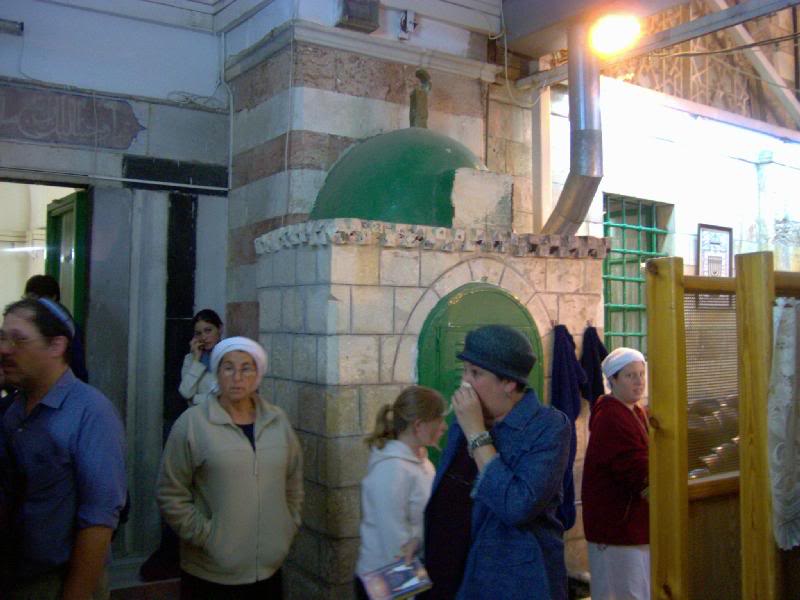
Cave of the Patriarchs (Ibrahimi Mosque)
Hebron · Palestine · shrine
A Herodian stone enclosure in Hebron's Old City holding the traditional graves of Abraham, Sarah, Isaac, Rebecca, Jacob and Leah, revered as Me'arat HaMachpela by Jews and as the Ibrahimi Mosque by Muslims, and divided since 1994 into a synagogue and a mosque under one roof.
 Judaism
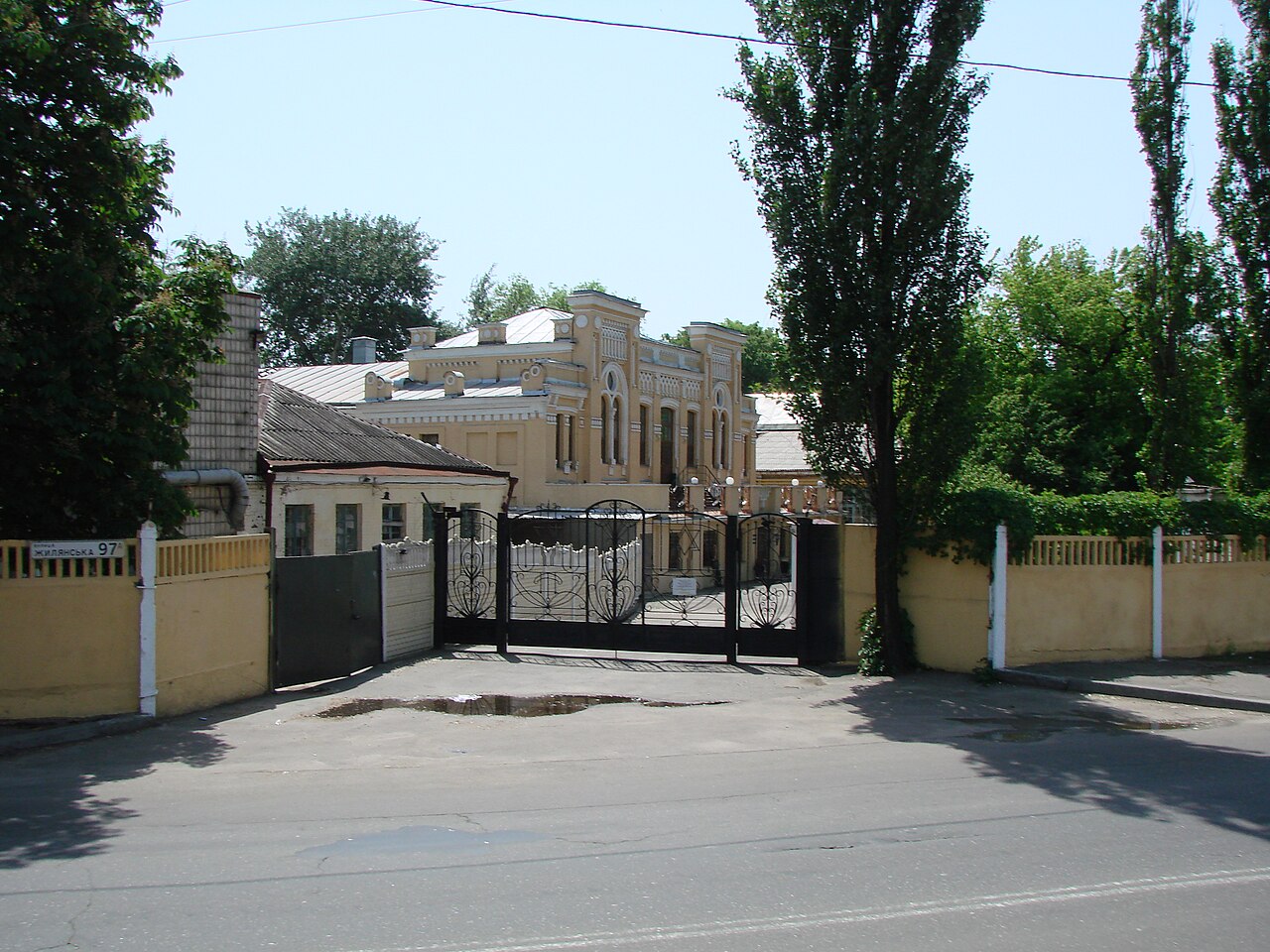
Galitska Synagogue
Kyiv · Ukraine · synagogue
The Halytska Synagogue, also known as the Galitska Synagogue or Beit Yaakov Shul, is an Orthodox Jewish synagogue on Zhylianska Street in Kyiv, Ukraine, where the congregation prays in the Ashkenazi rite.
 Judaism
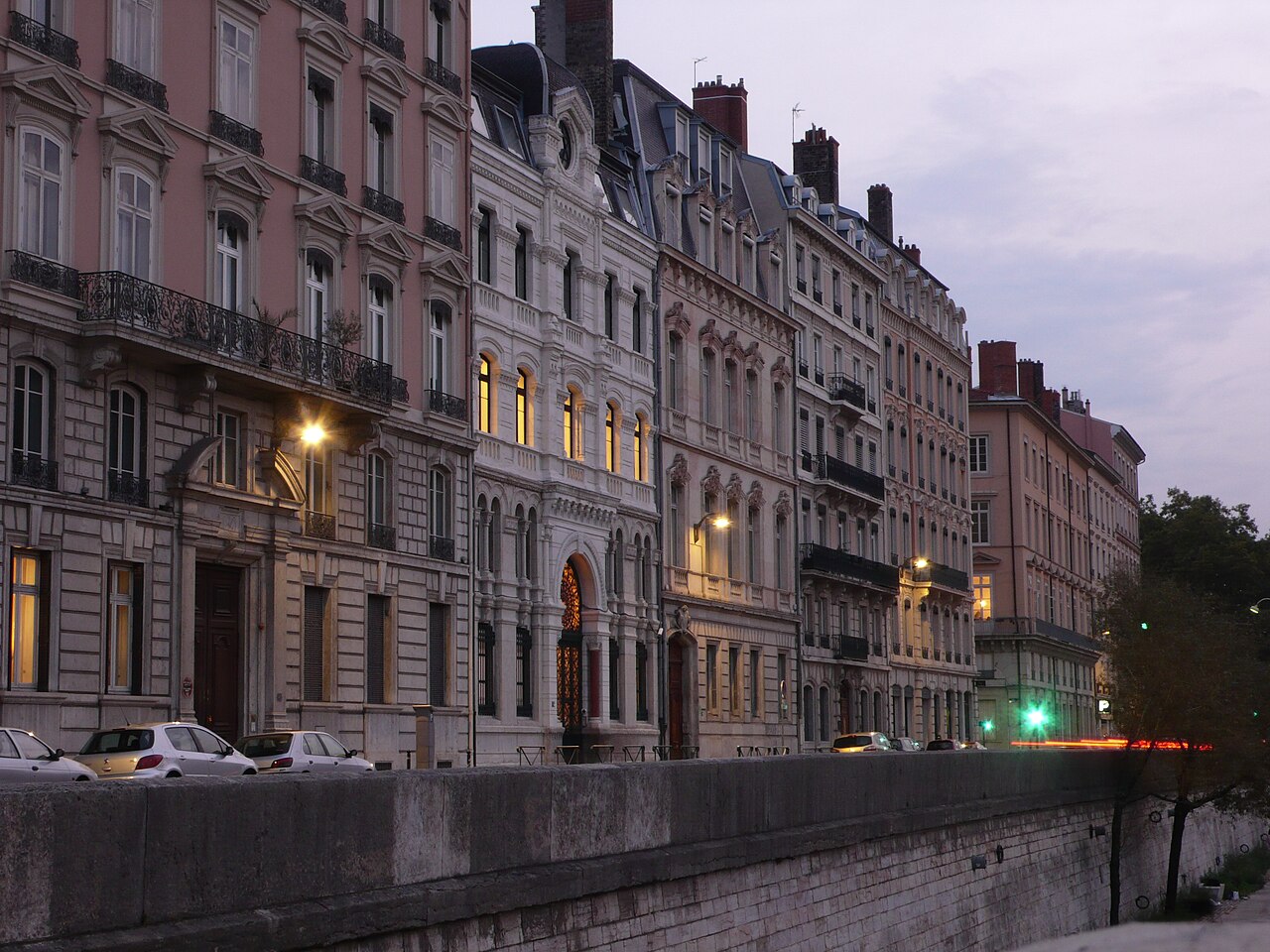
Grande Synagogue de Lyon
Lyon · France · synagogue
On the quai Tilsitt in central Lyon stands the Grande Synagogue, an Orthodox congregation built in 1863 and 1864 in the Byzantine Revival style and still the city's principal Ashkenazi house of prayer. Behind its ornate stone archway, carved with Hebrew lettering above wrought-iron gates, the congregation gathers for daily and Shabbat prayer.
 Judaism
Italian Synagogue
Venice · Italy · synagogue
The Italian Synagogue, the Scola Italiana, stands on the Campo del Ghetto Nuovo in Venice, a plain but luminous prayer hall raised in 1575 by Jews of the Italian rite within the world's first Jewish ghetto. Five tall arched windows light its upper floor, one of five historic synagogues still standing in the old ghetto quarter.
 Judaism
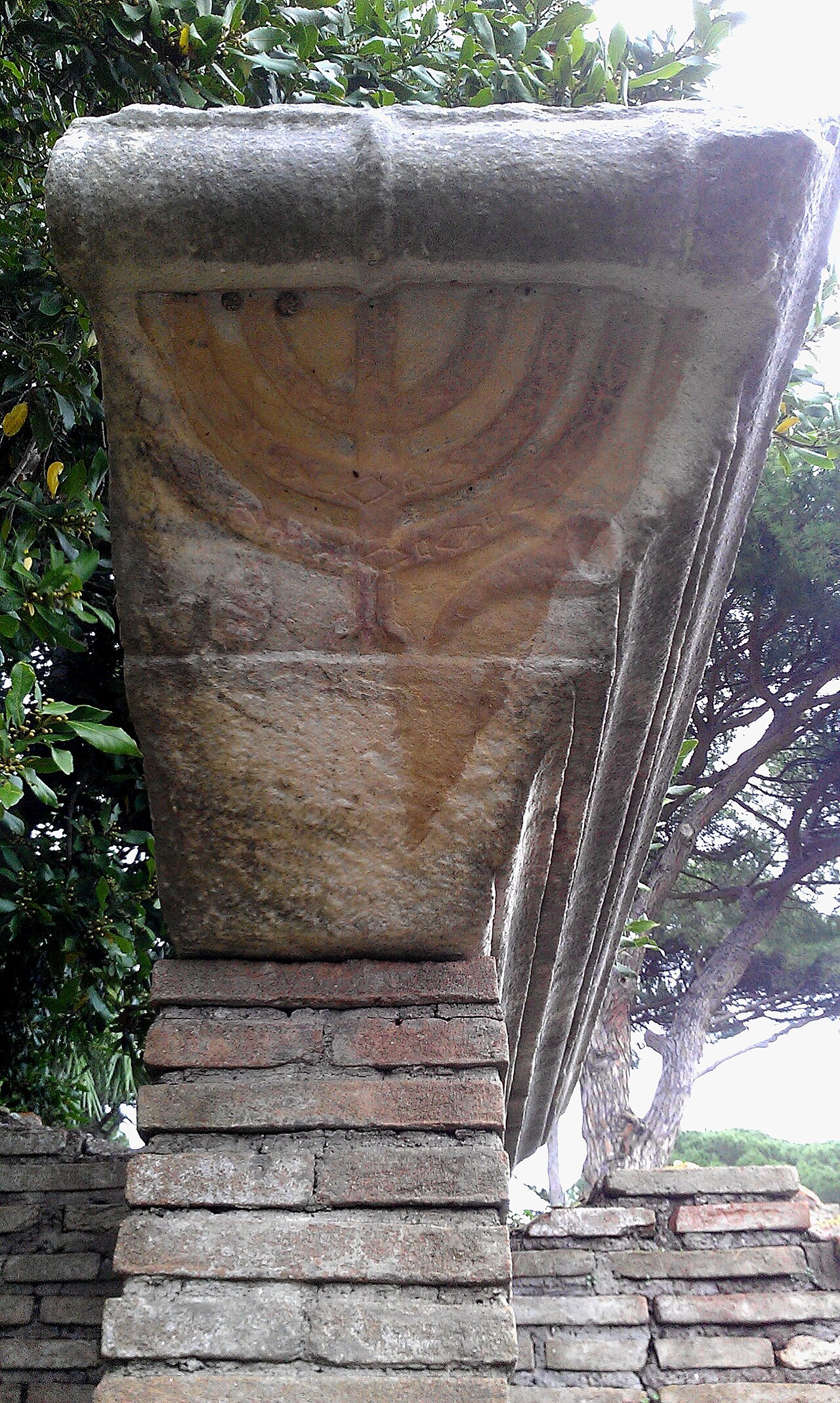
Ostia Synagogue
Ostia Antica · Italy · synagogue
The oldest synagogue in Europe and the oldest yet found outside the Land of Israel, a Roman-era house of Jewish prayer standing among the ruins of Ostia, ancient Rome's seaport, dated to the reign of the Emperor Claudius.
 Judaism
Remuh Synagogue
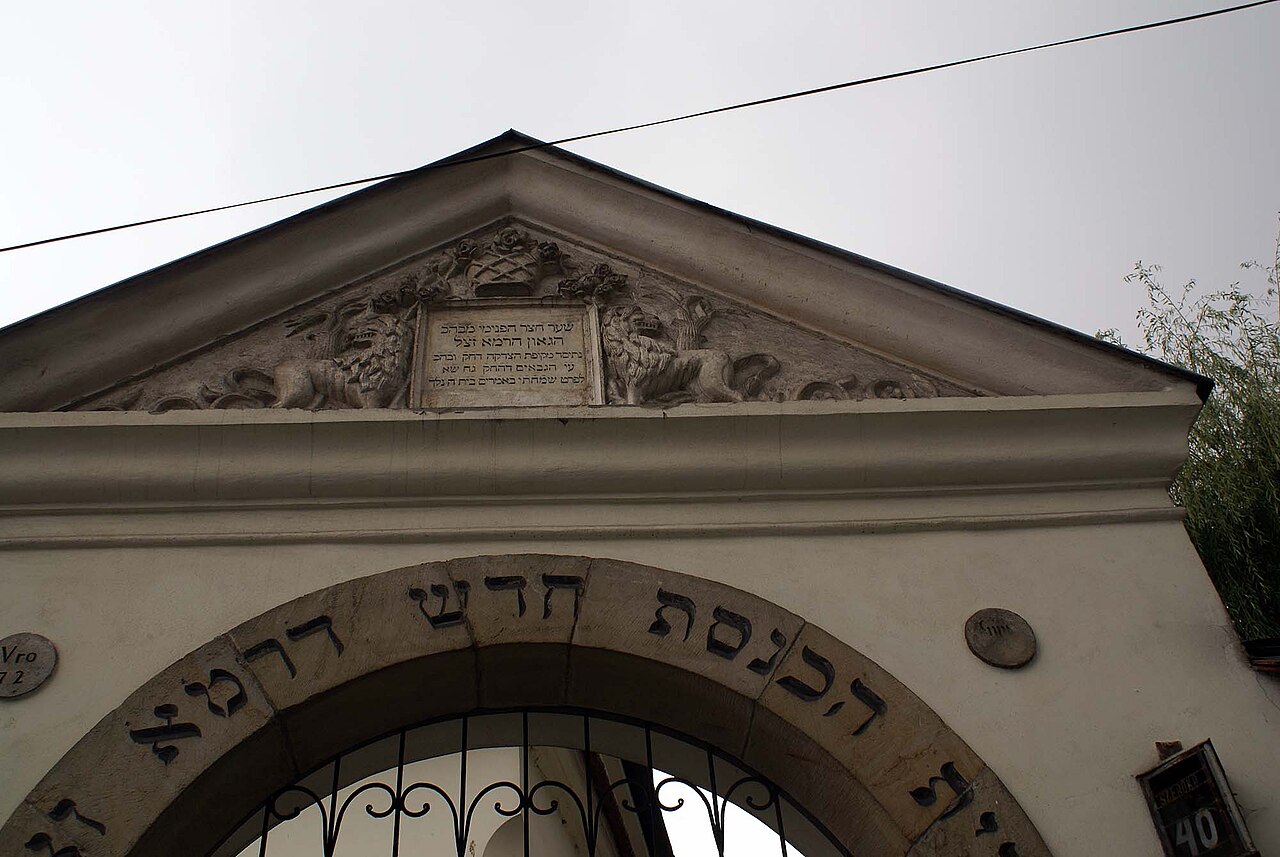
Kraków · Poland · synagogue
The Remuh Synagogue is the historic Orthodox congregation of Kazimierz, Kraków's old Jewish quarter, built in the sixteenth century and named for Rabbi Moshe Isserles, the great halakhic authority whose grave lies in the adjoining cemetery. Small and still living, it remains one of the longest continuously active places of Jewish prayer in Poland.