
Italian Synagogue
Scola Italiana · Scuola Italiana · Italian Synagogue (Venice)
About
The Scola Italiana stands on the Campo del Ghetto Nuovo, the public square at the heart of the Venetian ghetto where Jews were required to live from 1516 onwards. It is one of the five historic synagogues of the ghetto, each associated with a particular Jewish community that settled there in the sixteenth and seventeenth centuries.
While the Scola Tedesca, the Scola Canton, and the Scola Levantina were established by Ashkenazi and Sephardic Jews from northern Europe and the eastern Mediterranean, the Scola Italiana served those Jews whose ancestors had lived in the Italian peninsula since antiquity. They followed the minhag Italiani, the Italian rite, an ancient liturgical tradition distinct from both the Ashkenazi and Sephardic worlds, with its own piyyutim, melodies, and ritual customs.
Founded in 1575, the synagogue's prayer hall is reached by a discreet flight of stairs, hidden from the square outside in the manner forced upon ghetto communities of the time. Within, the wooden bimah and aron kodesh, the carved benches arranged along facing walls, and the women's gallery preserve the distinctive layout of a Venetian-Renaissance scola.
Like the other historic synagogues of Venice, the Scola Italiana is part of the museum and synagogue circuit administered by the Jewish community of Venice. It is no longer in daily use but is opened for guided visits and for special services that recover the Italian rite for new generations.
History
Jews following the ancient Italian rite, minhag Italiani, had lived in Venice and along the lagoon well before the Republic of Venice confined the city's Jewish community to the Ghetto Nuovo in 1516. The Scola Italiana was founded in 1575 by members of this community, its prayer hall set discreetly above street-level shops in keeping with the restrictions the Republic placed on the ghetto. The synagogue was renovated across the seventeenth and eighteenth centuries, and after the ghetto gates were removed under Napoleonic rule in 1797, many Italian-rite families moved into other parts of Venice, leaving the Scola Italiana a place of occasional rather than daily worship.
Significance
The Scola Italiana is among the oldest surviving places of Italian-rite Jewish worship anywhere, preserving in its wooden bimah, its aron kodesh, and its women's gallery the distinct layout of a Venetian Renaissance scola. Together with the four other historic synagogues of the ghetto, it is cared for today by the Jewish Community of Venice and opened to visitors through the Jewish Museum of Venice, bearing witness to one of Europe's oldest continuous Jewish presences.
Architecture
Venetian Renaissance ghetto synagogue architecture (minhag Italiani rite)
Visiting
Hours
Hours not listed.
Contact
No contact details listed yet.
Engage with Italian Synagogue
Through the four pathways
Seva सेवा — Service
Offer your time and skills here. The following opportunities are open at Italian Synagogue:
No Seva offerings listed yet.
Sādhana साधना — Practice
Learn the worship and practice associated with Italian Synagogue:
No Sādhana offerings listed yet.
Sandhāna सन्धान — Wisdom
Unite with the wisdom of this tradition:
No Sandhāna offerings listed yet.
Sādhya साध्य — Giving
Support this sacred place according to your means:
No Sādhya offerings listed yet.
All giving flows directly to Italian Synagogue. Adisthan does not take a commission.
Gallery
Related sacred places
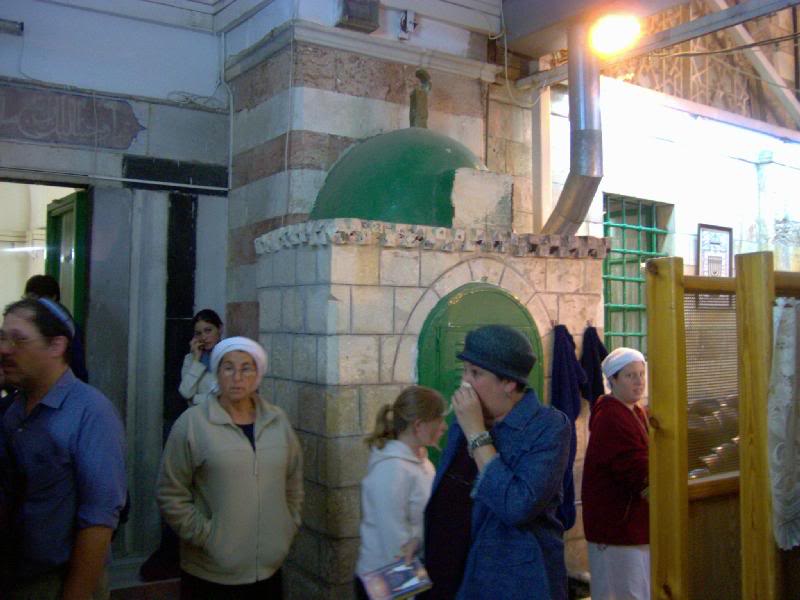 Multi-faith
Cave of the Patriarchs (Ibrahimi Mosque)
Hebron · Palestine · shrine
A Herodian stone enclosure in Hebron's Old City holding the traditional graves of Abraham, Sarah, Isaac, Rebecca, Jacob and Leah, revered as Me'arat HaMachpela by Jews and as the Ibrahimi Mosque by Muslims, and divided since 1994 into a synagogue and a mosque under one roof.
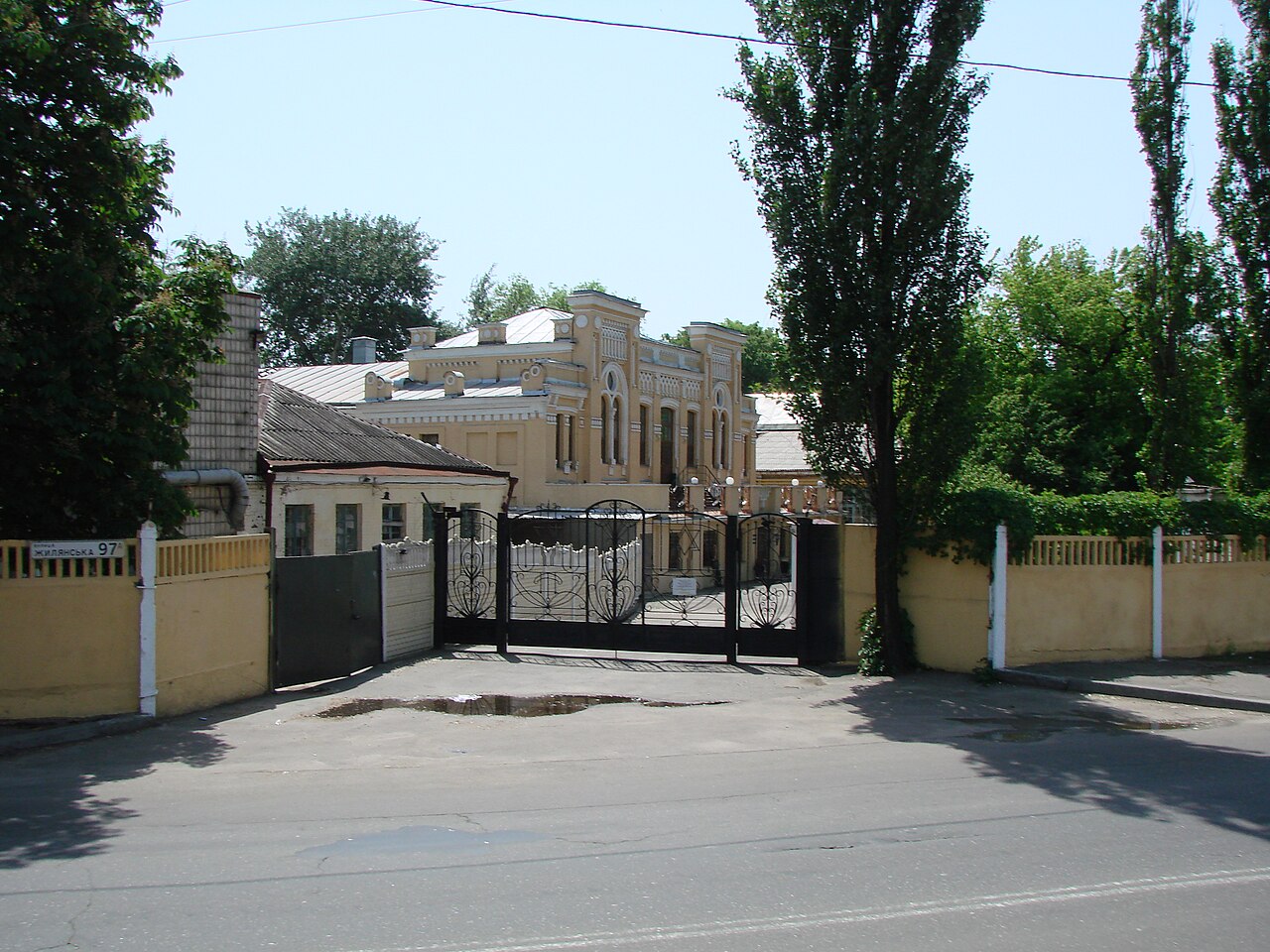 Judaism
Galitska Synagogue
Kyiv · Ukraine · synagogue
The Halytska Synagogue, also known as the Galitska Synagogue or Beit Yaakov Shul, is an Orthodox Jewish synagogue on Zhylianska Street in Kyiv, Ukraine, where the congregation prays in the Ashkenazi rite.
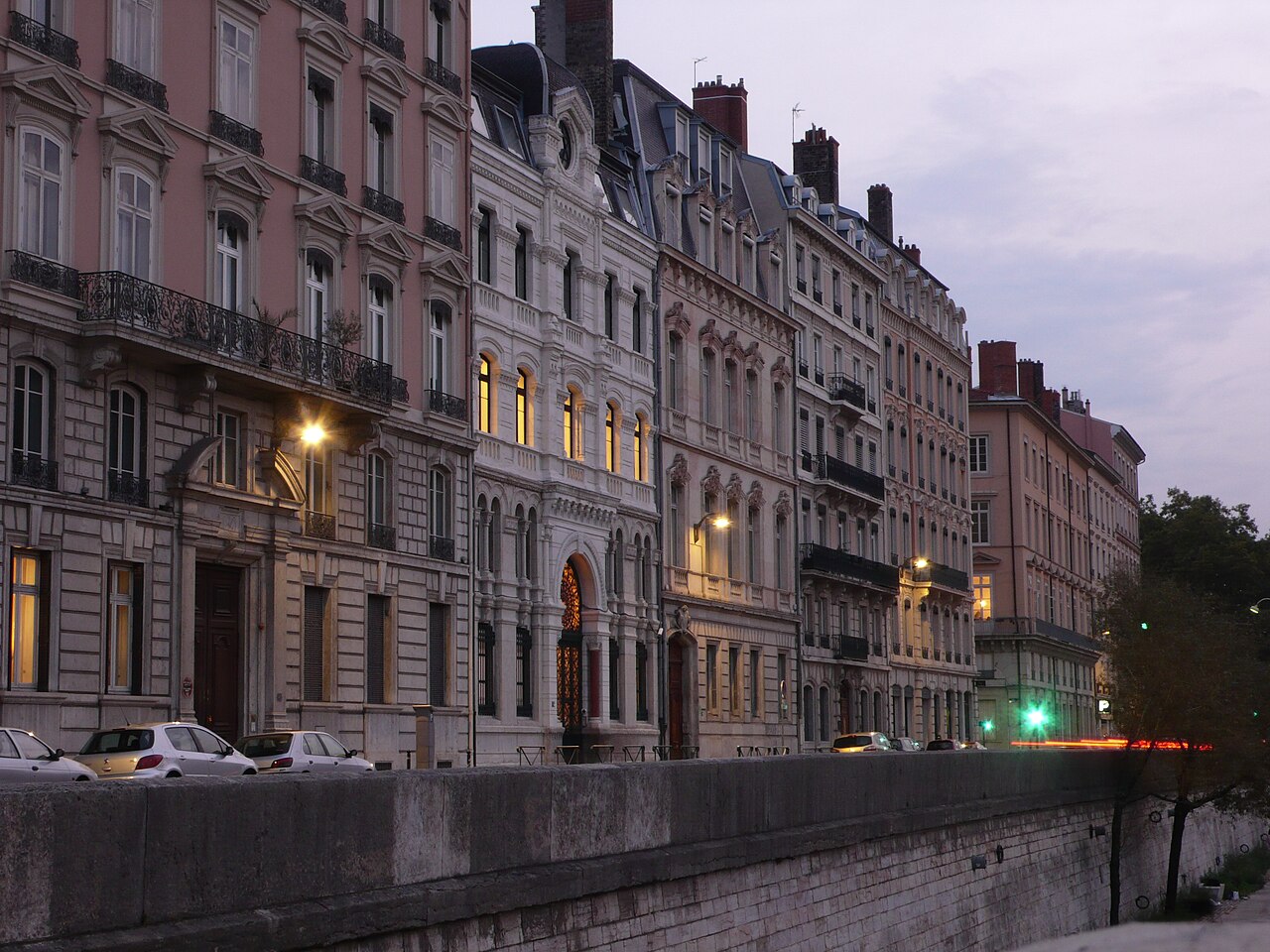 Judaism
Grande Synagogue de Lyon
Lyon · France · synagogue
On the quai Tilsitt in central Lyon stands the Grande Synagogue, an Orthodox congregation built in 1863 and 1864 in the Byzantine Revival style and still the city's principal Ashkenazi house of prayer. Behind its ornate stone archway, carved with Hebrew lettering above wrought-iron gates, the congregation gathers for daily and Shabbat prayer.
 Judaism
Łańcut Synagogue
Łańcut · Poland · synagogue
A Baroque masonry synagogue in Łańcut, southeastern Poland, completed in 1761 and one of the best preserved vaulted bimah-tower synagogues surviving in Central Europe, now cared for as a Jewish heritage museum.
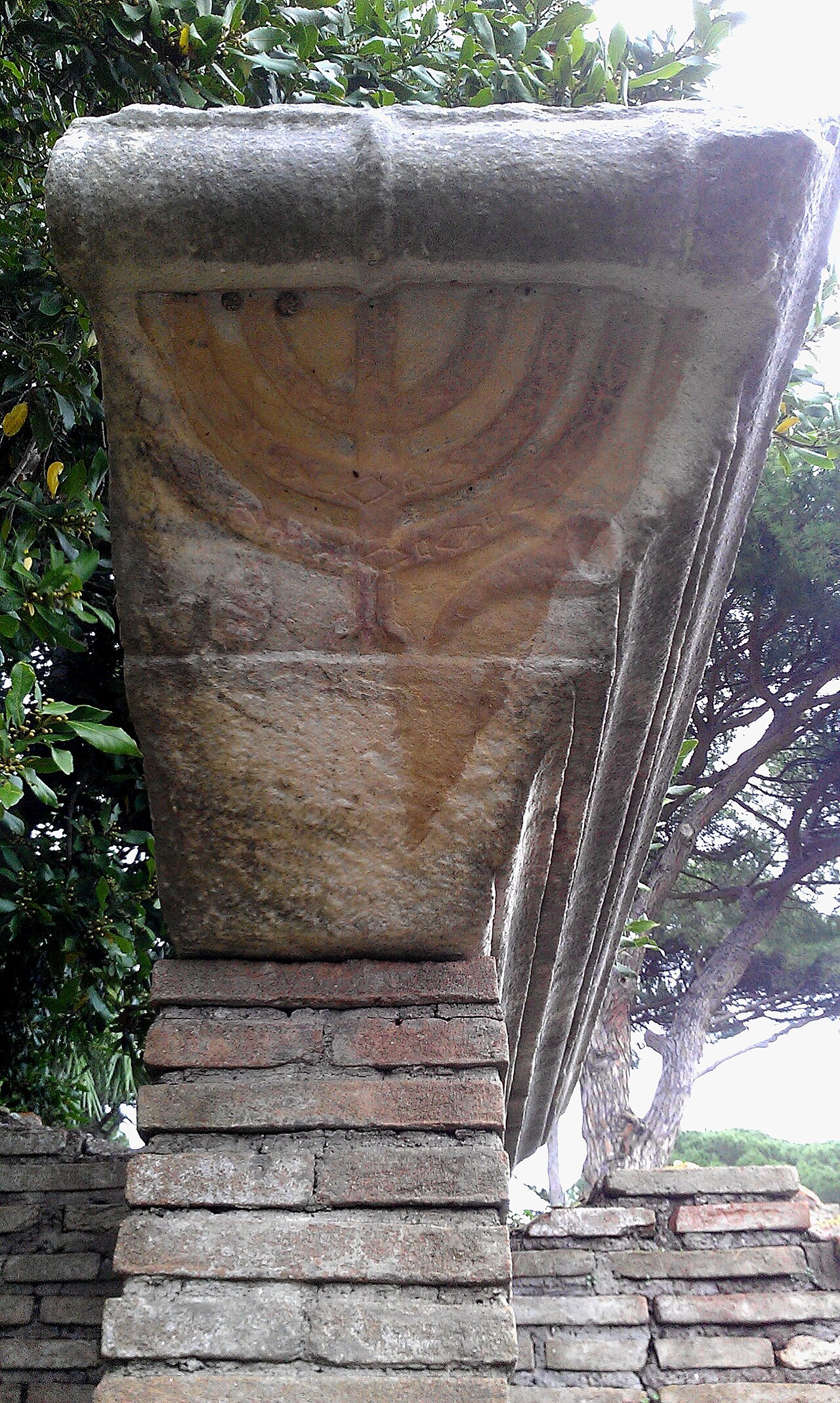 Judaism
Ostia Synagogue
Ostia Antica · Italy · synagogue
The oldest synagogue in Europe and the oldest yet found outside the Land of Israel, a Roman-era house of Jewish prayer standing among the ruins of Ostia, ancient Rome's seaport, dated to the reign of the Emperor Claudius.
 Judaism
Remuh Synagogue
Kraków · Poland · synagogue
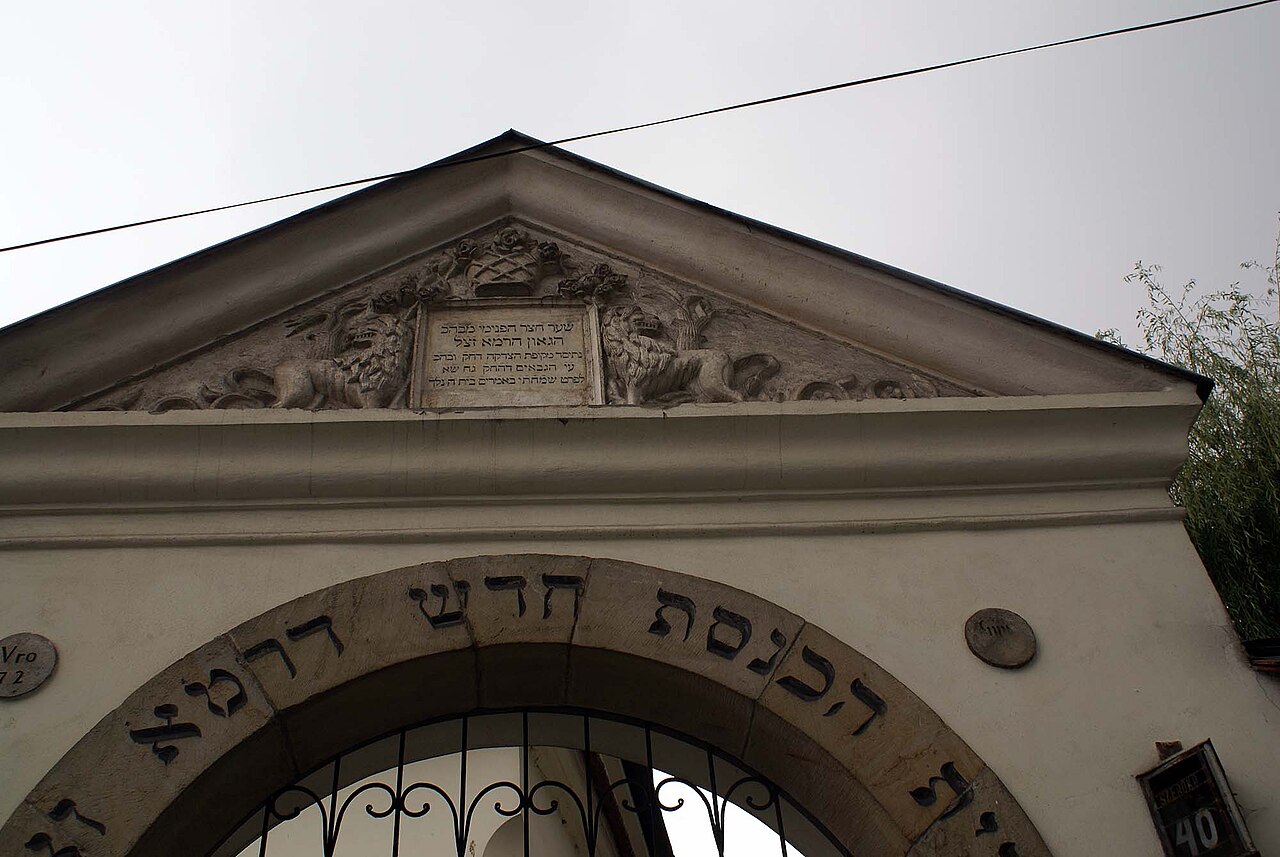
The Remuh Synagogue is the historic Orthodox congregation of Kazimierz, Kraków's old Jewish quarter, built in the sixteenth century and named for Rabbi Moshe Isserles, the great halakhic authority whose grave lies in the adjoining cemetery. Small and still living, it remains one of the longest continuously active places of Jewish prayer in Poland.