Ostia Synagogue
Synagogue of Ostia · Sinagoga di Ostia Antica
About
The Ostia Synagogue lies among the brick streets of ancient Ostia, the seaport that served the city of Rome under the Empire, now an archaeological park in the Lazio region of Italy. Its building has been dated to the reign of the Emperor Claudius, between 41 and 54 CE, and continued in active use into the fifth century. It is one of the oldest synagogues in the world and the oldest surviving mainstream Jewish synagogue yet uncovered outside the Land of Israel.
Scholars continue to debate whether the structure began life as a synagogue in the first century or whether it was first a private dwelling later given over to congregational use. Either way, by its later phases it bore the unmistakable features of synagogue architecture: a main hall with benches along three walls, a monumental propylaeum carried on four marble columns, and a triclinium for communal meals. A water well and basin stood near the entrance for ritual purification.
The main door opens to the southeast, in the direction of Jerusalem, holding the building in the orientation of Jewish prayer through the ages. In the second century a wooden platform was added, donated by an early benefactor. By the third century a new Torah Ark had replaced it, given by one Mindus Faustus whose name a surviving inscription preserves. In the fourth century the present aedicula, the niche for the Torah scrolls, was set in place, completing the long sequence of devotional additions.
History
Built during or soon after the reign of Claudius, between 41 and 54 CE, the synagogue grew over four centuries into a complex with a columned propylaeum entrance, a main prayer hall lined with benches, and a triclinium for communal meals. A donor named Mindus Faustus gave a new Torah Ark in the third century, replaced in turn by the aedicula still visible today, set in place in the fourth century. The building remained in use as a synagogue into the fifth century CE and was later uncovered by archaeologists within what is now the Ostia Antica archaeological park.
Significance
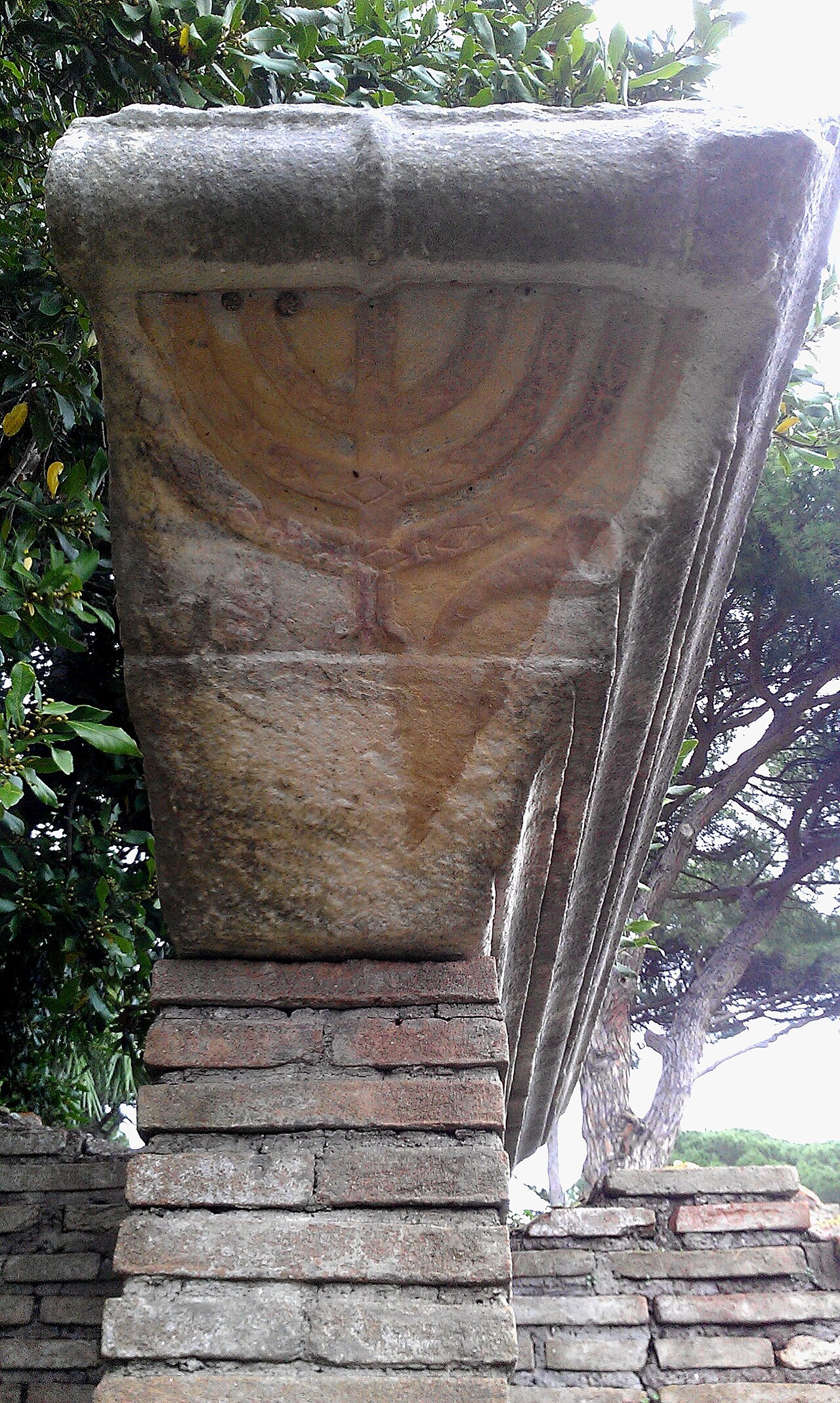
Carved marble corbels from the shrine that once held the Torah scrolls show a seven-branched menorah, a shofar, a citron, and a bound lulav of palm, myrtle, and willow, symbols that a Greek donor inscription ties to hope for the rebuilding of the Temple in Jerusalem. The synagogue's main door still opens toward the southeast, in the direction of Jerusalem, preserving the orientation of Jewish prayer across nineteen centuries.
Architecture
Roman-era synagogue architecture: a marble-columned propylaeum, a benched main prayer hall, and a triclinium, with a fourth-century aedicula for the Torah scrolls
Visiting
Hours
Hours not listed.
Contact
No contact details listed yet.
Engage with Ostia Synagogue
Through the four pathways
Seva सेवा — Service
Offer your time and skills here. The following opportunities are open at Ostia Synagogue:
No Seva offerings listed yet.
Sādhana साधना — Practice
Learn the worship and practice associated with Ostia Synagogue:
No Sādhana offerings listed yet.
Sandhāna सन्धान — Wisdom
Unite with the wisdom of this tradition:
No Sandhāna offerings listed yet.
Sādhya साध्य — Giving
Support this sacred place according to your means:
No Sādhya offerings listed yet.
All giving flows directly to Ostia Synagogue. Adisthan does not take a commission.
Gallery
Related sacred places
 Multi-faith
Cave of the Patriarchs (Ibrahimi Mosque)
Hebron · Palestine · shrine
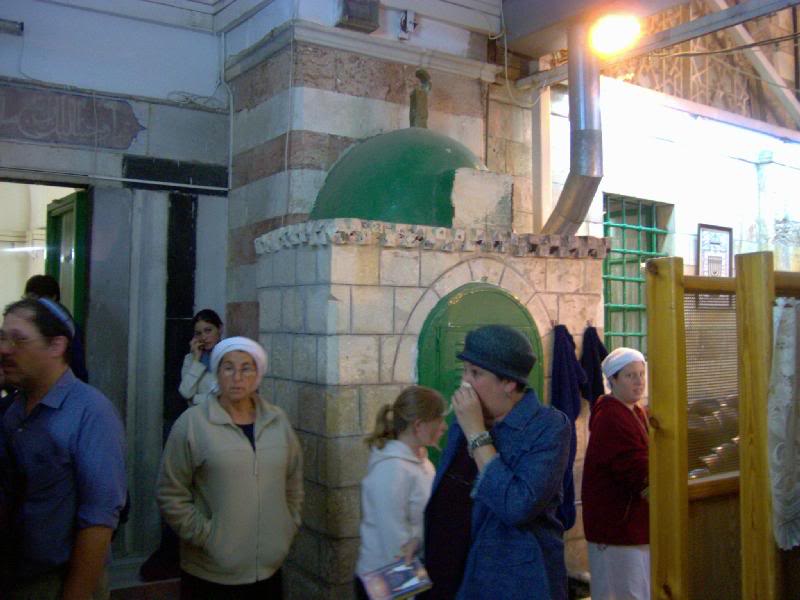
A Herodian stone enclosure in Hebron's Old City holding the traditional graves of Abraham, Sarah, Isaac, Rebecca, Jacob and Leah, revered as Me'arat HaMachpela by Jews and as the Ibrahimi Mosque by Muslims, and divided since 1994 into a synagogue and a mosque under one roof.
 Judaism
Galitska Synagogue
Kyiv · Ukraine · synagogue
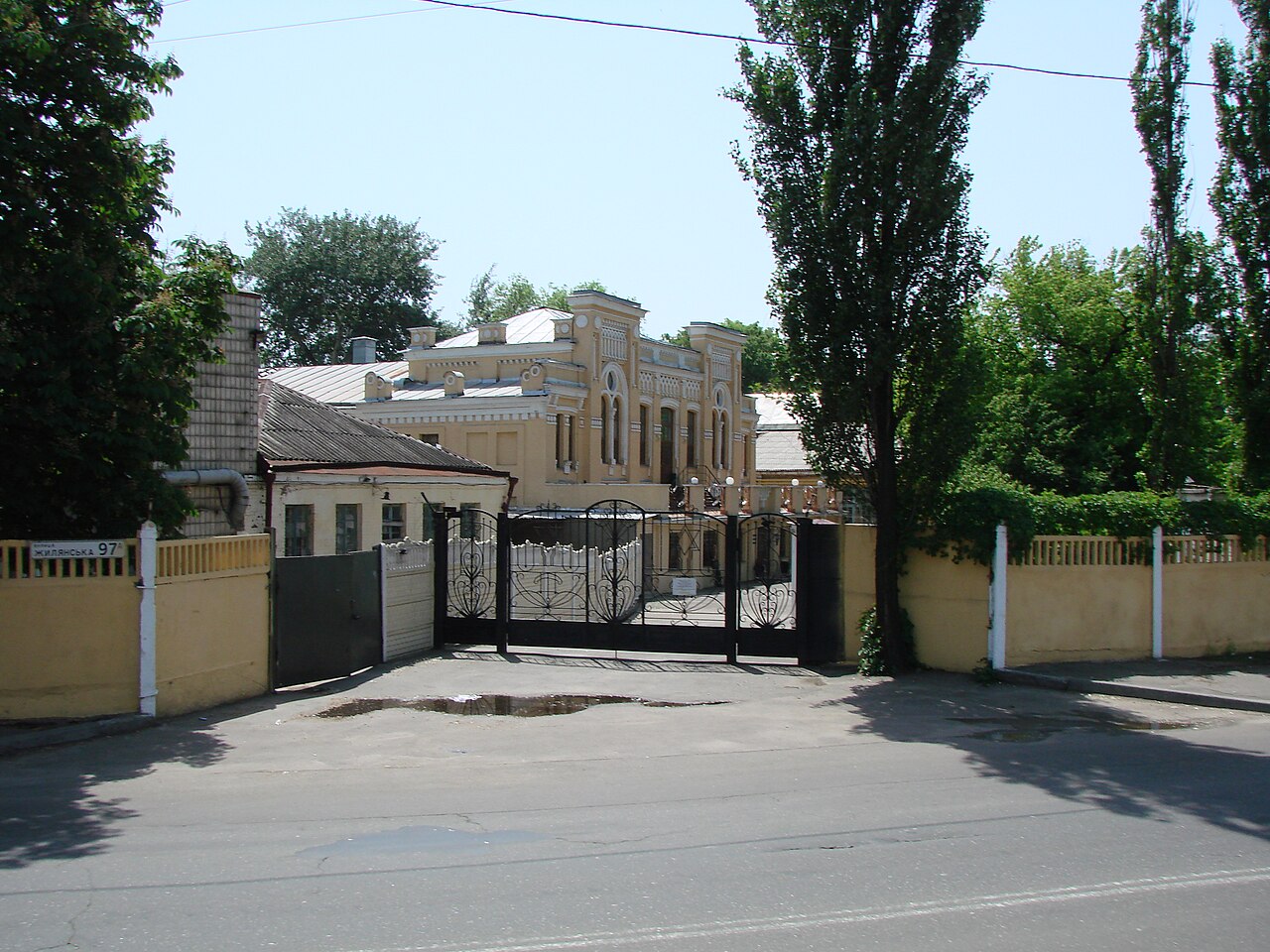
The Halytska Synagogue, also known as the Galitska Synagogue or Beit Yaakov Shul, is an Orthodox Jewish synagogue on Zhylianska Street in Kyiv, Ukraine, where the congregation prays in the Ashkenazi rite.
 Judaism
Grande Synagogue de Lyon
Lyon · France · synagogue
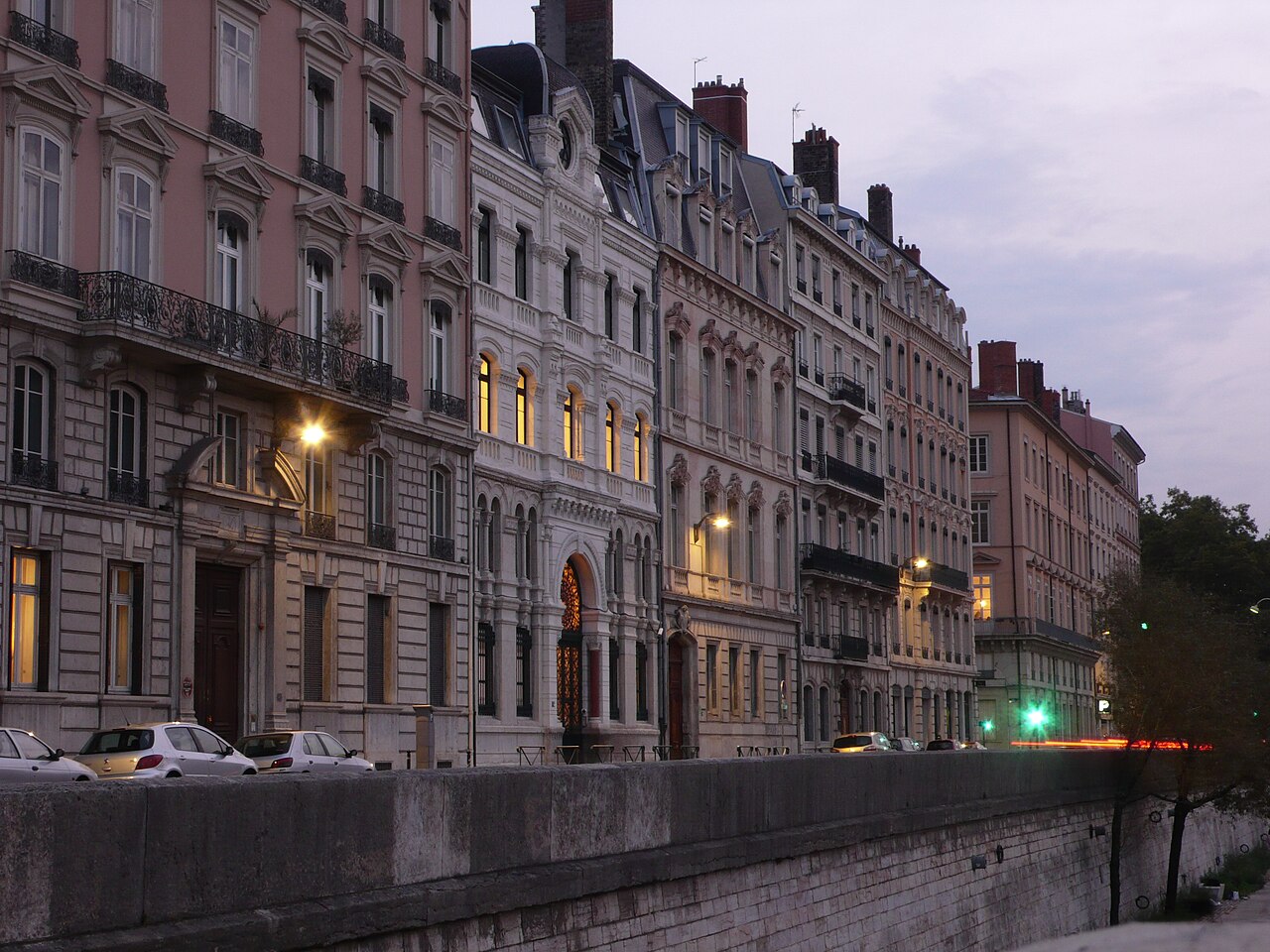
On the quai Tilsitt in central Lyon stands the Grande Synagogue, an Orthodox congregation built in 1863 and 1864 in the Byzantine Revival style and still the city's principal Ashkenazi house of prayer. Behind its ornate stone archway, carved with Hebrew lettering above wrought-iron gates, the congregation gathers for daily and Shabbat prayer.
 Judaism
Italian Synagogue
Venice · Italy · synagogue
The Italian Synagogue, the Scola Italiana, stands on the Campo del Ghetto Nuovo in Venice, a plain but luminous prayer hall raised in 1575 by Jews of the Italian rite within the world's first Jewish ghetto. Five tall arched windows light its upper floor, one of five historic synagogues still standing in the old ghetto quarter.
 Judaism
Łańcut Synagogue
Łańcut · Poland · synagogue
A Baroque masonry synagogue in Łańcut, southeastern Poland, completed in 1761 and one of the best preserved vaulted bimah-tower synagogues surviving in Central Europe, now cared for as a Jewish heritage museum.
 Judaism
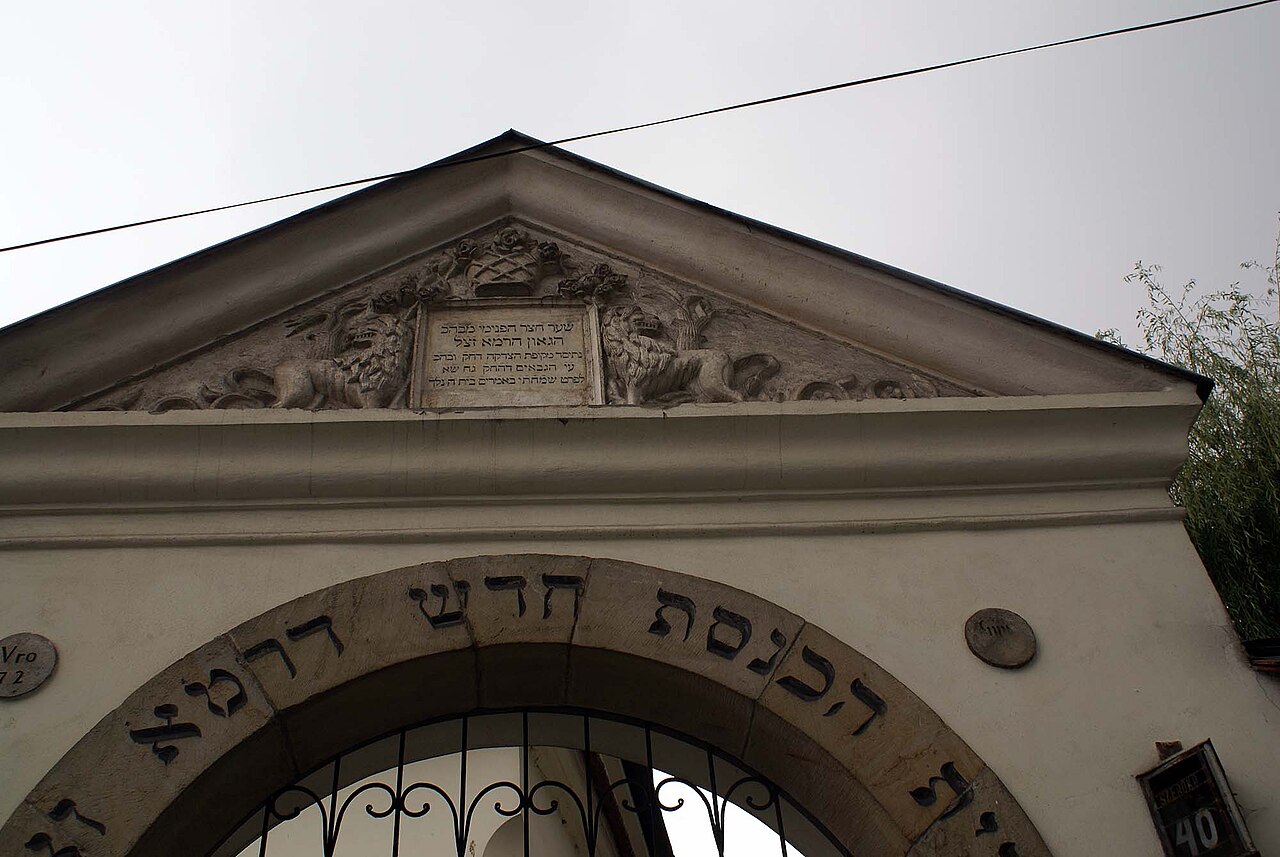
Remuh Synagogue
Kraków · Poland · synagogue
The Remuh Synagogue is the historic Orthodox congregation of Kazimierz, Kraków's old Jewish quarter, built in the sixteenth century and named for Rabbi Moshe Isserles, the great halakhic authority whose grave lies in the adjoining cemetery. Small and still living, it remains one of the longest continuously active places of Jewish prayer in Poland.