One of Fifty-One Shakti Peethas Spring rising in the Temple well 1 km east of Pashupati Navaratri & the Jatras Renovated 17th c. by Pratap Malla
You leave the smoke and bells of Pashupati behind and follow the Bagmati east, barely a kilometre, until the river settles against its southern bank. The Temple waiting there does not announce itself, and that is the point: Guhya, the hidden, Ishwari, The Goddess. Inside, a spring rises in a well, and two faiths bend over the same water.
One of the Fifty-One Shakti Peethas: the Skanda Purana's Himavatkhanda and the Meru Tantra, echoed by Nepal's own chronicles, say the Anus Of Maa Sati fell on this ground, the guhya, Her most hidden part.
The Varahi Tantra exalts the Guhya Mandala of Nepal as granting one crore times the merit of other grounds, and holds that no Shakti Peetha surpasses Guhyeshwari.
Hindu and Buddhist devotion meet here: Tantric worshippers Serve Maa Guhyakali daily, while Vajrayana Buddhists honour the same ground as sacred To Vajrayogini in Her form as Vajravarahi.
The hidden Seat by the Bagmati
The old telling says that when Maa Sati gave up Her body, Her dismembered Form came to earth in Fifty-One places, and each became a Shakti Peetha. Here, by the Bagmati near the Mrigasthali of the Pashupati Temple, fell Her Anus, and the scriptures that record it run from the Meru Tantra and the Skanda Purana's Himavatkhanda to the Svasthani Vratakatha and the old Vamshavali chronicles. The Devi Bhagavata Purana counts this Shrine among the seats Of Adishakti and names The Goddess Of Nepal Maa Guhyakali, declaring that the great abode Of Sri Guhya Kali stands in Nepal.
The texts call Her By many Names: Maa Guhyakali, Guhyeshwari, Guhyeshi, Guhyakeshvari, Guhyakalika, and the Manthanbhairava Tantra names Pashupati as Her Consort. Among the Fifty-One Peethas, each matched to a letter of the Sanskrit alphabet, fifty one in all, Guhyeshwari Is the letter I. The Temple owes its present form to a seventeenth century renovation under King Pratap Malla.
What you'll actually see
1
The spring in the well
Water rises from a spring in the well of the Temple. Vajrayana Buddhists hold this water to be the waters Of Vajravarahi, and Tibetans name the place Pag-mo Ngal-chu, the womb fluid Of Maa Varahi.
2
Two priesthoods, one worship
A priestly clan from the Newar community offers the daily nitya puja To Maa, following the Sarvamnaya Tantra. The Karmacharya, traditional Kaula priests, keep the regular Tantric rites, while on great occasions the Rajopadhyaya Brahmins, who carry both Vedic and Kaula authority, offer the Vedic worship alongside them.
3
The root of Swayambhunath's lotus
Vajrayana tradition holds that beneath this ground lies the root of the fabled lotus that bears the Swayambhunath stupa, a cord of nourishment for Kathmandu. The valley itself, in this telling, is fed From Her.
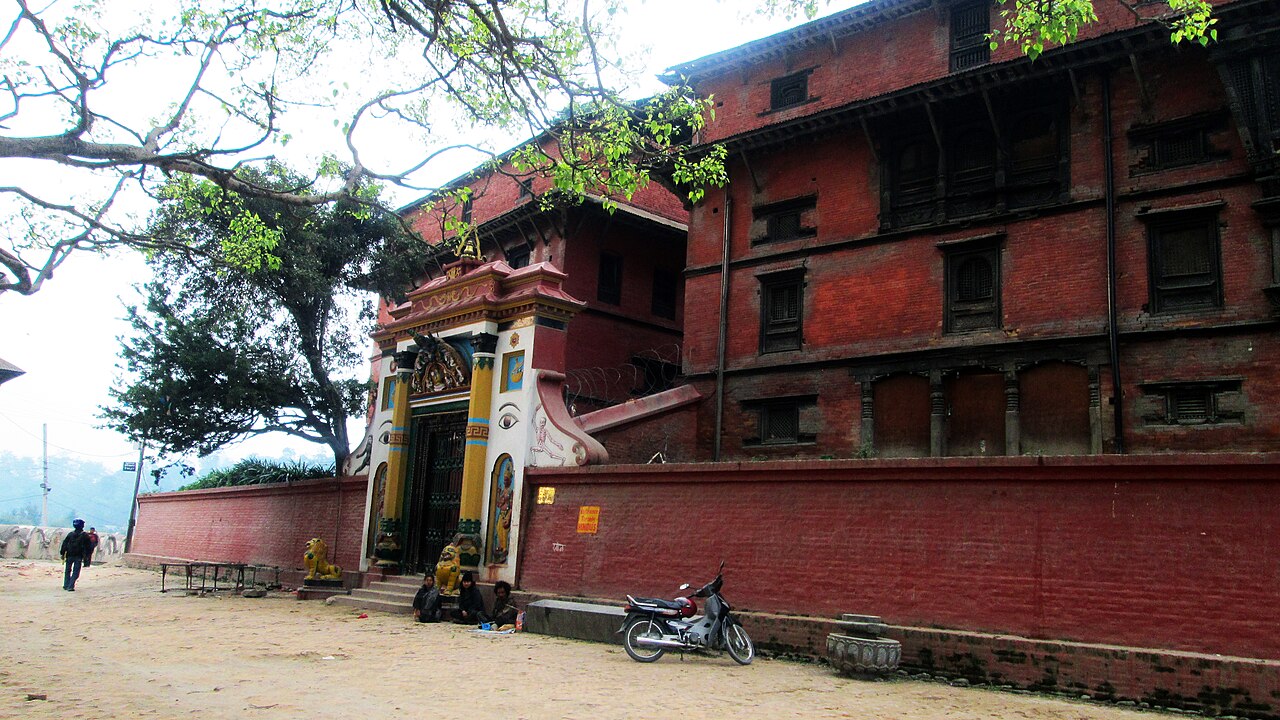
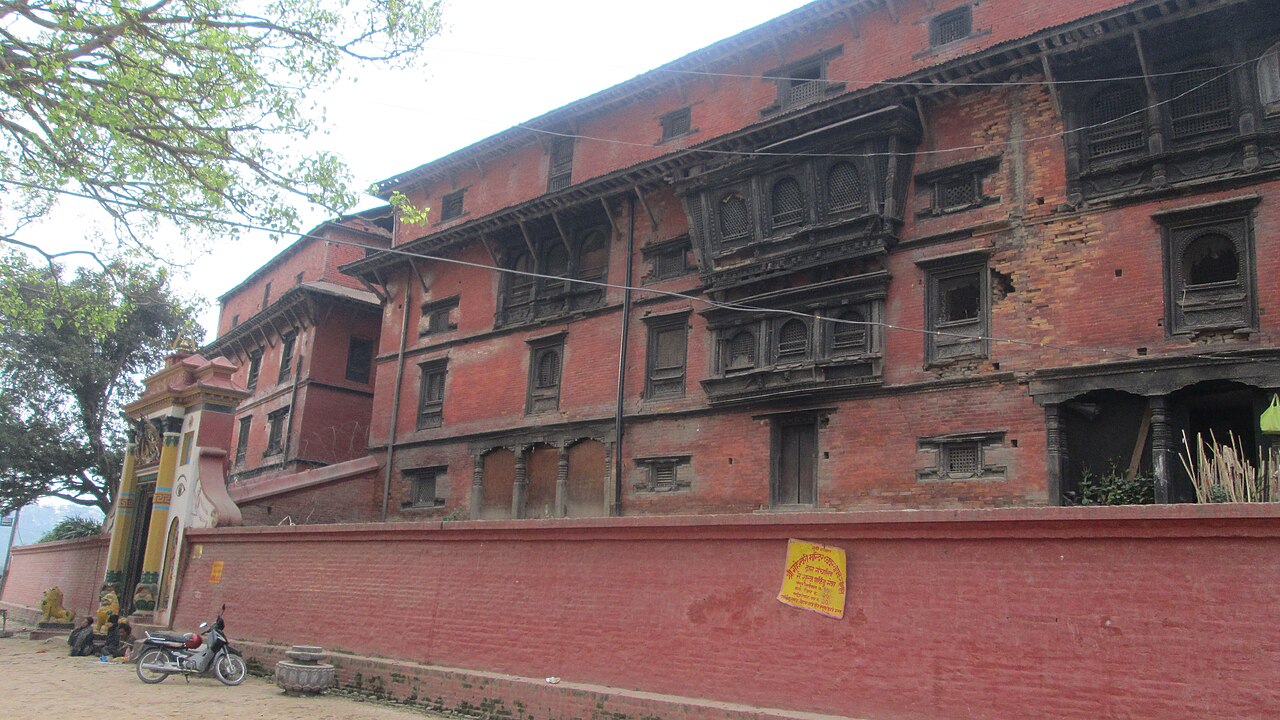
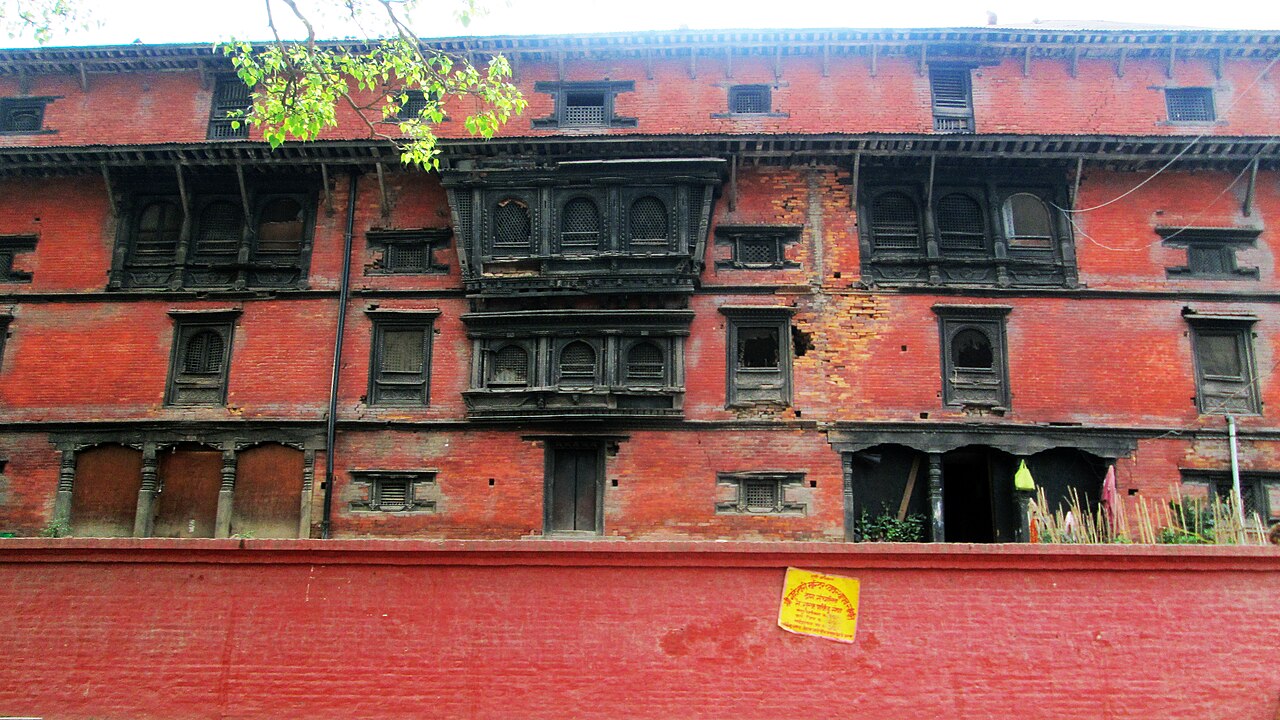
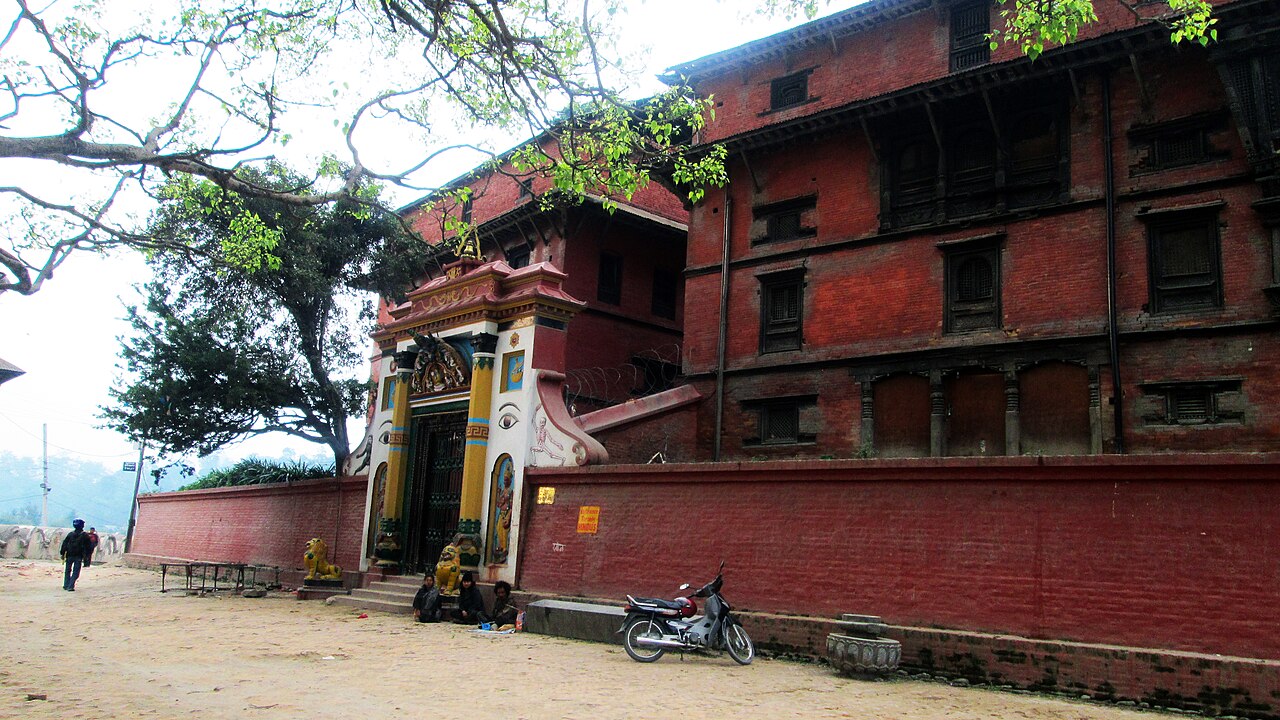
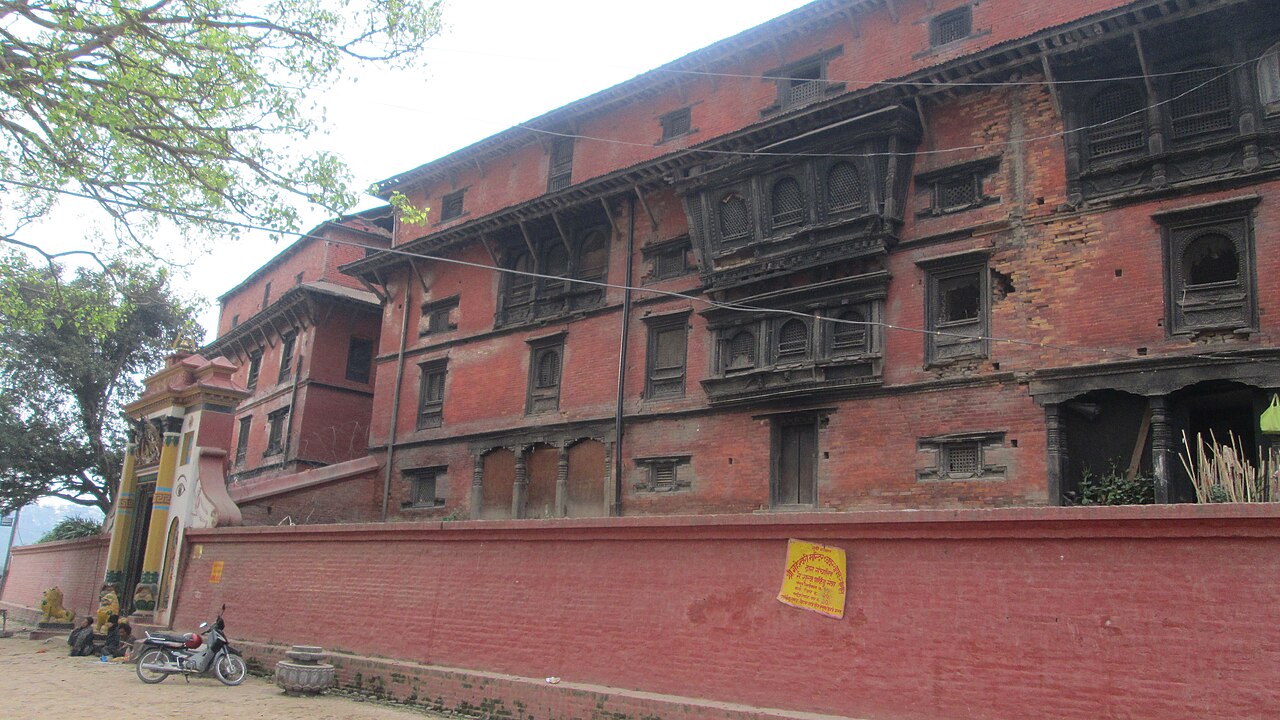
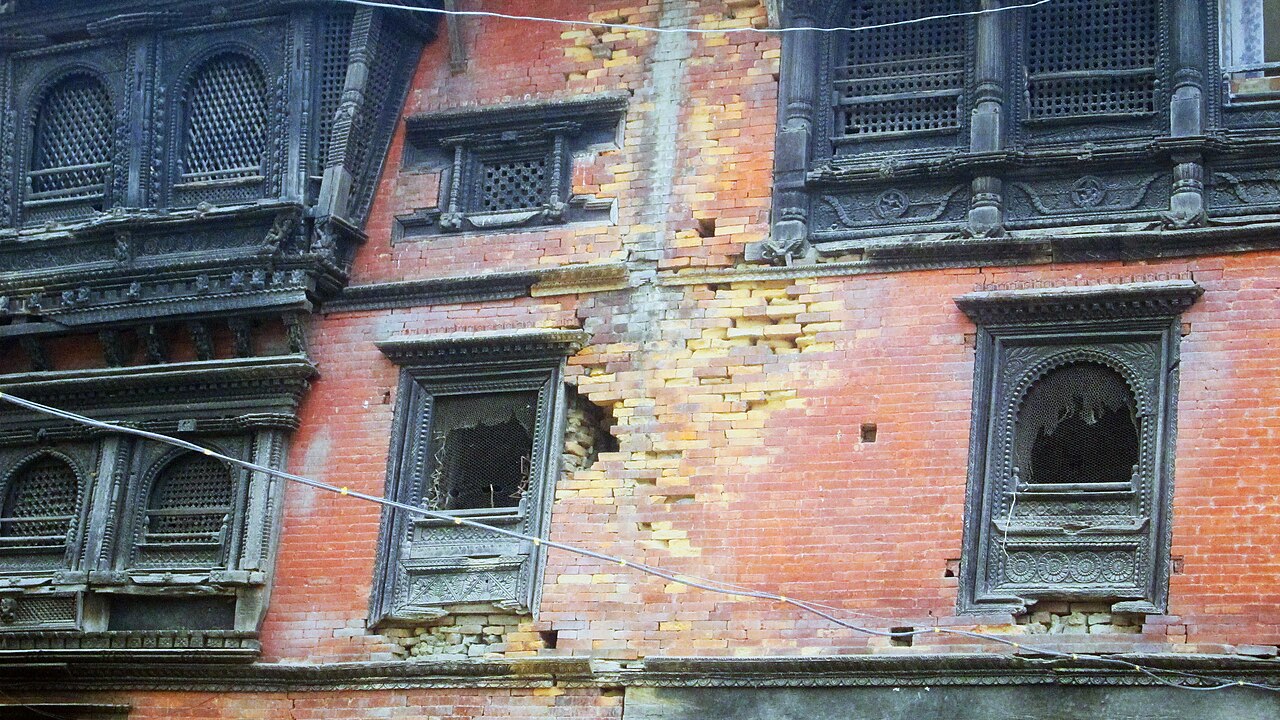
A wide view across the Temple area of Maa Guhyeshwari in Kathmandu, NepalThe grounds of Maa Guhyeshwari's Temple beside the Bagmati, Kathmandu
Views of the Guhyeshwari Temple area by Nabin K. Sapkota · photos CC BY-SA 4.0, Wikimedia Commons
When the valley presses To Her gate
Navaratri and the Jatras
The Temple grows very crowded during Navaratri and during the Jatras, when Kathmandu turns To its Hidden Goddess. Tantric practitioners hold this Shrine in particular reverence and Tantric rites are performed here through the year, so the festival seasons draw pilgrims and adepts alike. Come expecting the press of devotion, and come expecting Her.
Festival dates follow the lunar calendar and shift each year; confirm exact days with the Temple office before planning your yatra.
Plan your visit
Where
Southern bank of the Bagmati River, Kathmandu, Nepal, about 1 km east of the Pashupati Kshetra.
By air
Kathmandu is the gateway city; from the airport, ask your driver for Guhyeshwari, east of Pashupatinath.
From Pashupati
The Temple sits about one kilometre east of the Pashupati Kshetra; confirm the walking route locally.
Timings
Daily nitya puja is offered by the Newar priests; confirm current darshan hours with the Temple office.
Best time
Ordinary weekdays for a quieter darshan; Navaratri and the Jatras bring dense crowds.
Offerings
The Temple office and priests can guide first-time pilgrims on what to bring and how darshan proceeds.
Her Name keeps Her secret: Guhya, the hidden, and Ishwari, The Goddess. What Is most Sacred here Is not on display.
Do not confuse this Peetha with the shrine of Maa Mahamaya near the meeting of the Vishnumati and the Bagmati, where the Knees Of Maa Sati are said to have fallen; here by the Mrigasthali it was Her Anus that fell, and The Goddess Is Guhyeshwari, or Maa Guhyakali.
The Tripura Rahasya counts Nepal among the twelve dwellings where Goddess Lalita always Resides, naming Her form here Guhyakeshvari, and in the Lalita Sahasranama Her seven hundred and seventh Name Is Guhyarupini.
Questions pilgrims ask
Which part Of Maa Sati fell at Guhyeshwari?
The Skanda Purana's Himavatkhanda, the Meru Tantra, and Nepal's own chronicles say Her Anus and rectum fell on this ground, the guhya, Her most hidden part. That fall makes Guhyeshwari one of the Fifty-One Shakti Peethas.
Who performs the worship?
A priestly clan from the Newar community offers the daily nitya puja, following the Sarvamnaya Tantra. The Karmacharya, traditional Kaula priests, keep the regular Tantric rites, while Rajopadhyaya Brahmins offer the Vedic worship on major occasions.
Is the Temple sacred to Buddhists as well?
Yes. Vajrayana Buddhists honour Guhyeshwari as sacred To Vajrayogini in Her form as Vajravarahi, and hold that the root of the lotus bearing the Swayambhunath stupa lies here, with the spring water of the well believed to be the waters Of Vajravarahi.
Dharamshalas and guest houses near this Sthan, shared by devotees. Adisthan takes no bookings and no money; contact each stay directly.
No stays are listed here yet. Know one that serves pilgrims well?
Are you a priest, trustee, or sevak of Maa Guhyeshwari Temple? Claim this page to add true timings, live darshan updates, and a way for pilgrims To actually reach you.